



















 Robot Lawn Mowers
































 Humidifiers


 Smart Door Lock


 Canada
 Australia
 中国大陆
中国大陆 日本
日本


 Türkiye


 Ireland
 Portugal
 Italia
 Netherlands
 Belgium
 Greece
 Polska
 Norway
 Sweden
 Finland
 Denmark
 Hungary
 Czechia
 Slovenia
 Croatia
 Switzerland
 United
Kingdom
United
Kingdom


 Colombia

In this article
Terrazzo floor cleaning requires softer tools and milder cleaners than the rest of your hard floors, because of how it's made. Those polished stone chips are set into a cement or resin binder that scratches and etches far more easily than a floor this solid-looking suggests.
Treat it gently, and the shine will last for much longer. Reach for a harsh cleaner or a stiff pad, and it dulls fast. This guide covers the everyday routine, how often to clean, how to lift common stains, and the cleaners to keep well away.

What Makes Terrazzo Different From Other Hard Floors
Terrazzo needs gentler handling than tile or laminate, and the habits below help to keep it shining:
- Use pH-neutral cleaners only, since acids and harsh sprays dull the surface
- Skip abrasive pads and steel wool, which scratch the polish
- Wipe spills quickly, before the surface soaks them in and stains
Here's the why behind those rules. Terrazzo is made up of chips of marble, granite, quartz, or glass set into a cement or resin binder, then ground and polished flat. The chips are tough, but the binder holding them together is soft and more porous than it looks. That binder, not the chips, is what acids etch and spills sink into, which is what puts terrazzo closer to marble than to tile or laminate.
Our guide on how to clean marble floors covers the pH-neutral cleaners and sealing that apply here too, worth a read while you learn how to clean terrazzo floors without wearing them down.
What You Need to Clean Terrazzo Floors
You don't need any specialized tools, and most of it is probably already in your own cupboard.
- A soft-bristle broom or a vacuum with the brush roller switched off, for lifting grit
- A microfiber mop, plus a spare dry microfiber cloth for drying
- A pH-neutral stone cleaner
- Warm water and a bucket to wring into
- A wet/dry vacuum is the optional time-saver, lifting grit and damp-mopping in one pass so you skip the broom and bucket
How Do You Clean Terrazzo Floors Step by Step?
Cleaning terrazzo takes three steps in order. Remove the grit, damp-mop with a pH-neutral cleaner, then rinse and dry. Following that order protects the polish, and skipping the first step means you mop grit straight into the surface, where most damage to terrazzo floors starts.
Step 1: Sweep or vacuum to remove grit
Grit acts like sandpaper on terrazzo. Every time you cross the floor, tracked-in sand and dust grind into the polish, wearing down the shine.
Clear it dry before any water touches the floor. A soft broom or a vacuum with the brush roller switched off lifts the loose grit that would otherwise scratch as you mop.
Step 2: Damp-mop with a pH-neutral cleaner
Use a damp mop, not a dripping one, with warm water and a pH-neutral stone cleaner. Stick with pH-neutral, since acidic and alkaline cleaners dull the soft binder even when the chips look untouched.
Vinegar and all-purpose sprays are the usual culprits, so keep anything acidic off terrazzo. Streaks usually come from too much water or too much cleaner, so our guide on mopping without leaving streaks covers how far to wring the mop and why less product leaves a clearer finish.
Step 3: Rinse and dry to prevent streaking
Rinse off the cleaner, then dry the surface so nothing sits in the grout lines. Leftover residue dries cloudy and looks like a worn floor when it is only a thin film. A quick pass with a dry microfiber cloth or a clean, moisture-free mop head finishes the job.
How Often Should You Clean Terrazzo Floors?
Terrazzo needs a quick-dry pass daily in busy spots, a damp mop about once a week, and a deep clean monthly. Busier floors need the daily pass most, so how often you clean each area depends on the foot traffic it sees. Here is what cleaning looks like split across the week and the month.
Daily and weekly upkeep
Sweep or vacuum the entryway and kitchen daily, since that's where most dirt ends up, then damp-mop the rest of the floor once a week. The goal is to keep grit off the floor, so focus the daily pass on your heavy-traffic paths.
Monthly and seasonal deep cleaning
Once a month, give the floor a more thorough pass and check how the sealant is holding up in the areas that get walked on hardest. Worn sealant is how stains set in, so a seasonal look at those busy zones tells you when it is time to reseal.
How Do You Make Terrazzo Floors Look New?
Most terrazzo that looks dull has not worn out. That dullness is really grit that's been ground into the polish plus spills that soaked in and stained, so making it look new means lifting those stains and keeping grit off day to day. You can handle most stains yourself.
Lift grease or oil stains
Spread a paste of baking soda and water over the stain, cover it, and leave it to dry so it pulls the oil up out of the binder. That paste lifts oily marks with no scrubbing. Skip the scouring pad, which ruins the polish and leaves a dull patch worse than the stain.
Treat rust marks
Use a stone-safe rust remover on the mark itself, not on anything around it. Avoid the usual acidic rust removers from the cupboard, since they etch the binder and create another problem entirely.
Blot ink or wine spills
Blot the spill instead of wiping, so it does not spread, then treat what is left with a few drops of pH-neutral dish soap in warm water. For a stubborn wine or ink mark on light-colored terrazzo, dab on a little hydrogen peroxide and rinse, after a quick patch test in a hidden spot. Speed does more than cleaner strength here, so get to spills early.
Clean up pet accidents
Blot up the accident right away, since a porous binder soaks up urine quickly and traps the smell. Once the surface is clear, treat the spot with a pH-neutral enzyme cleaner that breaks down the odor rather than masking it. Skip steam and anything acidic here, and get to it early, since the longer it sits, the deeper it sets.
Full terrazzo floor restoration and terrazzo floor polishing are machine jobs for a professional. When the shine is truly gone, or a stain will not lift no matter what you try, that is when to call one.
Avoid These Terrazzo Cleaning Mistakes
The biggest item on the list of what not to use on terrazzo floors is an acidic cleaner on a cement binder. That is number one, and the rest of the list covers both the cleaning products you use and the habits that wear down the floor over time.
- Acidic and all-purpose cleaners. Vinegar and any bleach-based or all-purpose spray etch the surface, leaving dull marks that mopping cannot remove.
- Abrasive pads and steel wool. These scratch the polish straight off.
- Generic wax coatings. They yellow over time and trap dirt instead of protecting the stone.
- Leaving spills to sit. A porous binder soaks them up, so a spill left for too long can leave a permanent stain.
Heat and steam behave differently from one stone floor to the next, so proceed carefully with terrazzo. Our guide on floors that should not be steam mopped lists porous natural stone as a risk, since forcing moisture into the surface can make it flake and leave cloudy mineral marks, the same concern that hangs over terrazzo's cement binder.
Top 3 Wet Dry Vacuums for Terrazzo Floor Cleaning
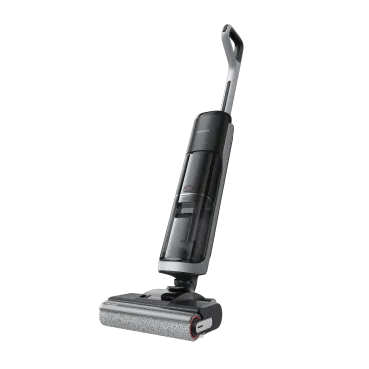
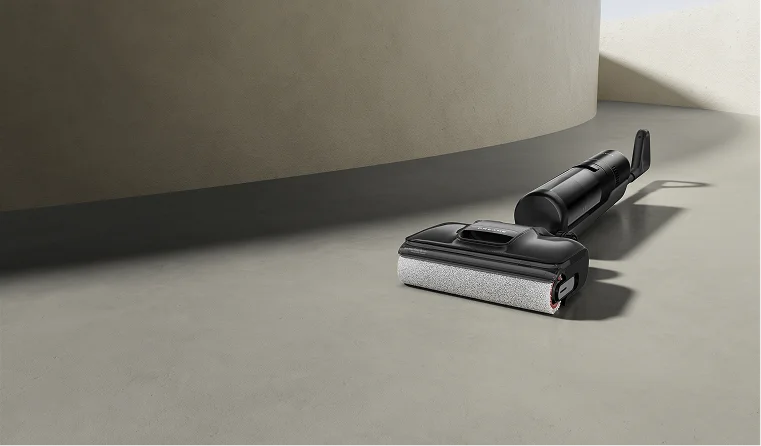
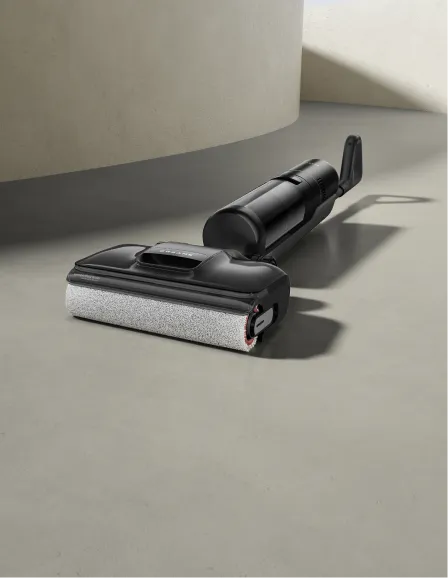
- Aero Pro, the everyday pick. Slim enough to lie flat under low furniture, with an anti-tangle roller and a self-washing dock that keeps daily cleaning hands-off.
- H15 Pro CarpetFlex, the mixed-home pick. Damp-mops the terrazzo, then switches to dry suction on rugs and carpet without getting tangled.
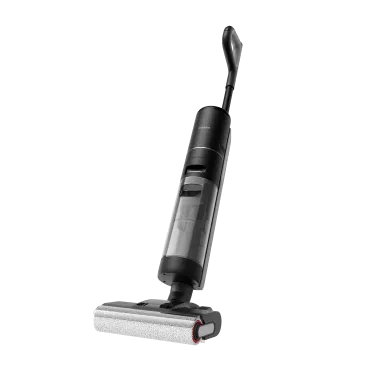
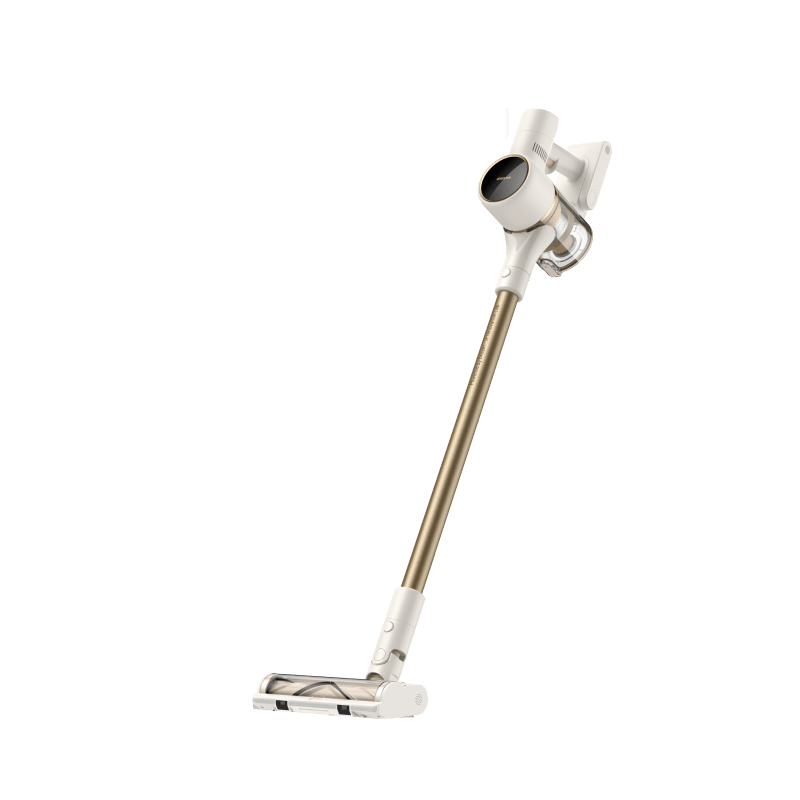
- H14 Pro, the value pick. A straightforward hard-floor vacuum-and-mop with a built-in light that reveals the fine grit you'd miss on a polished surface.
[product handle="aero-pro-wet-dry-vacuum" slogan="Editor's Pick"]
Taking Care of Your Terrazzo Floors
Terrazzo is cared for best with gentle, regular cleaning rather than occasional deep cleaning. Keep grit off the surface, mop with a pH-neutral cleaner, dry it properly, and treat spills before they set, and the floor holds its shine for years.
A wet and dry vacuum lifts the dry grit first and follows with a gentle damp mop in a single pass, the exact order terrazzo needs, so one tool does the work of two. Browse Dreame's wet and dry vacuums to find one that suits your floors.
Frequently Asked Questions
What is the best way to clean terrazzo floors?
Sweep or vacuum daily to clear grit, then damp-mop weekly with warm water and a pH-neutral stone cleaner. Dry the floor afterward so nothing clouds in the grout lines, and keep anything acidic away from the surface.
How do you make terrazzo floors look new?
Most dullness is grit and set-in stains, not worn stone, so treating stains early and keeping grit off restores the shine without refinishing. Catch both early and the floor rarely gets the chance to dull in the first place.
What is the best floor cleaner for terrazzo floors?
A pH-neutral, non-abrasive stone cleaner mixed with warm water. Skip all-purpose and vinegar-based cleaners, since anything acidic etches the cement binder and leaves dull marks.
What should you not use on terrazzo floors?
Anything acidic such as vinegar, lemon, or bleach, plus abrasive tools like steel wool and scouring pads. Generic wax coatings belong on that list too, since they yellow and trap dirt rather than protect the stone, and acids etch the binder in a way regular cleaning cannot undo.

