What Is a Floor Scrubber? (And Why Your Home Needs One)

What Is a Floor Scrubber? (And Why Your Home Needs One)

Dreame Editorial Team |
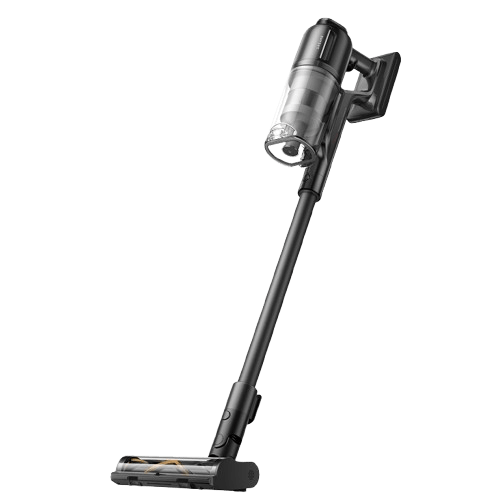
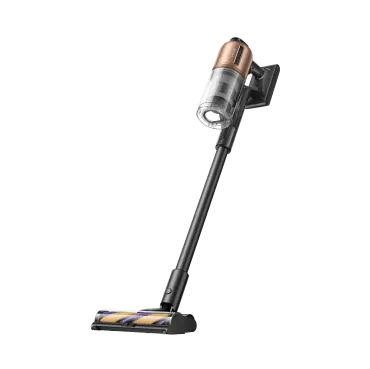
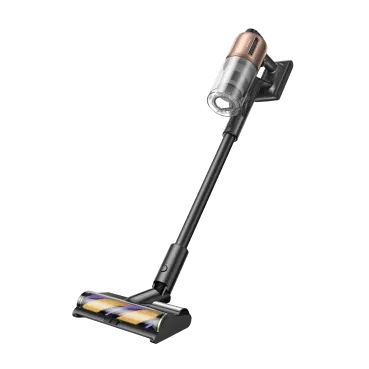
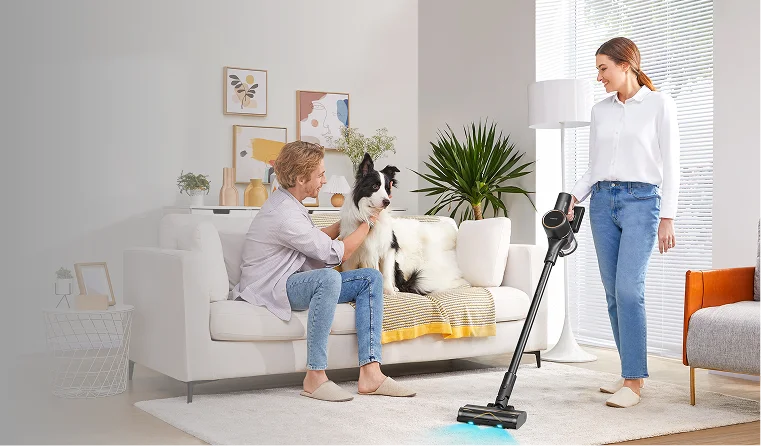
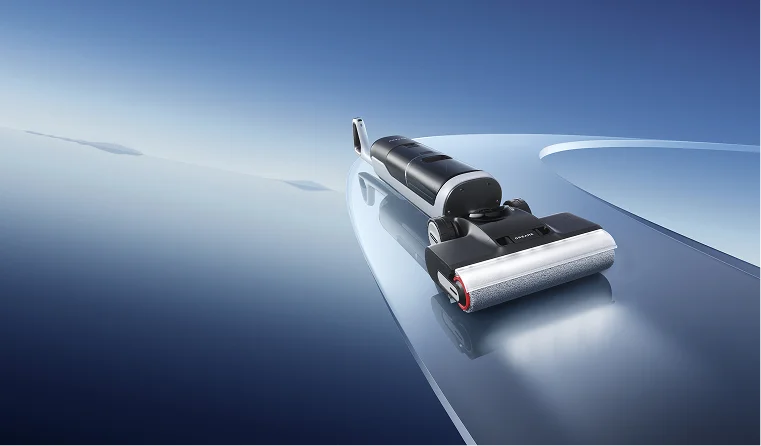
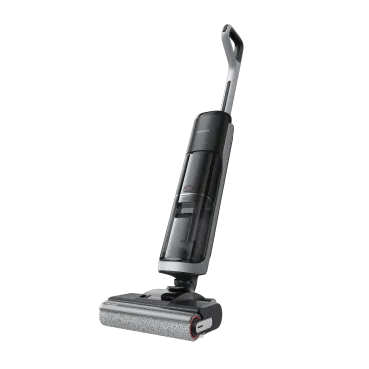
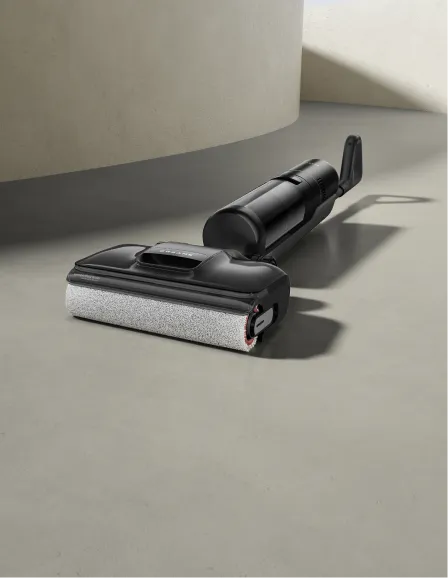
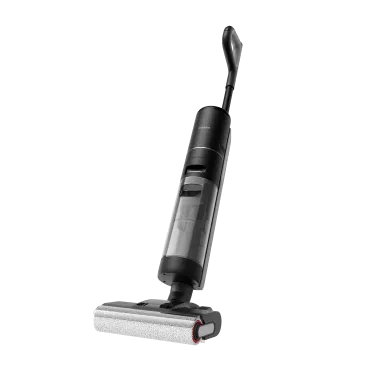
For decades, floor scrubbers were something most people only saw in shopping centres, hospitals, or office buildings. At home, cleaning floors usually meant a vacuum followed by a mop and bucket. That approach still works, but it comes with compromises around hygiene, time, and effort. Modern cleaning technology has changed that expectation. If you have ever wondered what a floor scrubber is and why so many homeowners are switching to them, the answer comes down to one idea. A floor scrubber replaces manual effort with a powered system that cleans with fresh water, active scrubbing, and immediate suction. Instead of pushing dirt around, it removes it completely. What Does a Floor Scrubber Do? At its core, a floor scrubber is a multi-functional electric hard-floor cleaner that functions as the broom, the vacuum, and the mop simultaneously. Think of it as a wet dry vacuum that helps you wash floors actively rather than just wiping the surface. Here is exactly what it handles in a home: Vacuuming and mopping in one pass: It picks up dry debris (dust, pet hair, crumbs) and washes the floor in a single pass. You no longer need to vacuum before you mop. Active stain removal: Unlike a passive mop that glides over the floor, a floor scrubber uses high-speed rollers to scrub away stuck-on grime, dried sauce, and muddy footprints. Liquid recovery: It is designed to suck up liquid spills. Whether it is a dropped bowl of cereal, spilled milk, or a bathroom puddle, the machine extracts the liquid into a sealed tank. Instant drying: Because it vacuums up the water used for cleaning, it leaves floors nearly dry immediately, preventing the slipping hazards common with traditional mopping. Important Home floor scrubbers are for sealed hard floors; avoid unsealed wood/porous stone. If you have mixed flooring in your home, be sure to check our guide on how to choose a floor scrubber by floor type to avoid damage. Wondering what makes a wet/dry vacuum unique? See our explainer What Is a Wet Dry Vacuum? How Do Floor Scrubbers Work? (The 3-Stage Process) While designs vary, nearly every floor scrubber uses the same three-stage technology. Dispense: The clean water tank releases water and cleaning solution directly onto the roller or brush. This ensures the floor is always cleaned with fresh liquid rather than reused water. Agitate: The brush roll spins at high speed, often 500 RPM or more, to loosen dirt, grease, and dried residue from the floor surface. This mechanical action is what separates a floor scrubber from a mop. Recover: A built-in suction motor pulls the dirty water off the floor and into a sealed dirty water tank. This step leaves floors nearly dry and prevents contaminated water from spreading. Together, these stages explain why a floor scrubber delivers more consistent results than traditional tools. To understand the science behind the suction, check out our how vacuum cleaners work guide. 3 Main Types of Floor Scrubbers Not all floor scrubbers are built for the same environment. It is important to choose the right tool for the job to avoid damaging your home or buying a machine that is too bulky to store. Ride-on and Walk-Behind: These are industrial machines designed for large commercial spaces like malls or hospitals. They use massive tanks, heavy pressure, and wide cleaning paths. Commercial Uprights: These sit in the middle. They are usually corded tools found in cafes, gyms, and small businesses that need frequent deep cleaning. Home Floor Scrubber: The most relevant category for householdsis the wet and dry vacuum. These cordless, lightweight machines bring professional-style cleaning into kitchens, hallways, and living rooms. Dreame’s H Series wet and dry vacuum cleaners demonstrate how this technology has been adaptedfor everyday home use. To understand the specific differences between spin scrubbers and wet/dry washers, read our guide on electric floor scrubbers for home use. Floor Scrubber vs. Traditional Mop: Which Is Better? For hygiene, the answer is clear. Floor scrubbers are objectively better because they break the dirty water loop. As soon as a mop head is dipped back into the bucket, it carries bacteria and grime with it. That same water is then spread across the floor, which is a common reason why floors can stay sticky after mopping. A floor scrubber avoids this problem by constantly applying clean water and immediately removing the dirty solution. Comparison: Which Tool Wins? To understand why a floor scrubber is the superior choice for hygiene, let’s compare the specs side-by-side with traditional methods and robot cleaners. Feature Traditional Mop Floor Scrubber (Wet/Dry) Robot Vacuum/Mop (Auto) Action Passive wiping (pushes dirt around) Active scrubbing + powerful suction Light surface maintenance & gentle mopping Water Hygiene Low (reuses dirty water) High (constant fresh water flow) Medium (small onboard tanks) Best For Cheap, occasional spot cleaning Deep cleaning & liquid spills Daily dust control & light maintenance Effort Level High (manual scrubbing) Low (self-propelled / assisted) Zero (fully automated) Drying Time 10–20 minutes Instant (suction removes most water) 5–10 minutes Cost Range Low ($20–$50) Medium ($250–$600) High ($500–$1,200+) Think of a robot vacuum as your daily housekeeper who sweeps while you work. Think of a floor scrubber as your power tool for when you need to actually wash the floor after dinner or a big spill. Most homes benefit from having both. Real-World Scenario: Cleaning Sticky Messes and Spills To truly understand the value of a floor scrubber, imagine a common kitchen disaster: a bowl of cereal dropped on the floor. The Old Way: You would need to grab a broom for the dry cereal (which often smears the milk), then a paper towel for the bulk liquid, and finally a mop to clean the sticky residue. You end up using three different tools and touching the mess multiple times. The Floor Scrubber Way: You grab your machine and make one single pass. It vacuums the solid flakes and sucks up the milk simultaneously, while the brush roll scrubs away the sticky sugar residue. The Aftermath: Instead of rinsing a dirty mop in the sink, you place the scrubber on its dock and press "Self-Clean." The machine washes its own brush, leaving your hands entirely clean. Dreame Take Our floor scrubber design philosophy is simple: fresh water in, dirty water out, no recirculation, plus controlled heat to break down residue fast. For tough messes like dried milk or sticky syrup, heat makes all the difference. Are Floor Scrubbers Worth It? Top Benefits for Homeowners For many households, the value becomes obvious after the first use. Time Savings: A floor scrubber can significantly reduce cleaning time because it vacuums debris and washes the floor at the same time. End of Mop Maintenance: Modern machines like those in the Dreame H Series include self-cleaning systems that rinse the brush internally. This brings industrial-level convenience into the home and removes the need to wash dirty rollers by hand. Water Efficiency: Floor scrubbers use significantly less water than a bucket to clean the same area because the system is controlled and precise—a key part of our eco-friendly home tips. Versatility: A floor scrubber can handle sticky spills like ketchup or raw egg that would clog or damage a standard vacuum. [product handle="h15-pro-heat-wet-dry-vacuum" rating="4.6"] But do you actually need one? While the technology is impressive, it fits some lifestyles better than others. Find your situation below to make the right choice. "I have kids, pets, or frequent kitchen messes." What to buy: Wet/Dry Floor Scrubber.  Best for: "wet" messes, such as spilled milk, muddy paw prints, or spaghetti sauce.  Why: A vacuum can't handle the liquid, and a mop takes too long. You need the "grab-and-go" speed of a Dreame H-Series machine to handle solids and liquids instantly. For a complete checklist, see our guide on how to choose the best floor scrubber for home use. "I mostly fight dust bunnies and hair, but my floors rarely get sticky."  What to buy: Consider a Robot Vacuum.  Best for: Daily or every-other-day vacuuming and mopping Why: Automation beats manual deep cleaning for routine dust. A robot vacuum (like the Dreame X50) will keep your floors dust-free while you sleep. "I’m cleaning up post-renovation dust and drywall debris."  Rent an Industrial Machine.  Best for: Ultra-fine construction dust Why: Heavy construction dust can clog the filters of residential machines. For one-time disasters, renting a commercial unit is the smarter financial move. Ready for a Smarter Floor Scrubbing? The era of the mop bucket is coming to an end. As technology has moved forward, so has the way we clean our homes. Understanding what is a floor scrubber helps explain why so many homeowners are upgrading their routines. Cleaning with truly clean water, active scrubbing, and instant suction delivers better hygiene with less effort. Once experienced, it is difficult to go back. If you’re ready to spend less time scrubbing and more time enjoying clean floors, explore Dreame wet dry floor scrubbers and find the right fit for your home. FAQ on Floor Scrubbers Do floor scrubbers pick up dry dirt?  Yes. Residential models function as vacuums and can collect dry debris while washing. Can you use a floor scrubber on hardwood floors? Yes, as long as the machine controls water flow and avoids oversaturation. Many are designed to be safe for sealed hardwood when used correctly, as explained in our guide on how to clean hardwood floors Do I need a special detergent? Yes. Low foam detergents are recommended to protect the motor and suction system. Is scrubbing the floor better than mopping?  Yes, for hygiene, drying speed, and overall effectiveness.
Continue reading
What to Use to Mop Hardwood Floors: Safe Solutions & Best Tools

What to Use to Mop Hardwood Floors: Safe Solutions & Best Tools

Dreame Editorial Team |
Hardwood floors add warmth and value to a home, but they also require careful cleaning. Most people don’t realize that hardwood requires completely different care than tile or vinyl, as wood reacts quickly to moisture and harsh chemicals. Choosing what to use to mop hardwood floors safely can feel overwhelming, especially when one wrong decision can damage wood faster than years of foot traffic. When the wrong products or tools are used, the damage can show up as dullness, warping, or permanent staining. So, if you are used to traditional mopping methods, what to use to mop hardwood floors safely? The answer is not complicated, but it does require restraint. The safest approach combines the right cleaning solution with a mop that limits water exposure. This guide explains which cleaners are safe, which mops work best, and how to vacuum hardwood floors without damaging the finish. Safe Hardwood Cleaning Solutions When You Mop Choosing the right cleaning liquid is the most important step to keep your hardwood floors sparkly clean and safe from chemical or water damage. Even the best mop cannot protect wood if the solution is too harsh. pH-Neutral Commercial Cleaners pH-neutral cleaners designed for hardwood are the safest choice. These products are formulated specifically for sealed wood surfaces and are intended for regular use. They clean effectively without dulling the finish or leaving residue behind. Because they do not rely on strong acids or alkalines, they preserve the protective coating over time. This is why professional cleaners rely on them for routine maintenance. When shopping, it is important to check the label and confirm that the cleaner is approved for sealed hardwood floors. Vinegar and Water: A Common but Imperfect Option Vinegar and water are often recommended as a natural cleaning solution, as they do remove grime. However, vinegar is acidic. Repeated use can slowly dull the finish and weaken the seal on hardwood floors. If vinegar is used, it should be highly diluted and applied sparingly. It should never be part of a weekly cleaning routine. For long-term floor care, professionally formulated cleaners are a safer and more reliable option. Learn how to care for your hardwood floors naturally. Ingredients That Should Be Avoided Some cleaning products cause damage even if they appear effective at first. Hardwood floors should never be cleaned with bleach, ammonia, or oil-based soaps. These substances discolor wood, strip finishes, or leave sticky residues that attract dirt. Powdered cleaners and abrasive scrubs should also be avoided because they scratch the surface. Products that promise extra shine often create buildup rather than improving the floor’s condition. Dreame Take If you let your robot vacuum handle your hardwood mopping, using a compatible solution is key to preventing internal clogs and ensuring a streak-free shine. We recommend the Wood Floor Care Solution for a safe, clean on wood surfaces.  Choose the Right Mop for Your Hardwood Floors Different mop types control moisture differently. Since excess water is the primary threat to hardwood, your choice of mop matters as much as your cleaning solution. Below, we compare the most common types of mops you can consider.  Mop Comparison Matrix Mop Type Pros Cons Water Control Cost Best For Microfiber Flat Mop Affordable, easy to control moisture, machine-washable pads Requires manual wringing, labor-intensive Excellent (you control wetness) $15–40 Small spaces, tight budgets Spin Mop Removes more water than standard mops, bucket system contains mess Still leaves floors fairly wet, requires physical effort Moderate $30–60 Medium spaces, occasional deep cleaning Steam Mop Sanitizes without chemicals, kills bacteria Too much moisture for hardwood, heat can damage finish Poor (excessive moisture) $50–150 Tile and sealed surfaces only Vacuum Mop (Wet/Dry) Vacuums and mops simultaneously, removes dirty water instantly, leaves floors dry Higher upfront cost, requires charging Excellent (instant water recovery) $300–600 Active homes, pets, frequent cleaning Robot Vacuum & Mop Automated daily maintenance, precise water control settings, requires no physical effort Can't handle heavy messes, higher investment Excellent (controlled dampness) $400–1,500 Busy households, daily maintenance There is a distinct trade-off between effort and precision. Manual mops (flat/spin) are budget-friendly but rely entirely on human skill—one accidental soak can damage the wood. Automated tools (Vacuum Mops/Robots) require a higher initial investment but offer built-in "safety nets" through digital water control and immediate moisture suction. If you want to eliminate the risk of "user error" (over-wetting), smart technology is the superior choice for wood longevity. 3 Best Mop Materials for Hardwood Floors (And 3 to Avoid) The material of your mop matters just as much as the cleaner you use, because it’s the only thing making direct contact with your hardwood finish.  Microfiber (flat mop pads / most robot mop pads): The safest go-to for sealed hardwood. Microfiber lifts fine dust and residue without scraping, and it holds water evenly so you’re less likely to over-wet seams. Twisted microfiber / twisted fabric mop pads (common on higher-performance mop pads): Great when you want a bit more “grab” for sticky spots. The twisted loops increase surface contact and scrubbing ability, while still staying soft enough for sealed wood—just keep the pad only damp, not wet. Soft roller microfiber (wet/dry vac rollers): Ideal for active homes because the roller can scrub while suctioning dirty water back up, which helps floors dry faster and reduces streaking. What to avoid: Cotton string mops: They hold and dump water unpredictably, which increases the risk of leaving puddles and pushing grit around. Sponge mops: They can smear dirty water and leave moisture behind, especially along seams. Abrasive scrub pads / rough textures: Too aggressive for hardwood finishes and can cause hazing or micro-scratches over time. How to Mop Hardwood Floors Correctly Step-by-Step Step 1: Clear the Area Remove rugs, furniture, and any obstacles. This prevents you from mopping around items, which leaves dirty patches and creates uneven wear patterns on your floor. Step 2: Perform a Dry Pass  Sweep or dry vacuum before mopping. This step is critical and cannot be skipped. When you mop over dust and grit, the particles mix with water to create an abrasive paste. As you push the mop, this paste scratches your floor's finish. Over time, these microscopic scratches accumulate, making your floors look dull and worn. Vacuums are more effective than brooms because they actually remove debris rather than pushing it around. For optimal results, use a vacuum designed for hard floors with soft rollers that won't scratch. See this comprehensive guide on which cleans better: sweeping vs vacuuming? Step 3: Apply the Mopping Technique Mop with the grain of the wood, not against it. Wood planks have a natural directional pattern. Following this pattern hides minor streaks and prevents water from pooling in cracks between boards. Use back-and-forth motions in straight lines rather than circular patterns. Circles tend to push water into seams. Step 4: Dry Immediately Open windows or turn on fans to improve air circulation. If you notice any standing water or puddles, dry them immediately with a clean towel. Important Hardwood’s biggest enemy is standing water. No matter what tool you use, the floor should dry within 1-2 minutes of mopping. If water remains visible longer than that, your mop is too wet, and you are risking water damage. Match the Mop to Your Lifestyle: Which is Best? The best mop for hard floors depends on how the space is actually used. Homes with light foot traffic can get by with simple, low-moisture mops, while busy households with kids or pets need something that cleans more thoroughly without leaving water behind. Here are a few great options, depending on what your floors deal with on a day-to-day basis. Option 1: For Small Spaces & Strict Budgets For small homes or those on a budget, a microfiber flat mop is a great choice. It lets you control the moisture by applying it to the pad, not the floor, making cleaning safer for wood. Its lightweight design also makes it easy to use in tight spaces. Option 2: For Deep Cleaning & Active Homes (Pets/Kids) For homes with children or pets, wet and dry vacuum mops are one of the most effective cleaning tools. They work by applying clean water or cleaning solution to the floor while simultaneously suctioning up dirty water, preventing spills and messes from spreading. This helps keep hardwood floors cleaner, drier, and safer from water damage. Many models, like the Dreame H14 Pro or H15 Pro Heat, also feature adjustable water flow, powerful suction, and easy-to-use controls, making deep cleaning faster and more efficient. With these machines, you can remove pet hair, dirt, and sticky spills in a single pass, reducing the time and effort needed compared to traditional mopping methods. [product handle="h15-pro-heat-wet-dry-vacuum" rating="4.5"] Option 3: For Daily Maintenance & Convenience For daily maintenance, robot vacuum and mop systems offer unmatched convenience and consistency. They can vacuum and mop in a single pass, picking up dust, dirt, and pet hair while keeping mop pads lightly damp to protect hardwood floors. Products like the Dreame L40s Ultra or Matrix10 Ultra provide precise water control, ensuring floors are cleaned safely and efficiently with minimal effort. These systems reduce manual work, maintain a consistently clean surface, and are ideal for busy households that need reliable, everyday floor care. [product handle="matrix10-ultra-robot-vacuum" rating="4.7"] Check out the full Dreame Robot Vacuum and Mop Collection. Conclusion Hardwood floors stay in good condition when moisture is controlled and finishes are protected. Using a pH-neutral cleaner and a mop that limits water exposure is far more important than using strong products or excessive force. If your current method leaves water sitting on the floor, it is a sign that adjustments are needed. With the right tools and technique, hardwood floors can remain clean, durable, and visually appealing for years to come. Common Questions About Cleaning Wood Floors Is it better to vacuum or sweep before mopping? Vacuum. Brooms push fine dust around and miss particles that vacuums capture. Modern vacuums designed for hard floors use soft rollers that lift debris without scratching. This removes the abrasive grit that would otherwise scratch your finish when mopping. How do I remove sticky residue safely? Spot-clean with a pH-neutral hardwood cleaner on a slightly damp microfiber cloth. Rub gently with the grain. For stubborn residue, let the cleaner sit for 30 seconds before wiping. Never use scrapers or abrasive pads since they scratch the finish permanently. How often should I mop my hardwood floors? Light traffic areas: Once every 1-2 weeks High traffic areas: Once per week Daily maintenance (robot): Every day is safe with proper moisture control More frequent cleaning is only necessary if you see visible dirt. Over-mopping with even small amounts of water causes unnecessary moisture exposure. Daily dry vacuuming is safer and more effective than excessive wet mopping. Should you use a really wet mop on hardwood floors? Never. Wet mops deposit too much water, which seeps into seams and causes warping. Your mop should be damp enough to clean but dry enough that the floor dries within 1-2 minutes. If you can wring water out of your mop, it's too wet for hardwood. Is Dawn dish soap safe for wood floors? No. Dish soaps contain degreasers designed to break down cooking oil. These same chemicals attack the protective finish on hardwood floors, gradually stripping it away. Use only pH-neutral cleaners formulated specifically for sealed wood. What do professional cleaners use to mop floors? Professional services typically use commercial pH-neutral hardwood cleaners with microfiber flat mops or professional-grade wet/dry vacuum systems.
Continue reading
Why Is My Vacuum Blowing Out Dust? Ultimate Diagnosis, Fixes, and Prevention Guide

Why Is My Vacuum Blowing Out Dust? Ultimate Diagnosis, Fixes, and Preven...

Dreame Editorial Team |
You start vacuuming, expecting clean floors, and instead, a puff of dust blows out of the machine. It’s frustrating, right? Not only does it undo your hard work, but it also pollutes your indoor air. Wondering why my vacuum is blowing out dust. When your vacuum blows out dust, it releases fine particles, mold spores, and allergens straight back into your living space, hurting your home’s air quality. This problem isn’t just about the mess. It’s a sign that your vacuum has lost suction, meaning it’s no longer maintaining proper negative pressure. The cause? A blockage in airflow or a break in the sealed system. In this guide, we’ll pinpoint exactly why your vacuum is spitting stuff back out and show you how to fix it permanently. Why Is My Vacuum Spitting Stuff Back Out? If your vacuum has also lost suction, you may want to read our related guide on why your vacuum has lost suction. Here are a few reasons why your vacuum spits out dirt.  An Overfilled Dust Bag or Canister A packed dust container is the most common culprit. When the bag or bin is full, air can’t move freely through the system. This back pressure forces debris back out through the nozzle, right into your clean space. The fix is simple: empty or replace the dust in the vacuum cleaner immediately. Make this a habit, especially after vacuuming fine dust such as drywall, flour, or fireplace ash, which fills the canister faster than you might expect. Improperly Sealed Components Even a small gap between the canister or dust cup and the body can allow dust to escape. Misaligned seals or loose latches create tiny air leaks, letting debris bypass the filter completely. Inspect every connection carefully. The canister or bag collar should click firmly into place with no visible gaps. After reattaching, run the vacuum briefly to check for escaping air around seams or joints. Hose and Duct Clogs Large debris, tissue, or pet hair can form a dense blockage inside the hose, stopping airflow and causing backflow. Here’s how to fix a vacuum that spits out dirt: Always unplug the vacuum. Use a non-sharp object, like a broom handle, to gently push the clog out. Avoid metal hangers; they can puncture the hose. If the blockage feels sticky, detach the hose and soak it in warm, soapy water or a vinegar and baking soda mix. Rinse thoroughly and hang it vertically until it’s completely dry.   Pro-tip Hold one end of the hose toward a bright light. If you can clearly see the light through the other end, the hose is clear. If not, there’s still a blockage inside.   Brushroll and Nozzle Impedance A jammed brushroll can scatter dirt instead of collecting it. Tangled hair or fibers wrap around the brush, stopping it from spinning and blocking suction flow. Carefully cut away the tangled material with scissors or a seam ripper. Once cleared, spin the brushroll by hand; it should move freely. Saturated or Missing Filters Your vacuum’s filters are its lungs. When they’re clogged, air can’t pass through properly, forcing dust out through leaks or the exhaust. If you’ve noticed unpleasant smells too, check our full guide on why your vacuum smells. What to do: Replace HEPA filters on schedule (most aren’t washable). Wash foam or sponge filters with water, but only reinstall them once they’re fully dry. Make sure filters sit tightly in place to prevent air leaks.   Important Never reinstall a damp filter. Moisture can grow mold, damage the motor, and void your warranty. Let washable filters dry for at least 24 hours before use.   Worn Gaskets and Internal Seals Rubber gaskets naturally wear out over time from heat and pressure. When this happens, they can’t maintain a tight seal, and fine dust starts escaping from the body seams, even if your filters are new. If you notice dust leaking directly from the housing, it likely needs professional service to replace internal seals. Drive Belt and Mechanical Failure A broken or loose drive belt stops the brushroll from turning, meaning dirt gets sprayed around instead of picked up. Mechanical issues often cause strange noises, if you’ve noticed this, you may want to check our guide on why your vacuum is so loud. Inspect the belt and replace it if it’s stretched or frayed. Make sure it sits correctly on the pulley and spins smoothly. Incorrect Mode Selection Some multifunctional vacuums have both suction and blower modes. Accidentally setting it to “Blower” instead of “Vacuum” can send dust flying out instantly. Double-check your settings before use. Improper Height Settings If the nozzle is too high on hard floors or thin carpets, it breaks the floor seal, weakening suction and scattering debris. For best performance: Use the lowest setting on hard floors. Match the height to the carpet’s pile level on rugs or carpets. Using Non-OEM Consumables Off-brand filters or dust bags may not fit tightly, leading to leakage. Always use OEM or certified compatible replacements to maintain proper seals and suction power. How to Maintain Your Vacuum Dust blow-out happens when airflow is blocked or seals fail, but poor maintenance is often the real cause. Regular care keeps your vacuum at peak performance and prevents overheating, a problem we explain in our guide on vacuum overheating. Follow these steps: Check filters and containers frequently. Empty the bin right after every heavy clean. Wash and dry filters on schedule. Deep-clean the hose once a year. If you’ve done all this and the problem continues, it might be a motor or seal failure that needs professional repair. You can also check our guide on why your vacuum does not turn on for related troubleshooting. For a full walkthrough, read how to clean your vacuum How Modern Vacuums Prevent Dust Blow-Out Today’s vacuums fight dust blow-out on three fronts: keep air moving, keep dust contained, and catch the tiniest particles. Here’s how that works in real life. 1. Sealed airflow Think of the vacuum like a single, airtight “straw.” Modern machines use precision gaskets, locking tanks, and rigid ducts so the only path for air, and dust, is through the filters, not around them. As you put in a dust bag, or a water tank, you will always here firm “clicks” when the part locks in, and no wisps of air around seams. 2. Multi-stage separation Before the air hits the fine filter, most debris is removed upstream: Cyclonic separation: spinning airflow throws larger dust to the bin so it never reaches the HEPA. Pre-filters like mesh screens, multi-cone filter, sponge filter catch hair and crumbs so suction stays strong. This way the main filter stays clear longer, which prevents pressure spikes that cause blow-back. 3. Smart sensors  Built-in airflow and pressure sensors watch for clogs, overfilled bins, or missing filters. You’ll see alerts, auto-boost, or safety shut-offs before dust can burp out of the nozzle. On robot vacuums and mops, docks can detect full bags and prompt a change before performance dips. [product handle="x50-ultra-robot-vacuum" rating="4.7"] 4. Self-emptying and auto-clean systems Self-empty docks and stations move dust from the vacuum into a sealed bag using controlled suction. Many uprights and wet/dry models now run auto-clean cycles that rinse/clear the brush path and dry internal parts to stop odor and buildup. 5. Dust-suppression during emptying (wet/dry advantage) Wet/dry vacs can kick dust when you dump the dirty tank. Newer designs add airflow baffles and mist/dust-suppression features that calm particles during disposal, keeping more debris contained.   Dreame Take Caring for the air you breathe, we developed MistLock, an industrial-grade dust suppression tech. It sprays a light mist that captures dust in the moment, so it can’t float back into the air. The dust becomes heavier, clumpier waste that’s easy to remove, helping cut sneezes and stuffiness while you clean.   Explore our full lineup of Robot Vacuum and Mop systems or our Wet and Dry Vacuums featuring the MistLock™ technology in the H15 Pro CarpetFlex. [product handle="h15-pro-carpetflex-wet-dry-vacuum" rating="5"] Conclusion A vacuum that spits out dust isn’t broken, it’s just asking for attention. The solution lies in keeping the airflow clean and the seals tight. Empty the container often, clear out the hose, and replace filters regularly. For a cleaner home with zero blow-out worries, consider upgrading to a Dreame self-emptying robot vacuum or Wet/Dry Vacuum for a fully automated clean. For more troubleshooting tips, read our full guide on ways to solve common vacuum cleaner problems.
Continue reading
Find Wet Dry Vacuum Black Friday Deals 2025: Top Cordless Floor Washers & Vac-Mop Combos

Find Wet Dry Vacuum Black Friday Deals 2025: Top Cordless Floor Washers ...

Editorial TeamDreame |
Last updated: October 29, 2025 Tired of the bucket-and-mop shuffle? You’re not alone. Consider wet dry vacuums, your all-in-one solution for life’s messy moments. They vacuum and mop at the same time. Black Friday 2025 is the perfect time to discover it. We’ve sorted through the options to bring you the best Black Friday wet dry vacuum deals on the most powerful and convenient models. This year, the sales season is on November 28, 2025, with Cyber Monday on December 1, but savvy shoppers know the best deals often drop earlier in the week. Who Should Really Buy a Wet Dry Vacuum This Black Friday? Is this vacuum and mop in one the right tool for you? Let’s find out with a quick checklist. Say YES if this sounds like your home: You have 50% or more hard floors (tile, hardwood, laminate, vinyl). You have kids, pets, or a busy kitchen that sees frequent spills. You’re tired of the cumbersome cleanup of a bucket and mop. You want a truly clean floor, not just a damp one. This is probably NOT for you if: Your home is mostly carpeted. (Stick with a powerful upright or robot vacuum for that). Upgrade Guide: Wet Dry Vacuums vs. Traditional Mops vs. Stick Vacuums Still unsure how this compares to what you already own? This table breaks it down. Feature Wet Dry Vacuum Stick Vacuum Traditional Mop Cleaning Power Vacuums & mops in one pass; sucks up dirty water instantly Dry suction only; cannot handle spills Pushes dirty water and grime around Water System Uses fresh, clean water for every pass; dirty water is isolated Not supported Uses a single, increasingly dirty bucket of water After-Use Cleanup Self-cleans & dries with hot air May self-empty if it has a station Mop head must be wrung & washed; it often grows mildew Time per Room ~5 minutes (vacuum and mop at once) ~5 minutes (dry mode only) ~15-20 minutes (mopping + rinsing) Physical Effort Stand upright; the motor does the scrubbing and suction Stand upright; you manually push it Requires constant bending, scrubbing, and wringing As you can see, a wet dry vacuum consolidates your tools and effort, turning a chore into a quick, highly effective task. Our Top Wet Dry Vacuum Deals This Black Friday at a Glance For those who want quick answers, here are our top picks: Best Overall: Dreame H15 Pro Heat Best Value / Lightweight: Dreame H14 Pro Best for Deep Cleaning: Dreame H14 Best for Homes with Carpets: Dreame H15 Pro CarpetFlex Best for Small Spaces: Dreame H12 Pro To help you compare, here’s a look at their key specifications: Model Suction Power Brush Type Edge Coverage Self-Clean + Drying Clean/Dirty Tank Runtime H15 Pro Heat 22k Pa Triple-Edge Cleaning √ Hot Wash + Hot-Air Drying 0.21gal / 0.17gal (800ml / 650ml) 72 mins H14 Pro 18k Pa Dual-Edge Cleaning √ Hot Wash + Hot-Air Drying 0.23gal / 0.17gal (880ml / 650ml) 40 mins H14 18k Pa Dual-Edge Cleaning √ Hot Wash + Hot-Air Drying 0.23gal / 0.17gal (880ml / 650ml) 35 mins H15 Pro CarpetFlex 23k Pa Dual-Edge Cleaning √ Hot Wash + Hot-Air Drying 0.20gal / 0.18gal (780ml / 700ml) 60 mins H12 Pro 16k Pa Dual-Edge Cleaning √ One-Press Self-Clean 0.24gal / 0.18gal 900ml / 700ml 50 mins Our 2025 Black Friday Wet Dry Vacuum Picks: In-Depth Now, let's dive into why each of these models stands out and who they’re perfect for. Best Overall: Dreame H15 Pro Heat [product handle="h15-pro-heat-wet-dry-vacuum" rating="4.7"] Expert Why: The H15 Pro Heat is our top pick for a reason: it elegantly solves the two biggest headaches of mopping. It uses real hot water and a powerful oil-cleaning solution to dissolve tough dirt and stubborn kitchen grease effortlessly. Engineered with an advanced AI DescendReach Robotic Arm, it reduces the front gap to 0mm while leaving no dirty stripes behind. Most importantly, the self-cleaning with hot-air drying cycle means the roller never gets that dreaded mildew smell. It’s the perfect, complete upgrade for busy kitchens and entryways. Best Value / Lightweight: Dreame H14 Pro [product handle="h14pro-wet-and-dry-vacuum" rating="4.8"] Expert Why: If you want the all-in-one power of a wet dry vac in a lighter, more agile package, the H14 Pro is a fantastic value. It's perfect for apartments, quick post-dinner cleanups, and multi-story homes where carrying weight matters. You get the same one-pass cleaning power that lifts and suctions messes away, all for a Black Friday price that makes it an irresistible entry into the category. Best for Deep Cleaning: Dreame H14 [product handle="h14-wet-and-dry-vacuum" rating="4.7"] Expert Why: For those who don’t compromise on power, the H14 is your champion. With a massive 18,000 Pa of suction, it can pull up dried-on, sticky messes that would defy any traditional mop. It’s the tool you reach for after a party, a major cooking project, or when tackling a garage or patio floor. The larger tanks and industrial-grade suction make light work of the most challenging jobs. Best for Homes with Carpets: Dreame H15 Pro CarpetFlex [product handle="h15-pro-carpetflex-wet-dry-vacuum" rating="5"] Expert Why: Even in a home with a mix of carpets and hard floors, the H15 Pro CarpetFlex shines. Simply swap between carpet and floor brushes in a second, the dual-roller system auto-adjusts suction power and water flow for consistent results. Thanks to MistLock dust control, dry particles are captured and converted into damp waste before they can float into the air, effectively preventing secondary dust pollution and allergy triggers—friendly for households with kids and pets. It’s the ultimate whole-home solution that keeps your carpets dry and your hard floors deeply cleaned. Best for Small Spaces: Dreame H12 Pro [product handle="dreametech-h12-pro" rating="4.8"] Expert Why: H12 Pro excels in edge-to-edge cleaning. It extends the brush all the way to the end of the wet and dry vacuum, hugging walls and cleaning corners. A high-speed brushless motor enables H12 Pro to wipe the floor 520 times per minute, removing messes quickly and easily. The brush roller uses motor power to generate forward traction, ensuring it glides back and forth with minimal effort.   How to Choose a Great Wet Dry Vacuum for Your Home Ready to pick one? Keep these benefit-focused features in mind. For a deep dive, read our full guide: How to Choose a Wet Dry Vacuum Cleaner. 3 Buying Mistakes to Avoid Skipping the self-clean/hot-air dry feature. Without it, you’re stuck manually cleaning the roller after use, which defeats the purpose. Hot-air drying actively prevents mildew and odors, ensuring your machine is fresh and ready for its next use. It’s worth the investment. Not matching the runtime to your home size.There's nothing worse than running out of juice halfway through. So check the battery life! A 30-minute runtime is ample for most 3-bedroom homes. If you have a larger space, look for models with 35+ minutes or consider a model with a swappable battery. Overlooking edge cleaning. A brush head that cleans fully to the edge is a game-changer. It ensures you’re not leaving a ring of dirt around the perimeter of your room or along your baseboards and toe-kicks. Black Friday Wet Dry Vacuum Shopping FAQ Where should I look for Wet Dry Vacuum Black Friday deals? The best place to start is directly on brand websites, such as the Dreame Black Friday landing page, as we often offer the earliest and most exclusive deals. Major retailers like Amazon, Best Buy, and Home Depot will also have sales. Check out these 7 Smart Black Friday Shopping Tips. What is a good price for a wet dry vacuum? During Black Friday, you can find excellent models ranging from $300 to $900, often representing discounts of 30% or more off the regular price. The key is to find the best balance of features (like self-drying) for your budget, and plan the shipping time strategically. How do I use a wet/dry vacuum? It’s simple! Fill the clean water tank, attach the brush, and turn it on. You push it forward to dispense clean water and scrub, and pull it back to suck up the dirty water. It’s that easy Are wet dry vacuums worth it? Absolutely, if you have hard floors. They save you time and physical effort, delivering a significantly cleaner result than a mop and bucket. The convenience of having a vacuum and mop in one tool that cleans up after itself is a genuine game-changer for home hygiene. What brands go on sale during Black Friday? You'll see sales from innovative brands like Dreame, Tineco, Bissell as well as other major vacuum companies that are expanding into this category. Dreame often stands out for offering premium features like hot-air drying at a highly competitive price point during the sales event. Stop Mopping, Start Cleaning This Black Friday, don’t just buy another cleaning tool—invest in a smarter way of living. A wet dry vacuum doesn’t just replace your mop and bucket; it eliminates the entire tedious process, giving you back time and a deeper clean for your home. Ready to leave the bucket behind for good? Find your perfect match and secure your deal at the Dreame Black Friday Sale today!
Continue reading
Why Is My Floor Sticky After Mopping? 5 Common Mistakes & How to Fix Them

Why Is My Floor Sticky After Mopping? 5 Common Mistakes & How to Fix...

Editorial TeamDreame |
You just spent your time and energy mopping the floor, expecting a smooth, clean shine. Instead, it feels tacky and grimy under your feet. It’s confusing, especially when you followed every step you thought was right. You question yourself, why is my floor sticky after mopping with vinegar? The truth is, sticky floors aren’t caused by laziness or dirt left behind.  They happen because the cleaning process itself goes wrong in small but crucial ways. In this guide, we’ll pinpoint exactly where things go off track and show you how to clean sticky tile floors for a residue-free, professional-level clean every time. The Real Reason: Cleaner Residue on Your Floors Here’s the surprising part: it’s not the dirt you missed; it’s the invisible film left behind. Most cleaning solutions contain surfactants, ingredients that lift grease and grime. These surfactants cling to the floor if not rinsed off completely, creating a thin, sticky layer that attracts new dirt almost instantly.  Even the best cleaner can cause buildup when it’s overused or poorly rinsed. What feels like a dirty floor is often just leftover soap turning into a magnet for dust and footprints. Once you understand that, the problem becomes easy to solve: you’re not battling grime, you’re fighting residue. Pinpoint the Source of Sticky Floors / Pinpoint Your Mopping Mistake Now let’s figure out where things went wrong. These are the five most common causes of post-mop stickiness. You might recognize one or all of them in your own routine. Mistake #1: Using Too Much Cleaning Solution More soap doesn’t mean it's clean. When the cleaner concentration is too high, there isn’t enough water to rinse it away. What’s left behind dries into a slightly tacky film that grabs every speck of dust that touches it. The fix is simple: always check the dilution ratio on the bottle.  A capful in a gallon of water usually does the job. Think of cleaner as seasoning, too much ruins the recipe. If you can see suds, you’ve already gone too far. The right amount leaves the floor smooth, not slippery or sticky. Mistake #2: Using the Wrong Type of Cleaner Some products are simply wrong for the surface. Oil-based soaps or heavy all-purpose cleaners can coat hardwood and tile with residue that doesn’t rinse off easily. What you need instead is a pH-neutral cleaner designed for your specific floor type. It lifts dirt without leaving a trace once wiped away.  For sealed hardwood or laminate, choose a wood-safe, low-residue formula. For vinyl and tile, light vinegar solutions or neutral floor detergents work best. Picking the right product is half the battle in achieving a clean that actually feels clean. If you’re using a vacuum mop, don’t forget that the cleaning solution is important as well. Check out our Vacuum Cleaning Solution Guide: How to Choose, Use, and Alternatives for more info! Mistake #3: Mopping with Dirty Water Once your mop water turns cloudy, it’s not cleaning anymore; it’s spreading dirt evenly across the floor. Each dip of the mop reintroduces grime that’s already been lifted. The result is a dull, sticky finish that feels worse after every pass. Professionals solve this with a two-bucket system: one for the cleaning solution and one for rinsing out the mop.  This simple change prevents “grime redistribution.” Empty and refill your rinse water often, especially when tackling large areas. Clean water means a clean floor, not a recycled mess. Mistake #4: Skipping the Final Rinse Many people stop mopping as soon as the dirt disappears. That’s where the residue begins. The rinse step isn’t optional; it’s essential. After mopping with cleaner, go over the surface once more with clean water and a fresh mop head.  This removes leftover soap and minerals before they dry. It’s a quick extra round that makes all the difference. You’ll notice your floor feels smoother and looks clearer, without that faint film that usually returns hours later. Mistake #5: Starting with a Dirty Mop A dirty mop spreads old residue the moment it touches the floor. Dried cleaner, grease, or bacteria hiding in the fibers mix with your fresh solution and undo your work. Always start with a clean, dry mop head.  Wash microfiber pads after every use, or replace disposable ones right away. When your cleaning tool is spotless, the results finally match your effort. It’s a simple rule that professionals never skip. How to Mop for a Residue-Free Finish Now that you know the cause, here’s the solution for how to clean sticky wood floors. A clean, non-tacky floor comes down to three key habits: Use the Right Amount of the Right Cleaner: Always follow dilution instructions and choose a pH-neutral, residue-free formula suitable for your floor type. Adopt the Two-Bucket Method: Keep one bucket for your cleaning solution and another for rinsing your mop. Never dip a dirty mop into the clean mix. Finish with Fresh Water: Go over the floor once more using clean water only. It clears every trace of detergent or vinegar. For detailed techniques and floor-specific solutions, see our complete guide on How to Clean Sticky Floors. The Ultimate Fix: A Mop That Can't Make Mistakes Even with the best method, human error creeps in. That’s why new technology is built to eliminate these weak points entirely. Wondering how to clean sticky hardwood floors? Consider smarter devices!  Wet Dry Vacuums Wet-dry vacuums combine suction, scrubbing, and rinsing in one step, so the floor never sits under dirty water. Devices like the Dreame H15 Pro Heat Wet Dry Vacuum keep clean and dirty water separate, apply precise amounts of cleaning solution, and dry the floor instantly. The result is spotless, streak-free, and residue-free in a single pass. You get the cleaning power of heat without the risk of warping or damage, just spotless, smooth floors every time. Robot Vacuums and Mops If you’d rather skip mopping altogether, a robot vacuum-mop handles it on its own. The Dreame Aqua10 Ultra Roller Robot Vacuum measures out just enough solution, uses clean water for every pass, and even washes its mop pads after each run. It doesn’t forget to rinse or reuse dirty water, so the sticky floor problem just disappears. Frequently Asked Questions on Why Floors Stay Sticky Why are my floors still sticky after mopping? Most likely, there’s leftover soap or dirty water on the surface. The cleaner dried before it was fully rinsed off. What's the best way to clean sticky floors? Use warm water and a mild cleaning solution, followed by a thorough rinse to remove residue. For easier upkeep, smart cleaning tools like wet and dry vacuums or robot vacuums with mopping functions do the job automatically. Scrubbing, rinsing, and drying in one pass to leave your floors spotless without the extra effort. Why does my floor feel sticky even after using vinegar? Vinegar can help, but too much of it, or no rinse afterward, can leave a faint residue. One cup per gallon of warm water is enough. What kind of floor cleaner won't leave a sticky residue? Look for “pH-neutral” or “residue-free” on the label. You can test it by spraying a little on a mirror; if it dries clear, it’s safe for your floor.
Continue reading
Can You Vacuum a Wet Carpet? Why You Shouldn't (And What to Do Instead)

Can You Vacuum a Wet Carpet? Why You Shouldn't (And What to Do Instead)

Editorial TeamDreame |
Picture this: your child tips over a cup of juice, or a storm blows in through an open window, leaving your carpet soaked. The first reaction is often panic. The second is to grab the vacuum cleaner, thinking it will be the quickest way to save the carpet. But here’s the truth: using a vacuum on wet carpet is one of the worst things you can do. It doesn’t just fail to solve the problem; it can make it much worse. In this guide, we’ll break down whether you can vacuum wet carpet, why vacuums and water never mix, and give you a step-by-step plan to rescue your carpet safely. Why You Can’t Use a Regular Vacuum on a Wet Carpet It’s tempting to think that powerful suction can solve a water problem, but vacuums are designed for dry debris, not liquids, whether it’s a regular vacuum, a wet/dry shop vacuum, or even a robot vacuum. None of them will fix the issue, and each comes with its own set of risks. Here’s why: Water and electricity don’t mix: A standard vacuum, like canister or cordless stick, is built for dry dust, not liquid. When water gets inside, it can short-circuit the motor, cause electric shock, or permanently damage the unit.This is not just ineffective, it’s dangerous. If you use a Wet/Dry Vacuum, water will stay trapped deep below the surface. You might think these are made for this, but the reality is different. “Wet mode” doesn’t remove deep moisture from carpets: These machines can spray water out, but carpets are too absorbent. Instead of pulling dirty water up, it leaves moisture trapped deeper in the fibers. “Dry mode” risks mold inside the vacuum: Forcing suction pulls damp air and water droplets into the ducts and dustbin, creating the perfect environment for mold inside the vacuum itself. Trapped moisture leads to long-term carpet damage: Moisture sinks into the carpet padding. This creates complications for the drying process and allows for mold growth. A minor spillage would lead to a stink and an expense in no time.   Dreame Take At Dreame, we design vacuums that know the difference between wet and dry, and handle both safely. Our wet dry vacuums are engineered to handle liquid spills on hard surfaces, using sealed channels, intelligent suction, and self-cleaning rollers.   The Right Way to Save a Wet Carpet: A 4-Step DIY Emergency Guide What can you do? Skip the wrong tool. Try these four steps to save your carpet. Step 1: Act Quickly & Blot Timing is everything. While a carpet will tolerate moisture for some time, from 24 to 48 hours, it will be a very serious risk for mold growth. First, lay dry towels or some thick paper towels on the wet area. Press down firmly, or even stand on them to push the water out. Replace with fresh ones until no more wetness transfers. Step 2: Create Airflow Once surface water is controlled, help it breathe. Open windows for cross-ventilation or aim a fan directly at the wet area.   Pro-tip Set up a "wind tunnel" for maximum drying efficiency. Position one fan blowing air across the wet spot and another fan in a doorway or window facing out to pull the moist air out of the room.   Step 3: Dehumidify for a Deep Dry Surface drying is inadequate. A dehumidifier does indeed take in moisture from the air to draw such remaining water deep from the carpet padding itself. Therefore, if you want to stop mold in its progression, this step should really be done. Step 4: Be Patient and Confirm It's Completely Dry The top may look dry, but the bottom can still be wet. Press your hand down. If it feels cold or damp, keep drying before you clean.   Important Mold and mildew can begin to grow within 24-48 hours of a carpet getting wet. Acting quickly and drying the area thoroughly is your best defense against long-term damage and musty odors.   After the Carpet is Dry: How to Restore and Maintain It Getting the carpet dry is just the beginning. Once the water’s gone, the fibers often look flattened and dull. This is where the right cleaning tools come in. Restoring Fluffiness and Deep Cleaning For deep cleaning and fluff restoration, the Dreame H15 Pro CarpetFlex is a standout. Attach the dedicated Carpet Brush, and its powerful suction will pull out any dust or residue left behind while also lifting the fibers. That way, the carpet regains its softness and bounce. Automating Daily Maintenance A smart robot vacuum is the best companion for everyday cleaning. Models like Dreame X50 Ultra or Aqua 10 Ultra Roller are engineered to treat carpets gently. Carpet detection features and automatic suction boost make maintenance worry-free. Cleaning dust, crumbs, and pet hair day in and day out, the robot keeps carpets fresh and extends their life without the interference of extra efforts from you. The entire wet carpet incident is a horrible experience, but with a good recovery plan and smart aftercare tools, the carpet may actually look better than before. What If It's Too Late? How to Deal with Carpet Mold Sometimes you don’t catch the spill in time. If mold appears on a small patch (no bigger than your hand), you can try this DIY fix: Step-by-Step Guide: Wear gloves, goggles, and an N95 mask. Ventilate the room. Mix white vinegar and water in equal parts, and spray lightly on the area. Let it sit for one hour. Scrub with a stiff brush and blot dry with clean towels. Run fans and a dehumidifier until it’s bone-dry. Finish with a vacuum session using the H15 Pro to capture any spores. For larger areas, don’t hesitate, call a professional.   Dreame Take Maintaining clean carpets is a science. For more expert tips on keeping your floors in top condition, explore our in-depth guides on everything from the best Carpet Cleaning Solutions to a detailed walkthrough on How to Clean Carpet with a Vacuum Cleaner. FAQs: Answers for Your Wet Carpet Concerns What is the time limit within which mold will grow upon a wet carpet? Mold can begin to grow on a wet carpet in as little as 24 to 48 hours, especially in warm or humid conditions. What is the best way to dry a wet carpet fast? The fastest method is a combination of blotting up excess water immediately, followed by creating constant airflow with fans and using a dehumidifier to pull out deep moisture. Will the smell from damp carpets go away? The smell will only go away if the carpet and the padding underneath are completely dry. If the odor persists, it may be a sign of mold or mildew growth. How long for a fan to dry carpet? Depending on the spill's size and room humidity, it can take a fan 12 to 24 hours to dry a carpet. Using a dehumidifier along with the fan will significantly speed up the process. How to tell if the carpet has developed mold? The most common signs are a persistent musty or earthy smell, visible discoloration (like black, green, or white spots), or fuzzy growth on the surface. The smell is often the first and most reliable indicator. Can water-damaged carpet be salvaged? Yes, most of the time. If you address a small spill within 24-48 hours, the carpet can almost always be saved. For major floods, especially with contaminated water, you may need professional help. If carpets are wet, do they need replacement? Not usually. Replacement is only necessary for severe cases, such as widespread mold, permanent damage to the carpet padding, or if the backing has separated from the fibers. Quick action is the key to saving it. Conclusion A soaked carpet can feel like a nightmare, and grabbing the vacuum seems like the fastest fix. Sadly, it just creates bigger headaches. What really works is slowing down: blot, let the air move, and use a dehumidifier until it’s truly dry. Only then is it safe to clean it up and bring back the fluff with a solid vacuum for your carpets, like the H15 Pro or a robot vacuum that takes care of things day to day.
Continue reading