

Dreame H15 Pro vs H15 Pro CarpetFlex: Which Wet & Dry Vacuum Should You Buy?

Dreame H15 Pro vs H15 Pro CarpetFlex: Which Wet & Dry Vacuum Should You ...

Editorial TeamDreame |
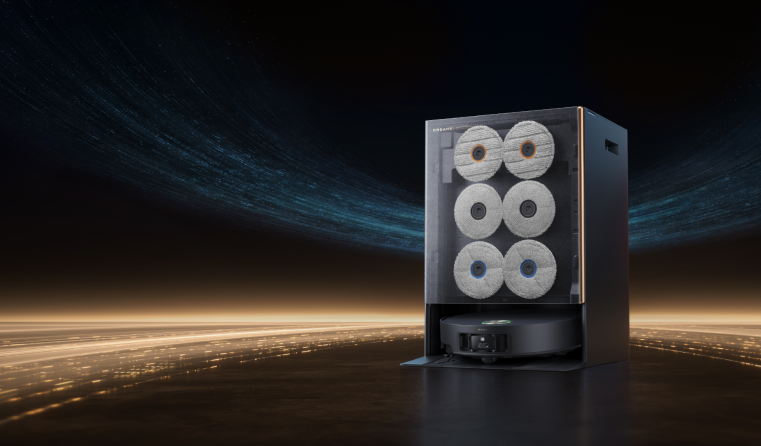
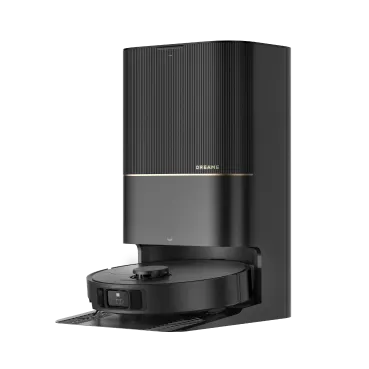
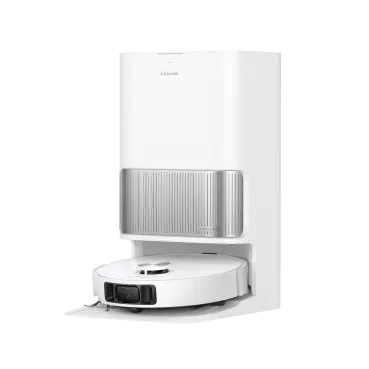
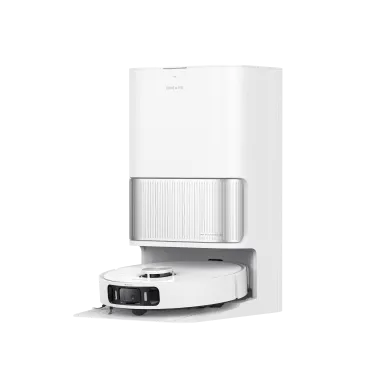
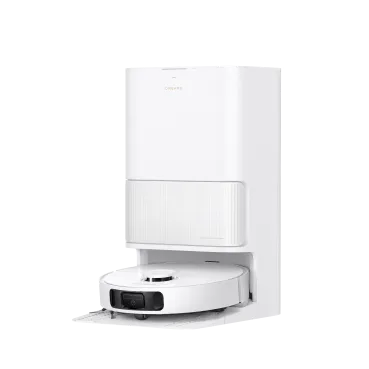
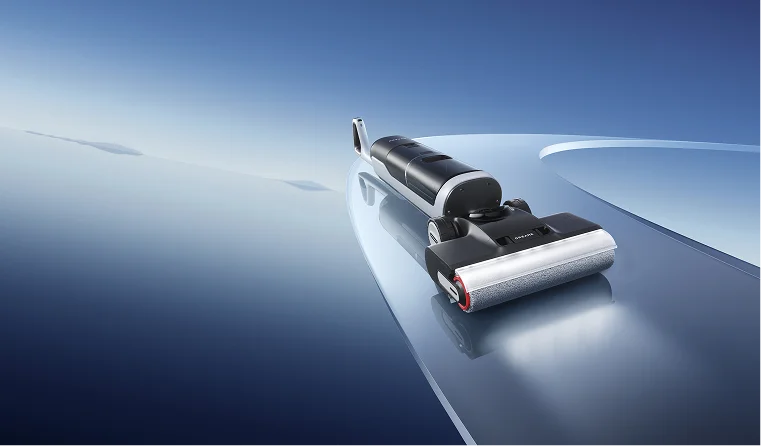
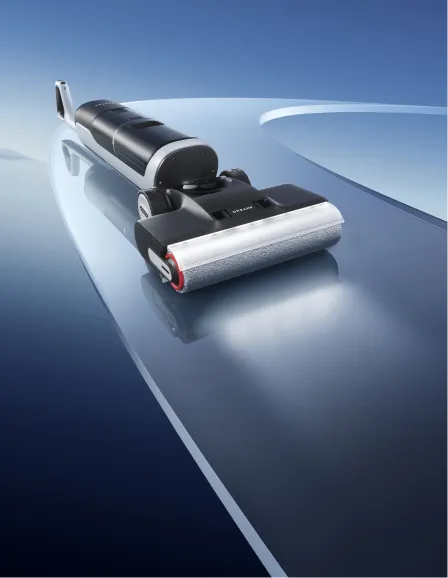
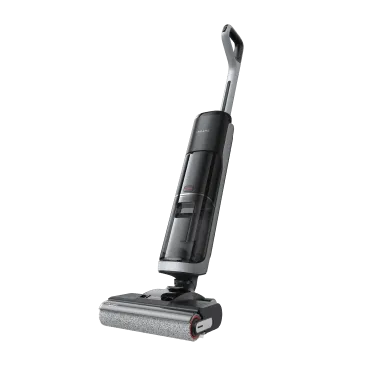
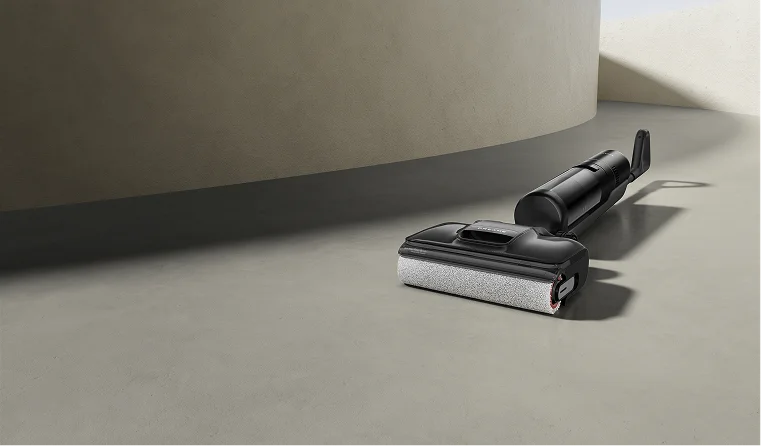
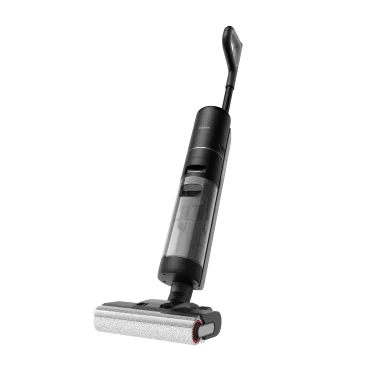
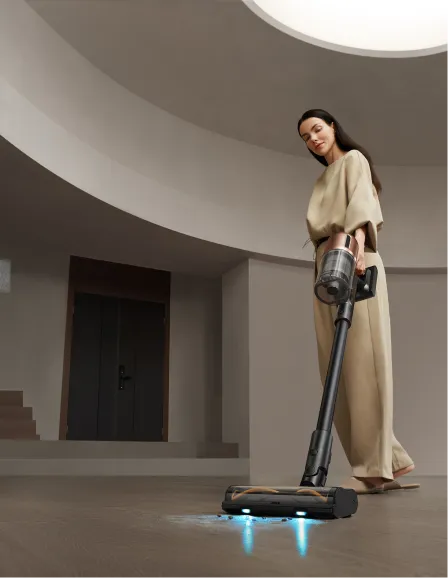
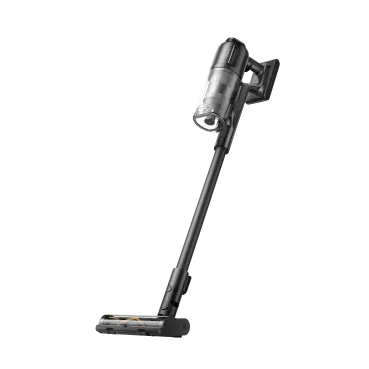
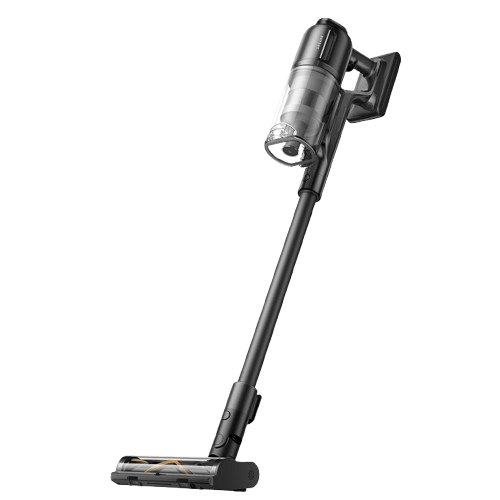
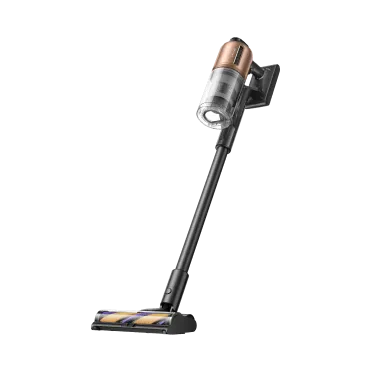
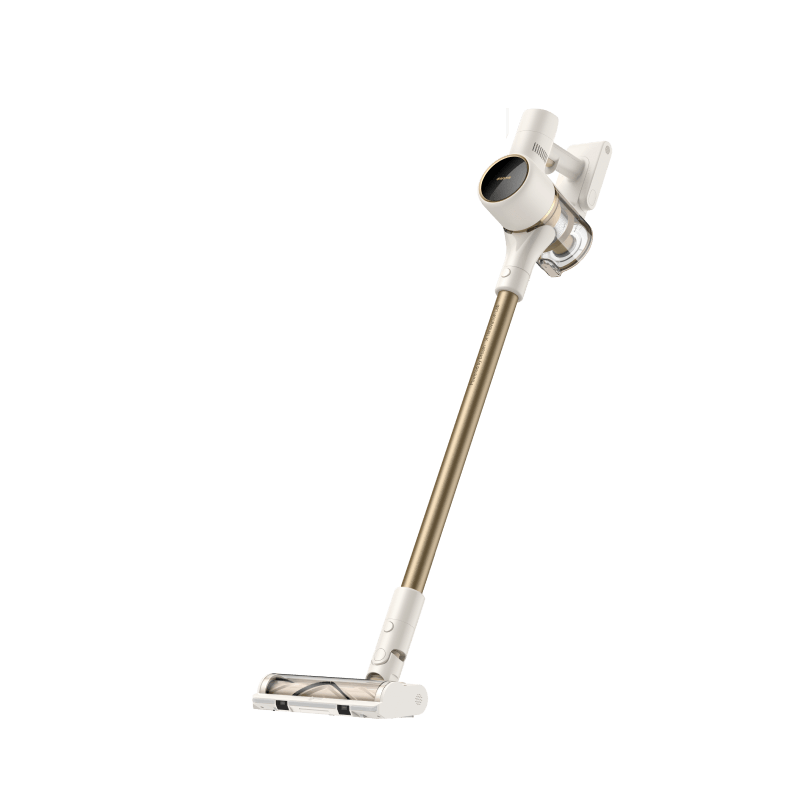
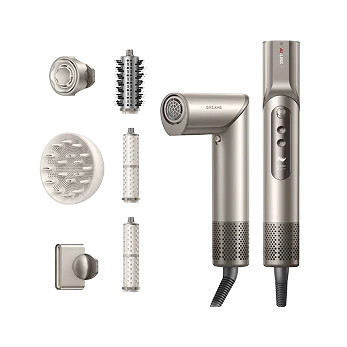
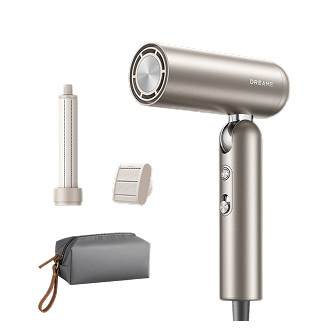
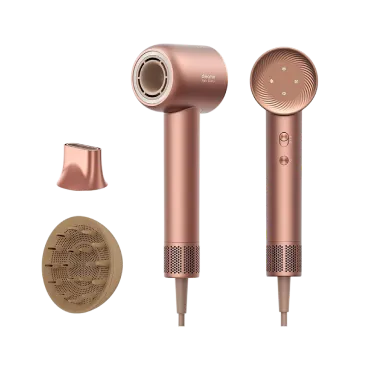
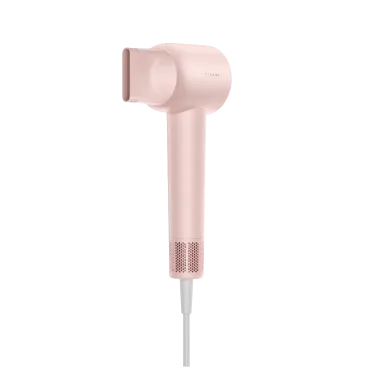
Choosing between H15 Pro (formerly H15 Pro Heat) and H15 Pro CarpetFlex comes down to your floors, your messes, and how hands-off you want cleanup to be. The H15 Pro was renamed H15 Pro in fall 2026, with its core cleaning features remaining unchanged. This quick guide frames the differences in plain English so you can pick with confidence. Quick Answer (TL;DR) Pick H15 Pro if your home is mostly hard floors and you want the fastest deep clean with real hot‑water floor washing, gap‑free edge cleaning, and the most automated self‑clean/dry routine. It’s a “showpiece” hard‑floor washer with advanced edge tech and app‑assisted under‑furniture navigation. Pick H15 Pro CarpetFlex if you live with both hard floors and rugs and want one device to handle wet hard‑floor messes and dry vacuuming on carpets (thanks to a dedicated Carpet Brush) plus MistLock dust suppression for allergy‑friendly cleanup. It’s the do‑everything choice for mixed flooring. Specs at a Glance If you only have a minute, this table shows the big levers: runtime, brush systems, edge tech, and cleaning temps. So you can match the model to your home. All performance figures are from Dreame in‑house/third‑party labs; actual results vary by home and usage. Feature H15 Pro H15 Pro CarpetFlex Floor types Hard floors focus Hard floors (wet/dry) + carpets (dry) Suction (rated) 22,000 Pa 23,000 Pa Runtime (max) Up to 72 min Up to 60 min Standout cleaning tech 85°C (185°F) hot‑water floor washing (approx. 55 °C / 131°F at floor) GapFree™ AI robotic arm for triple‑edge cleaning Dual Brush System (Hard Floor + Carpet)MistLock dust suppression Self‑cleaning ThermoTub™ 100°C (212°F) immersive brush wash; AI‑tuned cycles Up to 100°C (212°F) self‑clean (Hard Floor Brush hot‑wash / Carpet Brush cold‑wash) Drying 5 min at 90°C (194°F) super‑speed or 30 min 85°C (185°F) sealed drying; AI re‑dry Up to 90°C (194°F) full‑path hot‑air drying;~5 min quick‑dry (Hard Floor Brush) / ~20 min deep‑dry (Carpet Brush) Edge cleaning Yes Yes Under‑furniture 180° lie‑flat 180° lie‑flat Tanks 880 mL clean / 650 mL used (0.23 gal / 0.17 gal) 780 mL clean / 700 mL used (0.20 gal / 0.18 gal) Hair management TangleCut™ resilient scraper, validated tangle‑free in lab tests TangleCut™ 2.0 (15% denser comb teeth) Sensors/UI RGB dirt detection; Dreamehome app; GlideWheel™ power assist RGB dirt detection; LED + voice prompts; GlideWheel 2.0 assist Cleaning Performance Let's look at how each vacuum behaves with everyday debris, sticky spills, and those ‘why is this still here?’ spots. We focus on speed to clean, the residue left behind, and how finished your floors look after one pass. On Hard Floors (wet & dry) H15 Pro: If sticky spills and kitchen grease are your pain points, Heat is the standout. It rinses the roller with 85°C (185°F) hot water to wash floors at about 55°C (131°F), dissolving oily messes fast. Its GapFree™ AI robotic arm drops at the front to close the typical “dry strip,” enabling triple‑edge cleaning (front + both sides) and leaving nearly zero water stains in push‑pull passes under lab conditions. If you’ve ever chased wet lines along baseboards, this front‑edge tool is a real upgrade. H15 Pro CarpetFlex: CarpetFlex focuses on consistency and clean air. Its Hard Floor Brush continuously rinses at 480 RPM while suction removes dirty water immediately; MistLock lightly mists dust so it becomes damp waste instead of a cloud—handy for allergy‑sensitive homes. You don’t get Heat’s front robotic arm, so you’ll use slow parallel passes for edges, but everyday spills (juice, yogurt) and tracked‑in dirt are handled efficiently. Verdict for Hard Floors: Choose Heat for the fastest deep clean on sticky/greasy messes and the best front‑edge pickup; choose CarpetFlex if you value cleaner air during use/emptying and don’t need the robotic arm. On Carpets & Rugs (Dry Vacuuming) If rugs are part of your daily route, this section explains how both machines handle fibers, hair, and grit—and when a dedicated carpet brush truly makes a difference. H15 Pro: Optimized for hard floors. It brings strong suction (22,000 Pa) and hair‑cutting hardware, but it does not include a dedicated carpet brush. If rugs are occasional, Heat can spot‑vacuum; if rugs are routine, see CarpetFlex. H15 Pro CarpetFlex: Purpose‑built for mixed homes. You can swap to the Carpet Brush to lift grit from fibers, and the TangleCut™ 2.0 brush helps prevent wrap. With 23,000 Pa suction and a brush made for rugs, it’s the safer bet for regular carpet care. Verdict for Carpets: If you want one machine for hard floors and rugs, CarpetFlex is the clear pick. Hair & Pet Messes H15 Pro: 0 tangles across hair tests, minimizing hands‑on detangling. H15 Pro CarpetFlex: 15% denser comb teeth for better hair cutting—including dense pet fur. If you’re a multi‑pet household with rugs, the Carpet Brush + TangleCut 2.0 combo is very compelling. Edge Cleaning & Corners Edges are where most washers leave a dry strip. See how Heat’s robotic front arm compares with CarpetFlex’s careful, parallel edge passes. H15 Pro: The DescendReach robotic arm presses down on the pull‑back to wipe up residual water. In our tests, it showed near‑zero water stains compared with typical dual‑edge heads. If you care about baseboards and toe‑kicks looking bone‑dry right away, this is a meaningful difference. H15 Pro CarpetFlex: A strong standard head, but no robotic arm. Edges are best handled with controlled, parallel passes. Maneuverability & Under‑Furniture Reach A vacuum you have to wrestle with won’t get used. Here’s how they steer, lie flat under low furniture, and feel in the hand over long sessions. H15 Pro: GlideWheel™ power system does more than assist; it can lead the motion and even help the machine stand after shut‑off. Lay it flat at 180°, and, uniquely, you can drive it via the Dreamehome app to clean under low furniture (down to ~13 cm (5.1 in) body; 8.9 cm (3.5 in) head clearance). It’s a clever “hands‑off” trick for tight spaces. H15 Pro CarpetFlex: Also lies flat at 180°, and GlideWheel 2.0 keeps pushes/pulls light. There’s no app‑driving under furniture, but steering and day‑to‑day handling are much easier. Hygiene, Self‑Cleaning & Drying H15 Pro: Drying is sealed and hot, you can pick 5 min at 90°C (194°F) (quick) or ~30 min at 85°C (185°F) (default), and the system will auto re‑dry if humidity dampens the brush in standby. Heat can also electrolyze water to generate disinfectant during cleaning (lab‑validated effects on common microbes/viruses under test conditions). Drying noise is kept comfortable (lab‑rated ~63 dBA). This is the most “set‑and‑forget” maintenance package here. H15 Pro CarpetFlex: One‑button self‑clean with up to 100°C (212°F) hot‑wash (Hard Floor Brush) and full‑path hot‑air drying up to 90°C (194°F) for brush, pipes, and filter. Expect ~5 min quick‑dry for the Hard Floor Brush and ~20 min thorough dry for the Carpet Brush. Simple, fast, and quiet—keeps odors down and parts ready for the next session. Runtime, Tanks & Noise Runtime: Heat is rated up to 72 min; CarpetFlex up to 60 min (with ~3 h fast charging). In practice, heavy wet passes or Max mode reduce runtime on both models. Coverage & capacity: CarpetFlex notes up to ~300 m² (~3,229 ft²) on a charge in light/Auto use, with 780 mL / 700 mL (0.20 gal / 0.18 gal) tanks that reduce refills, while Heat features 880 mL / 650 mL (0.23 gal / 0.17 gal) water tanks Noise: Both moderate during cleaning; Heat’s sealed drying targets comfort levels during the post‑clean cycle. Which one should you buy? Choose H15 Pro if you: Have mostly hard floors and want the best finish along front edges/baseboards with near‑zero water streaks. Regularly face oil/grease and sticky messes and value hot‑water floor washing that breaks them down faster. Want the least maintenance fuss: immersive self‑wash, 5–30 min hot‑air drying, and smart re‑dry in humid climates. Love the idea of app‑assisted, lie‑flat cleaning under low furniture. Choose H15 Pro CarpetFlex if you: Live with hard floors + rugs and need one machine for wet hard‑floor cleaning and dry carpet vacuuming (dedicated Carpet Brush). Prefer cleaner air while you clean/empty—MistLock turns dust into damp waste to minimize airborne particles. Want strong overall suction and friendly upkeep with self‑clean and full‑path drying. Need clear guidance: LED + voice prompts, RGB dirt detection, and GlideWheel 2.0 for an easy push/pull feel. Read our review of the Dreame H15 Pro CarpetFlex to discover if this wet-dry vacuum is the right choice for you. FAQ Will H15 Pro work on rugs? Heat is optimized for hard floors; it doesn’t include a dedicated Carpet Brush. For regular rug cleaning, CarpetFlex is the better match. Which is better for allergies—Heat or CarpetFlex? CarpetFlex includes MistLock Dust Control, which mists fine dust so it sinks into the waste stream instead of the air—useful for allergy‑sensitive homes. Do both models self‑clean and dry the brush? Yes. Heat uses ThermoTub™ 100°C (212°F) immersive wash with 90°C/85°C (194°F/185°F) sealed drying (as quick as 5 min), plus smart re‑dry. CarpetFlex runs up to 100°C (212°F) hot‑wash (Hard Floor Brush) and up to 90°C (194°F) hot‑air full‑path drying with quick/thorough options. Edge cleaning: is the robotic arm worth it? If you notice a stubborn front gap with typical heads, Heat’s GapFree™ arm can make edges/baseboards look finished in one pass and reduce water streaks—great for kitchens and entryways. How about hair from pets or long-haired family members? Both cut hair as they clean. Heat’s TangleCut™ scraper is lab‑validated for 0 tangles; CarpetFlex’s TangleCut™ 2.0 has denser comb teeth for heavy‑shedding homes—especially effective when using the Carpet Brush on rugs. Bottom line Hard‑floor perfectionist? Go H15 Pro for hot‑water washing, robotic front‑edge cleaning, and the most automated hygiene routine. Mixed floors with rugs? Go H15 Pro CarpetFlex for the Carpet Brush, MistLock, and balanced, whole‑home versatility. How we tested We evaluate pick‑up on wet spills and dried stains, dry debris on wood/tile and rugs, edge pickup near baseboards, hair wrap on the brush, runtime by mode, and maintenance time (self‑clean + drying). We verify sensor behavior (RGB dirt detection) and note maneuverability (push/pull effort, under‑furniture reach). Specs and feature claims referenced here come from Dreame’s lab documentation.
Continue reading
Best Vacuum for Dog Hair on Hardwood Floors: 5 Picks

Best Vacuum for Dog Hair on Hardwood Floors: 5 Picks

Chris Zhang |
Dog hair on a hardwood floor doesn't settle in one spot. It sits loose on the surface and drifts, gathering into clumps under the sofa and along the baseboards, and a weak vacuum just pushes it around before it picks any of it up. That's why the best vacuum for dog hair on hardwood floors has to actually lift the hair, not just move it around. The right machine pulls that hair in without scattering it and reaches the edges where it piles up. It also cleans the paw prints and tracked-in grime a dry pass leaves behind. Here are five picks, sorted by different household situations. Best Overall for Dog Hair on Hardwood Dreame Pick: The X60 Ultra robot vacuum is a solid, all-rounder choice for handling dog hair on hardwood floors. Its 7.95cm body glides under the sofa where hair collects, and Dual Flex Arm Technology extends the side brush and mop to the baseboard line, so even hard-to-reach areas are all covered. The HyperStream™ Detangling DuoBrush 2.0 pairs two brushes that comb the hair loose and feed it straight into the suction path, so it lands in the dust box instead of wrapping around the roller. Backed by 35,000Pa Vormax™ suction, that combination lifts a drifting clump in one pass, and the mop follows at 40°C to wipe up the dirty paw prints left behind. [product handle="x60-ultra-robot-vacuum" slogan="Best Overall"] Also consider: Roborock is a well-known flagship alternative, and iRobot is a familiar name in shopping searches. Best Cordless for Daily Hair Pickup Dreame Pick: A robot vacuum handles the open floor, and the Z30 is the perfect companion for everywhere it can't reach, from the stairs to the sofa cushions. Its built-in pet brush head lifts fur off upholstery, and Enhanced Blue Light Dust Detection shows you the fine hair and dust that's easy to miss on a hardwood floor, especially if your pet's fur is a similar color to your wood. 310AW of suction pulls a hair clump up in one pull, and the XXL dust cup means fewer stops mid-clean, especially paired with its 90-minute runtime. To compare it with other capable models, browse the full range of cordless stick vacuums built for quick daily pickups. [product handle="z30-cordless-stick-vacuum" slogan="Best for Daily Hair Pickup"] Also consider: Dyson and Shark are familiar cordless names for pet hair, and Tineco is another cordless alternative. Best for Hair and Paw Prints Dreame Pick: In a home with pets, hair isn't the only thing you need to clean up, and the Aero Pro is built for the dirt and the dander that comes with a furry friend. It works as a vacuum and mop in one, lifting loose hair and dander while the roller washes the hard floor right behind it. Between runs, the dock self-cleans the roller with 90°C hot water, so every pass starts fresh. Its Advanced TangleCut™ 2.0 brush scrapes the hair off the roller as it spins, so it never winds into a rope of dog hair. The 9.86cm ultra-slim body lies flat at 180° to reach under low furniture, and 25,000 Pa of suction handles the wet and dry mess at once, with up to 60 minutes of runtime per charge. For more hard-floor options, browse the full range of wet and dry vacuums. [product handle="aero-pro-wet-dry-vacuum" slogan="Best for Hair and Paw Prints"] Also consider: Tineco is a known wet dry alternative, and Bissell is a familiar name in floor washers. Important: The wet function on the Aero Pro is for sealed hard floors only. On a rug or carpet, it dry-vacuums, because the roller can't pull moisture back out of the fibers and padding, which leaves the fibers soaked. Best for Hardwood with Rugs and Runners Dreame Pick: Rugs and runners trip up most robot vacuums in a hardwood home, and the Matrix10 Ultra is the pick built to clear dog hair off both surfaces. When it reaches a rug, the mop lifts 10.5mm clear of the pile, so rather than dragging a wet pad over your runner, it dry-vacuums the hair off the rug. On hardwood floors, 30,000Pa Vormax™ suction and the HyperStream™ Detangling DuoBrush System lift hair off the bristles and into the suction inlet so it doesn't knot around the roller, while SideReach™ Vacuuming and MopExtend™ RoboSwing reach the hair along baseboards and corners. On the mopping side, the Multi-Mop™ Switching Dock swaps mop pads for different floors, with a thermal pad for scrubbing dried-on messes, a nylon-bristle pad for kitchen grease, and a sponge pad for wet spills. If you're still undecided, our guide to the best robot vacuum for mixed floors breaks down what matters when hardwood meets carpet, from adaptive suction to mop-lifting. [product handle="matrix10-ultra-robot-vacuum" slogan="Best for Hardwood with Rugs"] Also consider: Shark is a familiar mixed-floor alternative, and Roborock is a premium option in the same category. Best Budget Robot Vacuum for Daily Hair Pickup Dreame Pick: Not every home needs a camera-led flagship, and the D20 Pro Plus keeps things simple. HyperStream™ Detangling DuoBrush handles the daily layer of hair on hardwood without tangling, and SideReach™ Vacuuming extends the side brush into the right-angle corners and narrow gaps a round body would otherwise skip, so hair doesn't get left at the edges. 13,000Pa Vormax™ suction handles daily dust and pet hair without fuss. The trade-off is a simpler navigation system rather than an AI camera, so you'll need to clear cords and small toys off the floor first. Its 150-day hands-off dust collection means you rarely think about emptying it. With a price of just $749.99 CAD, it's a budget-friendly choice for hard-floor homes. [product handle="d20-pro-plus-robot-vacuum" slogan="Best Budget for Daily Hair Pickup"] Also consider: eufy is a popular budget alternative, and iRobot is a well-known entry-level name. What to Look For in a Vacuum for Dog Hair on Hardwood Floors What matters most in a vacuum for dog hair on hardwood isn't the most powerful suction but how well it handles hair that drifts and piles on a hard floor. Here are five important considerations when picking the right vacuum for dog hair on hardwood floors. Airflow that lifts hair instead of scattering it On a robot or wet dry vacuum, look for suction between 13,000Pa and 35,000Pa, enough to lift a drifting hair clump on hardwood in one pass. A cordless stick measures suction in air watts instead, so look for at least 150AW. Anything below it just chases the fur around. A brush that resists tangles and protects the finish On hardwood, look for a soft-roller or anti-tangle brush that feeds hair into the suction without winding around the roller or scratching the finish, so you empty the bin instead of cutting hair off by hand every week. Edge and under-furniture reach Hair on hardwood gathers along baseboards and under low furniture, and a robot vacuum reaches those spots with an extending arm and a slim body. A wet/dry that lies flat at 180° slides beneath the sofa, while a cordless uses a crevice tool where a full head won't fit. Whether you also need mopping Vacuuming clears the hair, not the tracked-in grit and paw prints that dull a hardwood floor over time, and a machine that mops in the same pass saves a second lap with a bucket. Some mop with heated water too, around 40°C on a robot vacuum or up to 85°C on a hot-water wet dry model, which loosens dried-on paw prints a cold pad only smears. Bin or dock capacity sized to shedding A shedding dog fills a small dust cup fast, so a cordless with a cup around 0.8L means fewer mid-clean stops, while a robot vacuum's self-emptying dock can hold up to 150 days of dirt before you touch it. Pro-tip: On hardwood, run the vacuum in one direction along the boards rather than back and forth. Hair sits in the seams between planks, and a single directional pass lifts it instead of pushing it along the groove. For matching a machine to your mess beyond hardwood, our guide on how to choose a pet hair vacuum helps you pick the type that fits your home, from couch hair to wet paw prints. Why Dog Hair Behaves Differently on Hardwood On hardwood, there's nothing for dog hair to grab onto, so static and the smallest air current keep it moving. A footstep or the AC kicking on is enough to send a clump drifting to the far side of the room. All that movement is what makes the hair hard to pin down, settling into the seams between planks and clinging through static to baseboards a floor pass never reaches. The hair isn't the full picture either. Paw prints and fine grit leave a dull film on the finish, and only a damp wash lifts it. Dreame Take: The hair that's hardest to clean is usually tucked along the edges and wound around the brush, where most vacuums miss. Dreame designs seamless reach and tangle resistance as basics rather than flagship perks, building them across its range so a home with pets gets real cleaning. Technique matters as much as the machine here, which is why our guide on whether you can vacuum hardwood floors covers the soft-roller heads and clean wheels that keep grit from scratching the finish. How Dreame Tests Vacuums for Pet Hair Pet hair mats and tangles a brush in ways human hair doesn't, and Dreame tests for that difference directly instead of assuming one hair test covers both. Every roller brush, on a robot vacuum or a cordless stick, runs against a blended mix of hair lengths built to mat and tangle a poorly designed brush, with pet fur worked into that mix because it's finer and denser than human hair. After each run, engineers weigh the hair left behind, both in the dust bin and caught around the brushes, giving a hair-tangling rate rather than just a cleaning score. A vacuum that pulls hair into the bin and keeps its brush clear scores better than one that only pushes it around the floor. Our full breakdown of how Dreame tests robot vacuums walks through the tangle-rate method and the rest of the scoring in detail. For wet dry vacuums, the same hair runs wet and dry through the brush system across repeated rounds, checked for tangles after every pass, since a brush that clogs during a coat blow fails a pet household even if it handles a single mess fine. Choosing the Best Vacuum for Hardwood Floors and Pet Hair As this guide has laid out, clearing dog hair on hardwood starts with strong suction and an anti-tangle brush, and every pick above has both. From there, the choice is about what other features you want, so browse all our robot vacuums to see every series in one place. Reach matters just as much, since fur drifts to the edges and under furniture, so look for an extending arm or a slim body that gets into those spots. If pet hair is your main concern, shop our robot vacuums for pet hair to narrow down the models built for it. And if you're still torn between two, compare our robot vacuum models side by side before you buy. Frequently Asked Questions What is the best way to clean dog hair off hardwood floors? The best way is to use a vacuum that traps fine dust, fitted with an anti-tangle brush, and run it often enough that hair never piles up. Follow with a damp pass for the paw prints, since a dry mop just moves hair around instead of lifting it. What is the best vacuum cleaner for removing dog hair? It's the one that keeps hair off the brush roll and holds enough that you don't have to empty the bin mid-clean. The picks above cover it at every budget. Do pet hair vacuums really work? Yes, as long as it has the right brush and filtration. A vacuum built for pet hair uses an anti-tangle brush to keep hair off the roller and stronger filtration to hold the fine dust rather than blow it back into the room. Will a vacuum scratch my hardwood floors? No, not under normal use. The real risk is grit already on the floor getting dragged around, so vacuuming more often actually helps, not less. Our guide on whether robot vacuums are safe for wood floors covers moisture and scratch risks, plus the features that guard against them. Do I need a mop as well as a vacuum for dog hair on hardwood? Not for the hair alone, no. For the paw prints and grime left behind, yes, and a machine that vacuums and mops in one pass saves the second lap with a bucket. How often should I vacuum hardwood floors with a shedding dog? Every day or two during shedding season, and twice a week otherwise. Hair on hardwood clumps and travels, so a short daily run beats one long weekly clean, which a scheduled robot vacuum handles on its own.
Continue reading
Best Vacuum Mop Combos of 2026

Best Vacuum Mop Combos of 2026

Dreame Editorial Team |
A good vacuum mop combo is efficient because it performs two tasks in one pass: it collects crumbs and pet hair while also wiping away sticky residue. This means you won't need a bucket, won't have to wring out a mop head, and won't have to clean the same floor twice. The best models even wash their own brushes after every clean, which saves you from bending over a sink to scrub a wet roller before your next cleaning session. Below, we've organized our recommendations based on the specific cleaning challenges you face at home, so you can easily find the right one for your floors. Best Overall Vacuum Mop Combo Dreame Pick: The Aero Pro vacuums and mops without running the floor twice, then self-cleans and flash-dries so the floor is walkable in minutes. At 9.9cm slim, it gets under your furniture without you needing to move anything, and 25,000 Pa suction lifts dry debris before the roller mops the floor. TangleCut™ 2.0 keeps the brush clear of hair, and its 60-minute runtime covers most homes on one full charge. Dock it afterward, and 90°C hot self-cleaning with 95°C flash drying leaves the roller clean and dry in 5 minutes. Dreame Take: A vacuum mop combo should leave the floor dry enough to walk on within minutes. Hot self-washing and fast drying make that possible, and the Aero Pro delivers both. [product handle="aero-pro-wet-dry-vacuum" rating="4.9" slogan="Editor's Pick"] Also consider: Tineco, one of the more established names in cordless floor washing. Dyson has a strong reputation in premium home cleaning, and Shark offers a wide range of floor-care options across most major retailers. Best Vacuum Mop Combo for Pet Hair Dreame Pick: If you have a heavy shedder at home, the H15 Pro CarpetFlex is your new best friend for dealing with pet hair. TangleCut™ 2.0 Resilient Scraper smoothly collects hair without getting tangled, so you won't have to worry about the shedding season slowing you down. Its SmoothGlide feature makes it super easy to push across different surfaces. Its MistLock Dust Control System captures pesky dander and fine dust particles, keeping your floors fresh and clean. It boasts an impressive suction power of 23,000 Pa and offers up to 60 minutes of runtime on a single charge, which is plenty of time to tackle most homes. And with its quiet full-path drying that reaches 90°C, you can run it at night without waking anyone up. Important: Use wet mode only on sealed, water-resistant hard floors. Unsealed or waxed wood can absorb water and warp, so dry vacuum those areas instead. [product handle="h15-pro-carpetflex-wet-dry-vacuum" rating="4.5" slogan="Best for Pet Hair"] Also consider: Tineco has built a solid following in the cordless floor-washer space. Shark is another familiar option with models spread across different price points. Best for Kitchens and Sticky Spills Dreame Pick: If your kitchen floors tend to accumulate grease and dried spills, the H15 Pro (previously H15 Pro Heat) is designed specifically for that purpose. It operates at 85°C to dissolve sticky messes while cleaning, then uses a self-cleaning function at 100°C afterward, ensuring the roller remains fresh and odor-free. Grease often builds up in tight corners and along edges near kitchen counters and appliances. Fortunately, the GapFree™ AI DescendReach Robotic Arm automatically reaches these areas. For cleaning under cabinets and the kitchen island, the 180° lie-flat design allows the device to slide in easily, while the brush remains tangle-free throughout the entire cleaning process. With a full charge, the H15 Pro can cover over 520 m², making it suitable for cleaning an entire kitchen and living area. [product handle="h15-pro-wet-dry-vacuum" slogan="Best for Kitchen"] Also consider: Tineco is a popular choice for cordless floor washing. Bissell has been around in the floor care industry for a long time and offers a broad selection of cleaning machines. Best Value Vacuum Mop Combo Dreame Pick: The Dreame H14 Pro covers the floor-washer essentials at a price well below the flagship models: 180° lie-flat reach and a hot-water self-clean built in. It gets under furniture and into tight spaces, so you cover more floor without stopping, and a 60°C hot-water brush wash with dual hot-air drying leaves the roller clean after every run. In low light, the illuminated brush head helps you catch dust and spills before you mop them up. One fill of cleaning solution lasts about a month, with Smart Ratio Cleaning Solution dosing it automatically. You can adjust settings from your phone with Smart App Control. [product handle="h14pro-wet-and-dry-vacuum" rating="4.9" slogan="Best Value"] Also consider: Bissell is a long-established floor-care brand with a reputation for accessible pricing. UWANT is a newer name in the floor-washer category that has been picking up attention recently. Vacuum Mop Combo vs Owning a Vacuum and a Mop If you need to run a vacuum and then a mop to clean your floors, the task takes twice as much time and effort and leaves you with a wet mop bucket to deal with afterward. A 2-in-1 vacuum picks up dry debris and washes the floor at the same time, so your floor is clean without needing a second tool or a mop bucket. However, you'll want to check the type of flooring before switching. Vacuum mop combos are designed for wet cleaning sealed hard floors such as tile, vinyl, laminate, and sealed wood. On carpeted surfaces, they function only as dry vacuums, so if deep carpet covers most of your home, a dedicated vacuum is still worth keeping for those areas. Pro tip: When dealing with heavy crumbs or cereal, do a quick dry pass before switching to wet mode to keep your floor cleaner. How to Choose a Vacuum Mop Combo? Your floor type is a good place to start, since it tells you straight away whether a vacuum mop combo suits your home. After that, the right pick comes down to what your day-to-day looks like. Start with your flooring type If most of your home is sealed hard floors, such as tile, vinyl, laminate, or sealed wood, a vacuum mop combo is likely a great fit. However, if thick or deep-pile carpets occupy a significant amount of space on your floors, you may want to keep a dedicated vacuum for those areas and let the combo handle your hard floors. Look at how it self-cleans After every clean, vacuum mop brush picks up grime, hair, and moisture. If those stay in the roller, the machine starts to smell quickly. A model that self-cleans with hot water at 90°C or above rinses the brush thoroughly and keeps it odor-free, and quick drying after the cycle means it is always ready when you need it. Think about hair and brush handling Hair wrapping around the roller is one of the most common frustrations with floor washers, especially if you have pets or long hair in the house. An anti-tangle brush moves hair through the vacuum mop combo automatically, so you can finish your clean without stopping to clear the roller by hand. If your home experiences heavy shedding seasons, this is one of the more important things to check when comparing models. Factor in runtime and reach Most homes need around 45 to 60 minutes of runtime to cover the main living areas comfortably, so that is a good baseline to check against your home's size. You will also want to see whether the 2-in-1 vacuum can lie flat enough to slide under sofas and low furniture, and how well it reaches tight corners near counters and appliances. This guide on what is a wet dry vacuum covers the 2-in-1 vacuum and mop category in more detail if you want to explore further. If you are weighing a vacuum and mop combo against a robot vacuum, we also have a guide on wet dry vs robot vacuums that breaks down which option suits which home better. How Dreame Tests Wet Dry Vacuums A wet dry vacuum gets judged on two jobs at once: how well it cleans your floor, and how well it cleans itself. Dreame's lab tests both. Floor cleaning starts with engineered messes. Lab technicians work butter, olive oil, and ketchup into hard flooring, then measure how much lifts in a single pass. A robotic-arm streak test follows, pushing and pulling the machine across the floor and measuring the water residue left behind after each round. Hair handling gets the harshest treatment. Repeated rounds of wet and dry hair are fed through the brush system, with the brush inspected for tangles after every round. Self-cleaning is tested as its own discipline. The lab coats the roller in sauce and pet hair, runs the one-press self-clean cycle, then tears down the brush head to inspect the interior. Thermocouples confirm the drying temperature, and sound meters confirm the dryer stays quiet enough to run at night. One honest limit shapes the testing: on carpet, these machines dry-vacuum only. Pulling liquid out of carpet is a job for a different machine category, and Dreame's guidance reflects that. Dreame also works with independent third-party testing organizations, including TÜV SÜD, to verify performance on specific models. Find A Vacuum Mop Combo Right for Your Home If your home primarily consists of hard floors, the Aero Pro is an excellent choice for a thorough clean. For homes with heavy shedding or pets, the H15 Pro CarpetFlex is a more suitable option. If you frequently face grease and dried spills in your kitchen, the H15 Pro stands out as the ideal solution. Meanwhile, the H14 Pro offers similar core features and performance at a more budget-friendly price point. Browse our wet dry vacuum collection to compare them side by side and find the right fit for your home. Vacuum Mop Combo FAQs Does a vacuum mop combo really replace a vacuum and a mop? On sealed hard floors, yes. A vacuum mop combo picks up dry debris and mops at the same time, so you cover the whole floor without a second tool or a mop bucket afterward. For deep carpet, a dedicated vacuum is still worth having, since these machines only dry-vacuum carpet. Can a vacuum mop combo clean carpet? A vacuum mop combo can dry-vacuum carpet, though they are designed primarily for sealed hard floors. If deep or thick-pile carpet covers most of your home, a dedicated vacuum will do a more thorough job on those areas. On your hard floors, a vacuum mop combo handles vacuuming and mopping at the same time. How do vacuum mop combos compare to steam mops? Steam mops and vacuum mop combos are two distinct categories. The picks here use hot water to lift grime, which is safe to use on tile, vinyl, laminate, and sealed wood. Steam cleaning suits specific surface types, so you will want to check your floor type before deciding between these two options. Are vacuum mop combos good for pet hair? A vacuum mop combo works well for pet hair as long as it has an anti-tangle brush. A tangle-resistant roller moves hair through the system automatically, so you get through a full clean without stopping to clear the brush by hand. If your home goes through heavy shedding seasons, that feature is worth prioritizing when comparing models. How do you clean a vacuum mop combo? You can run the self-cleaning cycle and empty the dirty-water tank after each cleaning as part of the vacuum mop combo's upkeep. You'll also want to let the brush air-dry fully afterward to keep the roller fresh and prevent odor from building up over time. Should I choose a cordless or corded vacuum mop combo? A cordless vacuum mop combo gives you the freedom to move around your home without managing a cord, and the picks covered in this blog run around 60 minutes per charge, which covers most homes comfortably. Corded models offer unlimited runtime, which suits very large spaces. The cordless runtime is plenty for most cleaning runs in an average home.
Continue reading
How to Clean Baseboards (Without Bending Over): Easy Methods

How to Clean Baseboards (Without Bending Over): Easy Methods

Dreame Editorial Team |
Cleaning baseboards usually means a bucket of soapy water and an hour on your hands and knees, moving room to room. If your back or knees have had enough of that, there's an easier way, especially with a slim cordless vacuum that reaches the wall-floor edge while you stay standing. This guide covers how to clean baseboards without all the bending, plus what tools work best and how often to do it. How Often Should You Clean Baseboards How often you should clean your baseboards comes down to a simple routine: dust weekly and damp-wipe monthly. A proper deep clean once or twice a year takes care of the rest. Weekly dusting is key. Dust collects quickly along the seam where the wall meets the floor. If left unchecked, it mixes with moisture and forms a sticky film that's tough to remove. A quick pass with a vacuum brush attachment or microfiber duster each week prevents dust from settling in. Monthly damp-wiping takes care of scuffs and marks that dusting alone can't remove. For most homes, this routine is all you need. If you have pets, kids, or hardwood floors near a busy entryway, consider damp-wiping every two weeks. Pet hair and outdoor debris can accumulate along baseboard edges faster than regular household dust. What You Need to Clean Baseboards Most of the frustration with cleaning baseboards comes from using a wet cloth on dusty surfaces, which just smears the dust into a paste. Here's a list of what you need to clean baseboards more efficiently: A vacuum with a soft brush attachment or a slim cordless vacuum for the weekly dust pass. A microfiber cloth for damp-wiping (microfiber traps dust instead of pushing it around). A long-handle mop or extendable duster for attaching your microfiber cloth. A small bucket of warm water with a drop of dish soap for the monthly wipe-down A dryer sheet to run along clean baseboards for an anti-static finish. A magic eraser for scuff marks (to be used sparingly). Avoid using vinegar on painted baseboards, especially those with glossy or low-VOC finishes. It can dull the sheen over time. Instead, stick to dish soap and warm water, which clean effectively without risking damage to the paint. For homes with carpet running up to the baseboard, this guide on how to choose and use a wet and dry vacuum cleaner for carpets covers how to handle both. Pro-tip: If your vacuum has a soft brush attachment, use it. Stiff bristles can scratch painted finishes over time, especially on satin or gloss trim. A soft brush gently lifts dust without leaving marks. How to Clean Baseboards Without Bending Over (The Easy Method) The fastest way to clean baseboards without bending over is with a slim cordless wet and dry vacuum that lays flat along the wall. No kneeling, no buckets. The full job takes about 15-20 minutes for an average home. Here's the step-by-step: Clear the baseboard area: Push out any chairs, dog beds, or rugs that block the wall-floor seam. Drop the vacuum to its lay-flat position: A slim vacuum that drops to 180° reaches under furniture you can't move, like sofas, bed frames, and dressers. Work room-by-room along the wall edge: Move at a normal walking pace. The vacuum's edge brush catches dust at the wall-floor seam as you go. Spot-treat scuffs as you go: Use a damp microfiber pad on a long-handle mop for the wipe stage; no kneeling needed. Finish with a dryer sheet pass: Optional, but a quick wipe with a dryer sheet leaves an anti-static layer that delays the next round of dust. This is where a slim cordless wet and dry vacuum is worth having in your home. The Dreame Aero Pro lays completely flat at 180° to glide along baseboards under sofas and bed frames, and its edge-to-edge brush reaches the wall-floor seam where dust collects. At 3.88in (9.9 cm) tall and lightweight, it's the kind of cleaning device that doesn't require you to bend over while cleaning. The 25,000 Pa suction pulls dust out of the corner where the baseboard meets the floor, not just off the surface. TangleCut™ 2.0 keeps long pet hair from wrapping the brush, which matters if you have a shedding dog and you've been avoiding cleaning your baseboards because of how much hair is hiding down there. This method works for bad backs, post-surgery recovery, and any time kneeling isn't an option. The lay-flat reach also gets the head under furniture, so the hidden stretch of baseboard behind sofas and beds gets cleaned in the same pass. [product handle="aero-pro-wet-dry-vacuum" rating="4.9"] The Traditional Hands-and-Knees Method If you don't have a slim cordless vacuum or you prefer a hands-on deep clean once a year, the traditional hands-and-knees method still works. Here's the cleaning order that gets the best result. Start with a dry pass: Use a vacuum brush attachment or a microfiber duster to lift all the loose dust off the baseboard. Skipping this step may turn the next one into a smear job. Wipe with warm soapy water: Use a few drops of dish soap in a bucket and a microfiber cloth. Wring the cloth between sections so you're not pushing dirty water around. Work the top, face, and bottom edge of the baseboard one room at a time. Tackle scuffs separately: A magic eraser handles black shoe marks and dog leash drag marks. Use it on the marks themselves, not as a general wipe. Dry-buff with a clean microfiber: Water spots can show up if you let the soap dry, especially on white or glossy baseboards. A quick dry pass prevents this. Optional dryer sheet finish: Run a sheet along the dry baseboard to leave an anti-static layer that prevents dust from building up. This method is more thorough but harder on the body. For a once-a-year deep clean, it's worth the effort. For weekly maintenance, the no-bending cleaning method with a slim cordless vacuum can deliver the same result in a fraction of the time. Cleaning White and Painted Baseboards White and painted baseboards need a lighter touch than other surfaces. Cleaning them is easy, but keeping the paint intact is where most people get it wrong. For routine cleaning, dish soap and warm water are the safest bet. Avoid vinegar, ammonia-based cleaners, and bleach on painted baseboards. All three can break down paint finishes over time, especially on glossy or semi-gloss trim. If your white baseboards have yellowed, it's almost always from sun exposure or smoke, not dirt. Cleaning won't fix it. A fresh coat of paint is the only real answer. To clean baseboards without damaging the paint, remember this rule: blot, don't soak. The cloth should be damp, not wet. Excess water along the wall-floor seam can seep behind the baseboard and cause the paint to lift at the edges. Using a lightly dampened cloth and a gentle touch will help keep the paint intact. Important: Magic erasers are mildly abrasive. They work for scuff marks but can dull glossy paint with repeated use. Use them only on the marks themselves, not as a general-purpose wipe. Test in a hidden spot first if you've never used one on your baseboards. How to Keep Baseboards Cleaner for Longer Clean baseboards collect dust within days, but two habits stretch that out for weeks: a daily robot vacuum run that clears dust before it reaches the wall, and a dryer-sheet wipe that leaves an anti-static layer. Run a robot vacuum daily on hard floors. It catches loose debris before it settles into the wall edge, which is where most baseboard dust comes from. This one habit does more to keep baseboards clean than any product will. Use the dryer sheet trick. After each baseboard cleaning, run a dryer sheet along the surface. The anti-static layer slows how fast dust builds back up, usually by a week or two. It doesn't replace cleaning, but it buys you more time between cleans. Door mats help too. Most baseboard grime comes from outdoors, like dirt off shoes, mud off paws, and grit off bags set by the door. A coarse outside mat plus a soft inside mat catches most of it before it ever reaches a baseboard. Cleaning baseboards in carpet-heavy homes require a different approach. Carpet traps dust before it moves to baseboards, but pet hair builds up at the carpet-baseboard seam in a different way. The blog, 7 Carpet Cleaning Tips, covers how to clear that seam buildup. For tile or LVP, dust builds up faster at the edge of the wall. Our how to clean and mop tile floors guide explains easy techniques to keep your floors and baseboards cleaner together. Dreame Take: The reason baseboards get dusty is that hard floors throw dust into the air, which settles at the edge of the wall. A robot vacuum running daily reduces dust accumulation. If you've been cleaning baseboards every two weeks and they still look dirty, the answer is more floor cleaning. The Future of Hands-Free Cleaning: Robot Vacuums with Arms Cleaning baseboards without bending over gets easy once you combine the right tool with a daily habit. A slim wet and dry vacuum that lays flat clears the dust along the baseboard in minutes, and a robot vacuum running daily cleans the dust before it even reaches the baseboard. Do both and your baseboards stay clean without the kneeling or the sore back. Robot vacuums are already closing in on the baseboard itself. Some newer models feature robotic arms that dust along walls and trim, reaching surfaces a flat-bodied robot vacuum can't. This robot vacuum arm guide covers how that technology is developing and what it means for the way homes will get cleaned in the next few years. Browse the Dreame wet and dry vacuum collection to find the model that handles your floors and your baseboards in one pass. Frequently Asked Questions What's the easiest way to clean baseboards? A slim cordless or wet and dry vacuum with an extension and edge attachment. No kneeling, no buckets, full reach in minutes. For deep cleans, follow up with a damp microfiber cloth. Should I dust or wipe baseboards first? Dust first, always. Wiping dusty baseboards smears the dust into a paste that's harder to remove than the original layer. Vacuum or dust first, then damp-wipe if needed. Does the dryer sheet trick really work? Yes, but for prevention more than cleaning. After baseboards are clean, wiping with a dryer sheet leaves an anti-static layer that delays the next dust accumulation by about 1-2 weeks. Can vinegar damage painted baseboards? Yes, on poorly sealed paint or stained wood. Vinegar's acidity can dull or strip finishes over time. Test in a hidden spot first. Dish soap and warm water are the safer choices for most painted baseboards. How often do most people actually clean baseboards? Most households only clean baseboards during seasonal deep cleans. You can dust them weekly or do a monthly damp-wipe. This routine works fine if a robot vacuum is running daily, since consistent floor cleaning prevents dust from accumulating.
Continue reading
Best Prime Day Wet Dry Vacuum Deals 2026

Best Prime Day Wet Dry Vacuum Deals 2026

Dreame Editorial Team |
The best Prime Day vacuum deals hiding in plain sight are the wet dry vacuums. This is a category that doesn't often go on deep sale, so up to 35% off during Prime Day is a genuine window, and far fewer shoppers are competing for stock. If you have hard floors and you're tired of vacuuming and then mopping, this is the year to grab one. Here's which models are worth it, when to buy, and how to get the most for your money. Why Wet Dry Vacuums Are the Most Overlooked Prime Day Deal Wet dry vacuums fly under the radar at Prime Day, and that's exactly why they're worth a look: fewer shoppers means less competition for limited stock and more room to land the model you want. A wet dry vacuum vacuums and washes your hard floors in one pass, so it replaces two chores at once. During Dreame's event, the Prime Day wet dry vacuum deals run up to 35% off. What a Wet Dry Vacuum Actually Does A wet dry vacuum vacuums up dry debris and washes your floors with water at the same time, in a single pass. Think of it as a vacuum and a mop fused into one upright machine, with a clean-water tank and a separate dirty-water tank so you're never pushing grimy water around. When you're done, most models run a self-cleaning cycle that rinses the roller for you, so there's no hand-washing a mop head. It's built for hard floors: tile, vinyl, LVP, sealed hardwood, and laminate. For a fuller rundown, here's what a wet dry vacuum does start to finish. Our Top Wet Dry Vacuum Picks for Prime Day 2026 Here's the shortlist worth your Prime Day budget. Aero Pro, the best all-rounder. If you want one vacuum that handles almost everything, start here. It pulls 25,000 Pa of suction and runs the strongest anti-tangle system in the group, TangleCut™ 2.0, which cuts hair as the roller spins so it doesn't wrap into a mess after a week with a shedding dog. Its slim 3.88in body lies nearly flat to reach under beds and sofas, runs up to 60 minutes, and rinses its own roller with a 194°F (90°C) hot-water self-clean. No app, no hot-water floor washing, just strong everyday cleaning. [product handle="aero-pro-wet-dry-vacuum" rating="5"] H15 Pro Heat, the best for deep cleaning. This is the one for sticky kitchen messes and homes that want sanitized floors. It cleans with 185°F (85°C) heat that melts sticky messes in seconds, then self-cleans its own roller at 212°F (100°C) so it stays hands-free and odor-free between uses. Also it earned a CES 2026 Innovation Award. [product handle="h15-pro-heat-wet-dry-vacuum" rating="4.7"] Aero, the best value entry. Want the core wet dry experience without the extras? The Aero brings the same 25,000 Pa suction and TangleCut™ 2.0 anti-tangle as the Aero Pro in a simpler package - with about 35 minutes of runtime. For a smaller home or a first wet dry vacuum, it's the great option. H14 Pro, the best mid-range with self-clean. A 180° lie-flat body, app control, and a 60°C (140°F) hot-water brush wash. Its heat goes to the brush, not the floor, so it washes with cool water: a daily workhorse rather than a hot-water deep cleaner. When to Buy: Pre-Launch vs Main Sale Dreame's wet dry deals step up in two phases. From June 2 to June 22, the pre-heating window runs up to 26% off, with early access and member perks. From June 23 to June 30, the official Prime Day sale jumps up to 35% off, with the LIVE event on June 25 at 4 PM dropping surprise bundles during the broadcast. The 35% main-sale price is the better headline number. The catch is stock: the most popular models can sell out once the main sale goes live, so a slightly smaller pre-launch discount on a vacuum you can actually buy beats a deeper discount on one that's gone. Pro-tip: If you've got your eye on a limited-stock model, grab it in the pre-heating window. A 35% discount means nothing if it's sold out by the time the main sale starts. What to Look for in a Wet Dry Vacuum at Prime Day Pricing Five things separate a wet dry vacuum worth buying: suction, hot versus cold water, anti-tangle brush design, lie-flat reach, and self-cleaning. Here's how to weigh them against the discount. Suction decides how well it lifts stuck-on debris in one pass, and more matters if you cook a lot or have pets. Hot-water washing dissolves grease and sticky spills that cold water spreads around, so it's worth paying up if your kitchen sees real action. An anti-tangle roller saves you from cutting hair off the brush every week, which matters most in pet homes. A 180° lie-flat body reaches under furniture that traditional stick vacuums can't. And a self-cleaning dock means you're not hand-rinsing a dirty roller after every use. Deciding between cleaning tools? Here's wet dry vacuum vs steam mop if you're weighing the two, and you can browse the full wet dry vacuum collection to compare models side by side. What You Get Buying Your Wet Dry Vacuum Direct From Dreame Buying direct at Dreame site sets you up for the long haul, not just the checkout. Buying from Dreame means easy access to genuine parts, accessory bundles, and 20% off accessories during the event. You also get full warranty coverage and product registration handled in one place, plus member perks like points and an extra member discount the marketplace doesn't stack. A deals roundup can point you to a price, but it can't hand you the parts, warranty, and bundles you'll want six months in. See the Dreame membership perks and the Prime Day wet dry vacuum deals to set yourself up properly. Dreame Take: Buying direct keeps your warranty, genuine parts, and accessory bundles in one place, which is what saves you money once the vacuum is part of your weekly routine. Frequently Asked Questions Are wet dry vacuums worth buying on Prime Day? Yes, if you have hard floors. Wet dry vacuums rarely go on deep sale, so up to 35% off during Dreame's main sale is a real window, and fewer people shop the category, which means less competition for stock. The one caveat: this only pays off on hard floors. If your home is mostly carpet, your money is better spent elsewhere. When do the best Prime Day vacuum deals start? Dreame's deals open June 2 with a pre-heating window that runs up to 26% off through June 22. The official Prime Day sale runs June 23 to June 30 at up to 35% off, with a LIVE event on June 25 at 4 PM that drops surprise bundles during the broadcast. If your model tends to sell out, grab it early. The bigger main-sale discount won't help if it's out of stock. What is the best wet dry vacuum for Prime Day 2026? For most homes, the Aero Pro is the best all-rounder: strong 25,000 Pa suction, the best anti-tangle in the group, and simple operation. If you want hot-water deep cleaning for a busy kitchen or sanitized floors, the H15 Pro Heat is the better fit. Both go on sale during the event. Do I need a wet dry vacuum if I already have a robot vacuum? They solve different problems, so many homes use both. A robot vacuum keeps up with daily dust and pet hair on its own. A wet dry vacuum is what you reach for when there's a real spill, a sticky mess, or you want a proper floor wash. If you're shopping both categories, here are the Prime Day robot vacuum deals too. The Bottom Line on Prime Day Wet Dry Vacuum Deals The best Prime Day wet dry vacuum deals come down to three things: it's an overlooked category with real discounts, the model should match your floors, and buying direct sets you up for the long haul. If you want one vacuum that does almost everything, the Aero Pro is the pick. If you want hot-water deep cleaning, reach for the H15 Pro Heat. Browse the Prime Day wet dry vacuum deals to find the model that fits your floors.
Continue reading
How to Get Blood Out of Carpet: Complete Guide

How to Get Blood Out of Carpet: Complete Guide

Dreame Editorial Team |
Knowing how to get blood out of carpet matters most in the first few minutes after the spill. Cold water and the right stain removal method separate stains that lift cleanly from stains that set forever. This guide covers both fresh and dried blood, plus special carpets and the cleanup most articles skip. Stain-Removal Supplies to Have on Hand Gather these before you touch the stain. These supplies should be somewhere easy to grab before a spill happens. A kitchen cabinet or cleaning cupboard works fine. Cold water White cloths or paper towels (colored cloths can transfer dye) Clear, mild dish soap (no bleach) Hydrogen peroxide (for white or light carpet only) Salt or baking soda (used in a paste to lift stains that have already dried) A clean spray bottle A vacuum for dried scab particles before any liquid treatment Important: Always use cold water. Hot water cooks the protein in blood and bonds it permanently into the carpet fibers. If you want to stay ahead of stains before they happen, our carpet cleaning solutions guide covers the products and methods that work best for regular upkeep. How to Get Fresh Blood Out of Carpet (Step-by-Step) The faster you act, the easier the stain lifts. Cold water does most of the work, so start here. Blot, don't rub: Press a white cloth firmly onto the stain and lift straight up. Rubbing pushes blood deeper into the fibers and spreads the spot wider. Work from the outside edge toward the center. Apply cold water: Spray cold water lightly onto the stain or dab it with a wet cloth. Blot again with a fresh dry cloth. Repeat until the cloth comes up nearly clean. Mix a dish soap solution: Combine one teaspoon of clear dish soap with two cups of cold water. Apply a small amount with a sponge or cloth, then keep blotting. The soap breaks down proteins that water alone leaves behind. Treat stubborn residue: If a faint mark remains, dab hydrogen peroxide on the spot using a cotton ball. Remember that peroxide can lighten dyes so test in a hidden area first, especially on dark or colored carpet. Final dry: Stack paper towels over the damp area and weigh them down. Let it sit for a few hours so the towels pull moisture up out of the carpet pad. Skipping this step is how mold starts. How to Get Dried Blood Out of Carpet (Step-by-Step) Dried blood needs more patience. The protein bond is stronger, and any liquid you add will mix with dried scab if you skip the first step. Vacuum first: Pass a handheld vacuum over the dried stain to lift any loose surface debris. Skip this and you'll grind scabs into the carpet pile when the water hits. Rehydrate gently: Spray cold water lightly onto the dried stain. Don't soak it. You want the dried blood to soften, not the pad below to absorb it. Let it sit for five to ten minutes. Apply a salt or baking soda paste: Mix about two tablespoons of salt or baking soda with enough cold water to form a thick paste. Spread it over the stain. As it dries, it pulls moisture and blood pigment up out of the fibers. Vacuum the dried paste: Once fully dry, vacuum the residue away. Repeat if any color remains. Try hydrogen peroxide for white or light carpet: Dab a small amount on any remaining mark. Let it bubble for a minute, then blot with a damp cloth. Tread carefully with dark carpet as peroxide can lighten dye. Enzyme cleaners as a last line: Pet-stain enzyme cleaners break down protein bonds directly. They work on blood that's dried and bonded into the fibers when other methods stop making progress. Pro-tip: Vacuum loose scab and flake particles before adding any liquid. Wet scab turns into smeared paste, which is harder to lift than the original stain. A few seconds of dry vacuuming saves you from making the problem worse. Common Mistakes That Make Blood Stains Permanent These six mistakes turn a removable stain into a permanent one: Using hot water: This is the cardinal mistake. Heat sets the protein bond instantly, and once set, the stain becomes far harder to remove. Cold water only, from the first dab. Scrubbing or rubbing: The natural reaction is to scrub hard. Don't. Scrubbing drives the stain deeper into the fibers and spreads it wider. Using colored cloths or towels: Dye from the cloth can transfer onto the wet carpet and create a second stain on top of the first. Stick to white cloths or plain paper towels. Reaching for bleach: Chlorine bleach removes the dye on most carpets along with the blood. You trade a small red mark for a large pale patch. Oversaturating the area: Pouring water on the stain pushes liquid into the carpet pad below, where it gets trapped. Trapped moisture grows mold and creates a musty smell. Always work damp, never wet. Mixing aggressive chemicals: Ammonia and hydrogen peroxide together produce toxic fumes. Never combine cleaning products without knowing the interaction. Use one product at a time and rinse the area with water before switching to a different cleaner. What to Do After the Stain Is Gone This is the part most guides skip. Lifting the visible stain is only half the cleanup, especially when the spill involves blood. Three things still need attention: Moisture management Even after the surface looks dry, the carpet pad underneath can hold moisture for days. Trapped water grows mold and creates a musty smell that's harder to remove than the original stain. Keep weighted paper towels on the spot and run a fan over the area for several hours. The goal is pulling all moisture out of the pad before mold gets a chance to start. Surface sanitization Blood carries bacteria, so a disinfectant wipe of the surrounding surfaces finishes the cleanup properly. This step matters most in homes with kids or pets, where the same floor gets a lot of contact. Surrounding hard-floor cleanup Most blood spills don't stay on one carpet patch. There's usually a drip path on tile, vinyl, or hardwood between the injury site and the spot you're treating. The Dreame Aero Pro covers this part with 25,000 Pa suction, and its 3.88in slim profile and 180° lie-flat reach let it slide under sofas and beds where drip trails often hide. The TangleCut™ 2.0 brush means pet hair from the cleanup doesn't tangle the roller mid-job. Dreame Take: Wet and dry vacuums clean hard floors brilliantly and dry-vacuum carpets safely, but they aren't designed to extract liquid from carpet fibers. For the carpet itself, cold water and patience do the work. For everything around it, the right vacuum saves you a second cleaning session. [product handle="aero-pro-wet-dry-vacuum" rating="5"] When to call a professional? Large stains, valuable or antique carpets, pad-soaked stains, and wool with dried blood are all worth a professional consultation. A single service call usually costs much less than replacing a damaged carpet. For carpet upkeep going forward, our carpet care tips cover routine maintenance, and our wet and dry vacuum for carpet guide explains where each tool fits. To make cleanup even easier, a robot vacuum that runs daily means less of a mess on your floors when accidents happen. If you don't have one yet, our robot vacuums are worth a look. Special Carpets and Tough Stains Different carpet types call for different methods. The wrong one creates a new problem on top of the blood stain. Wool carpet: Wool is delicate, so skip hydrogen peroxide and ammonia entirely. Mild dish soap with cold water is the safest approach. Apply sparingly, blot more than soak, and get a fan on the area quickly. White and light-colored carpet: Hydrogen peroxide is your friend here. The bleaching action lifts any pigment that cold water leaves behind, and you don't have to worry about dye loss. Test in a hidden corner first if the carpet is a premium grade. Dark carpet: Skip peroxide since the risk of creating a pale patch is too high. Dish soap with cold water, repeated as needed, is the safer choice. For stubborn residue, an enzyme cleaner avoids the bleaching risk. Set-in or old stain: Stains older than a few days are the hardest cases. Results vary even with professional treatment because the protein bond strengthens with time and air exposure. Enzyme cleaners give you the best at-home chance, but expect to repeat the process several times. Pet blood (paw cuts, nail tears, scrapes): Use the same fresh or dried method based on the stain state. Add a sanitization wipe to the surrounding area afterward, and consider an enzyme cleaner if any odor lingers. Pet blood often mixes with other fluids that amplify smell over time. Lift the Stain, Save the Carpet Getting blood out of carpet comes down to acting fast and matching the right method to whether the stain is fresh or dried. Cold water is the rule throughout. Most stains lift cleanly with dish soap and enough elbow grease. For the surrounding hard floors and the cleanup that comes after, the right tool saves you a second session. Check out Dreame's full range of wet and dry vacuums to find one that fits your home. Frequently Asked Questions Does Coke or Coca-Cola get blood out of carpet? No. The carbonation lifts some surface staining, but the dark dye in soda can leave its own mark on light carpet, sometimes worse than the original blood. Cold water and dish soap is safer and more reliable. How long do I have before a blood stain becomes permanent? About 24 hours for most carpet types, faster on wool or natural fibers. Stains under an hour old are easiest. Even a professional cleaning service may struggle with a stain that's been sitting for several days, because the protein bond gets stronger the longer it's left. Can I use hydrogen peroxide on dark carpets? Cautiously, and only after testing a hidden area first like a closet corner or under a furniture leg. Peroxide can lighten dark dyes and leave a visible pale patch. For dark carpets, dish soap with cold water is usually the safer choice. Reserve peroxide for white or light carpet where the bleaching risk is acceptable. What gets blood out of carpet without hydrogen peroxide? Cold water with dish soap works on most fresh stains. Salt or baking soda paste pulls liquid up out of the fibers and works well for dried stains. Enzyme cleaners break down the protein bond directly. Each option is safer than peroxide on dark or sensitive carpet. Can I use a steam cleaner on a blood stain? No, especially not on a fresh blood stain. Heat sets the protein bond and makes the stain effectively permanent. A steam cleaner is fine for routine carpet maintenance after the stain is fully gone, but never as a stain-removal step on blood.
Continue reading