



How to Clean Flour Dust After a Baking Mess: The Ultimate Guide

How to Clean Flour Dust After a Baking Mess: The Ultimate Guide

Dreame Editorial Team |
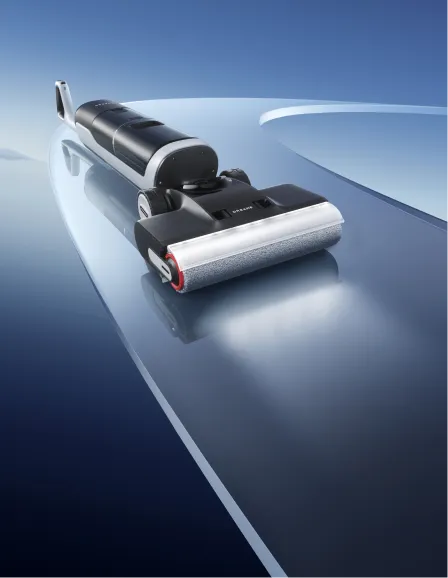
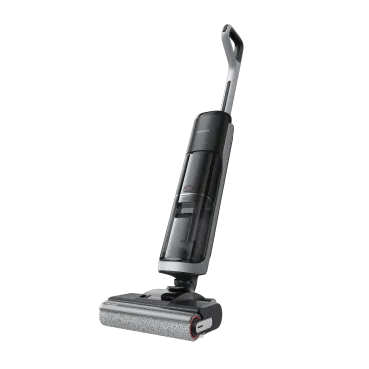
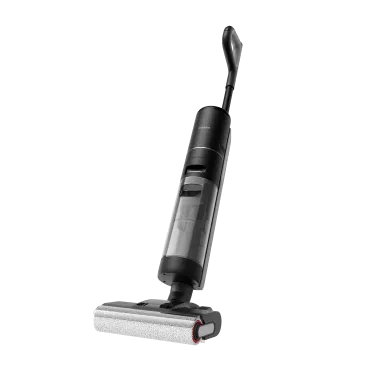
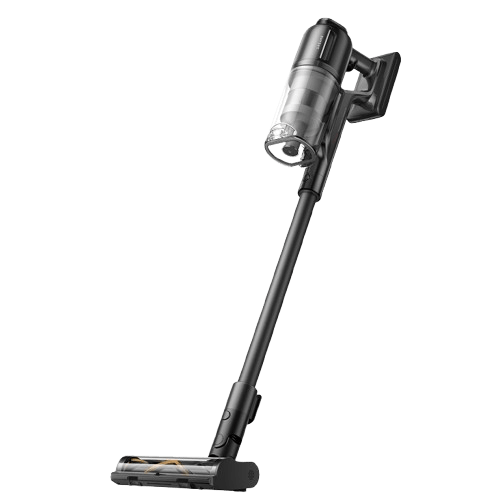
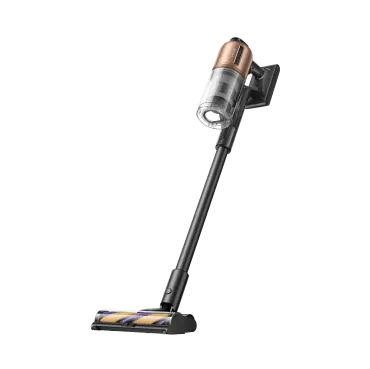
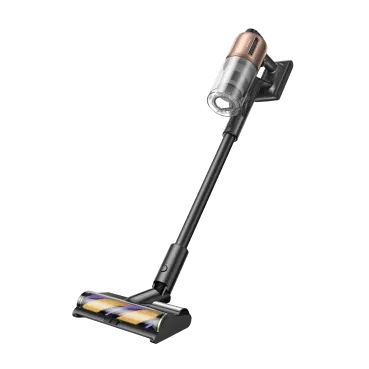
Baking feels joyful until you look around and realize your kitchen has turned into a white winter. If you have ever wondered how to clean flour dust after a baking mess, the answer lies in understanding the science behind it. Flour becomes sticky as soon as it touches water because gluten activates and turns soft powder into a paste. This guide will show you the right order of cleaning so your plumbing stays safe, your sponges survive, and your kitchen looks fresh again. The Golden Rule: Scraping and Vacuuming Before Water Water should not touch flour at the start of cleanup. The moment moisture hits dry flour, it becomes a gummy paste that smears across your counters. It also clogs sponges and sticks to cloths.   Important Never use a wet cloth on a pile of dry flour. You will create a sticky dough that is twice as hard to clean.   Tools You Need for a Quick Dry Flour Pick Up Speed does not matter if you are using the wrong tools. The goal is simple: keep the flour dry while removing it. If you use wet cleaning tools too early, you end up spreading paste instead of cleaning. Here are the essentials you should keep ready: Bench scraper for hardened bits on counters Handheld dustpan and stiff-bristle brush for gathering piles Vacuum or crumb sweeper. A wet and dry vacuum is ideal. See our full lineup here. Paper towels for the first damp wipe stage Step-by-Step: Cleaning Flour Dust from Countertops Flour looks light and harmless, but once water touches it, cleanup becomes slow and messy. The order of steps matters more than effort. Follow this method for smooth cleaning. Step 1. The Scrape Use a bench scraper to push dried dough and heavy flour piles into one area. Scrape firmly but keep the flour dry so you can collect it easily. Step 2. The Sweep Gather the loose flour using a stiff brush. Sweep slowly to avoid sending dust into the air. Transfer the debris into a dustpan and throw it in the trash. Step 3. The Damp Wipe Now you can introduce a lightly damp paper towel. Gently wipe the remaining thin film of flour from the surface. This removes the fine residue that sweeping cannot collect. Step 4. Final Sanitation Finish with your preferred kitchen spray to clean and refresh the surface. Your counter should now be streak-free. Cleaning Dough and Flour from Bowls and Utensils Cold water is the secret here. Hot water cooks flour and starch. This makes it cling tightly to bowls and spoons. Start by soaking the items in cold water for 5-10 minutes to let the flour loosen naturally. Scrub using a stiff brush that will not trap sticky residue. Rinse everything away once it softens.   Pro-tip For wooden rolling pins or boards, never soak them. Scrub quickly with cold water and dry immediately to prevent warping.   How to Clean Flour Dust Off the Floor Cleaning flour dust off the floor presents a unique challenge: you need a powerful solution that handles both fine powder and wet, sticky residue. Traditional brooms only scatter fine flour dust into the air, worsening the problem, and they cannot reach flour stuck in hardwood floor gaps or grout lines. A wet-dry vacuum is the most effective tool for floor flour cleanup because it performs vacuuming and mopping at the same time. It provides a safer, single-step cleaning process: Step 1. Pre-Scrape Sticky Chunks Before using the vacuum, use a bench scraper or spatula to lift off any large, thick chunks of dough that are stuck to the floor. Dispose of these in the trash. Step 2. Run the Wet/Dry Vacuum Start the machine and pass it slowly over the mess. The rolling brush scrubs the sticky dough footprints and dried residue, while the powerful suction pulls up the fine flour dust and the dirty water simultaneously. This method is the only way to effectively clean flour from the gaps in hardwood floors and grout lines, while also preventing the dust from flying into the air and the "flour glue" effect that ruins traditional mop heads. Step 3. Activate Hot Water Self-Cleaning Once the floor is clean, place your vacuum back on its base and run the self-cleaning cycle. This intense heat melts any residual flour, starch, or grease left on the brush, keeping it hygienic for the next use. The Dreame H15 Pro Heat is ideal here, providing powerful suction (up to 22,000Pa). What makes it stand out for serious kitchen spills is its advanced technology: 185℉ (85℃) Hot Water Floor Washing: When you activate the hot water mode, the machine uses high-temperature water to melt stubborn organic dirt on the floor (such as dried ketchup or sticky residue). 212℉ (100℃) Immersive Self-Wash and Self-Drying: This intense temperature cleaning melts any flour, starch, or grease residue left on the brush, keeping it fresh and hygienic for the next use.   Dreame Take A vacuum mop is a baker’s best friend. It scrubs sticky dough footprints and sucks up dry flour at the same time. This prevents the flour glue effect that ruins traditional mop heads.   The Big Baking Cleanup Mistakes These mistakes feel natural in the moment but create bigger problems later. Flushing down the drain: When flour mixes with water inside pipes, it becomes a thick paste that dries into a hard blockage. Always throw bulk flour into the trash, not the sink. Using a wet sponge too early: Wet sponges trap flour and create a sticky lump that becomes difficult to wash. They can also turn into a breeding ground for bacteria. Using the wrong vacuum: Standard carpet vacuums are not built for fine powder. Flour can clog filters and reduce suction. A wet and dry vacuum like the H15 Pro Heat is safer and more efficient. If you often deal with kitchen spill emergencies, our oil spill cleanup guide may help. How to Prevent the Baking Mess Smart bakers know that preventing the mess saves time. Lay parchment paper or silicone mats on the counter before working with flour. Clean small spills as you go so they do not dry. Keep a dedicated baking station so flour stays contained in one area of the kitchen. FAQ Can I use a standard kitchen broom to clean up a large flour spill? Not recommended. It spreads dust into the air. Use a vacuum or scraper first. Why does my sponge get sticky when I try to wipe up flour? The gluten activates when it touches moisture. Use a scraper or paper towel before introducing water. What should I do if I have dried, stuck-on dough on my counter? Place a warm, damp cloth over it for two minutes. Then scrape it off. What is the best vacuum for a baker's messy kitchen? A wet-and-dry vacuum, like the Dreame H15 Pro Heat, works best. It handles both dry flour and sticky spills without clogging filters. Conclusion Baking is a creative endeavor, and the post-bake cleanup should never be the source of stress. By adopting the professional techniques laid out in this guide, that thirty-minute scrubbing nightmare can truly become a simple five-minute task. To conquer the flour dust mess forever, remember to internalize these two golden takeaways: The Dry-First Mandate: Always treat the mess as a dry ingredient. Use a bench scraper or brush to sweep the bulk of the flour and dry dough into the trash first. If you skip this, you are guaranteed to activate the "flour glue" and ruin your sponges. The Cold Water Rule: For washing bowls and utensils, only use cold water initially. This keeps the gluten dormant, allowing you to easily rinse away the residue before introducing soap and warm water for the final wash. When you combine these streamlined, science-backed steps with the right cleaning arsenal, efficiency skyrockets, using tools designed to handle both fine dry dust and sticky liquid spills—like your trusted bench scraper and a powerful wet-dry solution such as the Dreame H15 Pro Heat, you ensure that your counters and floors are flawlessly clean and ready for your next culinary adventure. Stop dreading the white powder and start enjoying the sweet results. Your kitchen is now sanitized, streak-free, and prepared for round two!
Continue reading
How to Clean Spilled Milk on the Floor: A Complete Guide

How to Clean Spilled Milk on the Floor: A Complete Guide

Dreame Editorial Team |
That sinking feeling as you watch a glass of milk topple over is universal. Spilled milk on the floor isn't just a simple liquid mess, it’s a race against the clock before it sours. The proteins and sugars in milk create a perfect breeding ground for bacteria, leading to that infamously stubborn sour smell. The right way to clean it—and prevent the smell—depends entirely on your floor type. This guide will show you how to clean spilled milk on the floor, focusing on hard floors like wood and tile, and also covering what to do for carpet. Why Does Spilled Milk Smell So Bad? (And Why You Must Act Fast) Before we clean, it helps to know what you're up against. The Smell Happens Fast: Milk contains a sugar called lactose and proteins. When left at room temperature, bacteria (which are everywhere) begin to feed on the lactose, producing lactic acid. This fermentation process is what causes the unmistakable sour odor. The "Sticky Floor" Problem: Milk also leaves behind a thin, unseen film of fat and protein residue. This is why you may find your floor sticky after mopping if you don't clean it correctly. This residue attracts more dirt and continues to smell. Important No matter your floor type, never use hot water or a steam cleaner on a fresh milk spill. The heat can bind the proteins to the floor fibers permanently, setting the stain and smell. Always use cold or cool water for rinsing. How to Clean Spilled Milk on Hard Floors (Wood, Tile, Vinyl) Whether you have paper towels or a high-tech appliance, the goal is the same: remove the liquid and the sticky residue. For more tips on keeping these surfaces pristine, check out our guide on how to clean hardwood floors. Method 1: The Manual Clean-up (Towels & Mop) This is the go-to method when you need to act fast with the tools you have on hand. Blot, Don't Wipe. Grab paper towels or a dry, absorbent cloth. Blot the spill to soak up as much liquid as possible. Wiping will only spread the sticky milk further. Rinse the Area. Using a new damp cloth (with cool water), gently wipe the area to dilute and remove the remaining milk residue. Mop with a Floor Cleaner. This is the crucial step. Mop the area with a floor cleaner that is safe for your specific floor type (e.g., hardwood, vinyl). This breaks down the fats and sugars you can't see. Dry the Floor. Don't let the water sit, especially on wood floors. Dry the area completely with a clean towel. Pros No special equipment needed. Good for small spills. Cons High effort, multi-step process. Often smears sticky residue. Leaves you with a sour-smelling mop head. Method 2: The All-in-One Clean-up (Wet & Dry Vacuum) This method is for those who want a faster, more hygienic clean that removes all the guesswork. If you're new to these appliances, learn more about what a wet and dry vacuum is. Grab your Wet & Dry Vacuum. Turn it on and pass it over the spill. Let the Machine Do the Work. The appliance vacuums up the spilled milk while its brush roller actively washes the floor with clean water and a cleaning solution. Make sure you know how to use a vacuum cleaning solution correctly for the best, streak-free results. Empty the Tank. The milk and dirty water are collected in a separate tank, so you're not spreading the mess. The floor is left clean, streak-free, and almost instantly dry. Pros Vacuums and mops in one pass. Hygienic: Removes all residue. Extremely fast and low-effort. Cons Requires the appliance. For a greasy, sticky mess like milk, the Dreame H15 Pro Heat Wet Dry Vacuum is a hard floor specialist. It uses 185°F (85°C) hot-water floor washing to dissolve and cut through the milk fats easily. Plus, its ThermoTub™ 212°F (100°C) self-cleaning cycle flushes the roller with hot water, which also helps prevent the machine from developing odors (a common issue if you're wondering why does my vacuum smell). [product handle="h15-pro-heat-wet-dry-vacuum" rating="4.7"] What About Spilled Milk on Carpet? Cleaning milk from carpet is more challenging because the liquid soaks deep into the fibers and padding. As our guide on can you vacuum wet carpet explains, you should never use a regular vacuum on a wet spill. For this, you must use a manual, multi-step process. Blot, Blot, Blot! Use dry clothes to blot and absorb as much milk as possible. Do not rub. Dilute and Rinse. Lightly mist the area with cold water (a tiny drop of dish soap is okay). Blot again with new, dry clothes to "rinse" the fibers. Deodorize with Baking Soda. This is the most critical step for how to get milk smell out of the carpet. Generously sprinkle baking soda over the entire damp area. Let it Dry Completely. The baking soda must sit for at least 4-6 hours (overnight is better). It will absorb the remaining moisture and neutralize the odors. Vacuum All the Residue. Once completely dry, you must vacuum up all the fine baking soda powder. You'll need a vacuum with strong suction for this.  Dreame Take This is a perfect job for the "Dry Mode" on your Dreame H15 Pro CarpetFlex Wet Dry Vacuum, which acts as a powerful stick vacuum to pull all the powder from deep in the carpet fibers. Be sure you know how to clean carpet with a vacuum cleaner properly for the best results. Final Thoughts: The Best Tool for Any Spill Spilled milk is a panic-inducing mess, but it's completely manageable when you have the right method. On hard floors, the key is to ensure you remove not just the liquid, but the sticky, odor-causing residue. While the manual method works, an all-in-one tool makes the job faster and more hygienic. If you're considering an upgrade, our how to choose a wet dry vacuum cleaner guide can help. Explore Dreame's Wet and Dry Vacuums to find the versatile solution for every spill on your hard floors. FAQ: Cleaning Spilled Milk How long do I have before the milk starts to smell? The souring process can begin in just a few hours. By 24-48 hours, the smell is typically very noticeable. Act as fast as you can. Can I use a regular (dry-only) vacuum on a wet milk spill? No! Never use a vacuum that is not rated for liquids on a wet spill. You will permanently damage the motor and electronic components, creating a serious safety hazard. Our guide on how vacuum cleaners work explains why the motor is so vulnerable to water. How do I clean dried milk from the floor? On hard floors, you'll need to spray it with a floor cleaner and let it sit for a minute to dissolve the hardened residue, then scrub it away. On carpet, gently scrape off the dry flakes (and vacuum them up), then re-hydrate the stain with a cold-water mist and follow the manual carpet-cleaning steps. (If you're curious about vacuum products, see our H15 Pro Heat vs. CarpetFlex comparison).
Continue reading
How to Clean Your Home Before a Party (Without the Stress)

How to Clean Your Home Before a Party (Without the Stress)

Dreame Editorial Team |
Getting your home ready before guests arrive can feel like a mini panic every single time. You look around, see ten things that need cleaning, and suddenly the clock is moving faster than you are. Good news, though. Pre-party cleaning doesn’t have to feel like a sprint. With a smart plan and a few shortcuts, you can get your place looking great without losing your energy before the event even starts. The 80/20 Rule: What to Clean Before Guests Arrive Before you start, think strategically. Not every room deserves your attention. Most guests only move through a small part of your home, so focus your energy where it actually matters. Focus On: Entryway, guest bathroom, kitchen, main living or social area. Ignore for now: Bedrooms (just close the doors), home offices, storage rooms, laundry room. The 30-Minute Party Prep Checklist In a hurry or feeling last-minute anxiety. Here’s your quick, high-impact list. Floors: Vacuum first, then mop if time allows (or use your vacuum mop to hit both tasks at once). Entryway: Sweep the front porch, clear clutter like shoes and mail, and set up a spot for coats. Living Area: Wipe coffee tables, remove dust from visible shelves, and clear extra throw pillows to open up seating. Kitchen: Wipe counters, polish stainless steel appliances, and run the dishwasher so it is empty for the party. Guest Bathroom: Wipe the mirror and sink, empty the trash, and put out a fresh hand towel.  The Party Prep Cleaning: A Step-by-Step Guide This flow keeps things simple. Start with the tasks you can automate, then tackle the areas guests will use most. Step 1: Automate Your Floors Cleaning ("Set It & Forget It") This is the biggest stress saver. Instead of pushing a vacuum for half an hour, let a robot vacuum handle it while you do the fun or necessary parts. Dreame Take Party prep should shrink your to-do list, not expand it. We believe your tools should work for you—scrubbing the floors while you arrange the appetizers. Deploy your robot vacuum right away. A modern flagship model does more than just sweep; it vacuums and mops simultaneously, scrubbing away sticky spots so your hard floors are gleaming for guests. If your vacuum has self-emptying and auto-mop washing capabilities - even better. It handles the entire mess, including emptying its own dustbin and washing its own mop pads, so you never have to touch dirt or dirty water right before putting on your party clothes. Have pets? Make this your must-do step. Pet hair always finds its way back to rugs and corners. Vacuuming ensures your home is allergen-free and your guests don’t leave covered in fur. If you are battling constant shedding, check our guide on how to effectively remove pet hair from your home before high-traffic events.  Step 2: The 15-Minute "High-Impact Zone" Clean Now that your floors are handled, grab a basket and a microfiber cloth. Time to touch the areas guests actually notice. The Entryway is your home's first impression Move stray items into your basket: shoes, mail, and keys. Don’t organize. Just hide. Make sure you have a clean and obvious spot for coats and bags. A clear bench or a few empty hangers can do the job. The Main Living/Social Area Wipe surfaces like coffee tables and side tables. Check from a different height. A tall guest may see dust on top of shelves or picture frames that you might never spot. Remove the mountain of throw pillows so guests don’t have to juggle them while sitting down. The Kitchen Nothing kills a party vibe faster than a stack of dirty dishes. Load the dishwasher and run it immediately. For sticky cooking spills, a wet dry vacuum is a lifesaver. It handles liquids and crumbs in one easy go and keeps you from scrubbing. Move appliances like toasters or blenders into cabinets if possible. The more empty counter space you have, the cleaner the room feels. For more detailed maintenance, check our guide on cleaning kitchen surfaces effectively. Step 3: The 5-Minute Bathroom Refresh Guests always visit the bathroom, so this space needs to feel clean even if the rest of the house is chaos behind shut doors. The "Splash Zone" Check: Water spots on the mirror and faucet are the first things to catch the eye under bright bathroom lights. A quick buff with a dry microfiber cloth makes the chrome sparkle instantly without needing chemical sprays. The Courtesy Wipe: Don't just look at the toilet; wipe the seat, the rim, and importantly, the base where dust collects. It takes 30 seconds but signals to guests that the space is sanitary. The "Hotel" Touch: Empty the trash bin completely—nobody wants to see your used tissues. Then, replace the hand towel with a fresh, fluffy one. Restock Generously: The worst fear for a guest is running out of supplies. Place two extra rolls of toilet paper in plain sight (on the tank or in a visible basket), so they never have to search through your cabinets. This quick refresh handles the essentials. If you have more time later for a deep scrub, you can read our full guide on how to clean bathroom surfaces effectively. Pro-tip The Guest Comfort Kit. A small basket with helpful items shows real thoughtfulness. Include Band Aids, stain remover pen, feminine hygiene items, mints, contact lens solution, or a mini first aid kit. Step 4: Set the Mood (The Final Touches) You’ve cleaned enough. Time to set the vibe. Dim the bright lights and use lamps for a softer glow Light a candle or diffuser with something light, like citrus or fresh linen If you have flowers, even tiny ones, put some in the entry and bathroom Open Spotify or YouTube and start a playlist like "Dinner Party Jazz" or "Upbeat Lounge." Keep the volume low enough to encourage conversation but loud enough to fill the room. And take a breath. You’re ready. Should You Mop Before or After a Party? We hear this question constantly. It feels like double the work to clean floors that are about to get trampled by shoes. The answer is both, but the intent is completely different. Before the Party (Presentation): Mopping before guests arrive isn't about deep hygiene; it's about ambiance. A freshly mopped floor makes the entire house smell clean and look polished. Keep it Light: Don't soak the floors. Use a damp mop or your robot vacuum's maintenance mode. Focus on Shine: You want to remove visible dust or paw prints so the home looks welcoming when the lights are dimmed. After the Party (Recovery): This is where the real work happens. Once the last guest leaves, you aren't just cleaning dust—you are dealing with sanitation. Tackle the Sticky Spots: Spilled wine, soda, and appetizers leave residue that can damage wood or attract pests if left too long. This is the time to use hot water and a proper cleaning solution. Sanitize High-Traffic Paths: Guests track in dirt from outside. A deep mop the next morning resets your home's hygiene levels. If you wake up to a particularly messy aftermath of dried drinks and shoe marks, check our specific guide on how to clean sticky floors to safely restore your hardwood or tile without damaging the finish. Hosting Without the Hassle Pre-party cleaning shouldn’t wipe you out. With a smart plan, guest-friendly touches, and automated floor cleaning, your home can look great without the stress. If you find that floor cleaning is always your biggest pre-party headache, explore automated cleaning robot vacuum solutions. Frequently Asked Questions on Party Cleaning How to prep your house for a party? Start with floors, then declutter and clean the entry, kitchen, living room, and bathroom. Finish with lights, scent, and music. Should you clean before a party? Yes, but focus on speed and impact, not perfection. What is the 80/20 rule for house cleaning? Eighty percent of mess sits in twenty percent of your space. For party prep, focus on the areas where guests actually spend time. More From Our Home Cleaning Guides: Ready to tackle every corner of your home? Continue with our expert cleaning guides: Learn the secrets to cleaning your house like a pro for a truly spotless finish. Master the art of tidying with our step-by-step guide on how to clean your room efficiently. Discover essential house cleaning tips for before, during, and after your vacation to keep stress at bay. Keep reading how to clean a house after a party.
Continue reading
How to Dry a Floor After Mopping Fast: No More Waiting

How to Dry a Floor After Mopping Fast: No More Waiting

Dreame Editorial Team |
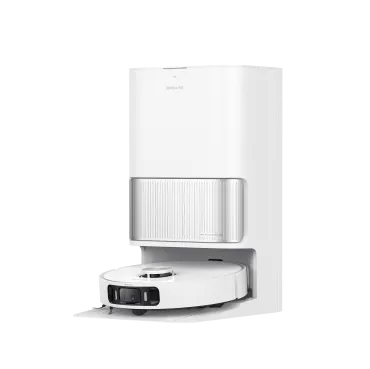
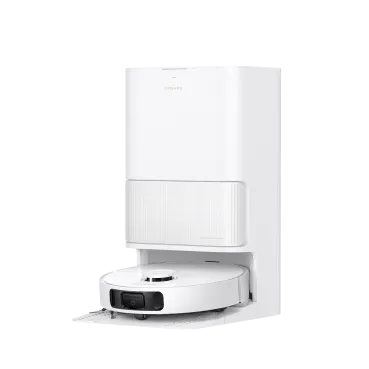
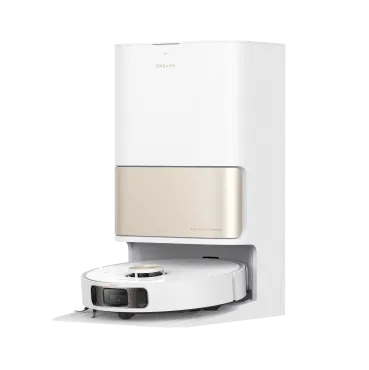
We have all been there. You just finished mopping the kitchen, the floor is finally gleaming, and you are ready to relax. But then you realize you are trapped. You are stuck on the couch or in the hallway, unable to cross the room because the floor is still soaking wet. Waiting for floors to dry is one of the most frustrating parts of home cleaning. It holds your household hostage, creates a "wet sock" hazard for anyone who forgets, and can even damage sensitive surfaces if the water sits too long. Beyond the annoyance, slow drying breeds bacteria and creates slip hazards for pets and kids. If you are tired of watching floors dry, this guide is for you. We will cover how long drying should actually take, five manual hacks to speed up the process, and how new heat-based technology can solve the problem instantly. How Long Does It Take for a Floor to Dry After Mopping? Under normal conditions, a freshly mopped floor should be dry to the touch within 15 to 30 minutes. If your floors are still wet after 30 minutes, it is usually a sign that something is wrong with your technique or environment. Several variables affect this timing: Humidity: High humidity keeps moisture trapped on the floor surface, preventing evaporation. Airflow: Stagnant air slows down drying significantly. Floor Type: Porous surfaces like unsealed tile or grout absorb water and dry slower, while sealed hardwood or vinyl tends to dry faster—but is also more susceptible to water damage. Pro-tip If your floor takes longer than 45 minutes to dry, you are likely using too much water. Excess moisture can seep into the seams of laminate or hardwood, causing warping or swelling over time. 5 Quick Techniques to Dry Your Floors Faster If you are mopping manually and need to get the room back in service quickly, these five techniques will cut your wait time in half. 1. Increase Airflow Evaporation relies on air movement. As soon as you finish mopping, open windows and doors to create a cross-breeze. If it is too cold outside or you don't have good ventilation, set up a box fan or switch on your ceiling fans. Moving air disrupts the boundary layer of humidity right above the floor, allowing water to evaporate much faster. 2. Use a Dry Mop or Cloth The "Two-Step" method is the most effective manual way to dry floors. After your wet pass, immediately go over the area with a clean, dry microfiber cloth. This absorbs the bulk of the moisture that evaporation leaves behind. It also helps prevent water spots and buffs the floor to a shine. 3. Floor Squeegee For waterproof surfaces like garage floors, laundry rooms, or fully tiled bathrooms, a long-handled floor squeegee is your best friend. Push the excess water toward a drain or out a door. This physically removes the water rather than waiting for air to do the work. 4. Dehumidifier In basements or during humid summer months, opening a window might actually make things worse. In these cases, a dehumidifier is essential. By actively pulling moisture out of the air, you lower the room's relative humidity, forcing the water on the floor to evaporate more quickly. 5. Work in Sections Don't mop the entire house and then wait for it to dry. Work in small 5x5 foot sections. Mop the area, then dry it immediately with your towel or dry mop before moving to the next section. This prevents water from settling into grout lines where it is hardest to remove. Why Manual Mopping Leaves Your Floors Soaking Wet for So Long Why is this such a struggle in the first place? The issue often lies with the tools we use. The Wringing Problem: Traditional mop buckets rely on manual force to wring out the mop head. Even with a good squeeze, the mop remains saturated. When you place it on the floor, you are essentially flooding the surface rather than cleaning it. Dirty Water Reuse: As you dip your mop back into the bucket, the water gets dirtier and soapier. Spreading this soapy, grey water leaves a residue or "film" on the floor. This film increases surface tension, trapping moisture and making the floor feel sticky even after it finally dries. Dreame Take Manual wringing requires serious grip strength, and often, the result is still a sopping wet mop. Why wrestle with a bucket? You deserve a simpler, more enjoyable experience. Upgrade to an automatic cleaner that handles the water control for you, leaving your floors drier and your hands clean How Smart Mopping Dries Floors Instantly While You Clean While fans and towels help, the ultimate solution is to stop flooding your floors in the first place. Modern robot vacuums use advanced physics—heat, pressure, and suction—to leave floors virtually dry as they clean. Whether you choose a vacuum and mop combo or a wet dry vacuum cleaner, automated precision ensures you never have to wait. If you are unsure which tool fits your needs, understanding the difference between a wet dry vacuum vs steam mop can help you prioritize safety and speed. Break Down Grease Without the Puddle To remove sticky grease or dried footprints manually, you usually have to soak the floor with hot water and scrub hard. This leaves significant moisture behind that takes ages to evaporate. The Dreame X60 Max Ultra Complete Robot Vacuum uses concentrated heat and mechanical friction to clean without the flood. Thermal Mop Pads: Utilizing phase change materials, these pads store heat to keep the temperature above 104°F (40°C) for over 4 minutes. This hot moisture naturally evaporates much faster than cold water. 230RPM Dual Omni-Scrub & 15N Downforce: Instead of soaking stains, the robot scrubs them away with high speed (230RPM) and heavy pressure (15N). All-Direction Adaptability: With a 12° tilt, the pads maintain perfect contact even on uneven surfaces. This ensures the robot leaves a thin, consistent film that dries in seconds, rather than pooling water in dips. Remove Dirty Water Before It Settles Traditional mops often just push dirty water around. If you don't physically remove that liquid, your floor stays wet, streaky, and sticky. The Dreame H15 Pro Heat Wet Dry Vacuum acts as a mop and vacuum in one, physically extracting the moisture instantly. Fresh Water Cleaning System: A constant flow of hot water rinses the floor, while a 480RPM brush scrubs deep. Unlike manual mopping, you are never pushing dirty water back onto your floor. TangleCut™ Scraper & Active Suction: The system actively wrings out the brush and uses powerful suction to immediately draw dirty water away from the floor. 0 Water Stains: A specialized robotic arm and rear water scraper work in tandem to leave virtually 0 water stains behind. This means the floor is dry to the touch almost as soon as you pass over it. [product handle="h15-pro-heat-wet-dry-vacuum" rating="4.6"] Conclusion You don't have to spend your evening guarding the kitchen entrance, watching the floor dry. By using proper manual techniques like cross-ventilation and working in sections, you can cut drying time significantly. However, for a truly seamless experience, consider upgrading to a system that manages the water for you. Whether it’s the X60 Max Ultra Complete or the H15 Pro Heat, smart technology ensures your floors are clean, dry, and safe—instantly. Ready to stop waiting? Upgrade to a Dreame smart vacuum and experience the power of hot-water cleaning today. FAQ About Floor Drying Do you have to dry the floor after mopping? Yes. Leaving floors wet creates a slip hazard and promotes bacteria growth. It also helps prevent water spots on tiles and warping on wood. Do you have to dry hardwood floors after mopping them? Absolutely. Wood is porous and sensitive to moisture. You should never leave standing water on hardwood. Ideally, use a damp mop (not wet) and dry it immediately. If you are unsure about the safety of your tools, check our guide on can you vacuum hardwood floors safely. What should I do to dry the floor after mopping in the winter? In winter, cold air holds less moisture, but opening windows might freeze your home. Instead, turn on your heat or HVAC system to circulate warm, dry air, and use a dehumidifier if available. What is the longest you'll leave a floor to dry? If a floor isn't dry after 30–45 minutes, you should intervene with a towel. Leaving water longer than this risks damage to the floor finish and grout. How do I prevent streaky, sticky floors? Sticky floors are usually caused by using too much cleaning solution or not rinsing dirty water off the floor. If this happens, you may need to rinse the floor with plain water. For a deeper dive, read our guide on why is my floor sticky after mopping. How to dry a wet mop? Never leave a wet mop in a bucket. Rinse it thoroughly and hang it in a well-ventilated area, or ideally outside in the sun. For a complete guide on mop maintenance, check out how to clean your mop head. A robot vacuum and mop with a self-drying dock can automate this entirely.
Continue reading
How to Mop Without Leaving Streaks: Expert Tips for Flawless Floors

How to Mop Without Leaving Streaks: Expert Tips for Flawless Floors

Dreame Editorial Team |
You've just spent twenty minutes mopping your kitchen, and as the floor dries, those telltale streaks appear. The surface looks cloudy, dull, or worse, like you never cleaned it at all. If you’re wondering how to mop without leaving streaks, you’re not alone.  Thankfully, streaky floors are almost never about your flooring itself. The problem usually comes down to technique, tools, or the cleaning solution you're using. With a few simple adjustments, you can learn how to mop floors without leaving streaks and get a clean, clear shine every time. How to Mop for Streak-Free Floors Streak-free floors are less about effort and more about sequence. Follow these steps in order and you’ll eliminate most of the problems people struggle with. Clear the Debris First You cannot mop a dusty floor. When loose dirt, hair, and grit are still on the surface, your mop simply drags them around, creating muddy streaks as the water dries. This is why professionals always follow the vacuum-first rule. Before you mop, vacuum, or dry sweep thoroughly. Pay attention to the corners and edges where dust tends to collect. This single step eliminates a huge percentage of streaking issues. Mix the Right Solution One of the biggest misconceptions about how to mop floors without leaving streaks is that more cleaner equals more shine. In reality, excess soap is the #1 cause of cloudy residue. Key rules: Use less cleaning solution than the label recommends. Warm or hot water evaporates faster, which helps prevent streaks. Avoid mixing multiple cleaners. Too much detergent leaves a film that never fully dries clear. If your floors feel sticky afterward, residue is the culprit. For a deeper breakdown on water temperature and chemistry, see this guide on hot or cold water for mopping floors. Wring It Out Thoroughly There’s a big difference between damp and soaking. Before touching the floor: Wring until the mop is just barely damp No dripping when lifted No visible puddles when applied A mop that’s dripping wet floods the floor, allowing dirty water to pool and dry unevenly. This is especially problematic on tile grout and hardwood seams. Controlled moisture equals controlled drying and fewer streaks. Use the “Figure-8” Motion (For Tile & Vinyl) For most non-wood floors (like tile, vinyl, or stone), pushing the mop straight back and forth is a mistake. Instead, use a gentle figure-8 motion. Why it works: Dirt gets trapped at the leading edge of the mop You’re not pushing grime back onto clean sections Pressure stays even across the surface This technique is especially helpful if you’re learning how to clean a floor without mistakes on smooth surfaces. However, if you have hardwood, skip this step and scroll down to the "Floor Type" section—wood requires a different motion. Don’t Skip the Rinse Pass If you’re using any cleaner at all, a rinse pass matters. Once the main cleaning is done: Empty the bucket Refill with clean water only Lightly go over the floor again with a clean, well-wrung mop This removes leftover chemical residue that causes streaks and dullness after drying. Buff Dry Immediately This is the step most people skip, and the one that makes floors look professionally cleaned. Use a dry microfiber pad or towel to lightly buff the floor while it’s still slightly damp. This process helps to eliminate water spots, balance out the moisture, and restore the floor's natural shine. It’s especially effective on glossy tile and sealed hardwood. Clean Your Tools A clean mop is one of the most overlooked factors in streak-free floors. If your mop smells, looks gray, or leaves residue behind, it’s redistributing old grime. Wash mop heads frequently and replace them when fibers flatten out. Adjust the Mopping Method for Your Floor Type Different floors show streaks differently. Adjusting your approach can make a visible difference. Mop With the Grain (Hardwood) If you’re wondering how to mop wood floors without leaving streaks, direction matters. Wood has a natural texture. If you mop across it (or in circles), dirt and water get trapped in the tiny grooves of the grain, creating streaks. Always mop in the direction of the wood grain. This helps: Hide minor moisture lines Prevent water from seeping between planks Maintain an even finish Use minimal water and dry promptly. Read How to Clean Hardwood Floors for a full hardwood-safe process. Watch the Grout Lines (Tile) Tile itself dries easily, while grout does not. Tile presents a unique challenge because dirty water loves to settle into grout lines. When this water evaporates, it leaves concentrated residue right where your eye naturally focuses, along those grid lines between tiles. When mopping tile: Avoid oversaturating grout Rinse your mop frequently Don’t let dirty water sit in the lines Grout absorbs residue fast, which is why tile floors often look streaky even when the tiles are clean. Master the specifics of how to clean and mop tile floors to keep both the tiles and grout looking pristine. Choose the Better Mop for Streak-Free Floors Not all mops are created equal when it comes to preventing streaks. Understanding the strengths and limitations of different mop types can help you make an informed decision about which tool will give you the best results. Mop Type Cleaning Mechanism Water Management Streak Risk String Mop Absorbs spills, pushes dirt around Poor — reuses dirty bucket water immediately High Microfiber Mop Traps dust & particles electrostatically Fair — requires frequent manual rinsing / pad changes Medium Robot Vacuum & Mop Consistent pressure & scrubbing action Good — auto-mop washing stations keep pads fresh Low Wet/Dry Vacuum Mop Active washing + powerful suction Excellent — continuously cycles fresh water; removes dirty water instantly Lowest Upgrade to Microfiber Microfiber mops are designed for streak-free results. Their ultra-fine fibers attract and trap dust, dirt, and residue rather than pushing them around, giving you a deeper clean with less effort. They also release water in a controlled way, so floors dry faster and more evenly. Compared to traditional string mops, microfiber delivers cleaner floors, fewer streaks, and better moisture control every time. Experience Smart Mop (Vacuum Mops) Smart mop technology takes streak-free cleaning even further. Wet and dry vacuum cleaners actively wash and remove dirt in one step by spraying clean water, scrubbing the surface, and immediately vacuuming up dirty water. Because moisture and grime are lifted off the floor instantly, they never dry into streaks. The result is a cleaner floor, faster drying, and a consistently polished finish without manual rinsing or guesswork. For a comparison of different mopping technologies and their effectiveness, check out this guide on steam mops versus regular mops to understand which option best fits your needs. Smart Cleaning Tools That Help Eliminate Streaks If you want consistently streak-free floors with less effort, upgrading to smart cleaning tools can make a noticeable difference. The Matrix10 Ultra Robot Vacuum uses a Multi-Mop Dock that automatically switches mop pads between rooms, so greasy kitchen residue never gets spread into living areas. The result is a consistently streak-free finish throughout your entire home with zero manual intervention. The X60 Max Ultra Complete Robot Vacuum takes things further with consistent scrubbing pressure, automatic mop washing, and hands-free maintenance, making streak-free cleaning far more reliable. By adjusting water flow based on your floor type, its advanced navigation ensures complete coverage without missed spots or overlapping that can cause uneven drying patterns. For hands-on deep cleaning, the H15 Pro Heat Wet Dry Vacuum uses heated water and powerful suction to wash and remove dirt in a single pass, preventing dirty water from ever drying on your floors. [product handle="h15-pro-heat-wet-dry-vacuum" rating="4.6"] You can explore more options in Dreame robot vacuum and mop and the wet and dry vacuum collections. Troubleshooting: Why Do My Floors Still Have Streaks? If you've followed all the techniques above and still see streaks, you're dealing with one of these common underlying issues. 1. Residue Overload That bottle of floor cleaner probably has much stronger instructions on the label than you realize. Most people use two to three times the recommended amount of product, thinking it will clean better. Using too much floor cleaner creates a thin, sticky film that doesn’t rinse away. As it dries, it looks cloudy and attracts dirt almost immediately, especially on glossy floors. Using less cleaner often delivers better results. If your floors feel tacky after drying, residue is the issue. Learn more about why floors get sticky after mopping and how to break the cycle of residue buildup. 2.The Dirty Water Trap When mopping with a bucket, the water becomes dirty within minutes. Dipping your mop back into that water reintroduces grime to the floor, which dries into streaks. By the time you finish a large room, you're essentially smearing dirty water across your floors, which dries into streaks. To avoid this, change your water frequently. For an average-sized room, you should probably be emptying and refilling your bucket at least once, maybe twice.  It is more work, which is also why cleaning systems that continuously use fresh water are more effective at keeping floors streak-free. The Path to Flawless Floors Streak-free floors come down to three essentials: clean water, proper technique, and the right tools. Small changes like wringing your mop thoroughly, using less cleaner, changing water frequently, and buffing dry, can transform your results. Dreame specializes in intelligent cleaning solutions that eliminate streaky floors. From advanced wet-dry vacuum technology to fully automated robot vacuum and mop systems, our tools work smarter so you don't have to work harder. Discover effortless streak-free floors at Dreame. FAQ About Streak-Free Floors Is Vinegar a Safe Streak-Free Cleaner? Vinegar can work well for sealed tile and some laminate floors. Use one part white vinegar to ten parts water for streak-free results without chemical residue. However, vinegar is acidic and can damage certain finishes. Never use it on natural stone (marble, granite, travertine), as it etches the surface. It can also dull hardwood finishes and damage grout sealing. When in doubt, stick with pH-neutral cleaners formulated for your floor type. Why Do Footprints Show Up Immediately? Visible footprints indicate either residue buildup from too much cleaning product or walking on floors before they're fully dry. If it's residue, mop with plain water only for your next few sessions to strip away the film, then use less cleaner going forward. For immediate results, switch to a wet dry vacuum cleaner that removes moisture completely, leaving floors dry instantly. What Is the Best Streak-Free Floor Cleaner? The best cleaner depends on your floor type. Look for pH-neutral formulas designed for your specific flooring. Avoid products with oils, waxes, or moisturizers that create buildup. For most sealed hard floors, warm water with a few drops of dish soap per gallon works excellently and rinses clean without residue. If you prefer commercial products, choose those labeled "residue-free" or "streak-free" and follow dilution instructions exactly.
Continue reading
5 Everyday Messes A Wet/Dry Vacuum Handles (That A Mop Can’t)

5 Everyday Messes A Wet/Dry Vacuum Handles (That A Mop Can’t)

Dreame Editorial Team |
We have all been there. It’s 7:30 AM, and a bowl of cereal hits the floor. Milk splashes, flakes scatter, and suddenly, you are facing a logistical nightmare. Do you grab a paper towel first? Then a broom for the dry flakes? Then  mop for the sticky residue? This is what we call "Process Friction." Facing a mixed mess requires a complex decision tree that drains your mental energy before the day has even started. It is no wonder that 52.7% of people report procrastinating chores due to this exact kind of "Decision Fatigue." The wet dry vacuum was invented to solve this. By consolidating the workflow, it makes cleaning 3-4x faster because it eliminates the need to "pre-clean." While standard models consolidate the task, the Dreame H15 Pro Heat eliminates the cognitive load entirely. It acts as a universal tool that doesn't ask you to categorize the mess—it just erases it. Here are 5 specific everyday disasters where the old mop-and-bucket method fails, and how the Dreame H15 Pro Heat changes the physics of cleaning. Mess #1: The "Kitchen Slick" (Dried Grease & Oil Spills) Skyler conwetwe Mopping cold grease just smears it across the floor. Cleaning isn't just scrubbing; it is a thermodynamic process. Most animal fats and kitchen greases have melting points between 86°F and 122°F (30°C - 50°C). When you attack a grease spill with a traditional mop soaked in lukewarm tap water (<30°C), you trigger a "Thermodynamic Failure." The cold water keeps the grease in a solid state. Instead of removing it, the mop merely shears off the top layer and spreads the rest into an invisible, slippery film across your kitchen floor. How Dreame Solves It: 185°F (85°C) Active Hot Water. The H15 Pro Heat changes the game by applying Active Hot Water well above the melting point of common fats. This heat triggers a "Phase Change," instantly turning solid grease into liquid. Once liquefied, the oil can be emulsified and extracted into the dirty water tank rather than being pushed around. Industrial grease traps utilize this exact principle ("molecular expansion") to move soils away from surfaces. The H15 Pro Heat miniaturizes this industrial standard for your home, effectively solving how to clean an oil spill on the kitchen floor with 100% efficiency. Mess #2: The "Gross Tangle" (Wet Hair & Dust) Pulling slimy hair off your brush after every pass? There are few things in domestic life more repulsive than pulling a clump of wet, slimy hair off a cleaning tool. It triggers a "Psychodynamic of Disgust"—a primal reaction to biological waste. Even many premium wet/dry vacuums fail here; they use "Passive Scrapers" that squeeze water but fail to intercept hair, forcing you to perform surgery on your vacuum roller with a pair of scissors. If you have pets, you know this struggle well—read our guide on building a cleaning system for pet homes. How Dreame Solves It: TangleCut™ 2.0. We believe you should never have to touch the mess you just cleaned. Unlike passive bars, the H15 Pro Heat uses a serrated dual-comb structure that actively penetrates the brush bristles. As the roller spins, these high-density teeth catch and cut the hair, feeding it directly into the tank.  With "removing hair from drains" ranked as a top-two most hated chore, TangleCut™ offers more than just convenience—it offers "emotional protection" from the grossest part of cleaning. Mess #3: The "Mystery Mix" (Cereal, Stew, Smashed Eggs) You have to guess how to clean each type of mess… A mop is a "blind tool." It doesn't know if it is cleaning fine dust, a viscous yogurt spill, or a pile of cereal. You have to provide the brainpower and the elbow grease to adjust your scrubbing pressure. How Dreame Solves It: RGB AI Detection. The H15 Pro Heat doesn't just suck; it sees. Equipped with an RGB Camera that is 5x more sensitive than traditional dirt sensors, the unit optically distinguishes between mess types (e.g., liquid vs. particulate). It automatically adjusts suction power and water flow in real-time. This "Active Intelligence" reduces decision fatigue. The machine thinks, so you don't have to. Mess #4: The "No-Go Zone" (Rug Edges) You stop at rugs and edges, or switch tools to finish. In the era of the mop, the rug was a barrier. You would mop the hard floor, hit the edge of the kitchen runner, and stop. You’d have to fetch a separate dry vacuum to finish the job. Even early wet/dry vacuums struggled here, often leaving a 1-3cm "dirty strip" along walls due to bulky fixed bezels. How Dreame Solves It: CarpetFlex & GapFree™ Robotic Arm. To solve the edge problem, the H15 Pro CarpetFlex features a Robotic Arm that physically extends the brush, maintaining 0mm contact with baseboards and furniture legs. For the rugs, the CarpetFlex system allows you to swap to a dedicated carpet brush. The system auto-detects the change and engages 23,000Pa of suction, functioning as a powerful wet vacuum for carpets that extracts deep dust from fibers that a mop could never touch. The Ultimate "Mess": The Cleanup (Self-Cleaning) Your mop or roller smells like mildew the next day. Perhaps the biggest failure of the mop is what happens after you clean. A wet mop stored in a closet is a nutrient broth for bacteria. Biofilms form that are resistant to standard chemical disinfection, creating that distinct "sour mop smell"—which is actually the scent of VOCs released by bacterial growth. How Dreame Solves It: ThermoTub™ Hygiene Cycle. The H15 Pro Heat is a biosecurity device. The Kill Chain: While standard self-cleaning bases use cold water, the ThermoTub™ washes the brush with 100°C (212°F) boiling water. This thermal shock reduces bacterial kill time from minutes to seconds. The Prevention: Immediately after washing, the system engages a 194°F (90°C) Fast Drying cycle. In just 5 minutes, it removes moisture, denying microorganisms the environment they need to regrow. Conclusion We are witnessing the obsolescence of analog cleaning. The mop was a tool for a different era—passive, inefficient, and biologically hazardous. The wet dry vacuums represent the new standard of Active Hygiene. It doesn't just clean your floor; it upgrades your quality of life by removing the friction, filth, and fatigue of the "Old Way." It is time to retire the bucket. References & Further Reading Top Three Reasons Why You Should Replace Your Mop with a Wet/Dry Vacuum  Mopping vs. Wet Vacuuming: Which is Better?  Survey: The Most Hated Chores  User discussions on the "yuck" factor of cleaning tools: r/VacuumCleaners, r/CleaningTips Global market trends on the shift to wet/dry vacuums: TechSci Research, Business Research Insights, Market Reports World
Continue reading