Remember the early days of robot vacuums? They were essentially blind bumper cars. They would ram into walls, get tangled in shoelaces, and—if you were really unlucky—drag a "pet accident" across the entire living room.
Thankfully, those days are mostly behind us.
The newest generation of cleaners has graduated from bumping around to actually seeing where they are going. This is the era of robot vacuums with cameras.
But is it worth the extra cash? Does a camera actually make the cleaning better, or is it just a gimmick? And let's be real—is it safe to have a camera roaming your house? Let’s dig into why giving your robot vacuum "eyes" might be the upgrade you didn't know you needed.
Why Do Robot Vacuums Have Cameras?
It isn't just about showing off cool tech. It’s about context. Old-school sensors (like lasers or physical bumpers) can feel that something is in the way, but they have no idea what it is.
A robot vacuum with AI technology and RGB cameras processes the world a lot like we do. The device doesn't just sense an obstacle, it recognizes it. The robot vacuum sees a cable and thinks, "Don't eat that." It sees a sock and thinks, "Go around."
Below are the three biggest advantages of having a camera on your robot vacuum:
1. Superior AI Obstacle Avoidance
The biggest headache with older robot vacuums was the "pre-clean." You had to run around picking up every little thing before you turned the vacuum on. That defeats the whole purpose, right?
Cameras change the game. By using AI trained on millions of images, these robot vacuums can:
Identify over 240+ types of objects, spotting things as small as a charging cable (down to 0.04 inches / 1 mm).
Tell the difference between obstacles, eg. the robot vacuum knows to clean tight against a table leg and avoids a pet mess.
Navigate cluttered rooms autonomously, making them truly “set-and-forget.”
This is what makes modern AI vacuums far more “hands-off” than their older counterparts.
2. Remote Home Monitoring (A Bonus Security Feature)
For a lot of people, this is the standout feature. A camera-equipped robot vacuum isn't just for cleaning; it’s a security camera on wheels. Here’s what you can do:
Patrol Mode: You can send the robot vacuum to specific rooms. Did you leave the oven on? Is the back window open? Just drive the robot vacuum over and check.
Two-way audio: Talk to our family at home while you're away
Pet Check-ins: See what your pets are doing while you're out
3. More Smarter Features for Pet Owners
Cameras unlock some of the most creative and genuinely useful features for people with pets. Advanced robot vacuum models offer:
Pet-Finding Mode: The robot looks for your pet and snaps a photo or a short video when it finds them.
Remote Voice Calls: You can talk to your pet through the app - great for anxious animals.
Pet Voice Interaction: Trigger friendly sounds (meows, barks, etc.) to comfort or calm pets.
Automatic Pet Vlogs: The robot vacuum generates clips of your pet’s daily adventures as it travels around the home.
These features turn your robot vacuum into a little companion for your pet, making solo days at home less lonely.
If you are already setting up a connected home, adding this to your list of smart home ideas makes a lot of sense for that extra layer of peace of mind.
Camera vs. LiDAR: Which Navigation is Better?
For a long time, you had to pick a side. You could have Cameras (great for seeing objects) or LiDAR (great for mapping and working in the dark).
In 2025, you don't have to choose. Leading manufacturers have adopted Hybrid Navigation systems for their robotic vacuums. They use LiDAR to quickly map room shapes, complemented by cameras for navigating uneven floors. Some models include retractable LiDAR towers, allowing the vacuums to slide under low furniture without getting stuck.
How Hybrid Navigation Works:
Lifted DToF (Direct Time-of-Flight) LiDAR scans your home in a full 360° sweep without the robot needing to rotate, generating fast, highly accurate maps.
When approaching low furniture, the robot vacuum retracts the DToF tower, lowering its body so it can slide underneath.
Once underneath, it switches to its dual AI cameras, using LED illumination to capture RGB images and build a 3D understanding of the low-clearance space, allowing the vacuum to clean areas most robots can’t reach.
A Real Example:The Dreame Matrix10 Ultra uses this exact system:
Liftable DToF sensor for rapid, precise 360° mapping.
Automatic sensor retraction makes the vacuum's height just 3.5 inches to clear low sofas and cabinets.
Dual AI cameras + LED lights for advanced obstacle recognition in dark or tight spaces
3D low-area perception so it can navigate places traditional LiDAR towers cannot.
If you want to nerd out on the tech, it is worth reading up on how robot vacuums navigate so you know exactly what you are paying for.
Is a Robot Vacuum with a Camera Safe?
Let’s address the obvious fear: "I don't want a spy in my house."
That is a totally valid concern. If you bring a camera inside, you need to know where that footage is going.
Here is your checklist for a secure robot vacuum:
It Stays Local: The safest robot vacuums process images right there on the machine using powerful chips. They don't need to send video to the cloud just to figure out what a shoe looks like.
Look for the Badge: Check for third-party security certifications like TÜV Rheinland or UL. For instance, the Dreame X50 Ultra is UL Solutions Diamond-Level Certified, ensuring top-tier cybersecurity to keep your home data fully protected. These aren't just stickers; they mean the brand has been audited for data privacy.
Off by Default: A trustworthy robot vacuum won't start recording the second you plug it in. You should have to go into the settings and actively turn on any camera streaming features.
Pro-tip If you are worried about privacy, check the app settings. Reputable brands allow you to disable image upload entirely, relying solely on local AI processing for obstacle avoidance.
Top Picks: Which Camera Robot Vacuum Fits Your Home?
All Dreame flagship models use advanced RGB AI to see the world, but they pair that vision with different mechanical superpowers. Here is how to pick the right one for your specific needs.
Feature
X50 Ultra
Aqua10 Ultra Roller
Matrix10 Ultra
L50 Ultra
Vision System
AI RGB + Dual-Laser 3D
OmniSight™ 2.0 (AI RGB x 2)
OmniSight™ (AI RGB x 2)
RGB AI + Dual-Line Laser
Key Innovation
VersaLift (Lowers Height)
Fresh Water Roller Wash
Multi-Mop™ Switching
ProLeap™ System
Suction Power
20,000Pa
30,000Pa
30,000Pa
19,500Pa
Obstacle Climb
2.36 inches
3.15 inches
3.15 inches
ProLeap™ Enabled
Best For
Low Profile & Privacy
Hygiene & Pets
Heavy Duty & Mop Swap
Agile Climbing
1. The "Go-Anywhere" Flagship: Dreame X50 Ultra
Best For: Homes with low furniture, high thresholds, and privacy-conscious owners.
The Visual Edge: It uses AI RGB combined with Dual-Laser 3D Structured Light.
Why It Wins: It is the ultimate shape-shifter. It features VersaLift, which lowers the robot vacuum to just 3.5 inches to see and clean under low sofas. Conversely, its retractable legs allow it to climb obstacles up to 2.36 inches. Plus, it holds the UL Solutions Diamond-Level Certification for cybersecurity.
[product handle="x50-ultra-robot-vacuum" rating="4.8"]
2. The Hygiene Specialist: Dreame Aqua10 Ultra Roller
Best For: Pet owners and households that demand the cleanest floors possible. Refer to our guide on robot vacuums and pets to pick a model that can handle the fur (and the accidents).
The Visual Edge: It features OmniSight™ 2.0 powered by AI RGB x 2 (Dual Cameras). This provides a wider field of view for spotting pet messes and toys.
Why It Wins: It pairs superior vision with the FluffRoll™ system, which continuously rinses the roller with fresh water. The auto-retracting LDS ensures it avoids 240+ objects while the ProLeap™ legs help it climb over door strips.
[product handle="aqua10-ultra-roller-robot-vacuum" rating="4.8"]
3. The Heavy-Duty Deep Cleaner: Dreame Matrix10 Ultra
Best For: Mixed flooring and large homes requiring varied cleaning strategies.
The Visual Edge: Like the Aqua10, it utilizes OmniSight™ Navigation with AI RGBx2 for precise dual-camera recognition.
Why It Wins: It is built for power. With 30,000Pa Vormax™ Suction, it picks up everything. Its standout feature is the Multi-Mop™ Switching Dock, allowing the robot vacuum to automatically swap mops tailored to specific messes it identifies on your floor.
[product handle="matrix10-ultra-robot-vacuum" rating="5"]
4. The Agile Climber: Dreame L50 Ultra
Best For: Homes with sunken living rooms or many thresholds.
The Visual Edge: It uses a robust combination of Dual-Line Laser + RGB AI + LED to map complex layouts.
Why It Wins: It features the Innovative ProLeap™ System and Dual Flex Arm Technology, making it an expert at conquering steps and cleaning into hard-to-reach corners without getting stuck.
[product handle="l50-ultra-robot-vacuum" rating="4.8"]
Final Thoughts
Giving your robot vacuum "eyes" isn't about making it complicated. It’s about making it independent. It stops the robot vacuum from getting stuck, keeps it away from cords, and gives you a little window into your home when you aren't there.
If your floors are usually covered in life’s daily mess—toys, shoes, pets—this tech is the difference between a robot vacuum that works and a robot vacuum that gets stuck.
Ready to choose? Check out the full lineup of Dreame robot vacuums. For a full breakdown of specs and budgets, take a look at our complete robot vacuum buying guide to get the perfect match.
FAQ About Robot Vacuums with Cameras
Do all robot vacuums have cameras?
No, not all of them. Most standard models rely solely on LiDAR (laser lasers) or infrared sensors to detect walls and furniture. Cameras are typically found on 2025 top-rated models (like the Dreame L50 Ultra) because they allow the robot vacuum to recognize specific objects—like distinguishing between a shoe and a pet mess—rather than just bumping into them.
Can a robot vacuum with a camera work in the dark?
Yes, but it depends on the model. Standard cameras struggle in low light, which is why top-tier models like the Dreame X50 Ultra use a Hybrid System. They combine cameras with LiDAR (which sees in the dark using lasers) and built-in LED headlights that automatically turn on when the robot enters a dark room or goes under a bed.
Does the robot vacuum record everything it sees?
No. By default, the robot vacuum uses its camera solely for "live" navigation—processing images instantly to avoid obstacles and then discarding them. Any recording or live-view feature (like Pet Vlogs) requires explicit user permission and activation in the app.
Can I watch the camera feed on my phone?
Yes. If you enable the Real-Time Camera feature in the Dreamehome App, you can see what the robot sees. This is protected by an additional layer of security (often a PIN code) to ensure only you can access the feed.
Do I need Wi-Fi for the camera to work?
You need to connect Wi-Fi to use the remote features (like viewing the live feed or receiving pet alerts). However, the robot vacuum’s AI Obstacle Avoidance processes locally on the device, meaning it can still dodge shoes and cables perfectly fine even if your Wi-Fi goes down.
Walk into any home goods store, and you'll find yourself staring at dozens of vacuum options. Wet vacuums, dry vacuums, wet/dry combinations—the terminology alone can make your head spin. If you've ever compared a wet-dry vacuum vs. a regular vacuum and wondered which one you actually need, you're not alone.
However, once you understand what each type actually does, the choice becomes surprisingly clear.
Most households are discovering that the old approach of owning separate tools for different tasks just doesn't make sense anymore. Modern cleaning technology has evolved to handle both jobs simultaneously, saving you time and delivering better results. Let's break down the differences and figure out which solution fits your home.
The Three Main Vacuum Categories Defined
Before we dive deeper, here's a quick reference table that captures the essential differences between the different types of vacuums:
Type
Primary Function
Best For
Limitations
Dry-Only Vacuums
Dust and debris removal via suction
Carpets, upholstery, high surfaces
Cannot handle liquids or sticky messes
Wet/Dry Floor Washers
Simultaneous vacuuming and mopping with clean water
Hard floors, spills, everyday messes
Heavier, designed for floor use only
Wet/Dry Shop Vacuums
Heavy-duty liquid and debris extraction
Garages, workshops, flood cleanup
Bulky, requires manual cleaning afterward
1. Dry-Only Vacuums
These are the traditional stick vacuums most people grew up with. They use powerful airflow to pull dust, pet hair, and debris into a collection bin. They're lightweight, easy to maneuver, and perfect for carpets, curtains, and furniture.
The problem shows up the moment something wet hits your floor. Spilled juice? A dropped egg? Your dry vacuum sits useless in the closet while you grab paper towels and a mop. Even after you vacuum up crumbs, sticky residue and dried spots often remain—so you end up cleaning the same area twice. Still confused about standard vacuums? Read more about how to choose a stick vacuum.
2. Wet/Dry Floor Washers
This category represents the biggest shift in home cleaning over the past few years. These upright machines combine vacuuming and mopping into a single pass. They use rotating brush rollers, clean water dispensing, and powerful suction to simultaneously pick up debris and wash your floors.
Think about cleaning your kitchen after breakfast. With a traditional approach, you'd vacuum the crumbs, then mop the sticky spots. A wet/dry floor washer handles both at once; it picks up the cereal that fell on the floor while also scrubbing away the dried milk spots. The result is genuinely clean floors—faster, with less effort, and no “still feels sticky” finish. Many users ask: Wet dry vacuum vs. steam mop—which is better? A wet/dry vac is usually superior for daily messes because it removes the dirty water entirely rather than pushing it around on a pad.
3. Wet/Dry Shop Vacuums
These are the heavy-duty canister vacuums you see in garages and workshops. They're built to handle serious messes: sawdust, metal shavings, spilled paint, and large amounts of water. If your basement floods, this is what you need.
However, they're not designed for daily household use. They're heavy, loud, and after you suck up that mess, you're left manually cleaning out a filthy tank—exactly the kind of chore most people buy “convenient” tools to avoid.
Does a “Wet-Only” Vacuum Exist?
Short answer: not really.
There is no mainstream consumer category called a “wet-only” vacuum.
If you're dealing with large amounts of standing water, you'd use a sump pump or a shop-type wet/dry vacuum. For everyday spills on your kitchen floor, you need something that can also handle the crumbs and dirt that inevitably exist in the same space.
What people usually mean when they ask about wet-only vacuums is this: they want a tool specifically designed to clean liquid messes on their floors without the bulk of an industrial machine. That's exactly what modern wet/dry floor washers are made for—the mix of wet and dry messes that happen in real homes.
Performance Comparison: When to Use Which Tool
Understanding how each machine performs in real-life cleaning situations makes the choice much clearer.
Cleaning Hard Floors
Dry Vacuum: A dry vacuum is effective for loose debris like crumbs, dust, and pet hair. However, it cannot remove sticky residues, dried spills, or greasy buildup. After vacuuming, floors often still feel dull or tacky, which means you’ll need to mop separately to finish the job.
Wet/Dry Floor Washer: A wet/dry floor washer handles both dry debris and wet messes in a single pass. It can pick up crumbs while simultaneously washing away egg spills, milk splashes, sauce drips, and muddy paw prints. Because the machine uses clean water for washing and immediately suctions dirty water into a separate tank, grime isn’t pushed around; it’s removed. This results in visibly cleaner floors and better overall hygiene.
Cleaning Carpets
Dry Vacuum: This remains the best option for carpets. Strong suction and brush agitation lift embedded dirt, dust, and pet hair from carpet fibers, making it ideal for deep cleaning and routine carpet maintenance.
Wet/Dry Floor Washer (Standard Models): Most standard vacuum mops are not built for carpets. Wet rollers can oversaturate fibers, struggle to move smoothly, or fail to extract enough moisture. That said, high-traffic areas like kitchens, dining spaces, and entryways are typically hard floors—precisely where a wet/dry floor washer delivers the most value.
Handling Liquid Spills
Dry Vacuum: Dry vacuums should never be used on liquids. Doing so risks motor damage, electrical hazards, and voided warranties.
Wet/Dry Floor Washer: These machines are designed specifically for liquid cleanup. Spilled water, juice, or other liquids are safely suctioned into a sealed dirty-water tank, protecting the motor and leaving floors clean and dry much faster than manual mopping.
Maintenance and Daily Usability
Tank vs. Dust Cup
Dry Vacuums: Dry vacuums use dust cups or bags that are easy to empty and require little effort. Because there’s no moisture involved, cleanup is fast and hygienic, making them well-suited for everyday use.
Wet/Dry Floor Washers: Wet/dry floor washers use separate clean- and dirty-water tanks. The dirty tank must be emptied and rinsed after each cleaning session. This step is essential, as skipping it often leads to unpleasant odors and bacterial buildup. This is one of the most commonly reported disadvantages of wet and dry vacuum cleaners.
Weight and Ergonomics
Dry Vacuums: Dry vacuums are generally lighter and easier to maneuver (often under 6 lbs / 2.7 kg). They can be lifted for stairs, upholstery, curtains, and other above-floor areas, making them more versatile for whole-home cleaning.
Wet/Dry Floor Washers: Wet/dry floor washers are heavier because of the added water weight. They are designed to glide across hard floors, not to be carried or lifted. While comfortable to push, they are floor-only tools and should be used alongside, not instead of, a standard vacuum.
How to Choose the Right Setup for Your Home
There's no one-size-fits-all answer here. The right choice depends on your specific situation: what kinds of floors you have, whether you have pets, and how much mess your household generates.
1. For Mixed Floors (Carpets & Hard Floors): Prioritize Versatility
If your home has both carpeted bedrooms and hard-surface living areas, you've traditionally needed two separate machines. But if you want fewer tools and fewer steps, choose a model built to adapt.
The Dreame H15 Pro CarpetFlex Wet Dry Vacuum changes the game entirely.
This machine uses a dual-brush system that automatically adjusts suction power and brush speed based on what surface it's on. Switch the hard floor brush to a carpet brush when you roll from tile onto a rug. Its sensors detect the change and modify the cleaning mode accordingly. The 23,000Pa suction handles deep carpet cleaning without the wet rollers ever touching the fibers, ensuring effective pickup and a fresh feel.
This kind of versatility means you can actually clean your entire home with one tool, without manually switching modes or worrying about damaging your carpets.
[product handle="h15-pro-carpetflex-wet-dry-vacuum"]
2. Hard Floor Homes (Kitchens, Pets, Kids): Prioritize Hygiene
If your home is dominated by tile, vinyl, or sealed wood, especially in kitchens, dining areas, or pet zones, then cleanliness extends beyond aesthetics to actual hygiene.
Recommended Solution:The Dreame H15 Pro Wet Dry Vacuum is a perfect choice for hard floor homes.
Its 85°C (185°F) hot water mode helps break down grease, dried spills, and sticky residues more effectively than cold water.
Its 100°C (212°F) ThermoTub™ self-cleaning feature minimizes odor and bacterial buildup inside the machine.
This setup is particularly useful for households dealing with frequent food spills, muddy paw prints, or pet accidents, where removing contaminated water matters as much as removing visible dirt.
[product handle="h15-pro-wet-dry-vacuum"]
3. Whole-Home Coverage: One System for Floors and Furniture
Some homes need both wet floor cleaning and dry vacuuming for furniture, cars, and above-floor areas.
Recommended Solution:The Dreame G10 Combo Wet Dry Vacuum covers your entire household cleanliness needs single handedly.
This convertible system functions as a full wet/dry floor washer, but the motor unit detaches into a handheld dry vacuum. It allows you to wash hard floors while still handling sofas, stairs, car interiors, and curtains. For users who want broader coverage without buying multiple machines, this all-in-one approach offers practical convenience.
Conclusion
The days of owning a separate vacuum and mop for everyday cleaning are fading. While dry-only vacuums still play an important role for carpets and high-reach areas, wet/dry floor washers have become the most efficient solution for modern households—especially if your day-to-day mess includes both crumbs and spills.
Whether you need hot-water sanitization like the H15 Pro, carpet adaptability with H15 Pro CarpetFlex, or full floor-to-ceiling versatility with the G10 Combo, a wet/dry vacuum simplifies cleaning without sacrificing results. Of course, if you are still debating between a handheld washer and total automation, it is worth looking at the other side of the coin. Check out our guide on wet/dry vacuums vs. robot vacuums to see if a hands-free robot might be the better fit for your lifestyle. Also, you can explore the full range of options in our wet and dry vacuum collection.
Frequently Asked Questions
Is there such a thing as a "wet-only" vacuum?
Not in the consumer market. What people usually need when they ask this is either an industrial sump pump for large water volumes or a wet/dry floor washer for everyday spills. A machine that only sucks up liquids without handling any dry debris wouldn't be practical for home use, since you'd still need another tool for regular cleaning.
Can I use a wet/dry floor washer on my carpets?
Standard models struggle with carpets. However, the Dreame H15 Pro CarpetFlex Wet Dry Vacuum uses CarpetFlex™ technology and 23,000Pa suction to adapt to carpet height. Its dual-roller system adjusts suction and water flow automatically, allowing it to clean carpets without getting stuck.
Do I still need a regular dry vacuum?
Yes, for deep carpet cleaning, stairs, furniture, and curtains. Many households pair a wet/dry floor washer with a lightweight stick vacuum.
Why does my wet/dry vacuum smell bad?
Odors usually come from leaving dirty water in the tank. Emptying and rinsing after every use, and using self-cleaning features prevents this.
Can a wet/dry vacuum replace a steam mop?
In most cases, yes. Wet/dry floor washers clean with water and suction, which is safer for many floors and faster for daily messes than steam.
Let's be honest: shopping for a robot vacuum on Black Friday can feel overwhelming. You’re bombarded with plenty of specs—powerful suction, AI obstacle avoidance, precise navigation, self-washing docks—and it’s hard to know what’s actually worth your money. That’s where we come in. In this guide, you’ll find our personally vetted picks, a clear breakdown of what those technical features actually mean for your daily life, and the mistakes to avoid. We'll also help you find the perfect robot vacuum for your home this Black Friday.
Mark your calendars: Black Friday is November 28, 2025, with Cyber Monday following on December 1, 2025. But the best deals often start dropping the week before!
Why Buy a Robot Vacuum on Black Friday?
Black Friday is the best time of year to invest in a robot vacuum. While you might see small sales throughout the year, this is when brands pull out all the stops.
You can typically expect deep discounts of 30% to 70% on previous-generation models, and significant savings on the latest releases. The most crucial insider tip? The best selection of high-end, self-emptying models is available between November 21-24, 2025, before the official Black Friday rush. Waiting until the last minute often means the model you really want is sold out.
Our Top 5 Robot Vacuum Recommendations
For the skimmers who want the quick answers, here are our top picks for 2025:
Best Overall: Dreame X50 Ultra (Save $1,100CAD)
Best Value / Sweet Spot: Dreame L40s Ultra (Save $800CAD)
Best for Pet Hair: Dreame L50 Ultra (Save $540CAD)
Best for Hardwood Floors: Dreame Aqua10 Ultra Roller (Save $1,040CAD)
Best for Mixed Floors Deep Cleaning: Matrix10 Ultra (Save $700CAD)
Best Budget Pick: Dreame L10s Ultra Gen2 (Save $410CAD)
To help you compare them side-by-side, here’s a breakdown of their key specs:
Model
Main Brush Type
Mop Type
Mop Lift/Edge Extension
Suction
Navigation
Max Runtime
Used/Clean Water Tank
Dock Type
X50 Ultra
Detangling DuoBrush
Dual Spinning Mops
Yes
20k Pa
VersaLift DToF
220 mins (6,400mAh)
4.5 L / 4.0 L (1.19 / 1.06 gal)
Auto Empty, Wash, Dry
L40s Ultra
Detangling DuoBrush
Dual Spinning Mops
Yes
19k Pa
LDS
200 mins (5,200mAh)
4.5 L / 4.0 L (1.19 / 1.06 gal)
Auto Empty, Wash, Dry
L50 Ultra
Detangling DuoBrush
Dual Spinning Mops
√
19.5k Pa
LDS
200 mins (6,400mAh)
4.5 L / 4.0 L (1.19 / 1.06 gal)
Auto Empty, Wash, Dry
Aqua10 Ultra Roller
Detangling DuoBrush
Roller Mop
√
30k Pa
VersaLift DToF
175 mins (6,400mAh)
4.0 L / 3.5 L (1.06 / 0.92 gal)
Auto Empty & Wash
Matrix10 Ultra
Detangling DuoBrush
3 pairs of switchable mop pads
Dual Spinning Mops
Yes
30k Pa
VersaLift DToF
260 mins (6,400mAh)
5.5 L / 4.0 L (1.45 / 1.06 gal)
Auto Empty, Hot Wash & Dry
L10s Ultra Gen2
Rubber Brush
Dual Spinning Mops
Yes
10k Pa
LDS
240 mins (5,200mAh)
4.5 L / 4.0 L (1.19 / 1.06 gal)
Auto Empty, Mop Self-cleaning & Drying
In-Depth: Our 2025 Black Friday Robot Vacuum Picks
Now, let's get into the why behind each pick. These aren't just random selections; they're models chosen for how they solve real problems in your home.
Best Overall: Dreame X50 Ultra
[product handle="x50-ultra-robot-vacuum" rating="4.7"]
Expert Why: This is our top pick for a reason. Its revolutionary MopExtend™ feature is a game-changer for anyone with a mix of carpets and hard floors. The robot vacuum can actually sense a carpet, lift its mops, and extend them slightly beyond the body to get right up to the edges of your baseboards and into room corners. It’s the closest thing to a truly comprehensive clean, tackling dust, crumbs, and sticky messes with 20,000 Pa of suction and a dock that empties, washes, and even hot-air dries the mop pads so you don’t have to lift a finger for weeks.
Best Value: Dreame L40s Ultra
[product handle="l40s-ultra-robot-vacuum" rating="4.2"]
Expert Why: This model is the sweet spot for most households. It delivers a powerful 19,000 Pa of suction and a reliable, fully-featured self-emptying, self-washing, and self-drying dock—the two most important features for a truly hands-off experience—at a Black Friday price that's incredibly hard to beat. You get flagship-level convenience and smart navigation without the very top-tier price, making it the smartest investment for the long haul.
Best for Pet Hair: Dreame L50 Ultra
[product handle="l50-ultra-robot-vacuum" rating="4.9"]
Expert Why: If you have pets, this is your solution. Its unique tangle-free brush is specifically engineered to inhale fur without it wrapping around the roller, saving you the constant headache of cutting hair free. Combined with 19,500 Pa of suction, it pulls up embedded dander and hair from deep within carpets. The self-emptying bin is the final piece of the puzzle, trapping all those allergens in a sealed bag so you and your pets can breathe easier.
Best for Hardwood Floors: Dreame Aqua10 Ultra Roller
[product handle="aqua10-ultra-roller-robot-vacuum" rating="5"]
Expert Why: If your home is mostly hard floors, your priority is a flawless mopping experience. Aqua10 Ultra Roller mops with real-time fresh water. Grease, spills, and tough stains are scrubbed away instantly, making your floors spotless. The advanced roller guard design separates wet and dry for optimal carpet protection. The dock automatically washes with up to 100°C water and dries the mop pads after every session, preventing smelly, mildewy pads. You get a pristine mop every time, ensuring your beautiful hardwood and tile floors are genuinely clean, not just damp.
Best for Mixed Floors Deep Cleaning: Dreame Matrix10 Ultra
[product handle="matrix10-ultra-robot-vacuum" rating="5"]
Expert Why: If your home mixes hardwood, tile, and carpets, the Dreame Matrix10 Ultra is built to handle it all without cutting corners. The Multi-Mop™ Switching Dock tailors mopping to each room, while 100°C (212°F) ThermoHub™ self-cleaning keeps pads fresh so you’re never dragging yesterday’s grime across today’s floors. A three-solution compartment lets you match cleaning formulas to different surfaces, and 30,000 Pa Vormax™ suction gives you the power to pull debris from gaps and deep inside carpets. ProLeap™ tech climbs obstacles up to 8 cm (3.15 in), so raised entries and room transitions aren’t a problem, ensuring thorough cleaning results throughout your home.
Best Budget Pick: L10s Ultra Gen2
[product handle="l10s-ultra-gen-2-robot-vacuum" rating="4.2"]
Expert Why: If you want the core convenience of a smart, self-emptying robot vacuum but want to keep things simple, the L10s Ultra Gen2 is a fantastic choice. It forgoes the complex mopping systems of higher-end models but offers reliable LiDAR navigation and strong 10,000 Pa suction for a rock-solid price. It’s the perfect "set it and forget it" vac for tackling daily dust and crumbs on a budget, and the self-emptying base lets you enjoy those weeks of hands-off freedom.
3 Black Friday Robot Vacuum Mistakes to Avoid
It’s easy to get swept up in the hype. Avoid these common pitfalls to ensure you’re thrilled with your purchase long after the confetti settles.
Buying Based on Suction Alone. A 6,000 Pa vacuum with poor navigation will miss spots that a 4,000 Pa model with smart mapping won't. Think of it like a car: horsepower (suction) is useless without a good steering wheel (navigation). Always prioritize LiDAR and AI navigation over raw suction power. A smarter robot vacuum is a more effective cleaner.
Skipping the Dock Features. Here’s a little secret: the vacuum itself is only about 30% of the experience. The dock is what makes it truly "hands-free." A self-emptying base means you only need to replace the dust bag every 60 days, rather than daily. A self-washing and drying dock means you never have to handle a dirty, smelly mop pad again. This is the upgrade that genuinely changes your relationship with cleaning.
Ignoring Mopping. Even if you're a "hardcore vacuumer," a mopping function is a game-changer for hard floors. It tackles the fine dust and sticky spots that suction alone can't. For a truly clean floor, you need both. Modern robot vacuums like the ones we’ve featured seamlessly switch between the two, so you don’t have to choose.
What to Look for When Buying a Robot Vacuum
Still feeling unsure? Let's break down the key features based on what you need. For a deep dive, check out our Complete Robot Vacuum Buying Guide.
Self-Emptying & Self-Washing: Is It Worth the Extra Cost?
In a word: yes. This is the feature that transforms your robot from a neat gadget into a genuine life-changer. The convenience of not having to empty the bin after every clean or scrub a dirty mop pad cannot be overstated. It’s the difference between daily maintenance and true automation. We explore this in detail in our article: Are Self-Emptying Robot Vacuums Worth It?
Obstacle Avoidance: AI vs. LiDAR
LiDAR: The gold standard for navigation. It uses a laser to map your home, creating an efficient cleaning path and ensuring it doesn’t miss spots or get lost. It’s excellent at avoiding walls and furniture.
AI Obstacle Avoidance: The next level. Using a camera and AI, the robot can identify and avoid specific objects left on the floor, such as socks, charging cables, and pet waste. For a truly "no-brainer" experience that lets you skip pre-cleaning the floor, look for models with both LiDAR and AI.
Mopping: Do You Really Need It?
If you have any hard-surface floors (tile, hardwood, laminate), the answer is a resounding yes. It elevates your cleanliness from "picked up" to "visibly spotless." The main types are:
Roller Mop: A rotating cylindrical pad to scrub and lift messes in one pass for a streak-free finish.
Dual Spinning: Two rotating mop pads that provide a more thorough, scrubbing action (our preferred method for tougher messes).
Learn more about the differences here: Robot Vacuum: No-Mop vs. Combo.
Suction Power (Pa): What the Numbers Really Mean
Pascal (Pa) measures suction strength. But more isn't always better after a certain point.
~2k-5k Pa: Good for daily dust and crumbs on hard floors.
~6k-9k Pa: Excellent for most homes, capable of cleaning low-pile carpets effectively.
10k+ Pa: Powerful enough for deep cleaning embedded dirt in medium-pile carpets. Beyond this, the returns diminish unless you have very specific, high-pile carpet needs.
Ready to Find Your Perfect Match?
Navigating the world of robot vacuums doesn't have to be confusing. This Black Friday, you’re armed with the knowledge to find a deal that doesn’t just save you money but genuinely saves you time and effort for years to come.
Curious about pricing or timing? Learn more about what to expect in our guides: How Much Does a Robot Vacuum Cost? and The Best Time to Buy a Robot Vacuum.
Last updated: October 29, 2025
Tired of the bucket-and-mop shuffle? You’re not alone. Consider wet dry vacuums, your all-in-one solution for life’s messy moments. They vacuum and mop at the same time. Black Friday 2025 is the perfect time to discover it.
We’ve sorted through the options to bring you the best Black Friday wet dry vacuum deals on the most powerful and convenient models. This year, the sales season is on November 28, 2025, with Cyber Monday on December 1, but savvy shoppers know the best deals often drop earlier in the week.
Who Should Really Buy a Wet Dry Vacuum This Black Friday?
Is this vacuum and mop in one the right tool for you? Let’s find out with a quick checklist.
Say YES if this sounds like your home:
You have 50% or more hard floors (tile, hardwood, laminate, vinyl).
You have kids, pets, or a busy kitchen that sees frequent spills.
You’re tired of the cumbersome cleanup of a bucket and mop.
You want a truly clean floor, not just a damp one.
This is probably NOT for you if:
Your home is mostly carpeted. (Stick with a powerful upright or robot vacuum for that).
Upgrade Guide: Wet Dry Vacuums vs. Traditional Mops vs. Stick Vacuums
Still unsure how this compares to what you already own? This table breaks it down.
Feature
Wet Dry Vacuum
Stick Vacuum
Traditional Mop
Cleaning Power
Vacuums & mops in one pass; sucks up dirty water instantly
Dry suction only; cannot handle spills
Pushes dirty water and grime around
Water System
Uses fresh, clean water for every pass; dirty water is isolated
Not supported
Uses a single, increasingly dirty bucket of water
After-Use Cleanup
Self-cleans & dries with hot air
May self-empty if it has a station
Mop head must be wrung & washed; it often grows mildew
Time per Room
~5 minutes (vacuum and mop at once)
~5 minutes (dry mode only)
~15-20 minutes (mopping + rinsing)
Physical Effort
Stand upright; the motor does the scrubbing and suction
Stand upright; you manually push it
Requires constant bending, scrubbing, and wringing
As you can see, a wet dry vacuum consolidates your tools and effort, turning a chore into a quick, highly effective task.
Our Top Wet Dry Vacuum Deals This Black Friday at a Glance
For those who want quick answers, here are our top picks:
Best Overall: Dreame H15 Pro Heat
Best Value / Lightweight: Dreame H14 Pro
Best for Deep Cleaning: Dreame H14
Best for Homes with Carpets: Dreame H15 Pro CarpetFlex
Best for Small Spaces: Dreame H12 Pro
To help you compare, here’s a look at their key specifications:
Model
Suction Power
Brush Type
Edge Coverage
Self-Clean + Drying
Clean/Dirty Tank
Runtime
H15 Pro Heat
22k Pa
Triple-Edge Cleaning
√
Hot Wash + Hot-Air Drying
0.21gal / 0.17gal
(800ml / 650ml)
72 mins
H14 Pro
18k Pa
Dual-Edge Cleaning
√
Hot Wash + Hot-Air Drying
0.23gal / 0.17gal
(880ml / 650ml)
40 mins
H14
18k Pa
Dual-Edge Cleaning
√
Hot Wash + Hot-Air Drying
0.23gal / 0.17gal
(880ml / 650ml)
35 mins
H15 Pro CarpetFlex
23k Pa
Dual-Edge Cleaning
√
Hot Wash + Hot-Air Drying
0.20gal / 0.18gal
(780ml / 700ml)
60 mins
H12 Pro
16k Pa
Dual-Edge Cleaning
√
One-Press Self-Clean
0.24gal / 0.18gal
900ml / 700ml
50 mins
Our 2025 Black Friday Wet Dry Vacuum Picks: In-Depth
Now, let's dive into why each of these models stands out and who they’re perfect for.
Best Overall: Dreame H15 Pro Heat
[product handle="h15-pro-heat-wet-dry-vacuum" rating="4.7"]
Expert Why: The H15 Pro Heat is our top pick for a reason: it elegantly solves the two biggest headaches of mopping. It uses real hot water and a powerful oil-cleaning solution to dissolve tough dirt and stubborn kitchen grease effortlessly. Engineered with an advanced AI DescendReach Robotic Arm, it reduces the front gap to 0mm while leaving no dirty stripes behind. Most importantly, the self-cleaning with hot-air drying cycle means the roller never gets that dreaded mildew smell. It’s the perfect, complete upgrade for busy kitchens and entryways.
Best Value / Lightweight: Dreame H14 Pro
[product handle="h14pro-wet-and-dry-vacuum" rating="4.8"]
Expert Why: If you want the all-in-one power of a wet dry vac in a lighter, more agile package, the H14 Pro is a fantastic value. It's perfect for apartments, quick post-dinner cleanups, and multi-story homes where carrying weight matters. You get the same one-pass cleaning power that lifts and suctions messes away, all for a Black Friday price that makes it an irresistible entry into the category.
Best for Deep Cleaning: Dreame H14
[product handle="h14-wet-and-dry-vacuum" rating="4.7"]
Expert Why: For those who don’t compromise on power, the H14 is your champion. With a massive 18,000 Pa of suction, it can pull up dried-on, sticky messes that would defy any traditional mop. It’s the tool you reach for after a party, a major cooking project, or when tackling a garage or patio floor. The larger tanks and industrial-grade suction make light work of the most challenging jobs.
Best for Homes with Carpets: Dreame H15 Pro CarpetFlex
[product handle="h15-pro-carpetflex-wet-dry-vacuum" rating="5"]
Expert Why: Even in a home with a mix of carpets and hard floors, the H15 Pro CarpetFlex shines. Simply swap between carpet and floor brushes in a second, the dual-roller system auto-adjusts suction power and water flow for consistent results. Thanks to MistLock dust control, dry particles are captured and converted into damp waste before they can float into the air, effectively preventing secondary dust pollution and allergy triggers—friendly for households with kids and pets. It’s the ultimate whole-home solution that keeps your carpets dry and your hard floors deeply cleaned.
Best for Small Spaces: Dreame H12 Pro
[product handle="dreametech-h12-pro" rating="4.8"]
Expert Why: H12 Pro excels in edge-to-edge cleaning. It extends the brush all the way to the end of the wet and dry vacuum, hugging walls and cleaning corners. A high-speed brushless motor enables H12 Pro to wipe the floor 520 times per minute, removing messes quickly and easily. The brush roller uses motor power to generate forward traction, ensuring it glides back and forth with minimal effort.
How to Choose a Great Wet Dry Vacuum for Your Home
Ready to pick one? Keep these benefit-focused features in mind. For a deep dive, read our full guide: How to Choose a Wet Dry Vacuum Cleaner.
3 Buying Mistakes to Avoid
Skipping the self-clean/hot-air dry feature. Without it, you’re stuck manually cleaning the roller after use, which defeats the purpose. Hot-air drying actively prevents mildew and odors, ensuring your machine is fresh and ready for its next use. It’s worth the investment.
Not matching the runtime to your home size.There's nothing worse than running out of juice halfway through. So check the battery life! A 30-minute runtime is ample for most 3-bedroom homes. If you have a larger space, look for models with 35+ minutes or consider a model with a swappable battery.
Overlooking edge cleaning. A brush head that cleans fully to the edge is a game-changer. It ensures you’re not leaving a ring of dirt around the perimeter of your room or along your baseboards and toe-kicks.
Black Friday Wet Dry Vacuum Shopping FAQ
Where should I look for Wet Dry Vacuum Black Friday deals?
The best place to start is directly on brand websites, such as the Dreame Black Friday landing page, as we often offer the earliest and most exclusive deals. Major retailers like Amazon, Best Buy, and Home Depot will also have sales. Check out these 7 Smart Black Friday Shopping Tips.
What is a good price for a wet dry vacuum?
During Black Friday, you can find excellent models ranging from $300 to $900, often representing discounts of 30% or more off the regular price. The key is to find the best balance of features (like self-drying) for your budget, and plan the shipping time strategically.
How do I use a wet/dry vacuum?
It’s simple! Fill the clean water tank, attach the brush, and turn it on. You push it forward to dispense clean water and scrub, and pull it back to suck up the dirty water. It’s that easy
Are wet dry vacuums worth it?
Absolutely, if you have hard floors. They save you time and physical effort, delivering a significantly cleaner result than a mop and bucket. The convenience of having a vacuum and mop in one tool that cleans up after itself is a genuine game-changer for home hygiene.
What brands go on sale during Black Friday?
You'll see sales from innovative brands like Dreame, Tineco, Bissell as well as other major vacuum companies that are expanding into this category. Dreame often stands out for offering premium features like hot-air drying at a highly competitive price point during the sales event.
Stop Mopping, Start Cleaning
This Black Friday, don’t just buy another cleaning tool—invest in a smarter way of living. A wet dry vacuum doesn’t just replace your mop and bucket; it eliminates the entire tedious process, giving you back time and a deeper clean for your home.
Ready to leave the bucket behind for good? Find your perfect match and secure your deal at the Dreame Black Friday Sale today!
Shopping for a robot vacuum means scrolling past dozens of models that all look the same and list numbers you can't tell apart. This robot vacuum buying guide focuses on the numbers that actually change how clean your floors get. If you're still weighing whether a robot vacuum is worth it, start there, then come back here for which numbers matter and which ones just look good on the box. Here's the 2026 guide, built around your home first and the feature list second. New to the category? Browse the full robot vacuum collection as you read.
Start With Your Home, Not the Feature List
The best place to start is your floors, your pets, your home size, and whether you have stairs, in that order. Match the model to those four things and most of the feature list sorts itself out.
Hard floors only? Almost any current model mops well, so you can spend less on suction and more on a clean dock. Mostly carpet? Look for strong suction and mop lifting so the pads don't drag wet across your rugs. Mixed floors, which is where most North American homes land, means you want strong suction plus automatic mop lifting that raises the pads when it moves onto carpet.
Pets matter more for the brush than the suction. Home size decides the battery and dock that you need. A 250 m²+ home with multiple rooms will need a large-capacity dock and a vacuum that recharges partway through, then picks up where it left off. A one-bedroom apartment doesn't.
Two-level homes are the one thing a robot vacuum still can't solve on its own, so plan for one unit per floor, or carry it up and down.
Navigation Type: Smart Mapping vs Getting Stuck
Robot vacuums use one of three navigation systems:
Random-path models bounce around with no map and miss spots.
LiDAR/LDS models spin a laser to map your home in minutes and clean in neat, straight lines instead of random loops. LiDAR-plus-AI detection models add object detection on top, so the vacuum also sees and drives around objects in its path.
Visual & AI camera systems use RGB/3D cameras to recognize objects like cords, shoes, and pets.
For most homes, LiDAR is the way to go. It maps fast, lets you set room-by-room cleaning and no-go zones, and runs in the dark since the laser doesn't need light. Some LiDAR systems are also liftable, which solves a common trade-off: a fixed tower does a good job mapping, but stops the robot vacuum from fitting under low furniture, while a liftable scans the room, then lowers to clean under beds and sofas.
Many advanced Dreame models support these features. For instance, Dreame's VersaLift system raises the LiDAR for 360° scanning, then lowers it to clean in hard-to-reach areas, giving you both accurate mapping and low-profile cleaning.
Browse robot vacuums with mapping to compare how each model handles your layout.
Navigation type
Relative cost
Works in the dark
Obstacle detection
Best for
Random path
Lowest
Yes
None
Small, open, single-room spaces
LiDAR
Mid
Yes
Mapping only, limited cleaning capability and object detection in low spaces
Most home, multi-room layouts
LiDAR + AI cameras
Highest
Yes
Maps and steers around objects live
Cluttered homes, pet households
Suction Power: It's Not Just About the Numbers
Here's the rough ladder so you can place any model:
3,000 to 5,000 Pa is entry.
8,000 to 15,000 Pa is mid.
15,000 to 25,000 Pa is premium.
25,000 Pa and up is flagship.
You don't need to chase the highest number. If your floors are mostly hard, premium-band suction is plenty, and your money is better spent on the brush and the dock. A 25,000 Pa robot vacuum cleans almost as well day-to-day as a 35,000 Pa one. The extra suction only really shows on medium-thick carpet, where weaker models leave dirt in the fibers instead of pulling it out.
If you have thick carpet or a pet that sheds a lot, that's when 35,000 Pa is worth paying for. The L40 Ultra Gen 2 already reaches 25,000 Pa, while the flagship X60 Max Ultra Complete, the L60 Pro Ultra, and the L60 Ultra all hit 35,000 Pa.
Important: Don't pick a robot vacuum based on its suction power alone. A model with 25,000 Pa and a good brush cleans better than one with 35,000 Pa and a tangle-prone brush every time. The brush and airflow matter more than the suction number.
Brush Design: Anti-Tangle Is Non-Negotiable for Pet Homes
If you've got a pet that sheds, an anti-tangle brush is the one to get. The designs that work best pair a rubber roller with a bristled one, so hair lifts into the bin instead of winding around the roller. Dreame's HyperStream™ Detangling DuoBrush works this way, handling hair up to 30 cm long without wrapping, with a comb action that clears strands as the rollers turn.
This matters because in a hair-heavy home, the brush fails before anything else does. A tangle-prone roller wraps within a week and starts smearing dirt instead of lifting it. Older single-bristle brushes tangle the fastest, so they're worth skipping in any home with shedding.
If pet hair isn't an issue for you, the brush matters less. Look instead at how well it lifts everyday dust and grit from hard floors and carpet, since that's the job it will be doing most.
Dual-brush systems aren't all the same. Here's what separates them:
Brush type
Hair handling
Floor & carpet pickup
Best for
Two parallel short bristles
Hair clumps before it reaches the bin
Strong everyday pickup
Lighter-shedding homes
Two rubber brushes
Resists wrapping, but long hair can still tangle
Strong, low noise
Mixed floors, some shedding
Rubber brush + bristled rubber brush
Lifts and clears hair into the bin without wrapping
Strong on hard floors and carpet
Pets and long hair
It's the difference in maintenance between cutting tangled hair off the brush every week and just emptying the bin. If pet hair is your main reason for buying, start with the brush, then check suction. Browse the robot vacuums for pet hair collection to see the models built for it.
Mopping: Scrubbing Pads vs Roller Mop
A robot vacuum mop buying guide comes down to two questions: how the mop cleans, and whether you ever have to touch a dirty pad. The first decides whether your floors look streak-free, the second decides how hands-off it really is.
Look for:
Dual rotating or vibrating pads that press down (around 10-15N) to actually scrub your floors, not just wipe. If you have mostly tile floors, a dual mop pad that can tilt ±5° is a nice addition that can reach into grout lines for a better clean.
Or a roller mop that continuously washes and squeezes out dirty water for a fresh pass every time
On mixed floors, the pads should lift automatically over carpet so you're not dragging dirty water across your rugs. If you're still deciding whether mopping is worth it at all, see whether mopping robot vacuums are worth it.
Thermal mop pads are worth weighing too. They hold heat to help lift grease and dried food, where cold water tends to just spread it around. They aren't a must, but they're part of the consideration if you cook a lot or want a deeper clean.
Just as important is what happens after each clean: it's worth making sure the dock can take care of the mop so you don't have to, which is exactly where the next section comes in.
The Dock: How Hands-Off You Can Actually Be
How often you touch the vacuum comes down to the dock, so it's worth matching the dock to how hands-off you want to be. Docks aren't strictly ranked, some do more, some do less, but they tend to fall into a few groups.
A charge-only dock just powers the unit, so you empty the bin yourself. A self-empty dock pulls the dirt into a sealed bag inside the base, so you deal with it every few weeks instead of after every run.
Once mopping enters the picture, the dock has to be all-in-one base station system. To wash the mop pads, it needs a clean-water tank for the pads and a dirty-water tank to collect what it rinses off, and it has to suck that dirty water back up after each wash. That's the real jump from a vacuum-only dock to one that handles a vacuum and mop. The most hands-off version adds hot-air drying on top, so the pads dry out instead of becoming musty between runs.
We recommend choosing a robot vacuum with auto-empty dustbins, automatic mop washing (ideally with hot water), and hot-air drying. Those three together are what make a dock genuinely hands-off.
Obstacle Avoidance and Crossing
These two features make the difference between a vacuum that finishes the job and one that gets stuck in a doorway, and they're the number one reason robot vacuums get returned. Two separate things are going on: seeing obstacles and climbing over them.
Seeing and avoiding obstacles
Obstacle avoidance is what keeps a robot vacuum out of trouble as it cleans, like rolling through a pet accident or wedging itself under a low couch. In homes with pets or clutter on the floor, it's the feature that saves you from coming home to a smeared mess.
Look for AI object recognition that reads a wide range of items, not just a handful. At a minimum, aim for recognition of at least 50 object types to cover everyday hazards like cables and shoes, while the better systems read several hundred. For homes with lots of furniture or busy layouts, pairing LiDAR mapping with that object recognition is what gives you the most reliable clean.
How high it can climb
The other half is how tall a step a robot vacuum can climb, and the right number depends on what's actually on your floor. Start by looking at your own thresholds and rug edges, then match the height to them:
Up to around 2 cm: fine for flat homes with low thresholds and thin rugs
Around 4 cm: handles most standard doorway thresholds
Around 6 cm: clears raised doorways and thicker rug edges
Around 8.8 cm: gets over tall thresholds and the steps between split-level rooms
One thing to check: some taller heights are managed in two steps rather than one, so whether a robot vacuum actually clears your threshold can come down to its exact shape and height. If you have a mix of transitions, measure your tallest one and pick a model that handles it with room to spare.
Battery Life and Charging Speed
At least 90 minutes of robot vacuum's runtime is sufficient for general homes. Charging should take no more than 5 hours. Nothing's more frustrating than coming home to discover your vacuum gave up halfway through the living room.
You need enough power to finish the job, not just start it enthusiastically. The X60 Ultra and X60 Max Ultra Complete can charge their 6,400 mAh battery in just 80 minutes. Both models also feature charge protection, so you can set a cutoff limit between 80% and 100% for optimal battery health.
Smart App and Features
Since most robot vacuums can be controlled through a mobile app, software experience is just as important as hardware performance.
Essential app features include:
Easy map editing
Multi-floor support
Room-specific settings
Alerts and error notifications
Real-time monitoring
Dreame robot vacuums support native voice assistants that can work offline and voice control commands via third-party assistants, including Alexa, Siri, and Google Home, seamlessly integrating with your smart home ecosystem without lifting a finger.
Dreame Robot Vacuums: What You Get at Each Price Point
Your budget lines up with four price ranges, and each one comes with a trade-off.
The basics done well
You get reliable vacuuming and app control, without hot mopping, the tallest obstacle crossing, or the most hands-off docks. The D20 Pro Plus sits here at $749.99 CAD, with 13,000 Pa suction and a self-empty dock. A good fit for smaller, mostly hard-floor homes. For more options, explore Dreame's collection of the best budget robot vacuums.
The value sweet spot
At this price point, you get strong suction and solid navigation, without flagship mop washing or the tallest obstacle crossing. The L40 Ultra Gen 2 lands here at $1,099.99 CAD, with 25,000 Pa suction. It's the most suction you can buy at this price.
Flagship power for less
You get flagship-grade suction and an all-in-one dock. The L60 Ultra fits here at $1,799.99 CAD, with 35,000 Pa and a dock that washes its pads at 100°C. This is the price point that most buyers are comfortable with.
The full package
You get it all: 35,000 Pa, the tallest obstacle crossing, the smartest navigation, and 100°C mop washing. The X60 Max Ultra Complete leads at $2,399.99 CAD and holds the number one overall spot in Vacuum Wars' Best Robot Vacuums in 2026.
The L60 Pro Ultra adds the same ProLeap™ 8.8 cm obstacle climbing at $1,899.99 CAD. See how the two models stack up in the Dreame X60 Max Ultra Complete vs X60 Ultra vs X50 Ultra comparison.
Pros and cons by price point
Entry: Gain low price and the basics. Give up hot mopping and tall obstacle crossing.
Mid: Gain strong suction value. Give up flagship dock features.
Premium: Gain flagship suction and an all-in-one dock. Give up the tallest obstacle crossing.
Flagship: Gain every capability. Give up the lowest price and a smaller dock footprint.
Which Robot Vacuum Is the Best for Your Home?
1. Large Family Home
250 m²+, mixed floors, heavy foot traffic.
If you have a large, busy home with constant mess across multiple floor types, prioritize maximum suction, long runtime, and big-threshold climbing. The X60 Max Ultra Complete is the best fit here thanks to its 35,000 Pa suction, 6,400mAh battery, and 8.8 cm ProLeap legs. That combination helps it keep up with daily debris while moving more easily between rooms and uneven surfaces.
2. Pet-heavy household
Daily pet hair, scattered messes, and frequent obstacles on the floor.
Homes with pets need more than strong suction. Fur, scattered kibble, and everyday obstacles like bowls and toys call for precise edge cleaning and reliable obstacle avoidance. The Aqua10 Ultra Roller stands out here with 30,000 Pa suction, AstroVision™ obstacle intelligence for dodging pets and floor clutter, a self-rinsing FluffRoll™ that helps lift embedded hair, and a natural-ingredient solution that helps neutralize pet odors at the source.
Discover more robot vacuums for pet hair.
3. Busy professionals, mid-size home
120-180 m², more automation and less daily cleaning upkeep.
If you want a premium cleaning experience and a full hot-wash dock without stepping all the way up to flagship pricing, this is the sweet spot. The L50 Ultra combines 19,500 Pa suction with a dock that washes mop pads at 75°C and includes a 4.5L clean-water tank. It's a strong fit for people who want less day-to-day maintenance and more automation.
4. Hard-floor apartment
<100 m², minimal carpets, smaller spaces.
In a smaller apartment, low noise and a manageable dock footprint can matter more than maximum power. The L40 Ultra Gen 2 is a practical option because it runs below 74dB, offers 25,000 Pa suction, and includes a dock that refills water and dries the mop pads. It covers the essentials well without feeling oversized for the space.
5. First-Time Robot Vacuum Buyer on a Budget
Reliable core features at a more accessible price.
If this is your first robot vacuum, reliability matters more than extra bells and whistles. You need reliable LiDAR mapping and auto-empty dust, nothing fancy. The D20 Pro Plus gives you dependable LiDAR mapping, 13,000 Pa suction, and auto-empty support with 5L sealed dust bags. It also clears thresholds up to 20 mm, making it a solid entry point for everyday whole-home cleaning.
6. Smart-home enthusiasts
You care about Matter, on-device voice, and more connected convenience.
You want a robot vacuum that fits naturally into the rest of your smart home, not one that works in isolation. The right model should go beyond cleaning performance. X60 Ultra is a strong fit here with Matter support for cross-platform compatibility, an offline voice assistant, and support for Alexa, Siri, and Google Home. Plus dual 120° AI cameras for remote home monitoring. Features like scheduled cleaning, off-peak charging, Apple Watch support, and launcher widgets make everyday control even more convenient.
7. Allergy-sensitive family
Minimising dust exposure is key.
Sealed, low-contact disposal makes a real difference when dust sets off allergies. The D20 Plus holds up to 150 days of debris in a 5L bag that seals itself as you lift it out, so emptying doesn't kick up a cloud. It pairs that with 13,000 Pa suction and an anti-tangle DuoBrush, making low-fuss, low-contact upkeep its real strength for allergy-sensitive homes.
Summary Table of Robot Vacuums
Model
Suction
Mop tech
Dock functions
Obstacle capabilities
Battery
Navigation
X60 Max Ultra Complete
35,000 Pa
Extendable Dual Rotary Mops
100 days auto-empty, 100°C self-cleaning, hot-air drying
88mm Two-Step
6,400 mAh
Liftable LiDAR + AI Camera x2 + Lateral 3D Structured Light + LED
Aqua10 Ultra Roller
30,000 Pa
Extendable Roller Mop
100 days auto-empty, dust bag drying, 100°C self-cleaning, hot-air drying
80mm Two-step
6,400mAh
AI Camera x2 + Lateral 3D Structured Light
L60 Pro Ultra
35,000 Pa
Extendable Dual Rotary Mops
100 days auto-empty, 100°C self-cleaning, hot-air drying
88mm Two-step
6,400 mAh
Liftable LiDAR + AI 3D
L40 Ultra Gen2
25,000 Pa
Plate Mop, 10.5mm Mop Lifting, Mop Extend
100 days auto-empty, self-cleaning, hot-air drying
20mm
6,400 mAh
LDS + Single-Line Laser
D20 Pro Plus
13,000 Pa
Plate Mop, 2mm Mop Lifting
150 days auto-empty
20mm
5200 mAh
LDS + Single laser
X60 Ultra
35,000 Pa
Dual Omni-Scrub Mops, 10.5mm Mop Lifting, Mop Extend
100 days auto-empty, 40°C Hot-Water Mopping and 100°C Self-Cleaning
88mm Wheeled obstacle course
6,400mAh
Liftable LiDAR + AI Camera x2 + Lateral 3D Structured Light + LED
D30 Ultra
25,000 Pa
10.5mm Mop Lifting
100 days auto-empty
20mm
5,200 mAh / 230 min
LDS + Single laser
Matrix10 Ultra
30,000 Pa
Mop Switching, Mop Removal, Mop Extending
Multi-Mop™ Switching Dock, 100°C self-cleaning
80mm Two-step
6,400 mAh
AI + Dual-Laser 3D Structured Light
L40s Ultra
19,000 Pa
Extendable Dual Rotary Mops
100 days auto-empty, 80°C self-cleaning, hot-air drying
40mm Two-step
5,200 mAh / 180-210 min
LiDAR + AI Action
What Buyers Wish They Knew First
These are the things owners say they'd check before buying if they could do it again, and most get glossed over in the rush to compare numbers.
Judge by suction alone
A high Pa number paired with a tangle-prone brush still wraps with hair. The brush and dock matter more day to day.
How to shop: Look for tests that show what a robot vacuum leaves behind, not just the Pa figure, and favor dual-roller or anti-tangle brushes.
A 5-star vacuum with a 1-star app is a disaster in disguise
If the app is buggy, scheduling fails, maps reset, and the whole point of hands-off cleaning falls apart. Check the app's reviews, not just the hardware's.
How to shop: Scan the most recent reviews, not the lifetime average. A 4-star score means little if last month is full of 1-star updates.
Regular brushes require constant detangling
Hair wraps around a single-roller brush in days and stalls the motor, adding to your to-do list instead of reducing it when you eventually have to detangle.
How to shop: Look for anti-tangle, dual-roller, or TÜV-certified hair-detangling brushes, and check teardown photos to confirm the brush splits into sections.
Mopping needs more than a wipe
Flat or vibrating pads just wipe, so people expecting shiny floors end up disappointed. Dual spinning pads scrub and lift higher over rugs.
How to shop: If half or more of your floors are hard, pick dual-pad or rotating-pad systems with at least 5 mm lift clearance.
Ignoring operation noise levels
Turbo can pass 75 dB, so many owners only run it when they're out, defeating the purpose of scheduled cleaning.
How to shop: Compare decibel ratings in standard mode; anything under ~65 dB is generally TV- and WFH-friendly. Make sure the robot vacuum offers adaptive suction so it ramps up only on carpets.
The dock takes up real space
All-in-one docks are usually bigger than the photos suggest, and most people find that out after it arrives.
How to shop: Measure first. Plan for about 38 cm wide, 43 cm deep, and 56 cm tall, plus docking clearance.
Mapping takes a few runs to settle
The first run is rarely the best one. Be prepared for a few more before cleaning becomes fully efficient.
How to shop: Expect two to three cycles to stabilize, and run the first with lights on and the floor clear.
Accessories add to the cost
Make sure to consider the cost of filters, brushes, mop pads, and dust bags into the price before buying.
How to shop: Budget roughly $80 to $150 a year, and check how often each part needs swapping. Buying bundles upfront or restocking during seasonal robot vacuum sales keeps costs down.
Choosing the Right Robot Vacuum for Your Home
Start from your biggest frustration. For pet hair, the L60 Ultra and its HyperStream™ Detangling DuoBrush are the easiest fix. For mostly hard floors that need real mopping, the Matrix10 Ultra is the pick. For flagship performance that clears the tallest thresholds, the X60 Max Ultra Complete and L60 Pro Ultra sit at the top.
Browse Dreame's full range of robot vacuum collection to choose the right model for your home.
Common Questions When Buying Robot Vacuums
How much should I spend on a robot vacuum?
Most buyers land between $400 and $1,200 USD. Under $400 USD gets you reliable vacuuming and app control; $400 to $800 USD adds strong suction and solid mopping; $800 to $1,200 USD brings flagship suction and an all-in-one dock. Past $1,200 USD, you're paying for the tallest obstacle crossing and the most advanced navigation. Match the spend to your floors and how hands-off you want to be, not to the highest number you can afford.
Is LiDAR worth the extra cost?
For most homes, yes. LiDAR maps your home in minutes, lets you set no-go zones and room-by-room cleaning, and runs in the dark. Random-path models without it miss spots and take longer. The exception is a tiny single-room space, where the mapping advantage shrinks.
Are the LiDAR lasers safe?
Yes. They're Class 1 eye-safe lasers, the same kind used in a CD player, so they're harmless to people and pets. Most pets ignore the vacuum entirely, and Dreame's navigation steers around pet bowls and litter boxes as it maps.
Do I really need a self-emptying dock?
Only if you want truly hands-off cleaning, in which case it's the single best upgrade. A self-empty dock lets you go weeks without touching the bin, and an all-in-one dock also washes and dries the mop. If you don't mind clearing a small bin after each run, a charge-only dock saves you money.
How long should a robot vacuum last?
Five to seven years with regular upkeep. The battery and brushes are the usual replacement parts, and a little routine maintenance keeps it running: empty the dirty-water tank weekly, rinse the filters monthly, and swap the dock dust bag roughly every 90 days. Budget around $80 to $150 a year for accessories, and the dock's self-clean cycle helps extend the mop and filter life.
Can a robot vacuum replace a regular vacuum?
A robot vacuum can replace a large portion of routine cleaning. Running daily or several times a week, it keeps dust, crumbs, and pet hair under control. However, a regular vacuum is still useful for stairs, upholstery, and tight spaces where robot vacuums cannot reach.
What about data privacy?
For most modern robot vacuum models, map data and cleaning history are stored securely in the app and used only for navigation and scheduling. You can disable cameras, delete maps, or restrict cloud access, having full control over what data the vacuum collects and shares. Dreamehome APP supports local-only cleaning and Matter, camera streams stay on-device unless you enable remote monitoring.
What's the best robot vacuum for pet hair?
Look for a detangling brush first, then strong suction. The HyperStream™ Detangling DuoBrush on the L60 Ultra clears hair up to 30 cm without wrapping, which is the real fix for shedding homes. See Dreame's collection of robot vacuums for pet hair.
Robot vacuums can work effectively in multi-floor homes, but they require different considerations than single-level cleaning. While no robot can climb stairs independently (yet), modern models offer advanced mapping, obstacle navigation, and smart features that address most multi-floor challenges.
This guide covers the main obstacles you'll face and how current technology solves them, plus practical strategies for getting the most from your robot vacuum across multiple floors.
The 5 Major Challenges of Robot Vacuums in Multi-Floor Homes
1. Stair Safety Concerns
Modern robot vacuums feature sophisticated cliff sensors that detect sudden height changes and redirect the device away from drops. For example, Dreame's X50 Ultra includes 3DAdapt™ Smart Obstacle Avoidance with dual-laser 3D structured light technology, identifying up to 200 types of obstacles. Users can create virtual barriers and no-go zones through smartphone apps for extra security around stairwells.
2. Manual Carrying Requirements
While robot vacuums require manual transport between floors, modern designs balance powerful features with manageable weight. Advanced models include user-friendly features that make floor-to-floor transport practical for most users.
3. Obstacle Navigation
When it comes to cleaning across different rooms and surfaces, one of the biggest challenges for robot vacuums is navigating raised thresholds or uneven flooring. To tackle this, Dreame X50 Ultra has introduced the revolutionary ProLeap™ System with robotic retractable legs that can cross obstacles up to 6 cm (2.4 in) (double-layer thresholds). This breakthrough technology uses synchronized or hurdle-style obstacle crossing, automatically adapting to different threshold types – a world-first capability in consumer robot vacuums.
4. Battery Life & Coverage
Premium models feature recharge-and-resume capability—when the battery runs low mid-job, the robot returns to its dock, recharges, and continues cleaning from where it left off. Top-tier models offer 180-240 minutes of runtime. Dreame's X50 Ultra features a 6,400 mAh battery with 30% faster charging.
5. Multi-Floor Mapping
Modern models support multi-floor mapping with cloud storage of up to 4-5 different floor plans. Dreame's X50 Ultra can automatically recognize which floor it's on using landmark detection and introduces VersaLift Navigation, which elevates the DToF sensor for 360-degree scanning in open areas and lowers it for under-furniture cleaning (89 mm / 3.5 in clearance).
Best Strategies for Using Robot Vacuums on Multiple Floors
The Single Robot Approach
Most homeowners start with one high-quality robot vacuum and transport it between floors as needed. This provides lower initial investment, consistent cleaning performance, and simplified maintenance.
Setup: Keep the full multi-functional base station on your highest-traffic floor (typically the main living level). Create floor-specific cleaning routines through smartphone apps and establish regular moving schedules (e.g., every Monday/Thursday for secondary floors).
Multiple Robot Strategy
For larger homes over 280 m² (3,000 sq. ft.) or households with mobility challenges, multiple robots offer maximum convenience. Use premium models on the main floor and mid-range units on the secondary floors to optimize costs.
Key Management Tips
Scheduling: Use smartphone apps to create different cleaning schedules for each floor
Maintenance Routine: Establish regular patterns for refreshing the robot's base stations on each floor
Map Management: Ensure the robot can store and recognize maps for each floor automatically
Tips for Optimal Multi-Floor Robot Vacuum Use
To get the most out of your robot vacuum in a multi-floor home:
Perform Initial Mapping for Each Floor: Take the time to let your robot create a complete map of each level. This is crucial for efficient navigation and future cleaning.
Declutter Before Cleaning: While Dreame robots have excellent obstacle avoidance, removing small items, toys, and cables will always ensure the most thorough, uninterrupted cleaning session.
Ensure Good Lighting for Optimal Navigation: For robots utilizing visual navigation, good lighting helps them perceive their environment accurately.
Regularly Clean Sensors and Brushes: A quick wipe of sensors and periodic cleaning of the brushes will maintain optimal performance.
Update Firmware: Keep your robot's firmware updated through the Dreamehome App to access the latest features and performance improvements.
What to Look For In a Robot Vacuum for a Multi-level Home
Key Specifications
Suction Power: 15,000-20,000 Pa for thorough cleaning on carpet and hard floors
Multi-floor mapping: Storage for 4-5 different floor plans with automatic recognition
Battery Life: 180+ minutes runtime with recharge-and-resume capability
Obstacle Navigation: Dual-sensor systems (LiDAR + camera/structured light)
Essential App Features
Room-specific scheduling and suction control
Virtual boundary creation and modification
Remote monitoring and troubleshooting
Smart home integration (Alexa, Google Assistant)
Budget Guidelines
Budget ($300–$600): Basic multi-floor mapping, manual emptying
Mid-Range ($600–$1,200): Advanced navigation, some automation
Premium ($1,200–$2,000): Full automation, advanced obstacle avoidance, comprehensive base stations
Which Dreame Robot Vacuum is Right for Your Multi-Floor Home?
Dreame offers a comprehensive range of robot vacuums, each designed to meet different needs and budgets:
Dreame D Series (e.g., D10 Plus Gen 2): Entry-point for multi-floor homes with reliable multi-floor mapping and auto-empty dock. Great balance of features and affordability.
Dreame L Series (e.g., L10s Ultra, L40 Ultra): Enhanced navigation, powerful vacuuming and mopping, and advanced self-cleaning dock features like automatic mop washing and drying.
Dreame X Series (e.g., X40 Ultra, X50 Ultra): Premium flagship models with industry-leading suction, advanced obstacle avoidance, innovative removable/extendable mops, and comprehensive self-cleaning base stations.
Feature
D10 Plus Gen 2
L10s Ultra
L40 Ultra
X40 Ultra
X50 Ultra
Multi-Floor Mapping
Yes
Yes
Yes
Yes
Yes
Cliff Sensors
Yes
Yes
Yes
Yes
Yes
Auto-Empty Dock
Yes
Yes
Yes
Yes
Yes
Mop Lifting
No
Yes
Yes
Yes
Yes
Hot Water Mop Wash
No
No
Yes (65°C/149°F)
Yes (70°C/158°F)
Yes (80°C/176°F)
Suction Power (Pa)
6,000
7,000
11,000
12,000
20,000
Obstacle Avoidance
LDS
AI RGB + Dual-Laser 3D Structured Light
AI RGB + Single-Laser 3D Structured Light +LED
Dual-Line Laser+AI
Dual-Line Laser+RGB AI+LED
Threshold Crossing
20 mm(0.79 in)
20 mm(0.79 in)
22 mm(0.87 in)
22 mm(0.87 in)
60 mm (2.36 in)(ProLeap™)
VersaLift Navigation
No
No
No
No
Yes
HyperStream DuoBrush
No
No
No
No
Yes
UV Sterilization
No
No
No
No
Yes
Specific features may vary by model variant and region. Check individual product pages for accurate specifications.
Step-by-Step Setup for Robot Vacuum Multi-Floor Cleaning
Setting up your robot vacuum for multi-floor cleaning should be straightforward. Let's take Dreame vacuums as an example. While the exact steps can vary slightly by model, the general process through the Dreamehome App is as follows:
Ensure the Robot & Base Are Ready: Place your Dreame robot vacuum on its charging base on the first floor to be mapped, ensuring the base is plugged in and charged.
Open the Dreamehome App: Launch the app on your smartphone or tablet and go to the device's Map Management section – usually marked with a "map" icon.
Enable Multi-Floor Mapping: Toggle on the "Multi-layer map switch" or "Multi-floor Management" feature in the Map Management menu.
Create a New Map for the Current Floor: Tap the "+" or "Create Map" button to start mapping the current environment. You can choose full cleaning or "Quick Map/Fast Map" mode.
Complete the Mapping Process: Let the robot drive around the floor, map the area, and return to its base. Once it docks, the new map will be saved.
Map Additional Floors: Pick up the robot (leave the base on the first floor), move it to the next level, and repeat steps 4–5. You don't need to relocate the dock to the new floor.
Rename Maps for Clarity: Return to Map Management and label each saved map (e.g., "First Floor," "Upstairs") to simplify selection later.
Switch and Clean the Desired Floor
Physically move the robot (and dock if needed) to the floor you want to clean.
In the app's Map Management section, select the corresponding map and tap "Apply" or "Use this map".
Start the cleaning job. Ensuring the robot is on the correct floor prevents localization errors.
Resume or Return to Base: After finishing, the robot will return to its starting location. If it's on a different floor without a dock, you can manually move it back to recharge. Alternatively, if moved mid-job, it can finish mop-washing or resume within 15 minutes.
Frequently Asked Questions
Q: Should I buy multiple robots or move one between floors?
A: For most households, starting with one premium robot and moving it between floors provides the best value. Consider multiple robots only for very large homes or when physical transport becomes impractical.
Q: Are stair-climbing robot vacuums available?
A: While prototypes exist, no consumer-ready stair-climbing robots are currently available. Focus on advanced threshold-crossing capabilities like Dreame's ProLeap™ system instead.
Q: How often should I move my robot vacuum between floors?
A: Most users find 2–3 times per week sufficient for secondary floors, with daily cleaning on the primary living floor.
Conclusion & Recommendations
Robot vacuums have evolved significantly to address multi-floor home challenges. While they cannot climb stairs independently, modern features like advanced obstacle crossing, intelligent mapping, and extended battery life make them increasingly viable for multi-level cleaning.
For multi-floor homes, prioritize models with robust multi-floor mapping capabilities, advanced obstacle navigation (like Dreame's ProLeap™ system), extended battery life with recharge-and-resume, and comprehensive app controls for complex scheduling.
Investing in a premium robot vacuum with advanced multi-floor features often delivers better long-term value than multiple basic units, especially given the convenience, performance, and technological advancements you receive.
Ready to transform your multi-floor cleaning routine? Research models that specifically address these challenges, and remember that the best robot vacuum is one that fits seamlessly into your lifestyle while delivering consistent, reliable performance throughout your home.

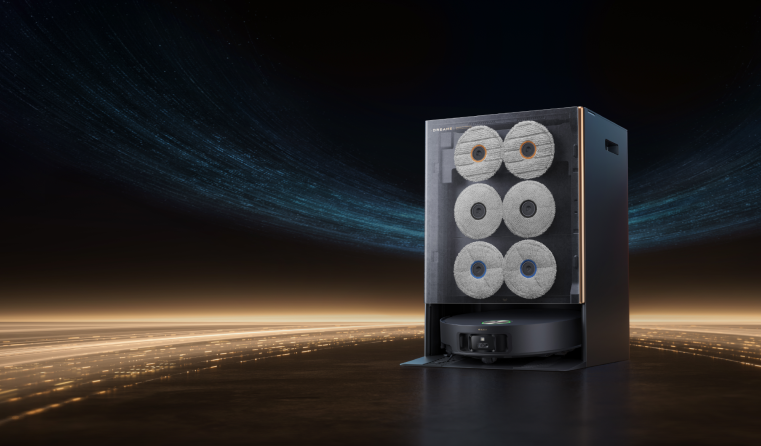
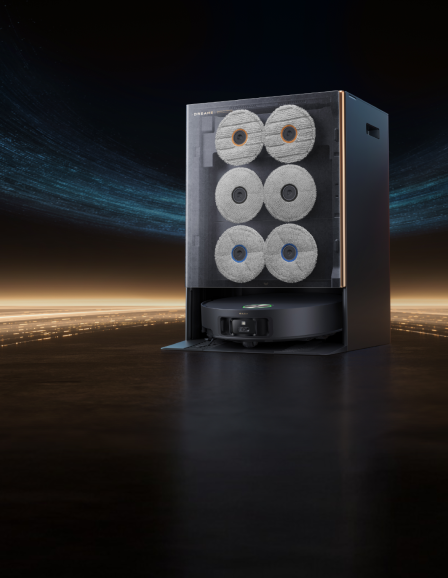
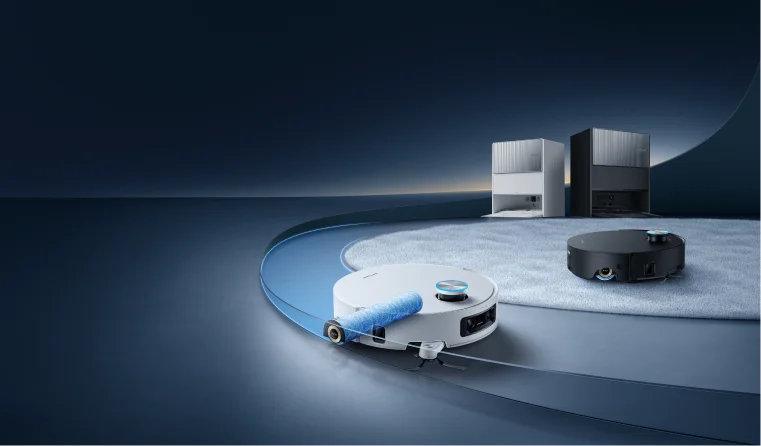


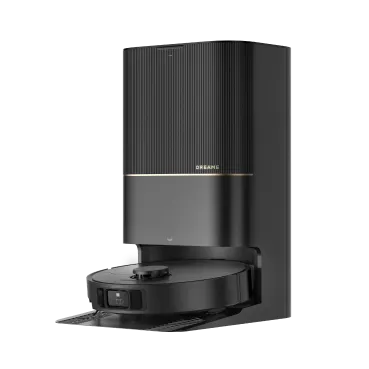


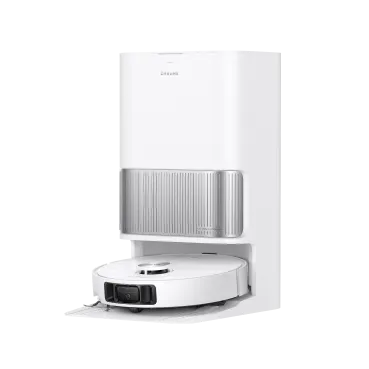
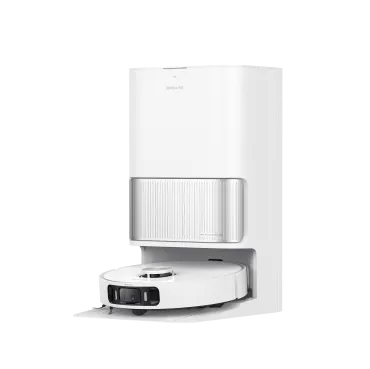
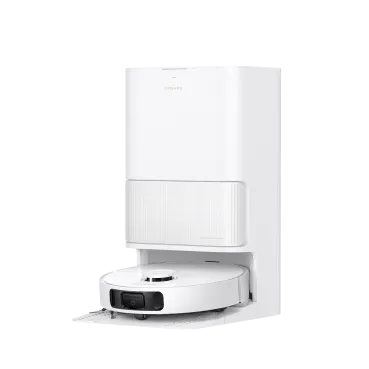


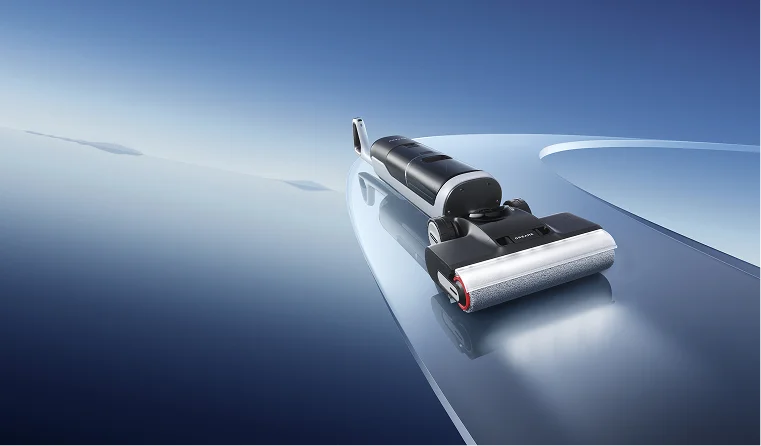
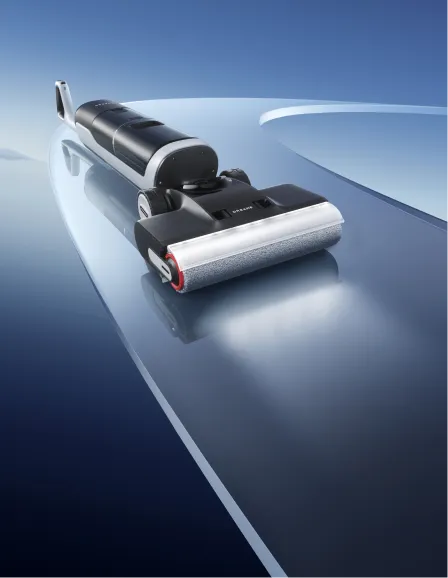
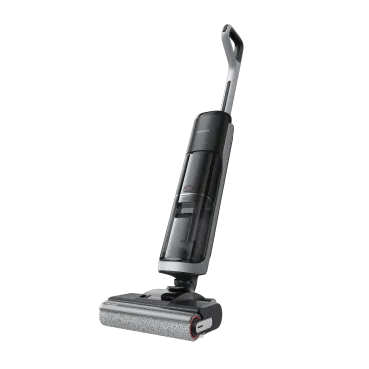

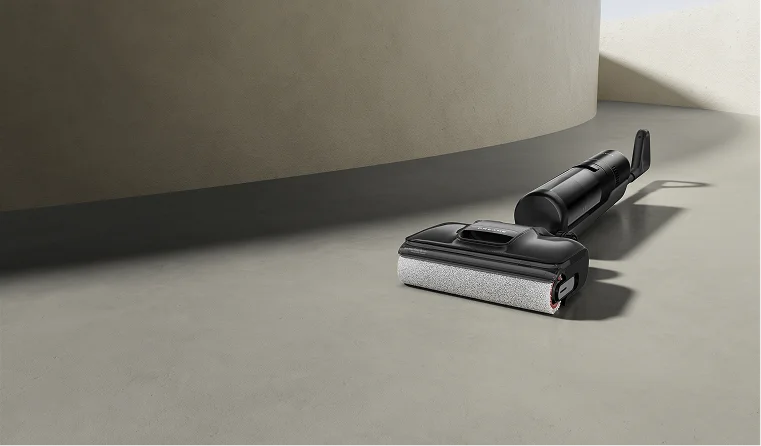
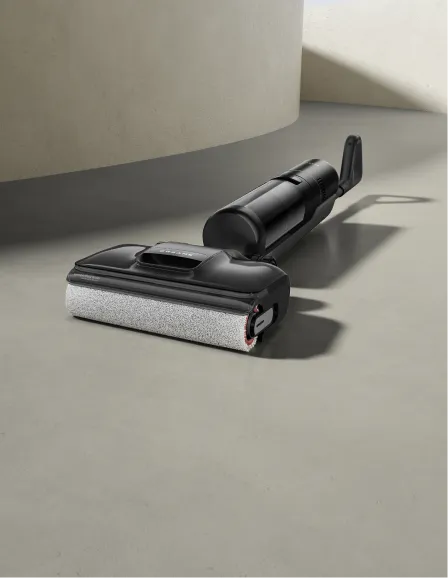
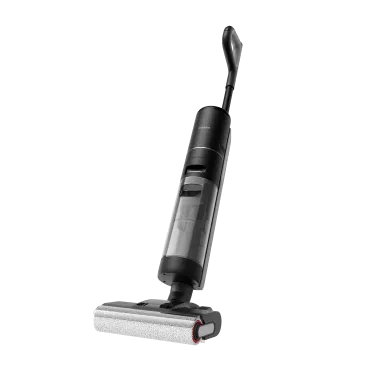


 Robot Lawn Mowers


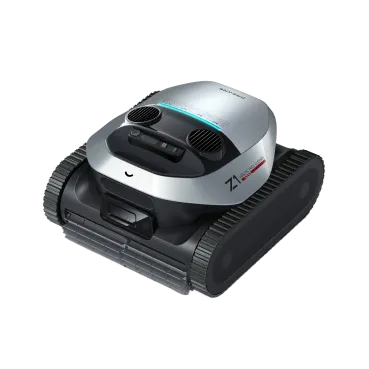

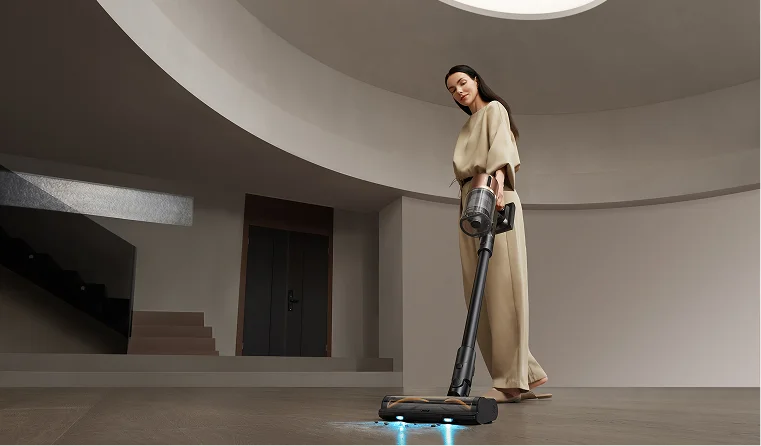
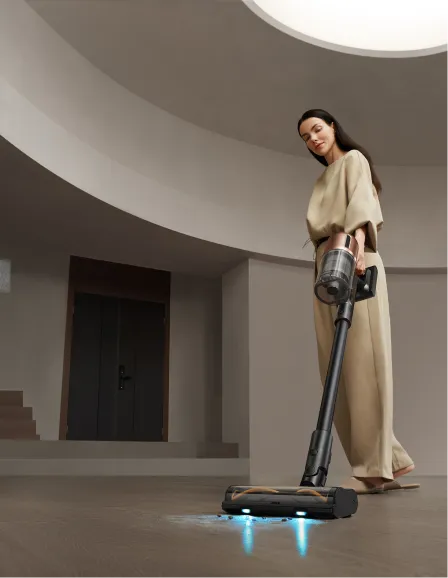
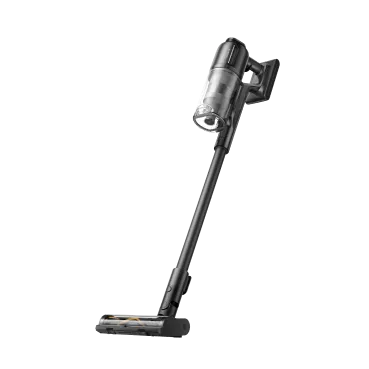
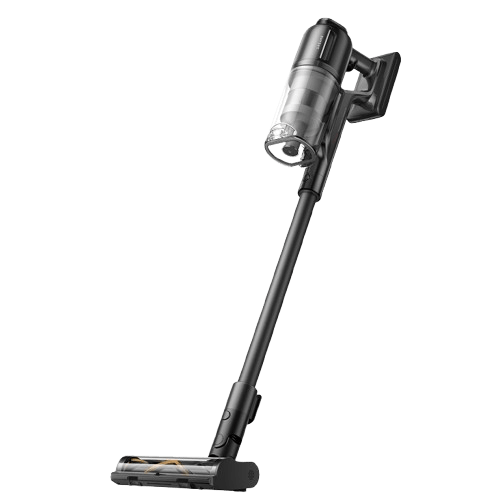
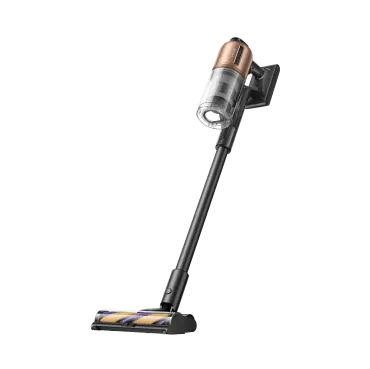














 Humidifiers


 Smart Door Lock


 Canada
 Australia
 中国大陆
中国大陆 日本
日本


 Türkiye


 Ireland
 Portugal
 Italia
 Netherlands
 Belgium
 Greece
 Polska
 Norway
 Sweden
 Finland
 Denmark
 Hungary
 Czechia
 Slovenia
 Croatia
 Switzerland
 United
Kingdom
United
Kingdom


 Colombia


