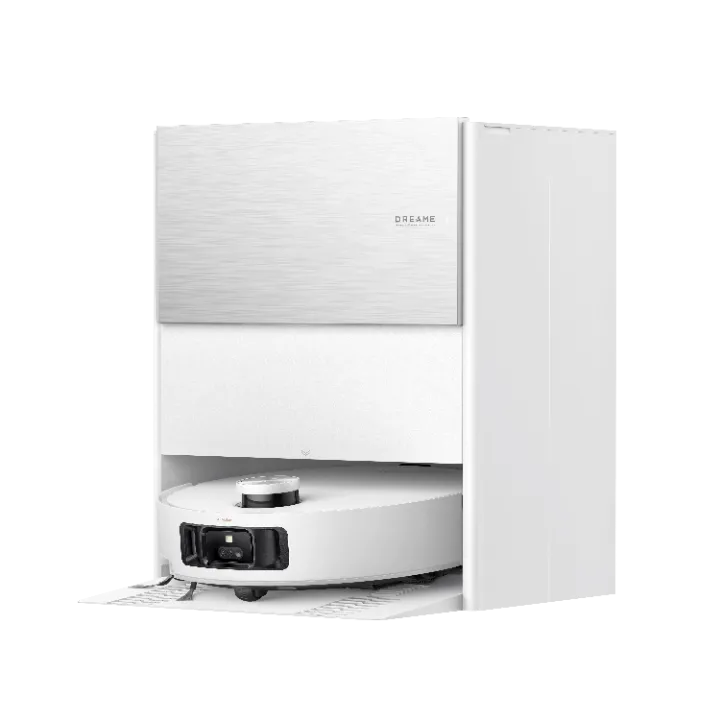
It’s extremely rare, but every now and then, you might notice your robot vacuum suddenly misreading, warping, or even completely breaking its carefully mapped layout of your home. Why does this happen, and what can you do?
Source: smarthomeassistent.de
Common Causes and Fixes for Robot Vacuum Map Issues
Here’s a breakdown of the most common reasons your carefully created mapping might go haywire, plus the solutions that can help reset things.
1. The Charging Dock Was Placed Incorrectly
What’s happening: One of the most overlooked causes is improper dock placement. If the dock is squeezed into a narrow niche or sits at an angle, the robot may misinterpret surrounding objects and walls from the very beginning, which can lead to a slanted or distorted map. Placing the dock in the middle of a room or against a slanted wall can also create issues.
What to do: Always position the dock flush against a straight wall, with at least 20 inches (50 cm) of clearance on either side and 40 inches (1 m) in front. The robot vacuum needs some room to dock and undock reliably.
2. The Sensors Are Dirty
What’s happening: Over time, fine dust can settle into the robot’s sensors, affecting navigation. A confused vacuum cleaner tech can easily throw off your map.
What to do: Clean your robot vacuum regularly, especially in homes with pets or heavy dust. Wipe down all sensors and clear away any buildup. In high-traffic homes, you may need to clean every 3-5 days.
3. The Robot Vacuum Got Stuck During Cleaning
What’s happening: If the vacuum gets trapped on thick rugs, under curtains, or on thresholds, it may struggle to free itself. In the process, it could distort the map or shift its internal location tracking.
What to do: Observe the cleaning process, especially during the first few runs. Use ramps for high thresholds, trim low-hanging fabrics, or consider raising your sofa with taller legs if it constantly snags the vacuum.
4. It’s Confused by Floor-to-Ceiling Mirrors or Windows
What’s happening: Floor-length mirrors and large reflective windows can confuse the robot’s LiDAR system. The laser thinks there's another room beyond the glass and maps it as such.
What to do: Apply a frosted film or decorative vinyl to the bottom part of the mirror or window to block the beam. These films are available in subtle, stylish designs and help prevent mapping errors.
5. Shiny or Chrome Surfaces Are Deflecting the Laser
What’s happening: Shiny objects like chrome laundry baskets or reflective furniture legs can bounce the robot’s laser signal, preventing it from recognizing the space accurately.
What to do: Temporarily remove reflective items during the mapping process, or cover furniture legs with matte tape if needed.
6. The Robot Was Lifted Mid-Clean
What’s happening: Lifting the robot while it’s actively cleaning can interrupt its route and confuse its internal navigation, causing a warped or overlapping map.
What to do: Never lift your robotic vacuum during cleaning. If you need to move it, pause or power it off first to avoid scrambling the map.
Final Tips
If your robot vacuum's map still seems off, try deleting the current map and letting it remap your home from scratch. Always make sure your home is robot-friendly: clear of clutter, reflective surfaces, and random obstacles. If you have any questions about Dreame robot vacuum cleaners or their mapping features, please reach out to our support team.
Have you ever thought about the air you breathe at home or at work? Tiny particles float around that you cannot see. These include dust, pollen, smoke, and even viruses. To get cleaner air, you need a special tool. HEPA filter.
What Is a HEPA Filter?
A HEPA filter is an air filter that captures very small particles. It stands for High-Efficiency Particulate Air filter. It can trap at least 99.97% of dust, pollen, mold, bacteria, and any airborne particles with a size of 0.3 microns (µm).
HEPA filters are made from a mat of fibers arranged randomly. These fibers can be made from glass or synthetic material, like polyester. The filter has many layers that form a maze for the air to pass through.
Unlike a simple filter that only catches big dust particles, a HEPA filter is tested for its ability to catch the smallest and hardest-to-capture particles. It is tested using the most penetrating particle size (MPPS), usually around 0.3 microns. These tiny particles are tricky to catch, so a HEPA filter needs to be very good to pass the test.
Types of HEPA Filters
When looking for a HEPA filter, it is easy to get confused by the types. Each one has different levels of filtration. Knowing these types helps you choose the right one for your needs.
Type of Filter
Filtration Level
Description
True HEPA Filter
99.97% of particles ≥ 0.3 microns
Certified to meet HEPA standards. Used in medical and cleanroom settings.
HEPA-Type Filter
Typically 85%–95% (does not meet HEPA standard)
Looks like a HEPA filter, but does not meet full standards. Traps fewer particles.
ULPA Filter
99.999% of particles
Stands for Ultra-Low Penetration Air filter. Even better than True HEPA. Used in labs and sensitive environments.
HEPA Filter Alternatives
Varies
Includes filters like electrostatic, ionic, and carbon filters. Some target gases and odors instead of particles.
How Does a HEPA Filter Work?
A HEPA filter cleans air differently from most filters. Instead of a simple screen, it uses a mat of fibers to catch particles in several ways. These methods are: interception, impaction, and diffusion.
First, for larger particles, like dust and pollen, the fibers act like a trap. As air passes through, these particles hit the fibers directly and stay there. Scientists call this method impaction.
Next, medium-sized particles move along with the air. As they pass near the fibers, they can get caught. This is called interception. It works because these particles cannot avoid the fibers and get stuck.
For the smallest particles, something different happens. Tiny particles like viruses and smoke move in random paths as they pass through the filter. This random movement is caused by air molecules bumping into them. This process is called diffusion. Because these particles change direction so often, they have a high chance of hitting the fibers and staying there.
Other filters, like carbon filters or ionic filters, work differently. Carbon filters trap gases and smells instead of particles. Ionic filters charge particles so they stick to surfaces instead of floating in the air. These filters are good for some uses, but do not replace HEPA filters for particle capture.
What Do HEPA Filters Filter?
HEPA filters are designed to catch a wide range of tiny things floating in the air. These include:
Dust from homes, workplaces, and outdoors.
Pollen from flowers and trees causes allergies.
Pet hair and dander that animals leave behind.
Smoke particles from cigarettes, cooking, and fires.
Mold spores can grow in damp places.
Bacteria and viruses that are too small to see but can spread sickness.
PM2.5 particles which are tiny bits of pollution smaller than 2.5 microns.
Each can harm health or make the air uncomfortable to breathe. HEPA filters can catch most of these particles, cleaning the air effectively.
HEPA Filter Efficiency and Standards
To make sense of filter performance, different countries use different rating systems. The most widely recognized HEPA Filter standards come from Europe (EN 1822), international bodies (ISO 29463), and the United States (MIL-STD and IEST standards).
1. European Standard: EN 1822
EN 1822 classifies filters based on how much they capture at MPPS. It defines three major groups:
Filter Class
Type
Minimum Efficiency at MPPS
E10–E12
EPA
85% to 99.5%
H13–H14
HEPA
99.95% to 99.995%
U15–U17
ULPA
99.9995% and above
This standard is widely used across Europe for cleanrooms, medical devices, and industrial environments.
2. International Standard: ISO 29463
ISO 29463 was introduced to harmonize global filter classifications. It builds on EN 1822 and introduces more detailed filter classes:
ISO Class Range
Group
Equivalent Efficiency
ISO 15 E–ISO 30 E
EPA
Similar to E11–E12
ISO 35 H–ISO 45 H
HEPA
Similar to H13–H14
ISO 50 U–ISO 75 U
ULPA
Similar to U15–U17
Like EN 1822, ISO 29463 tests filters using MPPS. However, it allows more flexible test methods and defines stricter leak detection protocols for high-performance filters.
3. U.S. Standards: MIL-STD and IEST
In the U.S., HEPA filter testing follows different standards, originally developed for military and industrial use:
MIL-STD-282 (1956): This military standard defines HEPA as a filter that removes at least 99.97% of 0.3 micron particles using DOP aerosol testing.
IEST-RP-CC001 & CC007: These are industry standards used to test HEPA and ULPA filters in cleanroom and pharmaceutical settings.
In the U.S., filters are generally labeled simply as "HEPA" if they meet the 99.97% at 0.3μm requirement. However, this single-point efficiency test is less precise than the MPPS-based classifications used in EN and ISO systems.
Comparison
Region
Standard
Test Basis
Minimum HEPA Efficiency
Europe
EN 1822
MPPS
99.95% (H13)
International
ISO 29463
MPPS
99.95% (ISO 35 H)
United States
MIL-STD-282 / IEST
0.3 μm (fixed)
99.97%
Factors Affecting HEPA Filter Efficiency
Several factors can change how well a HEPA filter works:
Airflow speed: If air moves too fast, the filter may not catch everything.
Filter quality: High-quality filters made with good materials perform better.
Sealing: If the filter is not sealed well in the machine, unfiltered air may leak past it.
Use over time: Dust buildup on the filter can lower its efficiency, so regular maintenance is important.
Where is the HEPA Filter Used?
HEPA filters are used in different types of devices that clean the air. Each device helps remove particles and improve air quality in its own way.
Device Type
Purpose
Air Purifiers
Clean air by removing particles such as dust, pollen, and allergens
Vacuums
Trap fine particles like dust and pet dander, preventing them from returning to the air
HVAC Systems
Filter air moving through heating, ventilation, and air conditioning systems
Medical Equipment
Clean air in devices such as ventilators and biosafety cabinets
Laboratory Equipment
Maintain clean air for experiments in devices like clean benches and fume hoods
Automotive Air Systems
Filter cabin air in cars and trucks to reduce outside pollution
Dreame Take
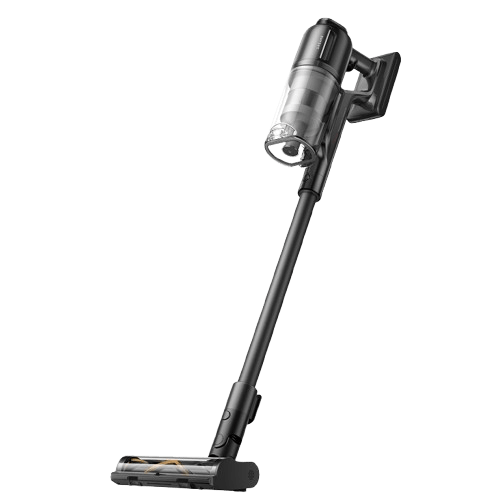
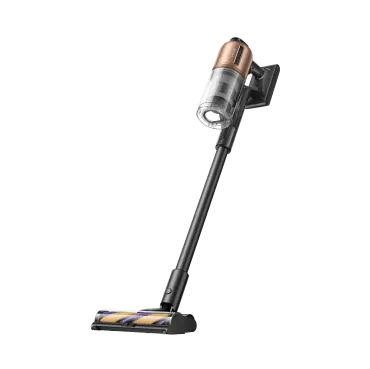
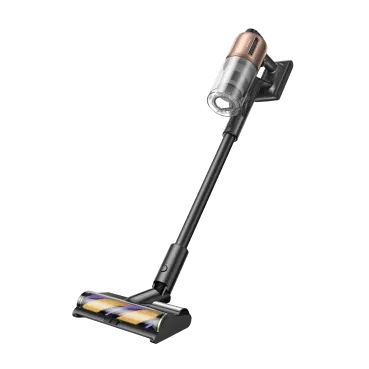
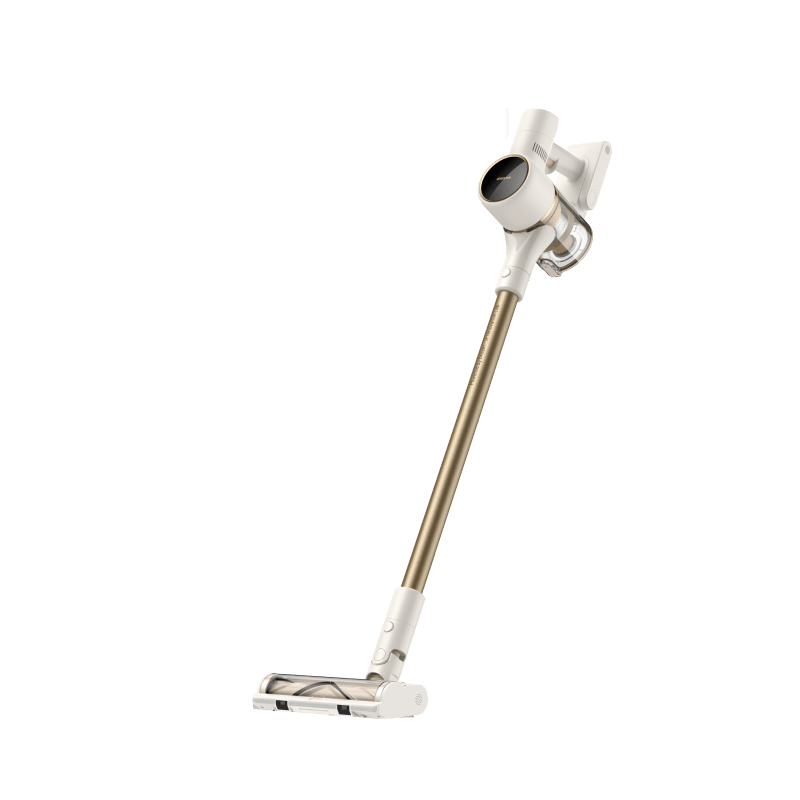
If you are in the market for the devices as mentioned above, never overlook HEPA filtration, a big role in your health. For instance, the Dreame Z20 Cordless Stick Vacuum uses a whole-machine HEPA filtration system with 99.99% efficiency for particles ≥0.3µm, including bacteria and viruses. It also has 250AW suction power and CelesTect Light Technology to reveal hidden dust.
HEPA Filter Replacement and Maintenance
HEPA filters need proper care to keep working well. Over time, they can fill with dust and lose efficiency. Here's how to keep them in good shape.
How Often to Replace HEPA Filters
Most HEPA filters last between 6 and 12 months, but this depends on how often they are used and the type of device. Check the manufacturer's instructions for the best replacement schedule.
Signs You Need a Replacement
Weak airflow from your device
A noticeable smell of dust or musty air
More visible dust or particles in the air
An indicator light (if the device has one) signaling it's time
How to Properly Replace a HEPA Filter
Turn off the device and unplug it.
Open the filter compartment.
Take out the old filter carefully.
Put in the new filter, matching the arrows or guides.
Close the compartment and turn the device back on.
How to Clean a HEPA Filter
Some HEPA filters in vacuums are washable, but many are not. Washing the wrong type may damage the fibers that trap particles.
For washable HEPA filters:
Take the vacuum outside.
Open the vacuum and remove the filter.
Wash the filter in water with mild detergent.
Rinse it until it is completely clean.
Leave the filter to air-dry fully. A damp filter cannot trap particles properly.
For non-washable HEPA filters:
Take the vacuum outside or to a well-ventilated space.
Open the vacuum and remove the filter.
Use a soft brush to gently remove dust and debris from the filter surface.
Look carefully to make sure it is clean. Avoid cleaning the inside part as it is usually clean.
If you're unsure how to clean your vacuum's filter or whether it's even safe to wash, read our HEPA filter cleaning instructions.
Why Choose a HEPA Filter
A HEPA filter provides clean, particle-free air in many settings. Its structure traps particles as small as bacteria and allergens, improving air quality for better health. Whether used in vacuums, air purifiers, or other devices, it is an effective tool for maintaining cleaner spaces.
With regular replacement and maintenance, a HEPA filter remains a reliable choice for air filtration. Its ability to catch small particles without releasing harmful byproducts makes it a safer, smarter option for anyone who wants cleaner air.
Dust is relentless; it gets everywhere, from the top of the kitchen extractor fan down to the crevices of your salon chairs. Dust is the enemy of a clean house, but also the enemy of good health and those with dust allergies. These tiny particles refuse to be swept up or even wiped up, so how can you make sure you really target and cleanse every dust-laden surface?
This guide breaks down the types of dust-busting machines available on the market today and details what you should look out for in order to choose the right one for your lifestyle, home, and budget. Let’s dive into the dust!
Why Dust Control Matters
Before starting the dust-busting journey, let’s first figure out why removing it is important. Three key reasons to remove dust from your living spaces are:
Health benefits: Dust is made up of a variety of materials, including skin particles from both humans and animals, pollen, and mold spores (dust can also carry living dust mites!), and all these components can trigger or aggravate allergies and asthma. Removing dust from your home will allow you to maintain a healthier environment for yourself, your family, and your visitors.
Cleaner living space: Nobody likes a dirty home, and nobody likes visiting a dirty home either. Choosing the right dusting machine will make keeping a clean house simple and quick, turning a tedious household chore into a doddle.
Prolonged life for household appliances: This is a benefit to dusting that many people miss. Dust particles clog up air filters and extractor fans, and get into many other household appliances too, meaning you’ll need to replace them sooner if you don’t dust well.
What Is a Dust Vacuum?
Dusters have come a long way since being feathers on a stick. Today’s dusting devices come with a range of functions and powers, and one such option is the dust vacuum - a vacuum cleaner with the right attachments for sucking up dust anywhere. Merriam Webster defines a vacuum cleaner as a household appliance for cleaning floors, carpets, and upholstery but this electrically powered cleaning device can be used for even more surfaces when paired with the right accessories.
Is There a Vacuum You Can Dust Surfaces with?
Traditional vacuums are large and free-standing and are a great option for removing dust, especially from floors and carpets. However, modern vacuums, such as handheld vacuums and stick vacuums also come in smaller sizes and with attachments to enable dusting in crevices, hard-to-get-to surfaces, and on surface tops. The best vacuum option for dusting surfaces is the multi-surface or “Dusting-Mode” vacuum, which offers settings for many surface types, including curtains, shelves, and sideboards.
Dust Busting Machines vs. Vacuum Cleaners
Dust-busting machines are not better than vacuums but are instead compliments to them. For example, vacuuming an area can rid the surfaces of dust, but only an air purifier will remove the dust from the air to create a truly dust-free environment. So, let’s look at both:
Types of Dust-Busting Machines
Air Purifiers
These autonomous machines can remove some of the dust before it settles, tackling airborne allergens and particles. Additionally, it can create wonders for those suffering from allergies.
Steam Cleaners
A similar shape to upright vacuums, steam cleaners are excellent for killing dust mites, removing stubborn grime, and sanitizing floors and upholstery with hot steam.
Dry Dust Mops and Rechargeable Electric Dusters
These more economical choices can be effective dust-busters for daily maintenance or light cleaning.
Type
Best For
Filter Type
Portability
Surface Compatibility
Dust Capacity
Power Source
Key Features
Air Purifier
Airborne dust, allergens, pet dander
True HEPA, Carbon, UV
High (stationary, but lightweight)
Air only
Removes a small amount from air only
Plug-in
Reduces airborne dust; improves indoor air quality
Steam Cleaner
Sanitizing surfaces, sticky or stuck-on dirt
No filter (uses heat & water)
Medium
Tile, hardwood, sealed floors, fabric
Small water tank
Plug-in
Kills bacteria with heat, not for dry dust
Dry Dust Mop / Electric Duster
Light surface dust, daily maintenance
None or microfiber pad
Very high
Wood, tile, laminate
Small (if any)
Manual or rechargeable battery
Quiet, lightweight, reusable pads, no suction
Types of Vacuum Cleaners Good for Dusting
Handheld Vacuums
Handheld vacuums are lightweight and portable, making them ideal for targeting smaller or high-up areas. They are ideal for vacuuming car interiors, furniture, or awkward areas in the home.
Fine Dust Vacuums
Fine dust vacuums are effective for targeting areas with a high concentration of fine dust particles, such as construction dust, drywall dust, sawdust, dust mites, or pollen and other allergens. However, they often have a short battery life and can be expensive.
Industrial Dust Vacuums
Industrial dust vacuums are built for work and are used in construction sites and large industrial and commercial zones that require continuous and heavy vacuuming. They are robust and have powerful suction, with wet and dry suction options.
Multi-surface or “Dusting-Mode” Vacuums
Dusting-mode vacuums are great for surface tops, curtains, shelves, and carpets. They offer a range of settings to adjust the suction and power for each surface type.
Type
Best For
Filter Type
Portability
Surface Compatibility
Dust Capacity
Power Source
Key Features
Fine Dust Vacuum
Fine particles (e.g., drywall, allergens)
HEPA or multi-stage
Medium (varies by size)
Hard floors, carpets, workshops
Medium to large
Corded
Captures microscopic dust; ideal for allergies or renovations
Industrial Vacuum
Construction, hazardous, or large-volume dust
HEPA / OSHA / ULPA
Low (bulky)
All surfaces (indoors/outdoors)
Very large
Corded (sometimes battery-assist)
Durable, powerful suction, designed for heavy-duty work
Handheld Vacuum
Cars, upholstery, spot cleaning
Washable/basic
Very high
Furniture, stairs, vehicles
Small
Battery
Compact, great for tight spaces and quick jobs
Multi-surface / Dusting-mode Vacuum
Mixed floor types, shelves, delicate surfaces
HEPA or soft filter + attachments
Medium to high
Wood, tile, carpet, upholstery
Medium
Corded or cordless
Adjustable suction, soft dusting brushes, floor-mode switches
Three Benefits of Dusting with a Vacuum
Health benefits: Dust is made up of a variety of materials, including skin particles from both humans and animals, pollen, and mold spores (dust can also carry living dust mites!), and all these dust components can trigger or aggravate allergies and asthma. Removing dust from your home will allow you to maintain a healthier environment for yourself, your family, and your visitors.
Cleaner living space: Nobody likes a dirty home, and nobody likes visiting a dirty home either. Choosing the right dusting machine will make keeping a clean house simple and quick, turning a tedious household chore into a doddle.
Prolonged life for household appliances: This is a benefit to dusting that many people miss. Dust particles clog up air filters and extractor fans, and get into many other household appliances too, meaning you’ll need to replace them sooner if you don’t dust well.
Can You Dust with Robot Vacuums?
Now that you know the benefits of dusting, you should know that it can be done without much input from you — robot vacuums can dust automatically.
Robot Vacuums
Best for: Automated scheduling and autonomous vacuuming for daily dust management.
Pros: Programmable, hands-free dust removal that is ideal for daily maintenance, pet dander, and hair. In addition, it works when you’re not at home.
Cons: Can miss spots, and is not the best fit for surfaces other than floors.
Matching the Machine to Your Home
As we’ve seen, matching the right dust-busting machine to your home depends on a variety of factors, including surface area type, size, and flooring. To make it simpler, here is a quick guide based on different homes:
1. Small Apartments
A stick vacuum plus a compact air purifier will target the air and your surfaces without taking up that much-needed space. These are also perfect for quick and easy daily use.
2. Large Homes
With a larger area comes a need for increased battery life, better versatility, and suction power for deep cleaning. For larger homes, choose an upright or canister vacuum combined with a whole-home air purifier.
3. Homes with Pets
Pets mean hair and more skin cells, as well as the occasional bug or beast they bring in with them. To kill allergens and ensure a healthy and clean home, you’ll need a high-suction vacuum with pet hair attachments, plus a HEPA air purifier.
4. For People with Allergens
To better protect those who suffer from dust allergies or animal allergies in cases where there are pets in the home, choose the options with the deepest cleaning abilities. This means choosing a high-suction vacuum, HEPA air purifier, and a steam cleaner.
5. For Busy Professionals
It’s common these days to not have the time to clean, so if you need a dust-busting machine that will take care of this chore for you in an effective way, choose a robot vacuum cleaner plus an air purifier equipped with auto sensors.
Features that Matter
Before closing the topic of which duster, vacuum, or air purifier you need, let’s recap some of the key features to consider when narrowing down your choice for the best vacuum cleaner for you.
Multi-Surface Cleaning Functionality
An important option for both vacuums and steam cleaners when considering dust control at home is adjustable settings for different surface types, such as tiles, wooden floors, stone floors, and carpets.
Suction Power
Consider your suction needs to choose appropriate dust removal tools; for example, you’ll need more suction for surfaces such as carpets or upholstery. You can check suction power by checking the air watts (AW) or wattage, with a higher number usually indicating higher power (and energy usage).
Noise Level
Some vacuums can be incredibly noisy, so consider your household, especially children and pets, before choosing. Look for decibel ratings below 70 dB for a comfortable volume.
Smart Connectivity
In today’s technological world, you can choose a vacuum, steam cleaner, or air purifier for dust that connects to WIFI or mobile apps for scheduling and control, or that responds to voice commands. You just need to choose what works for you.
Bagged vs. Bagless
Vacuums come with bagged, where all the dust is sucked into a bag ready for disposal, or bagless options, where the dust is sucked straight into the vacuum and then emptied. Bagged options are considered allergy-friendly vacuums since the dust is contained, but they are also less eco-friendly and less economical, as they require the frequent purchase of replacement bags. Bagless options mean there is a higher chance of putting dust particles in the air when you empty the vacuum cleaner, but they are economical and eco-friendly, and work just as well.
HEPA Filtration
For air purifiers, you really can’t go wrong with HEPA filters. They capture microscopic particles and are non-negotiable for those who suffer from allergens or have pets.
Eco Responsibility
Consider energy-efficient and rechargeable vacuums that offer bagless vacuuming or reusable filters to protect the planet. If buying a steam cleaner, be sure to select one that does not use chemicals.
Our Top Picks for Dusting and Vacuuming
All-reach choices:
Dreame Z30 Cordless Stick Vacuum, with auto adjustment functionality based on dirt detection.
Dreame Z20 Cordless Stick Vacuum, with powerful 250AW suction.
Dreame R10 Pure Cordless Stick Vacuum, lightweight and with 99.9% filtration efficiency.
Dreame H14 Wet Dry Vacuum, with a liquid separation motor to safely vacuum up any spill.
Robot Vacuum picks:
Dreame X50 Ultra Robot Vacuum, with the world's first robotic retractable legs on a robot vacuum, allowing it to silently glide over obstacles.
Dreame L40 Ultra Robot Vacuum, offering hot water mop washing and warm air drying for spotless value and effortless reach.
Dreame D10 Plus Gen 2 Robot Vacuum for 90-day dust collection with one bag.
Maintenance Tips for Longevity
Now that you’ve selected your dust-busting machine, look after it! Here are some of the top vacuum maintenance tips to remember:
Empty dust bags regularly
Clean or replace filters regularly
Check for clogging in hoses and brushes
Store properly in a dry place away from moisture and heat
Recharge batteries fully if you’ve chosen a cordless model
Final Thoughts
You deserve a dust-busting machine that matches your home and lifestyle, whether that be a vacuum with high suction power, an air purifier with the best dust filters, a robot vacuum that does the job for you, or a steam cleaner that sanitizes all surface types. So, now that you’re armed with all the right information, choose the right dust-busting machine for you.
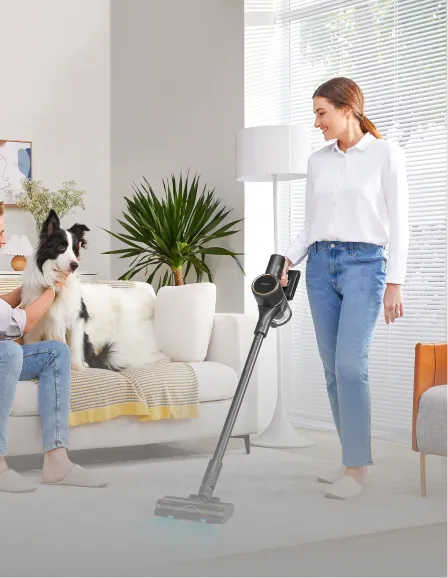
Living with a dog is fun, but cleaning up after them is a full-time job without pay. Many dog owners know the struggle of pet hair everywhere. But fur isn’t the only challenge; there’s also dander, allergens, and the noise and movement of vacuums that can upset even the calmest pets. From choosing the right vacuum to creating a dog-friendly cleaning routine, vacuums can do more than just pick up hair. They can help keep the whole home cleaner and make life easier for both you and your dog.
1. Yes, There Are Vacuums Made for Dog Hair
When you have a dog, loose fur is just part of life. It ends up on floors, carpets, and even furniture. Some days, it feels like no matter how much you clean, the fur keeps coming back. However, the good news is that there are vacuums designed to handle it.
So, what is a good vacuum for dog hair?
Well, such vacuums are often designed with pet owners in mind. These models usually combine strong suction power, brush systems made to pick up hair, and advanced filtration to trap allergens. Some models even feature tangle-free brushes that prevent pet hair from wrapping around the rollers. High-quality filters, like HEPA systems, can capture tiny particles, including pet dander and allergens, helping to keep the air cleaner.
2. Robot Vacuums Can Handle Dog Hair, But Choose Wisely
Dog hair has a way of finding its way into every corner of the house. Some robot vacuums can easily keep up with it, but others may struggle to keep floors clear. It really depends on the model and the features it offers.
Strong suction power and an effective detangling brush are two features that matter most when it comes to tackling pet hair. These elements help lift fur from deep in carpets and prevent long strands from clogging the brush.
Among a sea of robot vacuums on the market, the Dreame X50 Ultra Robot Vacuum is a wise choice. It features 20,000Pa Vormax suction and a HyperStream™ Detangling DuoBrush that lifts long pet hair without tangling. This makes it perfect for homes with high-shedding breeds. Plus, it's a 100-day auto dust emptying system that helps manage hair build-up, saving you time and effort.
3. Robot Vacuums Can Avoid Dog Poop
Do robot vacuums avoid dog poop? Cheaper models often do not, and they might drag the mess around your home. However, advanced models with AI vision systems and smart sensors can recognize and avoid solid obstacles, including pet waste.
Currently, robotic vacuum cleaners can recognize and steer clear of hundreds of objects. Take the Dreame X50 Ultra as an example: it can identify up to 200 different types of objects, including pet waste. Plus, its Smart Dirt Detection 2.0 can tell the difference between solids, liquids, and mixed messes. It can adjust cleaning depth, meaning it avoids accidents and still delivers a deep clean.
4. You Can Vacuum Your Dog - With the Right Tool
Dog hair gets everywhere, but grooming tools can help reduce the mess. Some vacuums have special attachments designed for grooming dogs safely. These tools gently remove loose fur and reduce allergens, collecting hair before it spreads around the house.
For example, look at the Pet Deshedding Tool that the Dreame Z30 Cordless Stick Vacuum comes with. It is designed to handle floating fur and comb through the coat, simplifying the grooming process. This not only reduces loose hair but also keeps dander and allergens under control, making your home cleaner and your dog happier.
5. Vacuum Fleas Off a Dog? Technically Yes, But…
Vacuuming can remove some fleas from a dog’s coat, but it’s not a substitute for proper flea treatments. A vacuum might pick up adult fleas, but it won’t catch eggs or larvae.
Also, vacuuming your dog’s coat may not be comfortable or safe unless done carefully. Fleas tend to hide deep in the fur or bedding. Flea control requires a mix of steps, including using flea combs, proper cleaning, and veterinarian-recommended treatments. Regularly cleaning your dog’s bedding, carpets, and home surfaces also helps reduce flea infestations.
6. Why Do Dogs Hate Vacuums (And What You Can Do About It)
Dogs may be scared of vacuums for several reasons. The noise, vibrations, and unpredictable movement can be overwhelming. Vacuums can sound loud to us, but dogs hear even more. Humans hear between 20 and 20,000 Hz, while dogs hear up to 45,000 Hz. What seems like a steady hum to us may feel sharp and uncomfortable to them.
Loudness also plays a part. Vacuums can reach up to 80 dB, which can be disturbing for dogs, especially those with past bad experiences with loud noises like fireworks or thunder. The way a vacuum suddenly appears and moves unpredictably adds to stress. This can trigger fear, barking, hiding, or even aggression.
To help your dog stay calm, try these simple things:
Start with the vacuum turned off and let your dog sniff and explore it.
Offer a treat and speak calmly when your dog approaches the vacuum, and let them connect the vacuum with something positive.
Gradually introduce the vacuum sound at a distance.
Keep sessions short and positive, slowly increasing time as your dog adjusts.
Try cleaning when your dog is in another room to reduce stress.
Choose a quieter vacuum model or set no-go zones for robot vacuums if needed.
Dreame take:
If your dog jumps at every loud sound, a quieter vacuum can make life easier for both of you. For instance, the Dreame X50 Ultra Robot Vacuum can do a great job in noise reduction. Its shock absorption in the ProLeap™ System helps reduce noise levels, which is thus less stressful for pets. This allows for more comfortable cleaning sessions while still delivering strong performance.
7. How Often Should You Vacuum with a Dog? More Than You Think
Dogs shed hair, track dirt inside, and bring in allergens. To keep your home clean, you should vacuum at least a few times a week. In busy homes or with multiple pets, daily vacuuming might be needed. Below, take a quick look at how often you should vacuum:
Home Type
Vacuuming Frequency
Small home, 1 dog, low shedding
2–3 times per week
Small home, 1 dog, high shedding
4–5 times per week
Large home, multiple dogs, low shedding
4 times per week
Large home, multiple dogs, high shedding
Daily
A busy home with kids and dogs
Daily
Robot vacuums can help by running on a set schedule, saving you time and effort. They can clean daily, even when you are away. Keeping up with vacuuming helps remove fur, dust, and dander, making your home fresher and healthier for both you and your dog.
8. Air Quality Matters
When living with a dog, keeping the air clean is as important as cleaning floors. Dog hair and dander can make the air dusty and full of allergens. A good vacuum with a strong filtration system helps trap these particles before they spread.
HEPA filtration systems set the gold standard for allergen control, capturing microscopic particles like dust, dander, and bacteria with 99.99% efficiency, down to 0.1 microns in size. This makes them indispensable for maintaining air quality, particularly in homes with shedding pets. Many vacuums, including Dreame Z30 Cordless Stick Vacuum, exemplify this technology, using its advanced HEPA system to trap dust, dander, and even bacteria, leaving the air fresher. For dog owners managing allergies or asthma, such targeted filtration transforms routine vacuuming into a proactive health measure.
9. Different Vacuums Cause Different Dogs' Behaviour
Not all vacuums affect dogs the same way. The type of vacuum you use can change how your dog reacts. Some dogs are scared of loud noises, while others get confused by the movement of a robot vacuum. Let’s look at how different vacuums may affect your dog’s behavior:
Vacuum Type
Noise Level
Movement Pattern
Typical Dog Reaction
Notes
Traditional Upright/Canister
Loud (70–80 dB, high-pitched)
Human-controlled, somewhat unpredictable
Fear, anxiety, barking, hiding, and aggression
The most common cause of fear and stress
Robotic Vacuums
Moderate, motor noise
Autonomous, unpredictable
Avoidance, wariness, herding/chasing attempts
Confuses dogs due to autonomous movement
Stick Vacuums (Cordless)
Moderate (60–70 dB)
Human-controlled, flexible
Cautious, some barking or retreating
Quieter than traditional types, often tolerated better
Wet and Dry Vacuums
Moderate to loud (65–75 dB)
Human-controlled, limited movement
Mild anxiety, curiosity
Water movement noise may startle sensitive dogs
Handheld Vacuums
Low to moderate (55–65 dB)
Human-controlled, focused
Mild curiosity, possible approach for sniffing
Less intimidating due to size and noise
Central Vacuum Systems
Low (main unit far from the cleaning area)
Human-controlled, stable
Minimal reaction, possible mild curiosity
Quieter due to a distant motor, less disturbing
Different dogs react differently:
Generally, traditional upright vacuums are more likely to scare dogs because of the loud noise and unpredictable movements.
Robotic vacuums, while quieter, can confuse dogs due to their paths and behavior.
Cordless stick vacuums often strike a balance, being quieter and less intrusive, though some dogs might still be cautious.
Wet and dry vacuums may surprise dogs with water noises.
Handheld vacuums usually cause less fear due to their small size and lower noise.
Central vacuum systems may be the least stressful since the main unit is far from the room.
Eight Quick Tips for a Cleaner, Fur-Free Home
Keeping a home clean with a dog is easier when you use the right methods. Try to apply some tips to keep your space free of fur and dirt:
Use a vacuum with high suction and a pet hair brush to remove fur from carpets and upholstery.
Run a robot vacuum daily, especially in high-traffic areas, to pick up hair and dirt before it spreads.
Brush your dog regularly to reduce shedding. Doing this outside helps keep fur out of your home.
Wash dog bedding often to prevent the buildup of fur and dander.
Use a vacuum with a HEPA filter to trap allergens and keep the air clean.
Vacuum high-shedding areas like couches, rugs, and pet play zones more frequently.
Consider using a wet and dry vacuum for messes that include mud or spills.
Teach your dog to relax near vacuums to reduce stress during cleaning time.
These steps, simple as they might seem, can help keep your home fresh, healthy, and welcoming for both you and your dog.
Final Thoughts: Keeping Your Home Clean and Your Dog Comfortable
Dog owners know how much hair, dirt, and dander can collect in a home. The right vacuum and cleaning habits can make all the difference. You can keep your home fresh and fur-free while helping your dog feel more comfortable around vacuums.
Explore Dreame’s vacuum lineup to find a model that fits your cleaning needs and makes life with your dog a little cleaner and a lot happier.
FAQs About Vacuums and Your Dog
Q1: Can vacuuming really reduce allergens in a home with dogs?
Yes, regular vacuuming can reduce allergens like pet dander, dust, and pollen. Using a vacuum with sealed filtration and HEPA-level filters captures fine particles that would otherwise spread through the air. This makes a noticeable difference in indoor air quality, especially for allergy-sensitive family members.
Q2: Should I vacuum before or after brushing my dog?
It’s best to brush your dog first. Brushing loosens and removes dead hair and dander. Vacuuming after brushing will pick up the hair and debris that brushing leaves behind. This approach helps reduce the amount of hair that spreads around the house.
Q3: How can I train my dog to stay calm around vacuums?
Start by turning the vacuum off and letting your dog sniff it. Use treats and calm praise to build a positive association. Gradually introduce the sound at a distance, increasing the exposure as your dog becomes more comfortable. Avoid forcing the interaction, and keep sessions short and stress-free.
Q4: Why do some dogs chase robot vacuums while others hide from them?
A dog’s reaction depends on personality and past experiences. Some dogs find the slow, unpredictable movement of robot vacuums intriguing and try to “herd” them, while others find the same movement unsettling and prefer to hide. Observing your dog’s behavior can help you adjust cleaning times to avoid stress.
Q5: Can vacuuming help reduce pet odors?
Yes, frequent vacuuming removes hair, dirt, and dander, which are sources of pet odors. Focusing on high-traffic areas, furniture, and dog bedding will help keep your home smelling fresh. However, deep cleaning carpets and fabrics periodically is also important for long-term odor control.
In today's world, where technology is advancing at an unprecedented rate, home appliances have become more efficient and user-friendly. Among these, vacuum cleaners stand out as a staple in maintaining a clean and healthy living environment. However, what happens when you upgrade to a new model, or your current vacuum cleaner is simply no longer needed? Donating your vacuum cleaner is an eco-friendly and generous way to give back to the community. This guide will walk you through how to donate a vacuum cleaner, ensuring it reaches those who need it the most.
Why Donate Your Vacuum Cleaner?
Donating your vacuum cleaner helps others and contributes to environmental sustainability. Many households and organizations lack the resources to purchase new appliances. By donating, you're directly supporting families and communities, ensuring they have access to essential cleaning tools.
Environmental Impact: Each year, millions of appliances end up in landfills, contributing to environmental degradation. By choosing to donate, you reduce waste and promote recycling, which can significantly decrease your carbon footprint.
Community Support: Charities and organizations often face budget constraints, and your donation could be a valuable resource for them. Whether it's a community center, a shelter, or a low-income household, your vacuum cleaner can make a difference.
Where to Donate a Vacuum Cleaner?
Finding the right place to donate your vacuum cleaner is crucial and not always easy. Here are some options:
Goodwill Vacuum Donation
Goodwill is a well-known organization that accepts various household items, including vacuum cleaners. They refurbish and sell these items to support their employment and training programs.
Local Charities
Many local charities and thrift stores accept vacuum cleaners. Organizations like The Salvation Army, Habitat for Humanity, and local shelters are always in need of appliances.
Online Platforms
Websites like Freecycle and Craigslist allow you to list your vacuum cleaner for free, connecting you with individuals or organizations in need.
Community Centers
Check with local community centers or churches, as they might have ongoing programs requiring household appliances.
Source: www.habitat.org
Preparing Your Vacuum Cleaner for Donation
Before donating, ensure your vacuum cleaner is in good working condition. Here’s how to prepare it:
Clean and Test: Thoroughly clean your vacuum cleaner, removing any dust and debris. Test it to ensure it's functioning properly. This step is important as it ensures the recipient receives a working appliance.
Replace Parts: If necessary, replace filters or bags to enhance performance. A little maintenance can go a long way in extending the life of the vacuum cleaner.
Gather Accessories: Include any attachments or accessories that came with the vacuum cleaner. This will make it more useful for the recipient.
Can You Donate Vacuums That Don't Work?
It's a common question: can you donate vacuums that no longer work? The answer is yes, but with a caveat. Some organizations have the resources to repair and refurbish non-working appliances. However, always check with the organization first to ensure they can accept non-functional items.
If you cannot donate a vacuum cleaner, the best alternatives are:
Take it to a local recycling center or certified e-waste facility that accepts vacuum cleaners for proper recycling of metal, plastic, and electronic components.
Use retailer take-back programs offered by stores like Best Buy or Amazon, which accept old vacuums for responsible disposal.
If available, participate in municipal bulky waste or e-waste pickup programs.
These options ensure environmentally safe disposal and help reduce landfill waste.
Vacuum Donation Request: How to Respond?
Sometimes, you might come across direct requests for vacuum donations. These could be from local charities or individuals in need. Responding to these requests can be a direct way to ensure your donation reaches someone who genuinely needs it.
Assess the legitimacy of the request. If it comes from a known organization or community group, it's likely credible.
Once confirmed, coordinate the drop-off or pick-up details. Ensure you have a clear understanding of where and when the exchange will take place.
The Future of Home Cleaning Technology
As technology continues to evolve, the future of home cleaning looks promising. Smart vacuums, equipped with advanced sensors and AI, are becoming more prevalent, making cleaning more efficient and convenient.
Embracing Smart Technology
Smart vacuum cleaners like robot vacuums can navigate homes autonomously, avoiding obstacles and optimizing cleaning paths. They can be controlled via smartphones, offering unparalleled convenience.
Sustainable Design
Future models are focusing on sustainability, using eco-friendly materials and energy-efficient designs. This shift not only benefits the environment but also reduces long-term operational costs. From compact stick vacuums to versatile wet and dry models, newer designs aim to balance performance with responsible consumption, helping you clean smarter and greener.
Conclusion
Donating your vacuum cleaner is a noble act that benefits both the community and the environment. By understanding where and how to donate, you ensure your appliance reaches those who need it most. As we embrace the future of smart home cleaning technology, let's also commit to responsible and generous practices that uplift our communities and protect our planet.
Donating isn't just about giving away what you no longer need, it's about making a meaningful impact. So, the next time you consider upgrading your vacuum cleaner, remember that your old model could be a new beginning for someone else. Let's keep our homes and our communities clean, one vacuum cleaner at a time.
Finding a high-quality cordless vacuum that won't break the bank can feel like searching for a needle in a haystack. According to numerous verified Amazon reviews, the Dreame R10 Pure stands out as an exceptional choice among budget-friendly cordless vacuums. Here's what real users have to say about why they love it.
Powerful Suction for Every Mess
One verified reviewer noted, "Even on its lowest level, the suction picked up the carpet every time I hovered in one place without moving," clearly impressed by its cleaning strength. Another user emphasized, "The motor creates a lot of suction power, handling pet hair and daily dirt with ease."
Reliable Long Battery Life
Another satisfied customer shared, "Battery life is excellent… it says 60 minutes and I got about 59 minutes out of it," highlighting its reliable performance during thorough cleaning sessions. Users also appreciated the quick charging feature, noting it takes just a couple of hours to fully recharge.
Lightweight and Easy to Maneuver
A reviewer enthusiastically commented, "Overall, I am really impressed with this product! It is very easy to use because of its light weight, assembles and disassembles in seconds... HIGHLY recommend!" Another customer noted its ease of handling, mentioning it smoothly transitions from hardwood floors to rugs.
Perfect for Pet Owners and Busy Families
A busy household with pets remarked, "We have three indoor cats and kids at home. The R10 Pure effectively picks up fur, cat litter, and even spilled pet food effortlessly." Another pet owner mentioned, "With two dogs at home, it's amazing how well this vacuum handles pet hair without clogging."
Convenient and Thoughtful Design
Reviewers praised thoughtful features like the "clear dust cup so you can see when it's time to empty," and highlighted the easy, one-press dust dump feature. Another user appreciated the vacuum's versatile attachments, explaining, "Attachments are sturdy, easy to switch, and perfect for reaching tight spaces and corners."
Ready to See Why Everyone’s Talking?
Don’t just take our word for it—check out more real-life reviews and grab your own Dreame R10 Pure with an exclusive 25-30% OFF offer (available until April 20th).
👉 Buy on Amazon or Buy from Dreame Official Store and experience why reviewers are loving it!