Advantages of Robot Vacuum for Small Apartment

Advantages of Robot Vacuum for Small Apartment

Editorial TeamDreame |
Vacuuming can require a lot of energy and time to complete. However, there is a way to ensure that it becomes a more straightforward process that requires less effort. That is by the use of robot vacuum cleaners. Most people are investing in this appliance as it helps them to finish their vacuuming tasks quickly. Initially, people did not seem to realize the importance of having a robot vacuum in their homes. However, many people realize why they should invest in a robot vacuum cleaner for a small apartment. The increasing need for smart gadgets in homes has impacted the growing popularity of robot vacuums. One thing that has impacted the popularity of these machines is that they are getting advanced from time to time. That means they are now performing better in performing their cleaning purposes. This article explains more about why robot vacuums are growing in popularity. Are Robot Vacuums Good for Apartments? Before investing in a robot vacuum, most people ask whether it is necessary to invest in one. The best answer to this question is yes! There are several clear reasons why robot vacuums are suitable for apartments, and here are some: 1. High efficiency Robot vacuums are among the most efficient gadgets that every apartment owner should have. One thing that everyone who’s used them before agrees on is that they are very efficient. A robot cleaner does the job without any intervention, unlike a traditional vacuum cleaner. 2. Easy to use The other reason to have it in an apartment is that it is relatively easier to use than most gadgets. The only task that requires a human being is placing the robot at the right starting point. The rest of the cleaning process goes on without any assistance. 3. Programmable Having a robot vacuum for a small apartment is an excellent idea because it is programmable in different ways. A busy schedule does not mean an apartment should remain dirty. A robot vacuum can get programmed to clean the floor at a specific time every day. It will do that even when the apartment owner is away on vacation or at work. 4. Wi-Fi connectivity Cleaning an apartment no longer requires human presence thanks to dynamic technology. An apartment owner can now connect to a robot vacuum and operate it from the office or any other location. They can do this using an application that gives them access to the robot vacuum controls. 5. It works well in tight spaces Most apartments are small, and using a traditional vacuum cleaner can be challenging, mainly because of hard-to-reach spots. However, it is easy to clean with a robot vacuum cleaner as it requires a small space, which means extensive cleaning is possible. The robot vacuum's heights also make it easy for it to go through short spaces. Timing Tips for Vacuuming an Apartment Is it ever too early to start vacuuming? Most people do not know what the right time for vacuuming should be. That is because several apartments do not have vacuuming rules. That makes it challenging to decide on an appropriate time to start vacuuming. 1. Appropriate time So, what is the right time to vacuum? Vacuuming largely depends on the time that the apartment owner feels ready to do it. However, they also need to do it at an excellent time so as not to affect their neighbors. The fact that there may be no vacuuming rules does not mean disturbing anyone’s peace. Therefore, it makes sense to be considerate of neighbors as vacuum cleaners usually produce noise that can wake neighbors up if used at night. The best thing to do after moving into a new apartment is to check whether there are any rules on vacuuming times. If there isn’t, it is necessary to understand the schedules of the closest neighbors before deciding on an appropriate time. Mostly, anytime between 7 AM and 11 PM should be fine. However, some neighbors could be sleeping during the day and working at night, making it necessary to consult. 2. Mode switch Robot vacuums take more time to clean an apartment than traditional vacuum cleaners do. That makes it necessary to understand the right time to use a robot vacuum. Since this type of vacuum produces noise like the traditional vacuum, it will be more irritating to neighbors if it is prolonged. That makes it necessary to identify the right time to vacuum an apartment to avoid noise complaints. As mentioned earlier, day times better for vacuuming. That is because most people get occupied with other tasks and won’t hear the noise even if they are home. There are also various cleaning modes on vacuum cleaners, and switching from one mode to another depends on the intensity of cleaning. More intense cleaning modes may make the robot produce too much noise, which can be irritating. It is better to switch to modes that produce noise that neighbors can bear. How to Vacuum an Apartment? Vacuuming is necessary in every place that is carpeted and has human traffic. Most people do not take vacuuming the right way to be a skill. That makes them vacuum their apartments the wrong way every time they do it. However, doing it the right way is a skill, and here are some expert steps to follow: Keeping a vacuuming routine Vacuuming is applicable where there is loose dirt and dust. However, many people wait for too long until their floors no longer need to get vacuumed but deep cleaned. Keeping a vacuuming routine makes it easy to maintain proper floor hygiene and avoid the costs involved in deep cleaning. Taking enough time Most robot vacuum cleaners can be configured to work in specific ways. That allows configuring the machine to work at a certain speed. That ensures it takes time to get rid of any dirt from the floor, as brushing through leaves a lot of dirt in the fabric. Focus on high traffic areas It helps to put more effort into cleaning high-traffic areas. That is because there is a higher chance of these areas harboring more dirt than other parts of an apartment. Setting the vacuum cleaner to pass through these points repeatedly helps to ensure they are clean. Maintain the vacuum cleaner properly It is necessary to ensure that the robot vacuum cleaner is clean after every session. That means emptying the canister before it fills, as that can make it less efficient. Therefore, it is necessary to clean everything regularly to allow enough airflow and make it more effective. Using the right machine There are as many types of robot vacuum cleaners as floors in apartments. That makes it necessary to buy a vacuum cleaner that can work well for the type of floor in an apartment. Otherwise, getting the desired results with the wrong cleaner can be impossible. Best Robot Vacuum Cleaner Recommendation for Small Apartment There are various choices to make when going to the market for a robot vacuum cleaner from brands like Dreame. Most people experience trouble when deciding what the best robot vacuum for an apartment is. Here are some things to consider when choosing a robot vacuum cleaner: 1. Remotely Manage Cleaning on APP There are several benefits of purchasing a robot vacuum cleaner with a companion app. As mentioned earlier, virtually controlling a Wi-Fi-enabled robot vacuum cleaner is straightforward. The app can also be beneficial in other ways, such as mapping already cleaned areas and scheduling the robot vacuum. 2. Low noise Another necessary thing is considering the noise output of a robot vacuum before buying it. Being mindful of neighbors is vital, and vacuuming at the right time can be significant. However, finding a low-noise vacuum cleaner can help anyone living in an apartment. 3. Budget The budget is another factor to consider when buying a robot vacuum. There are expensive options that have all the convenience features people look for in these devices. Also, there are cheaper options that may not come with sophisticated features like Wi-Fi connectivity and many more. Dreame F9 Robot vacuum makes cleaning of homes easier than using traditional vacuum cleaners. That has made this device more popular compared to the hand-held devices that require human presence to work. As mentioned earlier, people are looking for smart solutions in their homes, and this device gives them the help they desire. This article has focused on how robot vacuums can be beneficial to any apartment owner. The advancement of technology has increased their need as they can work even with the owner is miles away. Generally, cleaning has become more comfortable and less time-consuming with the advancement of vacuum cleaners.
Continue reading
Are Robot Floor Cleaners Worth It in 2025? A Deep Dive into Vacuuming, Washing & Mopping Tech

Are Robot Floor Cleaners Worth It in 2025? A Deep Dive into Vacuuming, W...

Editorial TeamDreame |
If you’re tired of switching between mops, vacuums, and brooms to keep up with dust, spills, and pet hair, then you're not alone. This is particularly true if you’re juggling multiple floor types like hardwood, tile, and carpet. That’s where robot floor cleaners come in. Vacuums are now more than just dust suckers. They mop, scrub, dry, self-empty, and even map your rooms. But how well do they work? Are they worth the investment? In this guide, we’ll break down the latest advancements in robot vacuuming, mopping, and scrubbing tech so you can decide if these smart helpers are right for your home. What Types of Robot Floor Cleaners Are There? From basic dust-busting to advanced deep-cleaning, robot floor cleaners come in several categories: 1. Robot Vacuums (Robot Sweepers) Perfect for daily dust and debris, robot vacuums (or robot sweepers) use suction to pick up dirt. They’re great for dry messes and work well on hard floors and low-pile carpets. Best for: Picking up dust, pet hair, and debris Ideal for: Hard floors, carpets, and rugs Key feature: Strong suction power 2. Robot Vacuum & Mop Combos (Wet and Dry Robot Cleaners) Also called wet and dry robot cleaners, these hybrid models vacuum and mop in one go. Advanced versions can lift mop pads when moving over carpets, preventing soggy rugs. Best for: Homes that need both vacuuming and mopping Ideal for: Hardwood, tile, and laminate Key feature: Auto-switching between vacuuming and mopping Read more on whether or not wet and dry vacuum cleaners are worth it. 3. Robot Mops These focus solely on wet cleaning. They’re ideal for tiled kitchens and bathrooms but lack vacuum functionality. This means you'll still need to sweep or vacuum separately. Best for: Deep cleaning hard floors Ideal for: Tile, vinyl, and sealed hardwood Key feature: Oscillating or vibrating mop pads for tough stains 4. Robot Scrubbers Robot floor scrubbers use rotating pads and extra pressure to lift stubborn grime. These are less common in homes but excellent for heavy-duty cleaning in high-traffic areas. Best for: Heavy-duty floor cleaning Ideal for: Commercial spaces or homes with stubborn grime Key feature: Rotating brushes and water jets for deep scrubbing 5. Self-Cleaning Robots The latest innovation, self-cleaning robots, return to their base to wash mop pads, dry them with hot air, and empty the dustbin. It’s about as hands-free as cleaning gets. Best for: Minimizing maintenance Ideal for: Busy households that want true hands-off cleaning Key feature: Auto-empty dustbins, mop washing, and drying stations Dreame Take Models like the Dreame L40 Ultra take self-cleaning to the next level with all-in-one docking stations that handle emptying, mopping, and drying, so you rarely need to intervene. Do Robot Cleaners Work on Different Floor Types? Short answer: yes, but with some caveats. Today’s models are designed to handle a mix of surfaces, but some perform better than others depending on the cleaning task. Here's a quick comparison: Cleaner Type Hardwood Tile Laminate Carpet (Low-Pile) Carpet (High-Pile) Vinyl Linoleum Robot Vacuum ✅ ✅ ✅ ✅ ⚠️ ✅ ✅ Robot Vacuum & Mop ✅ ✅ ✅ ✅ ⚠️ ✅ ✅ Robot Mop ⚠️ ✅ ✅ ❌ ❌ ✅ ✅ Robot Scrubber ⚠️ ✅ ⚠️ ❌ ❌ ⚠️ ⚠️ Legend: ✅ = Good compatibility ⚠️ = Partial compatibility/performance may vary ❌ = Not recommended Pro-tip If you have both hard floors and thick carpets, opt for a robot like Dreame’s X50 Ultra Robot Vacuum with HyperStream™ Detangling DuoBrush technology. Its dual-rotating brushes tap and sweep in opposite directions to dig deeper into carpets while still gliding gently over hard surfaces. It also auto-adjusts brush speed using ultrasonic sensors for floors and carpets to optimize cleaning across every surface. Features to Look For in Robot Floor Cleaners in 2025 Let’s face it: not all robots are created equal. Here are key features that make a real difference in 2025: 1. Floor-Type Recognition Adjusts cleaning settings based on whether it’s on carpet, tile, or hardwood. Robots like Dreame’s models use ultrasonic sensors to detect the surface and adjust brush speed. They spin faster on carpets (1,200 RPM) and slow down on hard floors (1,000 RPM). 2. Smart Navigation Avoids obstacles, remembers room layouts, and cleans efficiently. Gone are the days of aimless zigzagging. Today’s robots use LiDAR and AI-powered vision to map your space and clean methodically. 3. Multi-Level Mapping Stores maps of different floors (great for homes with stairs). If you live in a multi-story home, look for models that can save maps of different floors and auto-detect which one they’re on. This saves you the effort of remapping every time you carry the vacuum upstairs. Check out this guide on robot vacuums for multi-floor homes. 4. Self-Cleaning Base Stations Reduce manual work with auto-empty dustbins, mop washing, and drying stations. This is definitely a game-changer. Premium models now empty their dustbin, wash and dry the mop, and prep for the next clean automatically. It cuts down manual maintenance to nearly zero. 5. Smart Home Integration Works with Alexa, Google Home, Apple HomeKit, and smartphone apps for voice/schedule control. Integrate your robot with your smart home to start, stop, or schedule cleans with your voice. Many apps now let you set no-go zones or spot-clean areas remotely. 6. Battery Life & Fast Charging Some models clean for 3+ hours and recharge quickly. A good robot should handle at least 2,000 ft² (185 m²) on a single charge. Models with auto top-up can recharge mid-clean and resume exactly where they left off. 7. Tangle-Free Brushes  Prevent clogs from pet hair or long fibers with anti-hair-wrap brushes. Look for models that use detangling brush technology that prevents tangles and boosts suction. Dreame’s X50 has bristled rubber brushes that spin in opposite directions, minimizing hair wraps while doubling cleaning power. Challenges and Considerations Even with smart features, robot cleaners aren’t perfect. Here’s what to watch out for: Can Robot Vacuums Go Over Floor Transitions? Yes, good models can. Look for robots with liftable side brushes or wheels that can handle up to 0.39 in (10 mm) thresholds. This helps prevent mop drag and ensures smooth movement across rooms. Can Robotic Cleaners Scratch the Floor? Generally, no. But cheap models with stiff brushes might. Look for models with soft rubber wheels and mop pads designed to glide over sensitive surfaces. And make sure debris like sand or gravel isn't left for the robot to push around. Are They Really Hands-Free? Mostly. Unless you're using a self-cleaning model, you'll still need to refill water tanks or empty dustbins occasionally. Some Dreame robots can go weeks without manual intervention thanks to smart stations. Can a Robot Vacuum Replace Manual Cleaning? For everyday upkeep, yes. For deep seasonal cleaning, you may still need to supplement manually. How Often Should the Robot’s Mop Pad Be Cleaned? Self-cleaning stations handle this. Without one, rinse pads after every use to avoid streaks. Do Robots Fall Down Stairs? Nope. Sensors prevent falls. Just make sure your model has cliff detection. How Often Should I Clean the Robot’s Dustbin? If it has an auto-empty station, you might only need to empty it monthly. Otherwise, every few cleaning cycles. Dreame Take At Dreame, we design robots that adapt to your lifestyle and not the other way around. Whether it’s DuoBrush deep carpet cleaning, ultrasonic floor detection, or fully automated base stations, we’re building products that clean smarter, not harder. Final Verdict: Are Robot Floor Cleaners Worth It? If you value time, convenience, and clean floors, then yes, a robot floor cleaner is absolutely worth it in 2025. Technology has come a long way, with multi-surface capability, smart features, and hands-free operation becoming standard. Just make sure to choose a model that fits your home. Mixed floor types? Go for vacuum and mop hybrids with mop-lift tech. Big house? Prioritize long battery life and multi-floor mapping. Pets? Look for detangling brushes and high suction power.
Continue reading

Fascinating Vacuum Cleaner History: Who & When Invented It? Discover Inn...

Editorial TeamDreame |
Long before today's vacuums could dodge furniture and empty themselves, they were loud, clunky beasts dragged through parlors and powered by cranks. Their evolution mirrors our shifting lifestyles, and it all started over 160 years ago. Who and When Invented the Vacuum Cleaner? The first vacuum cleaner was invented in 1860 by Daniel Hess of Iowa. His device used rotating brushes and bellows to generate suction—an idea that still powers vacuums today. A major leap came in 1901, when Hubert Cecil Booth built a giant electric vacuum that used suction, not blowing. His machine was so large that it sat in horse-drawn wagons outside homes. People hosted "vacuum parties" to watch it work through hoses run into windows. The first truly home-friendly model came in 1907, thanks to James Murray Spangler, a janitor in Ohio. Using a fan motor, soapbox, and pillowcase, he made the first portable electric vacuum. He sold his idea to William Hoover, founder of a company that turned "hoovering" into a household verb. [1] These early inventions laid the groundwork for everything that came next. Here's how the design kept improving decade by decade. A Timeline of Vacuum Cleaner Innovation 1860–1900: Muscle-Powered Beginnings The first vacuums needed real effort to use. After Daniel Hess's invention in 1860, Ives McGaffey built the "Whirlwind" in 1868, which you had to crank by hand while pushing it across the floor. In 1876, Melville Bissell added rollers and brushes to make cleaning a bit easier, but it was still a workout. 1901–1930: The Power of Electricity The arrival of electric motors changed everything. Hoover's Model O launched in 1908 for $60 (about $2,100 today), making vacuuming faster and easier. In 1919, Hoover added the famous beater bar. And in 1921, Electrolux created a flat-lying model that could be under beds and couches, an early step toward user-friendly design. 1950–1990: Smarter, Cleaner, Safer Vacuum features have seen a significant upgrade in this era. In the 1950s, disposable dust bags replaced reusable ones, making clean-up much easier. In the 1970s, HEPA filters arrived, helping trap dust and allergens. And in 1993, James Dyson introduced the first bagless vacuum with cyclonic suction—no more clogging, no more power loss. 2000–Today: Smarter, Smaller, Hands-Free The first robot vacuums entered the scene in 2002, letting people clean without lifting a finger. Meanwhile, cordless stick vacuums got lighter and more powerful, and wet/dry models became go-to choices for people who want to clean both dust and spills in one go. [1] 2023–2025: Dreame's High-Tech Leap As robot vacuums became more common, users began to notice their limits. Many models struggled with corners, low furniture, tangled hair, and small floor barriers like sliding door tracks. But in a few years, Dreame Technology has redefined what robotic vacuums can do: →2023: The L20 Ultra added Robotic Flex Arm™, finally letting robots reach into corners and along walls. →2024: The X40 Ultra improved with Dual Flex Arms, cleaning even closer to the edges. →2025: The X50 Ultra introduced multiple groundbreaking features: ProLeap™ System to climb over door tracks up to 22 mm (0.87 in) VersaLift Navigation™ to clean under low furniture without missing spots HyperStream™ Detangling DuoBrush™ to stop hair from getting wrapped And at CES 2025, Dreame revealed its biggest leap yet: the Bionic Multi-Joint Robotic Arm™, built to move more like a human hand for superior reach. With 785+ patents and products in over 21 million homes worldwide, Dreame is pushing the boundaries of vacuum tech for a smarter, more efficient future. [3] Global Market Trends: What's Driving Growth? Vacuum cleaners are changing fast around the world. The Asia Pacific region leads the global demand (about one-third of all vacuums), followed by North America. Canister vacuums remain the most popular choice due to their versatility in cleaning different floor types. But robot vacuums are growing quickly, especially as more people start using smart home devices. Most vacuums still have cords, but cordless ones are catching up fast thanks to the long-lasting batteries. And instead of going to a store, more people buy vacuums online. It's easier to read reviews, compare features, and get the best deal delivered right to your door. [2] What's New Through 2025? Today's vacuums go far beyond simple suction: Wi-Fi & voice control via Alexa or Google Assistant Self-emptying models reduce manual maintenance AI optimization learns cleaning habits and adapts routes Eco-conscious designs lead in Europe, with some models using up to 49% recycled plastics The future of vacuum is all about automation, efficiency, and sustainability—themes driving all home appliances forward. How Did the Vacuum Cleaner Change Society? The vacuum cleaner did more than clean floors: Time-saving tech helped reduce household labor Post-COVID-19 hygiene habits fueled demand for smarter cleaning Online shopping transformed how people choose and buy appliances Environmental awareness now influences how vacuums are built and marketed This humble appliance now reflects wider trends in technology, health, and lifestyle. Conclusion From Daniel Hess's 1860 design to Dreame's Bionic Robotic Arm™ in 2025, vacuum cleaners have come a long way. What once required effort and noise now runs silently, learns on its own, and fits neatly into our daily lives. As the global vacuum market heads toward $13.33 billion by 2030, the future looks smart, sustainable, and even more automated. Cleaning, once a chore, is now an intelligent part of modern living. [2] FAQs Q1: What types of vacuums are most popular today? Canister vacuums remain the most common globally. Robotic vacuums are rapidly gaining popularity, while cordless stick and wet/dry vacuums appeal for their portability and multi-function use. Q2: Why do people in the UK call vacuums 'Hoovers'? "Hoover" became a generic term after William Hoover's early dominance in the vacuum industry. In the UK, people still say "hoover" the way many people in North America say "Google", as a verb based on a brand. Q3: How did people clean before vacuums? Before vacuums, people swept with brooms and took carpets outside to beat the dust out. It was time-consuming, messy, and exhausting, especially in urban areas. Q4: Were there vacuums in the 1920s? Yes, but they were luxury goods. Models like Hoover's with disposable bags and beater bars were available, though most families didn't own one until prices dropped after WWII. Q5: What's the biggest innovation in 2025? Dreame's Bionic Multi-Joint Robotic Arm™, shown at CES 2025, is a major step forward. It mimics human flexibility, allowing robotic vacuums to clean tight spaces like never before. References [1] Vacuum cleaner - Wikipedia [2] Household Vacuum Cleaners Market Size, Share & Trends Analysis Report [3] A Dream Unveiled in 2017 - Dreame
Continue reading
Small and Mini Vacuum Guide: How to Choose Your Perfect Portable Cleaner

Small and Mini Vacuum Guide: How to Choose Your Perfect Portable Cleaner

Editorial TeamDreame |
Spilled coffee again? And dragging out the heavy vacuum feels like more work than the mess itself? That's why portable vacuum cleaners have become increasingly popular nowadays. A portable vacuum cleaner is changing the game—lightweight, compact, and easy to grab when you need it. Whether it's spilled cereal, pet hair, or car crumbs, this mini vacuum handles it fast without the bulk. In 2024, the market was worth around $5.12 billion, and experts say it could reach nearly $9 billion by 2033. In simple terms, more and more people are turning to compact, grab-and-go vacuums to keep their homes clean without the bulk and hassle of traditional ones. You don't need a massive machine for most cleaning tasks. And this guide will walk you through the world of small and mini vacuums. 3 Benefits of Mini Vacuums 1. They're Ridiculously Easy to Use With much lighter weight than larger models weighing more than 10 lbs, you can use them for 15 minutes without breaking a sweat. So that you'll actually USE them, instead of leaving them to gather dust for the inconvenience. They live on your counter, in your car, or tucked in a drawer. There's no assembly trouble, no cord hunting; you just pick them up and use them. 2. They Get Into Places Where Your Big Vacuum Can't Ever tried vacuuming your car with a full-size vacuum? It's basically impossible. But handheld vacuum cleaners excel exactly where traditional vacuums fail miserably. Your workspace becomes actually clean—between keyboard keys, around monitors, inside those mysterious desk drawer corners. Your car interior finally gets the attention it deserves: cup holders, seat cracks, that black hole between the seat and console where everything disappears. The best mini vacuum for cars combines portability with specialized attachments designed specifically for automotive interiors. 3. They "Pay" for Themselves Here's something many people don't know: mini vacuums can actually save you money. Think about those cans of compressed air you buy to clean your keyboard. They usually cost $5 to $8 each and run out fast. But a mini vacuum can: Save on repeat costs — no need to keep buying compressed air cans Lower long-term spending — one purchase works for years Combine two tools — a vacuum and a blower in one device In the long term, it saves you time and money. How to Select the Right Mini Vacuum Loving mini vacuums is easy. Choosing the right one? That's where it gets messy. Let's match features to a real-life mess. Surface Analysis: Matching Power to Purpose For Hard Floors and Smooth Surfaces If you're cleaning tile, hardwood, or kitchen counters, you don't need super strong suction. A small vacuum with medium power (12–18 air watts) and a wide nozzle will clean well without using too much energy. For Carpets and Fabrics Carpets and couches hold onto dust more tightly. You'll need a vacuum with a spinning brush head that can lift dirt from deep inside the fibers. Look for one with 15–25 air watts of power and brush speeds of 3,000 RPM or more for the best cleaning. For Electronics and Delicate Items Cleaning computers, keyboards, or other sensitive devices? Go for a mini vacuum with adjustable suction and a blowing mode. These are gentle but still get the job done. Some even come with anti-static features to protect electronics from damage while removing dust. Debris Classification: Engineering Solutions for Real Problems For Pet Hair Pet hair wraps around cheap brushes and clogs up the filter fast. A good vacuum for pet owners uses anti-tangle brushes that mix silicone and bristles to grab fur without getting stuck. For Allergies If your nose gets stuffy or your eyes get itchy at home, your vacuum might be part of the problem. Look for models with true HEPA filters, such as Dreame Z30 Cordless Stick Vacuum. This can trap almost all the tiny stuff floating in the air—dust mites, pet dander, even smoke. For Mixed Messes One day it's cereal on the floor, the next it's sand from someone's shoes. If you're cleaning up random messes all the time, go with a vacuum that has changeable nozzles and medium suction power. These flexible tools handle crumbs, dust, and grit without switching machines. How You Clean: Match the Vacuum to Your Routine Clean Daily? If you like quick daily cleanups, go for a lightweight vacuum that charges fast. USB-C charging is handy and easy to use. A trigger-style button helps save battery since it only runs when you press it. Clean Weekly? If you do longer cleanups on weekends, you'll need a vacuum with a strong battery that lasts at least 25–40 minutes. A battery level display is useful so you know how much power you have left. A bigger dustbin helps too—you won't need to stop and empty it often. Use for Travel or Car? For the car or road trips, choose a small vacuum that's easy to pack. It should come with special nozzles for car seats and tight spaces. A carrying case and universal charging options will make it easier to use anywhere. Use at Home? Select a vacuum with strong suction, at least 20 minutes of battery life, and a mid-sized dustbin. A floor brush helps tackle everyday messes like dust, crumbs, and spills. If you have pets, look for a motorized brush with an anti-tangle design and a washable filter. These features help remove fur from sofas, rugs, and pet beds without clogging the system. Use at a Desk? Look for a quiet vacuum that won't interrupt meetings or focus time. It should be small enough to store in a drawer and light enough for one-handed use. A soft nozzle helps clean keyboards, monitors, and bookshelves gently and safely. How Much is a Mini Vacuum Cleaner? Prices vary, but most mini vacuums fit comfortably into a small appliance budget. You'll find solid options whether you're spending $30 or $150, depending on features and performance. Price Range Typical Offerings Under $30 Basic cordless minis (e.g., unbranded or small brands) $30–60 Quality handhelds from known brands $60–120 Feature-rich models with extra tools $120+ Premium units with motorized brushes and HEPA filters Types of Mini Vacuums Before you buy, it helps to know what kind of mini vacuum suits your needs. Here are the three most common types and what they do best: Portable / Handheld Vacuum Cleaners These are small, easy-to-carry vacuums perfect for quick cleanups. You can use them on furniture, stairs, cars, or countertops. Many models are cordless and lightweight, which makes them great for daily use. If you're not sure where to start, a handheld vacuum guide can help you pick the right one for your needs. Mini Robot Vacuum Cleaners These smart vacuums clean your floors on their own. Just set a schedule, and they'll sweep up dust and crumbs while you relax. Most are best for hard floors and low-pile carpets. Some even return to their dock to charge when the battery runs low. Mini Wet and Dry Vacuum Cleaners These vacuums can handle both dry messes and liquid spills. They're great for kitchens, bathrooms, or places with kids and pets. A good mini wet and dry vacuum can pick up crumbs, pet hair, and even small spills in one go. 5 Key Features to Consider for Mini Vacuums And when choosing a small vacuum, it's not just about size, budget, and types. Paying attention to a few key features can help you find the one that truly fits your cleaning needs. Suction Power Look for a vacuum that balances strength and efficiency. Most small vacuums offer between 12 to 25 air watts, which is strong enough for daily use. Wet and dry vacuums may have slightly higher power to handle liquids and heavier messes. Dustbin Capacity A larger dustbin means fewer trips to empty it. For daily home cleaning, 200ml to 500ml is ideal. Smaller models made for desks or cars usually hold less but are easier to carry. Filter Type If you have allergies or pets, a HEPA filter is a must. It traps tiny dust and pet dander. Some vacuums also use multi-stage filters, and the best ones come with washable filters to save money and reduce waste. Battery Life vs. Corded Options Most mini vacuums today use lithium-ion batteries. They charge faster and last longer than older types. Battery-powered models usually run for 20–40 minutes per charge. Some offer removable batteries, which means you can swap them out for extended use. If you prefer no battery worries, corded options still exist but are less flexible. Attachments The right tools make a big difference. Pets: Motorized brushes. Office: Anti-static dusting brushes. Car: Flexible hoses and narrow nozzles. Home: Wide floor heads. Comparison Table: Which Type is Right for You? Feature Small Handheld Vacuums Small Robot Vacuums Small Wet and Dry Vacuums Suction Power Medium (12–25 AW) Low to medium Medium to strong Battery Life 15–40 minutes 60–120 minutes (auto-run) 20–35 minutes Price Range $30 – $150 $100 – $300+ $60 – $180 Best For Cars, stairs, and small messes Floor sweeping, daily dusting Kitchens, bathrooms, and pet areas Practical Uses for Mini Vacuums If you already own a portable vacuum, see how far you can stretch its uses. Everyday Cleaning Tasks Mini vacuums are perfect for quick jobs you don't want to save for later. It can handle: Toast crumbs on the counter Pet hair on the sofa Dust hiding in window tracks Tight corners in your car The keyboard is full of dust and crumbs Unconventional Uses And here are more creative ways other than regular uses: Shoo away summer bugs: Use blow mode to gently push mosquitoes or flies off your desk, food, or baby gear. Dry up wet spots fast: A short burst of air can dry kitchen counters, bathroom floors, or damp sneakers. Cool off your face: Point the air at your face during skincare or makeup for a quick refresh. Clean up candles and diffusers: Vacuum away old wax flakes or dried flower bits without spilling a thing. Tidy up wrinkled clothes: Use warm air to smooth shirt collars or sleeves before a meeting. Dust your indoor plants: Gently blow or vacuum the leaves to help them stay healthy and shiny. Clear hair from bathroom corners: Those tricky strands near the tub or toilet? Gone in seconds—no bending needed. Of course, there are even more creative uses to be discovered as you use it yourself. Easy Maintenance Tips for Mini Vacuums Regular care keeps your vacuum running like new and saves you from early repairs. 1. Clean the Filter Wash every 3–5 uses Let it dry fully before reuse Replace disposable filters every 2–3 months 2. Empty the Dustbin After each use Rinse and dry to prevent odors 3. Charge the Battery Right Recharge at 20–30% Store at 40–60% if not using for a while Don't overcharge 4. Check Performance Weak suction? Clean the filter Check for blockages Final Take Mini vacuums aren't just for light messes—they're for life on the go. Whether it's a dusty keyboard, a spilled snack, or a furry couch, a good mini vacuum keeps your space clean without the hassle. Choose one that fits your habits, your home, and your time. The right mini vacuum helps you clean more, stress less, and stay ahead of everyday messes.
Continue reading
How to Clean Your Home If You Have an Allergy: Vacuums, HEPA Filters, and Beyond

How to Clean Your Home If You Have an Allergy: Vacuums, HEPA Filters, an...

Editorial TeamDreame |
Still sneezing even after you vacuum? This guide is for you. You don't need to work harder- just smarter, with the right tools. Here's how to clean your home for better air and fewer allergy symptoms. What Are the Most Common Allergens at Home? You may not see them, but allergens are always around. Tiny things in your home can cause a lot of trouble. Some come from outside, while others are generated inside your house. Dust mites: Small bugs that live in beds, pillows, and carpets—they love warm, damp environments. Pet dander: Tiny skin flakes from your dogs or cats that float in the air and stick to furniture and clothes. Pollen: Even if you don't have plants inside, pollen comes in through doors, windows, or on your clothes. Mold spores: Mold grows in wet areas like bathrooms, basements, and kitchens. Spores travel through the air and can affect your breathing. Cockroach droppings: Break into tiny parts and float in the air. They often show up in older buildings or city homes. How Allergens Affect Your Body? When you breathe in allergens, your immune system reacts. Allergens can cause: Sneezing Runny or stuffy nose Itchy eyes Coughing Tiredness or poor sleep For people with asthma, allergens can also cause serious breathing problems. That's why it's important to keep your home as clean as possible. Can a Vacuum Help With Allergies? Not all vacuums are the same. Some trap allergens, while others may actually make things worse. The Right Vacuum Traps Allergens A good vacuum pulls allergens out of carpets, sofas, and floors. But more than that, it keeps those tiny particles inside the machine. This helps stop allergens from going back into the air. A strong vacuum with a sealed system and good filters can: Remove dust mites from rugs Catch pet hair before it spreads Pull mold spores from corners Stop dander from floating around The Wrong Vacuum Blows Allergens Back Out Many cheap vacuums push out dirty air through weak filters. Some even leak dust from cracks or the dustbin. That means you might clean the floor, but still breathe in the stuff you're trying to get rid of. Bagged vs. Bagless Bagged vacuums: Keep the dust sealed until you throw the bag away They are better for people with strong allergies It costs more over time because you need to buy new bags Bagless vacuums: Use a dust cup that you empty and wash They are cheaper to maintain May let dust escape when you dump the bin If you choose bagless, look for models with one-press dirt release and sealed dust cups, like the Dreame Z30 or Z20. Sealed System vs. Open Airflow A sealed system keeps all the air inside the vacuum. Dust and allergens go in, pass through the filters, and clean air comes out. No leaks. This is very helpful for people with allergies or asthma. An open airflow system leaks air before it gets filtered, reducing suction and letting allergens escape. If you have allergies, a sealed system is essential. Here is a simple comparison: Feature Sealed System Open Airflow System Air Path Fully enclosed Air can leak from gaps or weak seals Filtration Efficiency High Lower Allergy Protection Strong Weak Indoor Air Quality Improves Can get worse Ideal For Allergy and asthma sufferers General cleaning with no allergy concerns Common in High-quality vacuums (e.g., HEPA-certified models) Budget or older models For better air and better health, a sealed vacuum system is a smart choice. Things to Look for in a Good Vacuum for Allergies Not every vacuum can fight allergens. Some are strong but still miss tiny particles. Others may clean carpets well but spread dust back into the air. If you want real allergy relief, here are the key features to check before buying. High Suction Power Look for models with at least 5,500 Pa (120AW) pressure that can pull allergens from deep inside carpets, fabric, and mattress seams. The Dreame Z30 Cordless Stick Vacuum delivers 14,000 Pa (310AW) of suction power, one of the strongest in its class. Sealed System Always choose a vacuum with a sealed system. This keeps dirty air inside and pushes only filtered air out. It helps stop allergens from leaking back into your home. Cheap vacuums often skip this step, even if they have strong suction. HEPA or Advanced Filters Look for filtration that captures at least 99.9% of particles as small as 0.3 microns (μm). The Z30 uses whole-machine HEPA filtration with 99.99% efficiency, helping remove dust, bacteria, and airborne triggers from your space. Anti-Tangle Brush Design Pet hair and long human hair can clog brushes quickly. Choose vacuums with anti-tangle technology, especially if you have pets. This reduces the risk of allergens getting stuck and being released later. Multi-Surface Brushes with Light A good allergy vacuum works on all floors, like tile, carpet, hardwood, and uses light to show hidden dust. The CelesTect™ Light Technology in the Z30 reveals dust along walls, under beds, and in corners. Easy-to-Clean Dust Cup and Tools If you touch dust during cleaning, you're breathing it in too. Look for: One-press dirt release Removable dust cup Washable filters and brushes The Z30 has all of these features to simplify cleanup without spreading allergens. Runtime and Battery For cordless stick vacuums, runtime matters. To clean a space of 3,230 ft² (300m² ), the Z30 offers up to 90 minutes of use in eco mode, powered by an 8-cell, 3,200mAh battery. Do HEPA Filters Actually Work? Yes, a true HEPA filter can trap 99.97% of particles as small as 0.3 microns (μm), including pollen, pet dander, and dust mites. Without this level of filtration, tiny allergens can pass through the vacuum and return to the air. Some vacuums, like the Dreame Z30, go even further. It uses whole-machine HEPA filtration with 99.99% efficiency at 0.1μm, offering extra protection for sensitive users. If you're serious about clean air, a real HEPA filter is one of the most important features to look for. Our Top Picks of Allergy Vacuum Cleaners in 2025 Many vacuums claim to fight allergens, but only a few really do the job well. Below are four top choices for different needs. Each one offers strong performance and features designed to reduce allergy triggers in your home. Recommended for Pet Allergies: Dreame Z30 Cordless Stick Vacuum Price: $399.99 The Dreame Z30 Cordless Stick Vacuum combines 14,000 Pa (310AW) robust suction and whole-machine HEPA filtration (99.99% at 0.1μm) to remove pet dander and hair from floors and furniture. The CelesTect™ Technology reveals hidden dust, while the pet deshedding tool removes floating fur at the source. Its anti-tangle design keeps hair from clogging the brush. The Z30 runs up to 90 minutes and uses a removable 0.16-gallon dust cup. Recommended Cordless with HEPA: Dreame Z20 Cordless Stick Vacuum Price: $299.99 The Dreame Z20 Cordless Stick Vacuum offers 12,000 Pa (250AW) suction power and whole-machine HEPA filtration at 99.99% efficiency for particles ≥0.3μm. It features CelesTect™ Light Technology, a clean-to-edge roller brush, and a sealed system that helps reduce dust leaks. With a maximum runtime of 90 minutes and 8 x 2,850mAh battery, the Z20 supports long sessions on both hard floors and carpets. Budget Option: Dreame R10 Pure Cordless Stick Vacuum Price: $149.99 The Dreame R10 Pure Cordless Stick Vacuum provides 5,500 Pa (120AW) suction power, 60 minutes runtime, and 99.9% filtration efficiency. It is lightweight at 3.64 lbs (1.65 kg) and uses a lighted multi-surface brush to clean dark corners and under furniture. With washable components and quiet operation, it's ideal for smaller homes or first-time buyers.   Recommended for Carpeted Homes: Dreame X50 Ultra Robot Vacuum Price: $1,399.99 The Dreame X50 Ultra Robot Vacuum features 20,000Pa Vormax Suction, a sealed system, and dual rotating brushes with detangling technology. It includes hot water mop cleaning at 176℉ (80°C), auto dust emptying, and smart mapping for precise room coverage. Designed for deep carpet cleaning, the robot lifts mop pads to protect rugs and detects different surfaces automatically. It runs up to 220 minutes on a full charge and supports homes up to 2,208 ft² (205m²). Best for Model Suction Power Filtration Efficiency Key Features Runtime Other Specs Pet Allergies Dreame Z30 Cordless 14,000 Pa (310AW) 99.99% at 0.1μm (HEPA) Anti-tangle brush, CelesTect™ dust detection, pet deshedding tool Up to 90 min Removable 0.16-gallon dust cup Efficient HEPA Filtration Dreame Z20 Cordless 12,000 Pa (250AW) 99.99% for ≥0.3μm (HEPA) Sealed system, CelesTect™ Light, clean-to-edge roller brush Up to 90 min 8 x 2,850mAh battery Budget Option Dreame R10 Pure 5,500 Pa (120AW) 99.9% Lighted multi-surface brush, washable components, quiet operation 60 min 3.64 lbs (1.65 kg) weight Carpeted Homes Dreame X50 Ultra 20,000Pa Sealed system Hot water mop (80°C), auto dust emptying, dual tangle-free brushes, smart mapping Up to 220 min Covers 2,208 ft² (205m²) Vacuuming Techniques for Allergy Relief Having a strong vacuum helps, but using it the right way makes a bigger difference. A few small changes in your cleaning routine can reduce allergens around your home. Vacuum Often. Dust and allergens build up every day, even if your floor looks clean. Try to vacuum high-use areas 2 to 3 times a week. Clean bedrooms, sofas, and rugs regularly, not just during allergy season. Move Slowly for Better Results. Vacuuming too fast leaves behind dust. Slow down, and pass over each area more than once. This helps the vacuum pull out allergens hidden in carpet fibers and fabric. Use the Right Attachments. Use floor brushes for large areas and smaller tools for tight spaces. A soft brush works well for shelves and furniture. Crevice tools help clean along walls and corners where dust collects. Start High, Finish Low. Begin by dusting high places like shelves or ceiling fans. After that, vacuum the floor. This stops falling dust from undoing your work. Empty the Vacuum the Right Way. Always empty the dustbin or bag outside your home. Do not dump dust into indoor trash cans. This helps stop allergens from going back into the air. If your vacuum parts are washable, clean them often with water and let them dry fully before using them again. Bonus: Tips for Allergy-Free Homes Vacuuming is only one part of allergy control. To feel better at home, you need a full plan. These extra steps help reduce triggers in the air and on surfaces. How to Maintain Your Vacuum A clean vacuum works better. If it's dirty, it can spread allergens instead of removing them. Follow these simple steps: Check the filter every month. If it looks gray or dusty, clean or replace it. Empty the dustbin before it gets full. A full bin reduces airflow and cleaning power. Wash brushes and rollers. Hair and dust can block them. Use water and mild soap if the parts are washable. Wipe the vacuum body. Dust can stick to the outside, too. A damp cloth works well. A well-maintained vacuum keeps your air and floors cleaner. How to Create a Cleaner Indoor Environment Dust and allergens hide in many places. These tips help reduce them in your home: Wash bedding weekly in hot water, at least 140°F (60°C) Use pillow and mattress covers to block dust mites Keep humidity between 40% and 50% to slow mold growth Declutter surfaces, for less clutter means less dust Remove shoes at the door to avoid tracking pollen inside Clean curtains and rugs often, or replace them with washable ones Vacuum upholstered furniture, not just floors Air purifiers and humidifiers can also help. Use a purifier with a HEPA filter in bedrooms or living areas. A humidifier can balance dry air, but it must be cleaned often to avoid mold. Clean Smart, Breathe Easy Allergens don't leave on their own. They hide in your floors, fabrics, and even the air. But with smart vacuums with HEPA filtration and sealed systems, plus consistent cleaning habits, you can enjoy premium air quality in your home. Looking for the right vacuum to reduce allergens at home? Explore Dreame's allergy-ready lineup and breathe easier every day.
Continue reading
The Pros and Cons of Upright Vacuum Cleaners: Is It Worth It in 2026?

The Pros and Cons of Upright Vacuum Cleaners: Is It Worth It in 2026?

Editorial TeamDreame |
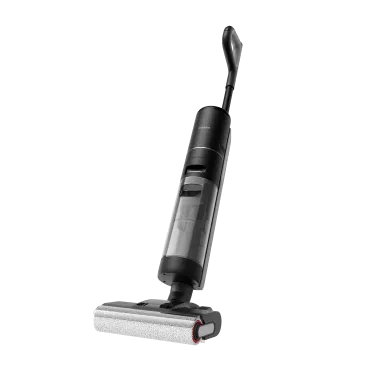
Trying to find the perfect vacuum in 2026? You're not alone. With all the choices, from robot vacuums to sticks, canisters, and uprights, it’s easy to get overwhelmed. But if you need serious cleaning power, an upright vacuum cleaner might still be your best bet in 2026. This guide breaks down the pros and cons of upright vacuums and compares them with other vacuum types. Whether you’re dealing with pet hair, thick carpets, or just want something simple and powerful, this guide will help you decide if an upright is right. What Is an Upright Vacuum Cleaner? An upright vacuum cleaner is the classic "push-and-go" vacuum with a standing design. The motor, dustbin, and cleaning head are all housed in one unit. Unlike canisters (which have a separate wand and body) or stick vacuums (which are lightweight and slim), uprights are built for deep carpet cleaning and large spaces. Key features: Built-in motor and floorhead Often corded (but cordless options are growing) Designed for strong suction, especially on carpets Large dustbin or bag capacity Some people ask whether cordless sticks or wet and dry vacuums count as uprights. Technically, cordless stick vacuums are a lighter, more manoeuvrable subtype of upright, while wet/dry vacuums are a separate category. Pros of Upright Vacuum Cleaners 1. Strong Suction Power for Deep Cleaning Uprights excel at lifting embedded dirt thanks to their motorized brush rolls and strong suction, which can reach up to 20,000 pascals (Pa) in premium models. This makes them great for carpets and pet hair. 2. Large Capacity = Less Emptying Most hold 1–2 liters of debris, meaning fewer interruptions to empty the bin or replace the bag.  3. Faster for Large Spaces Their wide cleaning path (30–38 cm / 12–15 in) covers more ground quickly, ideal for bigger homes 4. Durable & Long-Lasting Fewer moving parts than robots = less maintenance over time. 5. Integrated Design Their upright, all-in-one unit makes them easy to store and typically means no assembly is required. Cons of Upright Vacuum Cleaners 1. Heavy & Bulky Weighing 4.5–9 kg (10–20 lb), they’re harder to carry upstairs or store in closets. This makes them ill-suited for smaller apartments. 2. Limited Hard Floor Performance Without a brush roll shutoff, they can scatter debris on tile or hardwood. 3. Corded Models Restrict Movement You’ll need outlets nearby or to pay extra for cordless uprights (which have shorter runtimes). 4. Less Flexibility Due to their rigid design, they are less flexible for cleaning under furniture or in tight corners. 5. No Wet-Cleaning Features Unlike wet and dry vacuums or robot mops, they can’t mop or handle liquid spills. This means you’ll need separate cleaning tools for floors needing both vacuuming and mopping. Pro tip: If you have mostly hard floors or need versatile cleaning, consider a stick vacuum with mopping attachments or a robot vacuum-mop combo instead for all-in-one convenience. Opt for the Dreame H14 Pro Wet and Dry Vacuum with 180° lie-flat reach, enabling it to reach under furniture. Upright Vacuum vs. Other Types: Which One Suits You Best? Stick Vacuum vs. Upright Vacuum Stick vacuums are lighter and easier to maneuver, especially cordless ones. Uprights win on power and dustbin size. Use a stick if you clean daily and want quick touch-ups.Use an upright if you need deep cleaning on carpets. Canister vs. Upright Vacuum Canisters are great for versatility: cleaning stairs, drapes, and cars. Uprights are better for large floor areas and ease of use. Use a canister if you need flexible reach and plan to clean non-floor areas.Use an upright if you want fast floor cleaning without setup time. Robot Vacuum vs. Upright Vacuum Robot vacuums clean for you and are ideal for daily maintenance. Uprights clean deeper but require manual operation. Use a robot if you want low-effort, frequent upkeep.Use an upright if you need strong suction and don’t mind pushing it around. Wet and Dry Vacuum vs. Upright Vacuum Wet and dry vacuums handle spills and heavy-duty messes. Uprights are better for standard floor cleaning and daily dirt. Use a wet/dry if you have frequent liquid messes (kids, pets, or slushy entryways).Use an upright if you want a cleaner focused on household floors. Summary Comparison Table Vacuum Type Power Portability Carpet Cleaning Hard Floor Cleaning Wet Cleaning Hands-Free Upright ✅✅✅ ⚠️ ✅✅✅ ✅✅ ❌ ❌ Stick ✅ ✅✅✅ ✅ ✅✅ ❌ ❌ Canister ✅✅ ✅✅ ✅✅ ✅✅✅ ❌ ❌ Robot ⚠️ ✅✅✅ ⚠️ ✅✅ ⚠️ ✅✅✅ Wet/Dry ✅✅✅ ⚠️ ✅✅ ✅✅✅ ✅✅✅ ❌ Legend: ✅✅✅ = Excellent   ✅✅ = Good  ✅ = Basic ⚠️ = Mixed  ❌ = Not Supported  Features to Look For in an Upright Vacuum in 2026 Corded vs. Cordless Corded models offer unlimited runtime but limited range (annoying cord management). Cordless models are lighter and more convenient to move around, but may have shorter battery life (often 40–60 minutes). What is the best cordless upright vacuum? The best cordless upright vacuum in 2026 combines strong suction with long battery life (at least 45 minutes), fast recharging, and a lightweight build. Models that include auto-suction adjustment for carpet vs. hard floors stand out. Bag vs. Bagless Bagged models trap more dust and allergens and are better for allergy sufferers. Bagless models save on recurring costs (no bag replacements) and let you see what’s collected. What are the best bagged and bagless upright vacuum cleaners? The best bagged upright vacuum in 2026 should have a HEPA-sealed system and self-sealing dust bags to contain mess. A large capacity will mean fewer changes and less hassle. The best bagless upright vacuum cleaner offers easy-to-empty bins, strong cyclone suction to prevent clogs, and washable filters to cut down on maintenance costs. Weight & Noise Some uprights are over 6.8 kg (15 lb), which can be tough for seniors or multi-level homes. Noise is also a factor for early cleaners and apartment dwellers. What is the best lightweight upright vacuum cleaner? Weighing under 5.4 kg (12 lb), the best lightweight upright vacuum cleaner should still deliver powerful suction without tiring out your arms or back. What is the quietest upright vacuum cleaner? The quietest upright vacuum cleaner operates at or below 70 decibels. Look for models with brushless motors, sound-dampening insulation, and variable power modes to reduce noise on hard floors. Suction Power Strong suction is key for pet hair, thick carpets, or heavy dirt. Check for air watt ratings or suction tests on real surfaces. What upright vacuum has the strongest suction? The upright vacuum with the strongest suction will have a high air watt (AW) rating, multi-surface settings, and motorized brush rolls that dig deep into carpets. Top models also auto-adjust suction based on floor type. Recommended Upright Vacuums for 2026 Here are some top-rated picks across use cases: For Hardwood Floors: Dreame H12 Pro Wet & Dry Vacuum Cleaner: Though technically a wet/dry upright, this model is excellent for sealed hardwood. It vacuums and mops in one pass while protecting your floors with soft, non-scratch rollers. For Pet Hair: Dreame T30 Cordless Stick Vacuum: This lightweight upright delivers powerful suction with an advanced anti-tangle brush that resists pet hair wrap. It’s great for households with dogs or long-haired cats. Includes a mini motorized brush for sofas and pet beds. For Carpet: Dreame R20 Cordless Vacuum Cleaner: Designed with automatic suction boost and a smart brush that adjusts to carpet depth. It deep cleans thick rugs without getting bogged down, making it ideal for full-house floor care. Look for height adjustment and deep-cleaning power. Check this guide on “How to Choose the Right Pet Hair Vacuum for Your Home.” For Allergies: Dreame T20 Pro Cordless Vacuum: Equipped with multi-layer HEPA filtration that captures 99.9% of fine dust and allergens. It’s bagless but still allergy-friendly, with a washable filter and sealed dust chamber to trap particles. Is an Upright Vacuum Still a Good Buy in 2026? Yes, if deep cleaning power and simplicity matter to you. Upright vacuum cleaners are still some of the most reliable tools for keeping carpets spotless and large homes clean. While they may lack the bells and whistles of robots or the ultra-light feel of stick vacuums, they strike a great balance of power, cost, and performance. Dreame Take: At Dreame, we believe the best vacuum is the one that fits your lifestyle. Upright vacuums are a classic for a reason. As technology evolves, they’re becoming smarter, quieter, and more powerful, they’re still a go-to choice for whole-home cleaning in 2026 and beyond. Whether you're a first-time buyer or replacing an old favorite, we’ll help you find the right tool for the job.  
Continue reading