

























 Robot Lawn Mowers


 Smart Door Lock


 Canada
 Australia
 中国大陆
 日本


 Türkiye



 Ireland
 Portugal
 Italia
 Netherlands
 Belgium
 Greece
 Polska
 Norway
 Sweden
 Finland
 Denmark
 Hungary
 Czechia
 Slovenia
 Croatia
 Switzerland
 United
Kingdom


 Colombia

In this article
Drywall dust is easiest to clear after a day's wait; start at the ceiling and work your way down to the floor. The best way to clean up drywall dust is to keep it dry for as long as you can, since damp dust smears across surfaces instead of lifting away.
In this guide, we break down how to tackle each stage safely, from the heavy piles through to the final mop, and how to avoid a cloudy finish on your floors.

Is It Safe to Vacuum Drywall Dust?
Yes, vacuuming drywall dust is safe once you've removed most of it. Use a shop vacuum for piles of dust and debris, and a household vacuum for the powdery residue left behind. Drywall dust cleanup starts before either vacuum comes out, with some patience and a little preparation.
Give the room a day first
Leave the room alone for about a day after the last sanding. The finest particles stay airborne long after the heavy dust lands, and they settle on anything you've already wiped. While you wait, close the door and seal the gap underneath with painter's tape. Then place a box fan in an open window, facing outward, so the dust leaves instead of drifting into the hallway.
Our guide on how to eliminate dust from your home shows where dust tends to gather in still air, such as under furniture and along baseboards, and how to stop it from building back up afterward.
Get yourself and your shop vacuum ready
Fit your shop vacuum with a fine dust bag or filter before you tackle the piles. Its standard filter is designed mainly for larger debris, and a finer one keeps more of the dust inside the machine.
You'll also need an N95 respirator and a pair of safety glasses. According to the National Institute for Occupational Safety and Health, some of the ingredients in joint compound can irritate your eyes and throat. Vacuuming also sends a little of the settled dust back into the air, so it's worth keeping the glasses and mask on until the room is done.
How to Clean Drywall Dust, Step by Step
Clean drywall dust in the same direction it falls, from the ceiling to the floor, and leave any mopping until the end. Dust drops as you work, so starting high means it lands on surfaces you haven't reached yet.
Step 1: Dust the ceilings and walls
Start at the ceiling with a duster on an extension pole, then wipe down the walls with a dry microfiber cloth. Don't forget ceiling fan blades and the tops of door frames, which are easy to miss. Go gently over any freshly patched areas, as pressing hard can leave marks that show through the paint later.
Step 2: Vacuum the sills and vents
Use your shop vacuum wherever dust sits thick on the window sills and baseboards, and your household vacuum's brush attachment where only a light layer remains. Skip the broom here, since sweeping only stirs the dust up again. Give each vent and return grille its own pass so the system doesn't push that dust through the house. Fit a fresh filter in your heating and cooling system when you've finished.
Step 3: Clear the floor dry
Treat the floor the same way as the sills. Move the shop vacuum's nozzle slowly so it lifts the dust instead of pushing it around, and empty the canister regularly, as suction drops quickly as it fills up. If you'd prefer a broom, scatter drywall sweeping compound first, which weighs the dust down so it clumps and stays put.
On carpet, stick to dry vacuuming. Dust that has sunk deep into the fibers needs a carpet extractor to lift it out.
If you're not sure which machine to reach for, our article on a shop vacuum vs vacuum cleaner explains the differences between the two and which one suits each job around your home.
Step 4: Finish with a damp mop
Go over hard floors with clean water and a well-wrung mop when they're completely dust-free. Tile and vinyl are fine with a little water, while unsealed wood needs a mop that's almost dry. On tile, run over the grout lines twice, since dust collects in the dips. Any dust you've missed will show up as the floor dries.
Why Your Floor Looks Cloudy After Mopping
The cloudy film is drywall dust that got wet and was spread across the floor before it could be picked up. Water turns the dust into a thin paste, and a mop or cloth that's already coated in it simply moves it around. As the paste dries, it leaves a milky haze. Spilled flour does exactly the same on a kitchen floor, and our guide on how to clean flour dust explains how to lift it before it gets the chance to smear.
A couple of common mistakes make it worse:
- A soaking-wet mop. Extra water pushes the paste into every groove, including grout lines, where it can harden into a dark shadow that looks permanent.
- Floor cleaner. Its soapy residue binds with the dust and dulls the finish further, so plain water is the better choice for this job.
To keep your floor streak-free when you're cleaning drywall dust, vacuum more than you think you need to. A single round often leaves a layer too fine to see, so do a second pass at right angles to the first. Change your mop water as soon as it looks gray, since every rinse puts a little dust back into the bucket.
On sealed hard floors, a wet dry vacuum avoids most of the problem, as it lays down clean water and pulls the dirty water straight back into a separate tank.
Best Vacuum for Drywall Dust Cleanup
A wet dry vacuum is the best choice for the fine residue after the shop vacuum has cleared the piles. Look for one that keeps dust from escaping while it works and can mop hard floors in the same run, so you won't need to follow behind with a separate mop.
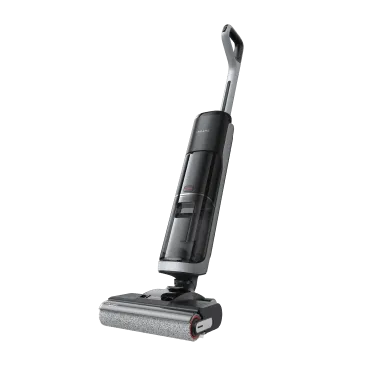
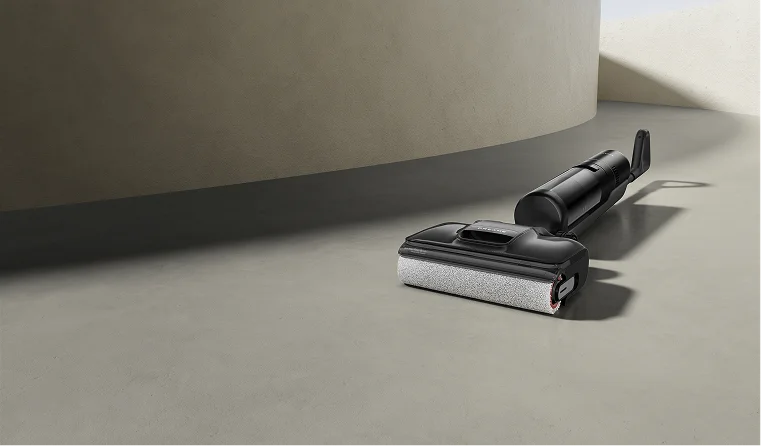
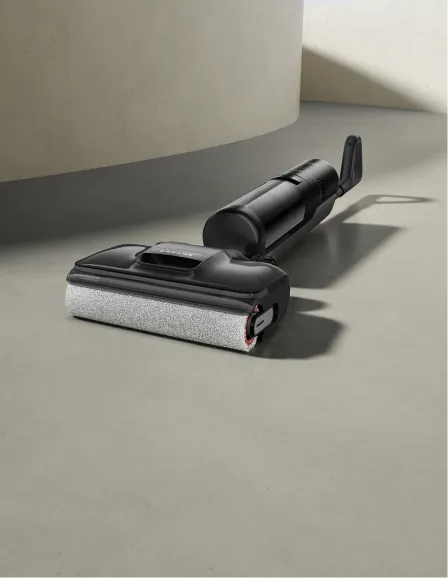
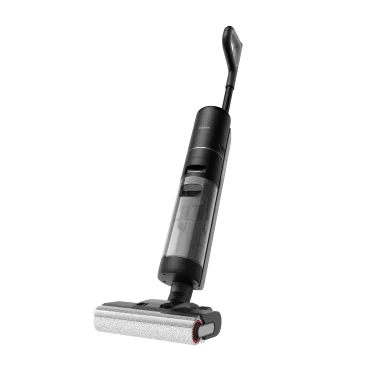
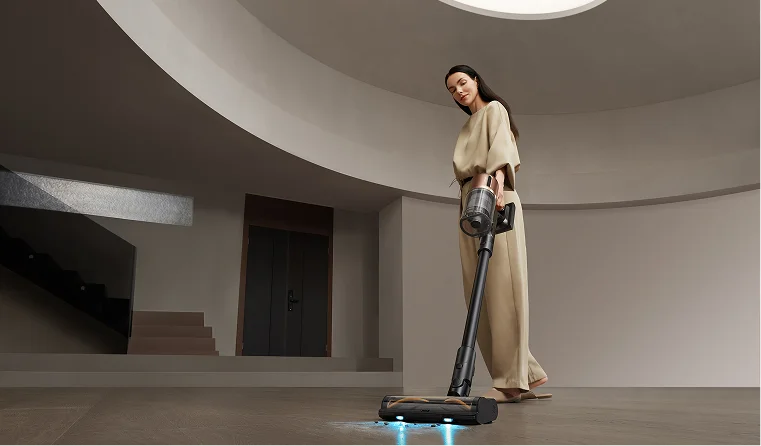
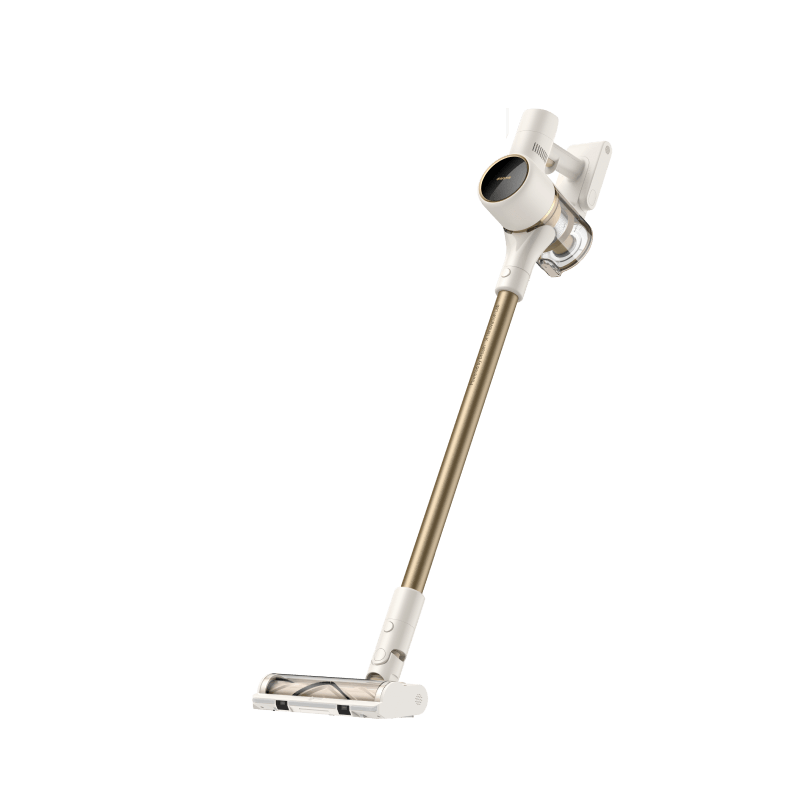
The Dreame H15 Pro CarpetFlex Wet Dry Vacuum is built for exactly that. Its MistLock Dust Control system helps contain fine dust as you clean. It also moves from sealed hard floors onto low-pile rugs in one go, and vacuums the rugs dry only. Most homes coming out of a renovation have a mix of both, so there's no need to switch machines between rooms.
After the clean-up, check your vacuum's filter, as a renovation clean gives it far more to hold than a normal week. If your vacuum uses a HEPA filter, our guide on how to clean vacuum HEPA filters walks through the steps for both washable and non-washable types.
[product handle="h15-pro-carpetflex-wet-dry-vacuum"]
Getting Back to a Room You Can Live In
Most rooms feel like home again within a couple of days, as long as you give the dust time to settle before you start. Clearing the heavy piles first and saving water until last stops the final fine layer from turning into a cloudy film. A little patience and a dry clean from the top down will do more for the room than any amount of scrubbing.
For the everyday dust that follows, our range of HEPA vacuums uses sealed filtration to keep your home feeling fresh.
Frequently Asked Questions
Is it okay to vacuum up drywall dust?
Your household vacuum can take on drywall dust once a shop vacuum has cleared the heavy piles. By then, all that's left is a light dusting on floors and sills, exactly the kind of mess a home vacuum is built to handle.
Is breathing drywall dust harmful?
Yes, drywall dust can irritate your airways. Keep a window open and wear an N95 respirator from the first sanding stroke until the final wipe-down.
How long does it take for drywall dust to settle?
Allow about a day for the dust to settle completely. Most of it comes down within a few hours, and waiting until the next morning means the surfaces you clean stay clean.
How do you remove drywall dust?
Work from the ceiling down, and keep everything dry until the very last step. After sanding and the dust has settled, run a dry microfiber cloth over the walls and vacuum the window sills. Finish with the floor, vacuuming it before you mop with fresh water. If you're painting next, a final wipe of the walls with a lightly dampened cloth gives the primer a clean surface to grip.
Can you mop drywall dust?
Yes, once the loose dust has been vacuumed away. Drywall dust is largely gypsum, a chalky mineral that turns gummy the moment it gets wet, so mopping too soon leaves a pale smear that dries and takes far longer to remove than the dust would have.
References
National Institute for Occupational Safety and Health (1999) Control of Drywall Sanding Dust Exposures. Available at: https://www.cdc.gov/niosh/docs/99-113

