

























 Robot Lawn Mowers


 Smart Door Lock


 Canada
 Australia
 中国大陆
 日本


 Türkiye



 Ireland
 Portugal
 Italia
 Netherlands
 Belgium
 Greece
 Polska
 Norway
 Sweden
 Finland
 Denmark
 Hungary
 Czechia
 Slovenia
 Croatia
 Switzerland
 United
Kingdom


 Colombia

In this article
If you have cork flooring in a Canadian home, you know it's warm underfoot and quiet to walk on, which is why people often lay it in kitchens and bathrooms. These are also the rooms where water ends up on the floor, and the advice on cork and water can be confusing. Some guides tell you to keep water off it entirely, while others say a damp mop is fine.
This guide explains how to clean cork flooring without swelling or dulling it, starting with a quick test to see whether your floor is sealed, since the result determines whether you can mop it at all.

What You'll Need to Clean Cork Floors
You need just four everyday tools to clean cork floors:
- A vacuum with a soft brush roll or a hard-floor setting
- A flat microfiber mop
- Plain water
- A dry microfiber cloth for drying
You'll use the vacuum far more often than the mop. A robot vacuum on a schedule can do the daily pass for you, and if yours also mops, set its water level to the lowest setting, or turn mopping off if your floor fails the water test below.
Is Your Cork Floor Sealed or Unsealed?
Your cork floor is probably sealed, since most cork flooring sold today comes pre-finished with a protective coat. A ten-minute water test confirms it. Sealed cork can be damp-mopped. Unsealed cork soaks up water and darkens, and water leaves white marks on waxed cork, so you should only vacuum or sweep either one.
Here's how to test whether your cork floor is sealed or unsealed:
- Put a few drops of water somewhere out of sight, like inside a closet or under a cabinet overhang, and leave them for ten minutes.
- If the water still sits in beads and the floor under it looks unchanged, the seal is intact, and the routine below is safe to use.
- If the water soaks in and darkens the cork, the floor is unsealed or the finish has worn through. Do not damp-mop it, and ask a flooring professional about resealing.
- If white spots form under the drops, the floor is waxed. Treat it like unsealed cork and keep water off it.
Our guide to cleaning hardwood floors explains how to tell a polyurethane finish from wax or oil, and which can be cleaned with water.
How to Clean Cork Flooring, Step by Step
Clean sealed cork flooring once a week by vacuuming first, then damp-mopping and drying one small section at a time. If your floor failed the water test, stop after Step 1.
Step 1: Vacuum or sweep first
Cork is soft, so grit gets ground into the surface faster than it does on wood or tile. Use a soft brush head or a hard-floor setting rather than a stiff motorized brush, and vacuum every few days, or daily if you have pets. Our vacuum or mop first guide explains how grit mixed with mop water turns into an abrasive paste that dulls a floor's finish.
Step 2: Dampen the mop and wring it almost dry
Wet a flat microfiber mop with plain water, then wring it until it feels almost dry, and no water drips when you squeeze it. Plain water is enough most weeks, so you don't need to buy a dedicated cork floor cleaner. For a dirtier floor, lightly spray a pH-neutral hard-floor cleaner onto the mop pad (not the floor) so no liquid pools at the seams. Test any new cleaner on a hidden spot first.
Step 3: Mop a small section at a time
Work across the floor in small sections, moving along the length of the planks or tiles. Cork swells when water soaks in under the finish, and it gets in through the seams. If the section you just mopped looks wet, wring the pad again before you continue.
Laminate has the same weak spot at the seams, and our guide on cleaning laminate floors explains how pooled liquid seeps in and warps the boards.
Step 4: Dry each section, and wipe up spills straight away
After you mop each section, wipe it with a dry microfiber cloth, paying extra attention to the seams and the floor around the sink and dishwasher. Wipe up spills as soon as you see them, since a spill left overnight can soak in and swell the cork. For a dried or sticky spill, hold a damp cloth on it for a minute to soften it, then wipe it away without scrubbing.
What Not to Use on Cork Floors
Most cork damage comes from water or from the wrong cleaner. These are the five things to keep off your floor:
- Standing water and wet mopping. Swollen cork doesn't shrink back after it dries, so this damage is permanent.
- Vinegar and other acidic cleaners. Even diluted vinegar can dull a cork floor's finish over time, though some cork-cleaning guides still suggest it.
- Ammonia and bleach. They strip the finish and leave a dull patch that still shows after the floor dries. Abrasive scrubbing powders do the same.
- Steam. Heat and moisture together can warp and stain cork. Our guide to what floors you can use a steam mop on lists cork with bamboo among the floors to keep steam away from, and includes its own water-bead test to check the seal.
- Oil soaps and wax polishes. On a sealed floor, they leave a film that dulls the finish and makes resealing harder later.
How to Protect Cork Floors Between Cleans
Felt pads under furniture are the simplest way to protect cork between cleans. Cork is soft enough to dent under chair and table legs, so put pads on every leg and a chair mat under a rolling desk chair. Lift heavy furniture when you move it rather than dragging it.
If you have pets, keep their nails trimmed so they leave fewer scratches. Pets also splash when they drink, so put a washable mat under the water bowl and wipe around it each evening.
Direct sunlight fades cork, while wood tends to darken,¹ so draw the blinds or curtains on bright windows during the sunniest hours. Move rugs and furniture now and then, too, so the color changes evenly and no darker patch is left where a rug sat.
Cleaning Cork Flooring Based Around Your Finish
Once you know how to clean cork floors, the water test tells you whether you even need to mop. Either way, the vacuum does most of the work. Browse our range of robot vacuums for hard floors to take the daily chore off your list.
Top 3 Robot Vacuums for Cork Flooring Cleaning
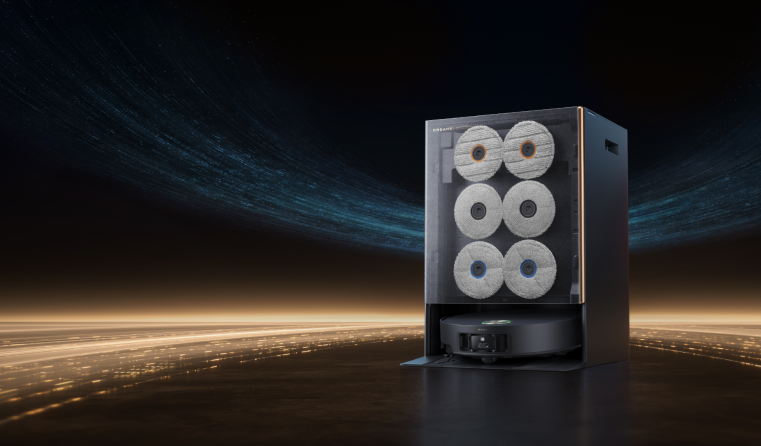
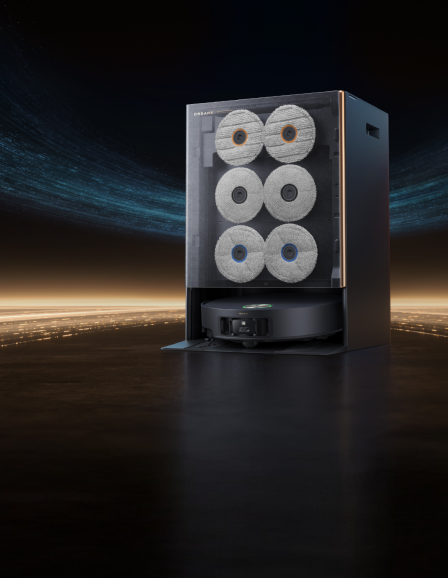
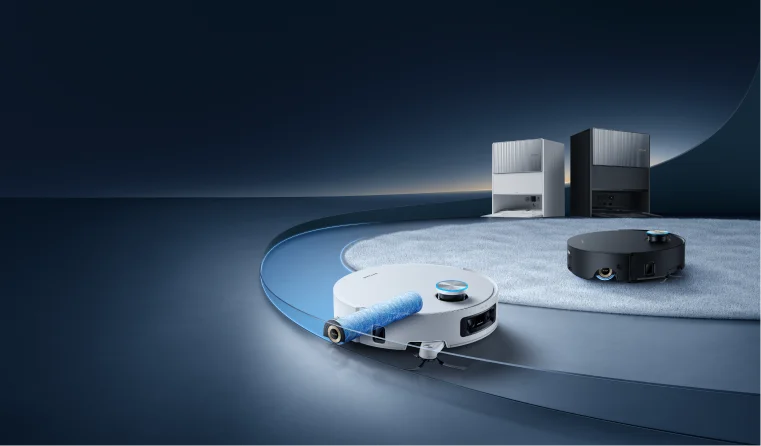
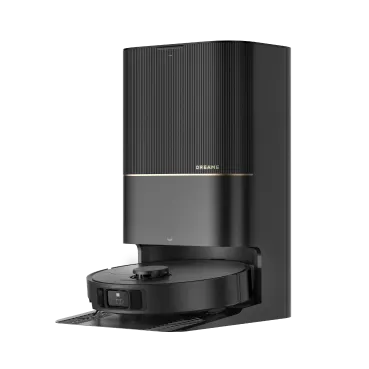
- X60 Ultra, the flagship choice. It slides under sofas and beds to reach the grit a stick vacuum misses, and its dock washes and dries the mop pads after each run.
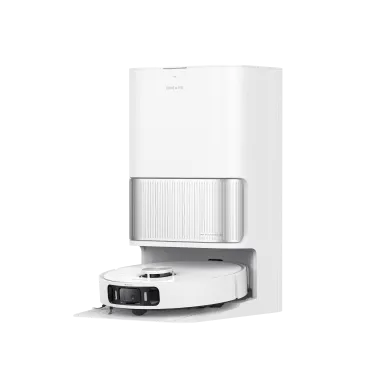
- L60 Pro Ultra, the mid-range option. Its mop has 32 water levels, so you can set it to the lowest one for a sealed cork floor.
- L60 Ultra FE, the value option. It has the same 32 water levels, and its app lets you set a no-go zone around a worn patch of cork until you reseal it.
[product handle="x60-ultra-robot-vacuum" rating="5"]
Frequently Asked Questions
What is the best cleaner for cork flooring?
Plain water, most weeks. For a dirtier floor, use a pH-neutral hard floor cleaner, as Step 2 explains.
Can you use a wet mop or wet cleaning pad on cork floors?
Yes, on sealed cork, as long as the pad is damp and not wet. What matters is how much liquid reaches the floor, not which tool you use.
Are cork floors hard to clean?
No. Cork needs more care with water than wood or tile, but the routine itself is only four short steps.
How to rejuvenate cork floors?
Reseal them. A cork floor that looks dull or patchy has usually worn through its finish, and cleaning can't restore a finish. A flooring professional can tell you which sealer suits your floor.
Can you steam clean cork floors?
No, steam isn't recommended on cork floors, for the reason given in the section on what not to use. If your floor's care guide says otherwise, follow the guide.
References
1. Amorim Cork Flooring (n.d.) Amorim WISE Floor Maintenance. Available at: https://cdn.shopify.com/s/files/1/0090/4196/9209/files/Amorim_Floor_Maintenance.pdf

