




























 Robot Lawn Mowers


 Smart Door Lock


 Canada
 Australia
 中国大陆
 日本


 Türkiye



 Ireland
 Portugal
 Italia
 Netherlands
 Belgium
 Greece
 Polska
 Norway
 Sweden
 Finland
 Denmark
 Hungary
 Czechia
 Slovenia
 Croatia
 Switzerland
 United
Kingdom


 Colombia

In this article
Struggling with how to clean carpet stains? You should blot the spill right away instead of rubbing it, then work from the outer edges toward the center. Rubbing is the instinctive reaction when something spills, but it usually spreads the stain and can damage carpet fibers, turning a small mess into a bigger problem. This is especially helpful to remember in Canada, where winter slush and muddy boots can make carpet stains happen all too easily.
This guide explains a simple five-step method for tackling most household stains and explains why some stains seem to come back even after cleaning.

What You'll Need for Carpet Stain Removal
A clean white cloth and cool water treat most carpet stains. Keep everything below in one spot so you can start blotting within seconds of a spill.
- Clean white cloths or plain paper towels
- A spoon for lifting solids
- Cool water and mild dish soap
- Cornstarch, with a soft brush and dustpan to lift it, for grease and oil
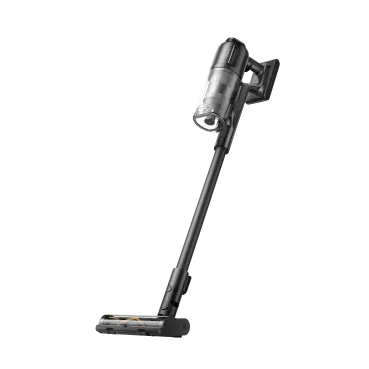
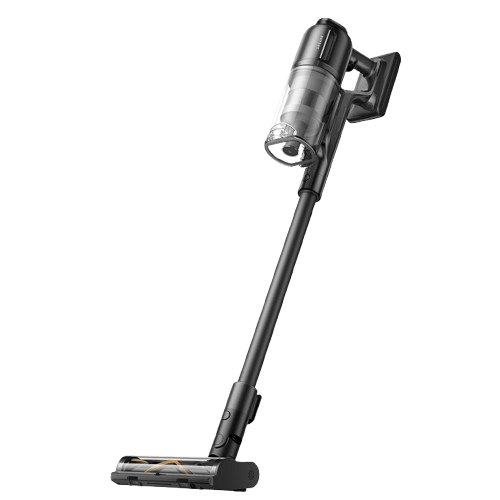
- A vacuum, to clear dry debris first and lift the pile once the spot is dry
- A dry towel and something heavy, for stains that come back
If you don't have a vacuum on hand, the guide on how to clean carpet without a machine covers five manual methods, from a carpet sweeper to a brush and dustpan.
How to Clean Carpet Stains, Step by Step
Knowing how to clean carpet stains means working dry first, then wet. Lift as much off the carpet as you can before any liquid goes on, and rinse out whatever liquid you add. The five steps below follow this order, from the first scrape to the final vacuum.
Step 1: Clear away anything on top
If the mess is dry or solid, scrape it up with the edge of a spoon and vacuum the loose bits before any water goes on. Wet grit turns into a paste that's much harder to clean.
For pet poop, lift the solids with a paper towel, then follow our guide on how to get poop out of carpet, which covers both fresh and dried messes. If the spill is liquid, skip the vacuum and go straight to Step 2.
Step 2: Blot, don't rub
Press a clean white cloth straight onto the stain and lift it straight up. Rubbing only pushes the stain deeper into the pile. Stick to white cloths, since colored ones can bleed dye onto the carpet.
Step 3: Work from the outside in
Start at the edge of the stain and blot toward the center. Working outward spreads the stain a little wider with every press.
Step 4: Start with the gentlest fix
Try cool water first. If the stain remains, mix a little mild dish soap into cool water and test it on a hidden patch of carpet, such as under a sofa, before using it on the stain. Some stains need a different first move, and the stain-by-stain section below shows how to remove carpet stains by type.
Step 5: Rinse and let it dry fully
Dab the spot with a cloth dampened with clean water to rinse out the soap, then press with a dry cloth until it's nearly dry. Let the carpet dry completely, then vacuum to lift the flattened pile.
For routine vacuuming between spills, our guide on cleaning carpet with a vacuum cleaner covers the crisscross vacuuming pattern and attachments for edges and corners.
How to Get Stains Out of Carpet by Stain Type
Most carpet stains fall into one of two groups, and the group tells you whether to apply water first. Wine, coffee, pet urine, and blood take cool water straight away, while grease and ink need to be lifted dry before anything wet touches them.
Stains that take cool water first
Keep heat away from all four, for the reason given under permanent stains.
- Red wine. Blot up as much as you can with a dry cloth before adding water, so there's less wine left to spread. Then dab with cool water, and if a pink tinge remains, move to the dish soap mix from Step 4.
- Coffee and tea. Follow the same steps as red wine. Both can reappear a few days later, as the section on old stains explains. Our step-by-step guide to removing coffee stains from carpet covers fresh spills and dried coffee separately.
- Pet urine. Soak up as much as you can with a dry cloth, then dab with cool water and blot dry. This lifts the mark, but the smell is a separate job. Our guide on removing dog pee smell from carpet covers the enzymatic cleaners made for it.
- Blood. Use the coldest tap water, not just cool, since heat sets blood almost instantly. Dab with a damp cloth until no more color comes up. Fresh and dried blood each have their own steps in our guide for removing blood from carpet.
Stains to lift dry first
- Grease and oil. Cover the stain with cornstarch and leave it for 15 minutes to an hour to draw the oil out. Lift the powder with a soft brush and dustpan, not a vacuum, since fine powder can clog the filter. Then dab what's left with the dish soap mix from Step 4.
- Ink. Press a dry white cloth onto the stain and lift, using a clean section each time so you don't put ink back down. Ink is one of the hardest stains to shift at home, so call a professional cleaner if dry blotting stops lifting color.
Mud and dirt
Mud and dirt don't fit either group, since they come out best once they're dry. Wiping wet mud pushes it into the backing, creating a stain you didn't have before. Once it's dry and brittle, vacuum it up, then blot any remaining mark with the five steps above.
| Types of stain | Water temperature | First move |
|---|---|---|
| Red wine | Cool | Blot dry, then dab with cool water |
| Coffee and tea | Cool | Same as red wine |
| Pet urine | Cool | Soak up with a dry cloth first |
| Blood | Cold | Blot with a cold, damp cloth |
| Grease and oil | None at first, then cool | Cover with cornstarch, then brush it up |
| Ink | None | Blot dry, call a professional if it stays |
| Mud and dirt | None until dry | Vacuum once fully dry |
How to Get Salt Stains Out of Carpet in a Canadian Winter
To remove salt stains from carpet, let the slush dry, then vacuum the loose crystals before adding water. Road salt is spread across much of Canada's roads through the winter, and boots carry slush indoors, where it dries into white, crusty rings on carpet near the door. Left in the pile, tracked-in road salt is also one reason a carpet gets dirty again quickly.¹
After you vacuum the crystals, use the same "How to Clean Carpet Stains" steps above. Dampen a white cloth with cool water and blot the ring, rinsing the cloth until it stops picking up white residue. If a ring remains, repeat with the mild dish soap solution from Step 4, then rinse with plain water and press the spot dry with a fresh cloth. Consider adding a boot tray and a washable mat just inside the door to catch slush before it reaches the carpet.
Why Old Carpet Stains Come Back
A stain that seems to disappear but returns days later is rising from below. The liquid has soaked through the surface pile and into the backing and padding underneath. As this moisture rises and evaporates, it brings the stain back to the surface.¹
To break the cycle, repeat the five steps, then weigh a folded dry towel down on the damp spot overnight.¹ The moisture rises into the towel instead of back into the pile.
Old stains can also resurface because of cleaning-solution residue. Leftover soap in the fibers attracts dirt, making the spot appear darker than the surrounding carpet over time. Rinsing in Step 5 prevents that.
If a stain dried before you got to it, soften it first. Dampen it with cool water without soaking it, let it sit for a minute, then start at Step 2.
What Makes a Carpet Stain Permanent
A carpet stain turns permanent when it meets heat, rubbing, too much water, or a harsh cleaner. Most stains start out fixable, and one of these four habits is usually what sets them into the pile for good.
- Using heat. Hot water or a hair dryer bonds protein in blood, milk, egg, or pet urine to the fibers,² and it sets the color of coffee and red wine.
- Rubbing or scrubbing. Scrubbing frays the pile,² changes how it reflects light, and leaves a patch you can still see after the stain is gone.
- Using too much water. Soaking the area drives the stain down into the padding, where a cloth can't reach it. A spot that stays damp too long can also retain an unpleasant smell after you remove the stain.
- Using bleach or harsh cleaners. Bleach and strong alkaline cleaners can strip carpet dye, leaving a pale patch where the stain was.
How Daily Vacuuming Helps With Carpet Care
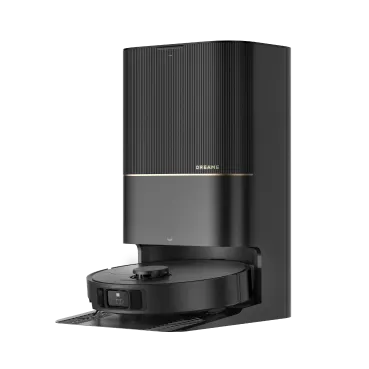
Daily vacuuming lifts grit out of the pile before it gets ground in, so less of it turns into paste when a spill happens. The Dreame X60 Max Ultra Complete is built for that daily pass on carpet. Its retractable pressure plate lowers onto the carpet to seal in suction, so more of the dirt buried deep in the pile comes out. You can also set it in the app to boost suction on carpet.
Your carpet stays dry when the vacuum mops, too. The vacuum automatically lifts its mop pads and its body on short-pile carpet, keeping the damp pads off the fibers. It detaches the pads completely on thicker, high-pile carpet.
The anti-tangle brush clears long pet hair instead of letting it wrap around the roller. The vacuum also spots tasseled rugs, then steers around them or cleans them from the side where the tassels won't snag.
Robot vacuums clean low- and medium-pile carpet well, and the right features help on thicker pile too. Our guide on whether a robot vacuum can clean carpets matches each pile height to the suction and brush features it needs.
[product handle="x60-max-ultra-complete-robot-vacuum" rating="5"]
Act Fast to Get Carpet Stains Out
The first few minutes after a spill matter more than any product you reach for later. You now have five steps for a fresh spill, and why old stains reappear, so the next spill doesn't become a permanent mark. Browse Dreame's robot vacuums to find the best model for your daily carpet care routine.
Frequently Asked Questions
How do you get tough stains out of carpet?
Several gentle rounds lift tough stains more than one hard scrub. Repeat Steps 2 to 4, and let the carpet dry fully between rounds.
Does vinegar and baking soda remove old stains from carpet?
No. Baking soda on its own can absorb light odors, but mixed with vinegar the two react into salty water with no cleaning power, and neither lifts a set-in stain. The guide on how to clean carpet with baking soda explains what baking soda can handle and why the vinegar fizz doesn't clean much.
How do you get 20 year old stains out of carpet?
You often can't fully remove them at home, since a stain that old has usually altered the fiber or dye. A professional carpet cleaner is usually the best next step.
What's the best homemade carpet stain remover?
Mild dish soap mixed with cool water is the best homemade carpet stain remover for most spills. It's gentle on carpet dye and rinses out cleanly.
Can you use a steam cleaner on carpet stains?
Not as a first move on a fresh stain. Heat is one of the four things that can set a stain for good, as the section on permanent stains explains, so start with cool water and blotting.
Should you vacuum before or after cleaning a carpet stain?
Both. Step 1 covers the pass before any water goes on, and Step 5 covers the pass that lifts the pile afterward.
References
1. IICRC (2023) Consumer Floor and Furnishings Care Information. Available at: https://iicrc.org/wp-content/uploads/2023/01/Tip-Sheet-Carpet-Topics.pdf
2. The Carpet and Rug Institute (2024) Cleaning and Maintenance. Available at: https://carpet-rug.org/carpet-for-homes/cleaning-and-maintenance/

