

Spring Cleaning: Meaning, Purpose & When to Start

Spring Cleaning: Meaning, Purpose & When to Start

Dreame Editorial Team |
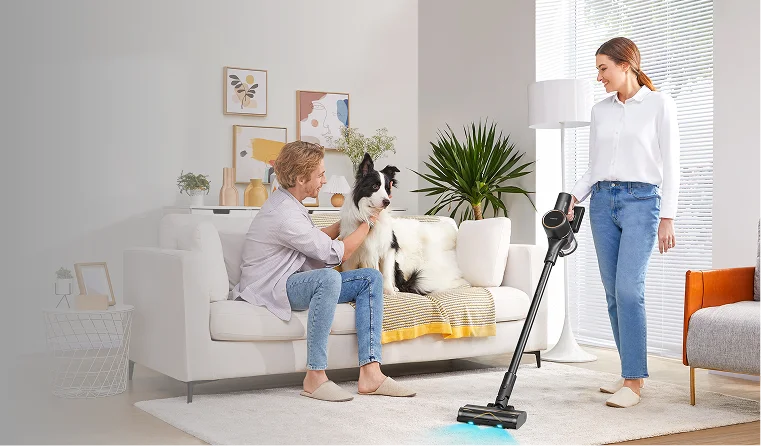
Every year, as winter fades and the days get longer, many of us feel the urge to reset our homes. Windows get opened, closets get emptied, and long-neglected corners finally get attention. That instinct has a name: spring cleaning. For centuries, cultures around the world have used this time of year to clear out dust, clutter, and stagnant air, symbolizing renewal, health, and a fresh start. Today, the tradition still matters. A thorough spring clean can improve indoor air quality, reduce allergens, lower stress, and make daily life feel more organized and manageable. It’s also the perfect opportunity to declutter, donate unused items, and rethink how your space supports your routines. So when should you start spring cleaning? Before we dive in, let’s clarify what spring cleaning really is, where the idea came from, and how it’s different from your usual day-to-day cleaning. What Is Spring Cleaning? Meaning & Definition Spring cleaning is a seasonal deep-cleaning process that involves thoroughly cleaning, decluttering, and reorganizing a home at the end of winter to improve cleanliness, air quality, and overall living conditions. The goal is to refresh the space after winter's hibernation. This practice includes tasks not done regularly. It goes beyond surface cleaning, offering a chance to address neglected areas. Think of it as a seasonal overhaul of your living environment. Here's what spring cleaning may consist of: Washing windows inside and out Cleaning behind and underneath large appliances Deep-cleaning carpets and rugs Wiping down baseboards, vents, and ceiling fans Decluttering closets, drawers, and storage areas Reorganizing frequently used spaces In simple terms, regular cleaning maintains your home, spring cleaning resets it. The History and Origin of Spring Cleaning Spring cleaning has deep roots in history, tracing back centuries. Various cultures practiced spring cleaning long before it became common in modern times. This tradition is linked to the transition from winter to spring. In ancient cultures, such as in Persia, the New Year was marked by thorough cleaning. This practice aligned with the concept of renewal and fresh starts. Similarly, Jewish traditions include Passover cleaning, focusing on removing chametz. The rise of spring cleaning in 19th-century America was strongly influenced by coal heating and the need to air out homes after winter. Some pivotal origins of spring cleaning include: Persian New Year (Nowruz): it dates back over 3,000 years to the Achaemenid Empire (c. 550 BCE). Before the spring equinox, families in Iran and other regions traditionally practice“Khaneh Tekani,” or “shaking the house,” a thorough home cleaning symbolizing renewal. This tradition involves washing carpets, cleaning walls, airing out bedding, and removing clutter before the spring equinox. The ritual represents purification and preparation for a new year. Jewish Passover Cleaning: Before Passover, Jewish families thoroughly clean their homes to remove chametz (leavened products). This process goes beyond everyday tidying and often includes deep cleaning kitchens, storage areas, and dining spaces. The practice is both religious and symbolic, cleansing the home before a meaningful seasonal celebration. The tradition of removing chametz before Passover originates in biblical law (Exodus 12:15), also dating back more than 3,000 years. Chinese Lunar New Year Traditions: Although it typically falls between January and February, Lunar New Year also includes a tradition of deep cleaning to sweep away bad luck and make room for good fortune in the coming year. The practice of deep cleaning before Lunar New Year dates back to ancient Chinese dynasties (as early as the Shang Dynasty, c. 1600 BCE). Agricultural & Industrial Eras in Europe and North America: In colder climates, homes were historically heated with wood or coal during winter. This produced soot, ash, and grime that accumulated on walls, curtains, and ceilings. When warmer spring weather arrived and windows could finally be opened, families would wash interiors thoroughly to remove residue. Why Is Spring Cleaning a Thing? Purpose & Benefits Spring cleaning serves several purposes, enhancing both physical and mental well-being. It helps refresh the home environment, removing winter dust and grime. The tradition symbolizes a fresh start with the arrival of a new season. From a practical perspective, spring cleaning serves three main purposes: Deep hygiene: Removing built-up dust, allergens, and grime accumulated during winter months when homes are sealed up. Decluttering and organization: Eliminating unused items to create a more functional, streamlined living space. Seasonal transition: Preparing the home for warmer weather, increased ventilation, and often more social activity. 3 Reasons to Do Spring Cleaning The benefits of spring cleaning extend beyond cleanliness. It can improve indoor air quality by eliminating allergens and mold. Tackling clutter can also be therapeutic, fostering a sense of order and calm. Key benefits of spring cleaning include: Improved air quality by reducing dust and allergens Enhanced mood and reduced stress from orderly spaces Opportunity to donate or recycle unused items Spring cleaning has evolved to encompass more than just cleaning. It’s a time for organization and refreshment, inviting the warmth and renewal of spring into our homes. When Is Spring Cleaning Done? Best Time to Start Spring cleaning is traditionally done in March or April, when winter ends and temperatures begin to rise. This timing makes use of longer days and warmer weather. Increased daylight encourages cleaning indoors and airing out spaces. But the right time isn’t just about the calendar, it’s about conditions and planning. The exact timing can vary based on climate and personal preferences. Some prefer to start earlier, others later. Flexibility allows you to choose what suits your schedule. Consider these factors when choosing a date: Local climate and weather patterns Family schedules and availability Personal energy levels and motivation Weekend or Weekday: Which Is Better? It depends on the scope of your spring cleaning. Choose a weekend if: You’re planning a full-home deep clean You need 6–10 uninterrupted hours Other household members need to help You’re moving furniture or cleaning garages/basements Choose a weekday if: You’re breaking tasks into smaller zones (1 room per day) You want to avoid weekend errands or social commitments You prefer short 60–90 minute focused sessions The ideal time is when you feel ready to embrace a fresh start. The key is to begin when you're most motivated to declutter and rejuvenate your home. Best Time to Start Spring Cleaning in the U.S. (By Region) Because the U.S. has diverse climates, spring doesn’t arrive at the same time everywhere. Region Ideal Start Time Why Northeast (NY, MA, PA) Late March – Mid April Winter lingers; wait until temperatures stay consistently above 50°F (10°C). Midwest (IL, OH, MI) Late March – Early April Snow melt + muddy season makes early April ideal. South (TX, GA, FL) Late February – March Warmer earlier; pollen season may influence timing. West Coast (CA, WA, OR) Early – Mid March Mild winters allow earlier ventilation and outdoor washing. Mountain States (CO, UT) Mid – Late April Late snowstorms are common; wait for stable temperatures. If you live in warmer southern states, starting earlier helps you clean before peak pollen season settles indoors. In colder northern states, waiting avoids having to redo cleaning after late snow or mud. What Does Spring Cleaning Consist Of? Typical Tasks & Checklist Spring cleaning involves more than just surface dusting. It is a deep clean that targets neglected areas. This practice helps refresh and rejuvenate your home. Tasks typically include washing windows and cleaning behind large appliances. These are areas often overlooked in regular cleaning routines. Such efforts can significantly impact the overall cleanliness. A spring cleaning checklist may include: Washing walls and baseboards Vacuuming and cleaning upholstery Decluttering closets and storage spaces Polishing floors and furniture Refreshing linens and curtains Additionally, focus on organizing and purging unused items. Donate, recycle, or discard things that no longer serve you. This step not only tidies the space but also revitalizes energy flow. Check our well-planned spring cleaning checklist to ensure all areas of your home receive attention. Planning helps streamline the process and prevents tasks from feeling overwhelming. With a detailed plan, spring cleaning becomes both effective and rewarding. How Long Does Spring Cleaning Take? The short answer is anywhere from one full day to two weeks. Most homeowners find the sweet spot is one kickoff weekend (8–10 hours total) followed by 1–2 hours per evening during the week for detail work. However, the time required for spring cleaning can vary. It depends on the house size and cleaning needs. For some, a day might suffice, while others may require a week. A realistic breakdown based on typical U.S. home sizes Home Size Light Refresh Deep Spring Cleaning Apartment (600–900 ft² / 55–84m²) 4–6 hours 1–2 days Small Home (1,000–1,800 ft² / 93–167m²) 1 full day 3–5 days Large Home (2,000–3,000+ ft² / 186–279m²+) 2 days 1–2 weeks Light refresh means dusting, wiping surfaces, vacuuming, decluttering visible areas. Deep cleaning involves moving furniture, washing windows, cleaning baseboards, detailing appliances, organizing storage spaces. Several factors can dramatically change how long spring cleaning takes: Clutter level: Decluttering often takes longer than actual cleaning. Floor type: Carpet shampooing or deep mopping adds hours. Number of bathrooms & kitchens: These are the most time-intensive rooms. Outdoor spaces: Garages, patios, and sheds can double your timeline. Help available: Two people rarely cut time exactly in half, but it can reduce it by 30–40%. Efficient planning and a clear checklist help manage time effectively. Allocate specific days for different tasks. This approach prevents feeling overwhelmed and ensures thoroughness. Spring Cleaning in Modern Times: 2026 Trends Today, spring cleaning is about cleaning smarter, healthier, and more sustainably. More than ever, households are now aware of indoor air quality, environmental impact, and long-term organization systems. The seasonal reset has evolved from a once-a-year deep scrub into a broader home optimization ritual. Here are the biggest modern trends shaping spring cleaning this year: 1. Health-Focused Cleaning (Indoor Air Matters More Than Ever) With growing awareness around allergens, dust mites, and indoor pollutants, many households now use spring cleaning as a time to replace HVAC and air purifier filters, deep-clean rugs and upholstery to reduce allergens, vacuum mattresses and soft furnishings, improve airflow and ventilation. According to the U.S. EPA, indoor air can be 2–5 times more polluted than outdoor air. That’s one reason spring cleaning increasingly includes air quality upgrades, not just surface cleaning. In 2026, people aren’t just asking, "Is it clean?" They’re asking, "Is it healthy?" 2. Sustainable & Low-Waste Practices Eco-conscious cleaning continues to grow. Instead of disposable, single-use products, more households are choosing: Reusable microfiber cloths instead of paper towels Concentrated refill cleaning solutions Plant-based or biodegradable formulas Steam cleaning (reduces chemical usage) Upcycling is also gaining popularity. Rather than discarding items during decluttering, many people now: Repurpose storage bins Donate usable goods Resell items through local marketplaces Spring cleaning has become less about "throw everything out" and more about intentional resetting. 3. Smart Home & Automation Upgrades Another major 2026 shift: automation. Spring cleaning season has become one of the biggest periods for upgrading home tech, including: Robot vacuums for daily floor maintenance Wet-dry vacuums for deeper floor washing Air purifiers for post-clean air refresh Instead of relying purely on manual effort, homeowners are investing in tools that maintain cleanliness year-round. The logic is simple: deep clean once, then automate the upkeep. 4. Spring Sale Campaigns as a Cleaning Trigger Retail patterns now actively influence when people start spring cleaning. Major spring sale campaigns in March and April, both online and in-store, have become modern drivers of the tradition. Many households delay upgrading appliances, cleaning tools, or home organization systems until seasonal promotions launch. 5. Digital Decluttering Is Part of Spring Cleaning Now In 2026, spring cleaning extends beyond physical spaces. People are also: Cleaning out email inboxes Organizing cloud storage Deleting unused apps Backing up photos The seasonal reset mindset now applies to both homes and digital environments. The Lasting Value of Spring Cleaning Spring cleaning offers more than just a tidy home. It symbolizes renewal and fosters a fresh start. The practice nurtures both physical spaces and mental clarity, leaving lasting benefits. Embracing this tradition can enhance your living environment and lifestyle. A cleaner, organized home contributes to overall well-being and peace of mind.
Continue reading
The Ultimate Spring Cleaning Checklist (Printable + PDF)

The Ultimate Spring Cleaning Checklist (Printable + PDF)

Dreame Editorial Team |
Spring is the perfect time to refresh your home. A thorough cleaning can make your space feel new again. And a structured spring cleaning checklist makes the process faster, easier, and far less overwhelming. After months of closed windows and indoor living, dust, allergens, and clutter quietly build up. Our ultimate spring cleaning list will guide you through every step. It's designed to make the process efficient and stress-free. You'll find tips for every room, from the kitchen to the bedrooms. Plus, we've included a printable PDF version for easy access. And if you’re upgrading your cleaning setup this season, our Spring Sale is a great time to explore smarter tools designed for deep spring cleaning. Ready to get started? How to Use This Spring Cleaning Checklist The biggest mistake people make when figuring out how to do spring cleaning? Trying to do everything at once. Follow the list to stay organized and efficient. Tackle tasks by room to avoid overwhelming yourself. Here's how: Start with one room and complete all tasks before moving on Use a schedule to balance cleaning with daily responsibilities Adapt the list to fit your unique needs Break tasks into manageable sessions (60-90 minutes works well). Use the printable checklist to track progress. Download Your Printable Spring Cleaning Checklist (PDF) We’ve created a printable spring cleaning checklist PDF so you can easily track tasks and stay organized throughout your cleaning routine. Download it below and start your seasonal reset today. Read on to get more details on the materials you need and specific explanations. Get Your Room Cleaning Checklist Pro-tip Clean from top to bottom in every room. Dust falls downward, so ceiling fans first, floors last. If you want to accelerate floor care, a robot vacuum can maintain daily debris while you focus on detailed tasks. Essential Tools & Supplies for Spring Cleaning The right equipment makes deep spring cleaning significantly more efficient. Your spring cleaning toolkit should include: Microfiber cloths (trap dust better than cotton cloths) Vacuum with multi-surface attachments Mop or wet/dry vacuum for hard floors All-purpose cleaning solution Disinfectant spray Glass cleaner Sponges & scrub brushes Trash bags & donation boxes Having everything you need on hand before you begin cleaning minimizes interruptions and keeps the workflow smooth. It also ensures thorough and satisfying results. Spring Cleaning Checklist Room-by-Room A comprehensive approach is key to spring cleaning success. Tackle each room with specific tasks to ensure nothing is overlooked. Entryway & Hallways Your entryway sets the home's first impression. Clear it of clutter to create a welcoming atmosphere. Focus on these tasks: Vacuum and mop floors Wash door mats Clean mirrors and light fixtures Wipe baseboards Organize shoes and coats Thoroughly declutter these spaces to make them functional. Aim for simplicity and ease of access. Living Room The living room is a high-traffic area in the home, which means dust and debris build up quickly. Refresh it for a cleaner, brighter space.The essential tasks: Dust shelves, furniture, and electronics Vacuum upholstery and cushions Clean blinds and window sills Spot clean walls Move furniture to vacuum underneath Vacuum carpets If you have pets, focus on corners and under seating areas where hair tends to accumulate. You may also find helpful strategies in How to Keep Your House Clean With Pets Around. Kitchen The kitchen requires meticulous cleaning. It’s where hygiene is critical. Focus on: Scrubbing countertops and sinks Wiping down cabinets and backsplashes Degreasing stovetop and hood Deep cleaning oven Cleaning refrigerator Wiping cabinets inside and out Mopping floors thoroughly Important Pull out appliances if possible. Grease buildup behind stoves is common and often overlooked. Bedrooms Bedrooms should be a relaxation haven. Organize and refresh for tranquility. While it's possible to clean your room quickly, spring cleaning tasks include: Dust furniture and light fixtures Rotate mattress Vacuum under the bed Wash bedding and pillow covers Declutter closets Spring is also a great time to donate unused clothing and refresh storage systems. Bathrooms Make your bathrooms sparkle with focused, targeted deep cleaning. Key tasks are: Scrub sinks, tubs, and toilets Remove limescale from faucets Clean grout lines Wash shower curtains Replace old sponges and brushes Let cleaner sit 5-10 minutes before scrubbing, it reduces effort significantly. More in our Bathroom Cleaning Guide. Home Office A tidy office boosts productivity. Keep it neat and organized. Consider these tasks: Dust shelves and electronics (unplug first) Organize desk supplies Wipe keyboard and mouse Sanitize desk surface Shred unnecessary documents Consider scheduling regular weekly resets to maintain organization long after spring cleaning ends. Laundry Room The laundry room is often overlooked, but it benefits from seasonal maintenance. Focus on: Cleaning lint traps and vents Wiping the washer drum Running an empty hot wash cycle Organizing detergents and supplies Vacuuming or mopping floors Outdoor Spaces Seasonal cleaning doesn’t stop at the front door; it extends outdoors, too. Outdoor tasks include: Sweep patio and decks Wash outdoor furniture Clean grill Trim plants Rinse exterior windows Decluttering Tips for a Fresh Start Decluttering should always come before deep cleaning. A simple approach is the 3-pile method: Keep Donate Discard Label storage bins clearly. Store seasonal items separately. Decluttering reduces cleaning time long-term, and makes maintenance easier throughout the year. Why Spring Cleaning Matters Spring cleaning isn’t just a tradition, it serves a practical purpose. According to the American Cleaning Institute, 80% of U.S. households participate in spring cleaning annually. The reason is simple: a deep seasonal clean improves indoor air quality, reduces stress triggers, and resets your environment. Benefits of following a structured spring cleaning checklist: Reduces dust, allergens, and pet dander Improves indoor air quality after winter Declutters high-stress spaces Increases productivity and focus Extends the lifespan of floors, fabrics, and appliances Dreame Take A cleaner home isn’t about perfection. It’s about creating an environment that supports your routines, whether that’s working from home, raising pets, or simply relaxing. When done properly, seasonal cleaning becomes preventative maintenance, not just a cosmetic reset. Maintain Your Clean Home All Year Spring cleaning works best when paired with consistent upkeep. Maintenance schedule: Weekly: vacuum floors & wipe high-touch areas Monthly: declutter one category (closets, pantry, drawers) Quarterly: deep clean kitchens & bathrooms A proactive approach prevents next year’s spring cleaning from becoming overwhelming. For hands-free maintenance, many homeowners schedule robot vacuums daily, reducing visible buildup before it accumulates. Whether you live in a small apartment or a large family home, having the right tools turns spring cleaning from exhausting to efficient. Clean smarter this season, and make your home feel brand new again. FAQ on Spring Cleaning What does spring cleaning consist of? Spring cleaning typically includes deep cleaning kitchens, bathrooms, floors, windows, and decluttering storage areas. How long does spring cleaning take? Most homes take 1-3 days, depending on size and how detailed the cleaning is. When should I start spring cleaning? Late March through April is common, but any time during seasonal transitions is a good opportunity to deep clean your home. What’s the difference between regular cleaning and deep spring cleaning? Regular cleaning focuses on visible surfaces, while deep spring cleaning targets hidden buildup behind appliances, under furniture, and inside grout lines.
Continue reading
5 Ways to Improve Indoor Air Quality in Winter

5 Ways to Improve Indoor Air Quality in Winter

Editorial TeamDreame |
A recent global air quality survey shows that 50% of the world’s population suffers from household air pollution effects. The importance of boosting indoor air quality can’t, therefore, be overemphasized. To understand how to improve indoor air quality in Winter, you must first know what causes poor indoor air quality during Winter in the first place. Effects of poor indoor air quality are dire. The solutions range from taking simple measures like ventilating your home to finding the best vacuum for air quality. However, let’s first discuss indoor air quality management in Winter and related issues. What Are the Issues Behind Poor Air Quality in Winter? Indoor air quality reduces in Winter since homeowners become more conscious of air leaks around windows, doors, rim joists, piping, etc., and result in insulation, among other efforts to boost comfort and lower heating bills. People tend to keep doors and windows locked tightly during Winter to maintain indoor warmth; however, these have negative effects. Poor circulation of air indoors allows a buildup of bacteria, viruses, dust mites, mold spores, and other pathogens responsible for many health problems ranging from headaches, fatigue, and dizziness to more severe effects like respiratory diseases, cancer, and heart disease, according to the EPA. Volatile organic compounds (from paint, cleaning agents, etc.), pets, smoke, etc., are also to blame for poor air quality indoors. 5 Ways to Improve Indoor Air Quality Given the effects of poor indoor air quality in seasons like Winter, it’s important to take certain measures. Here’s how to improve indoor air quality in five simple ways. Grow Plants You can grow some indoor plants to boost your indoor air quality. Numerous studies, including one done by NASA, have linked indoor plants to improved air quality. Houseplants can absorb harmful pathogens in the air. They work perfectly in tight spaces and rooms with little to no airflow. While plants may be slower than air purifiers in regard to their indoor air purifying capabilities, they have other notable benefits. For instance, plants are more therapeutic and cost-effective than air purifiers. However, you need a specific number of plants to realize indoor air quality benefits i.e., 2-3 plants for every 100-square feet of indoor space. Some plants are also better than others at purifying the air. Areca palm, snake plant, money plant, and Chinese evergreens are examples of good indoor plants to consider for better indoor air quality. Monitor Indoor Air Quality To improve air quality indoors, you must first know your indoor air quality status. Indoor air quality monitors (IAQ monitors) offer accurate data on air quality, allowing you to take effective improvement measures. The best IAQ monitors today can detect almost all pollutants indoors, including radon - the chemical linked to 13.4% of all lung cancer-related deaths in the U.S. IAQ monitors can detect volatile organic compounds (VOCs) responsible for many respiratory health problems like sinuses. The benefits of monitoring indoor air quality include identifying the specific pollutant in your home to be able to find effective ways of getting rid of that pollutant. You can be able to know exactly when to ventilate during Winter when the levels of a certain pollutant surpass a certain level. A good air quality monitor will monitor many other metrics, including indoor temperature, air pressure, and humidity, that are linked to how we feel and perform. In fact, imbalances in temperature, air pressure, and humidity are common causes of headaches, migraines, joint pain, and blood pressure variations. There’s even evidence linking indoor air quality to impaired thinking. Open Your Windows It’s understandable why people don’t like opening their windows during Winter. The effort associated with keeping your indoor environment warm and comfortable usually outweighs the need for fresh air. However, you must open your windows periodically to keep your indoor air quality level safe. If you have an indoor air quality monitor, you can know the exact time to ventilate. Clean and Vacuum More Often Keeping your floor and floor covering as carpets and mats can also boost your indoor air quality immensely. There is a clear link between carpets and poor indoor air quality. Carpets are linked to an increased allergen, dust, and pathogen levels in homes. The link between carpets and health problems like asthma, anxious symptoms, and mild cognitive effects is also clear. Carpets, mats, and dirty floors harbor dust, dust mites, mold, and many pathogens linked to indoor air quality problems. All these problems can be solved by vacuuming and moping your floor more often, especially during Winter when air circulation is poor. However, most vacuum cleaners won’t get the job done. In fact, some vacuum cleaners worsen indoor air quality by releasing dust, bacteria, and allergens back into the air. Mops also need to be clean, otherwise, they’ll also reintroduce pathogens. To solve this problem, consider the best vacuum for air quality out there today with a HEPA filter, such as the Dreame D9 robot vacuum. The Dreame D9 is a vacuum cleaner, mop, and robot all in one offering unparalleled stress-free cleaning experiences. It uses a laser system and smart algorithm to map a cleaning route in your home and clean efficiently and thoroughly while avoiding obstacles with ease. Change Furnace Filters Regularly Since indoor heating needs increase drastically, furnace filters are bound to gather particulate matter faster. Furnace filters won’t work as efficiently as they do during winter if you don’t replace them regularly. Removing dirty and clogged filters more than once during Winter will ensure the trapped particulate matter doesn’t recirculate back. After taking the measures above, you won’t have indoor air quality management problems. You should start by monitoring the quality of your air indoors before purposing to open windows and doors more often, adding indoor plants, opening your windows more often, and replacing your furnace filters. Most importantly, you should invest in a good vacuum cleaner and mop like the Dreame D9 proven to clean your carpet, rugs, and floors automatically.
Continue reading
Spring Cleaning Must-Have? This $199.99 Cordless Vacuum is a Game Changer

Spring Cleaning Must-Have? This $199.99 Cordless Vacuum is a Game Changer

Editorial TeamDreame |
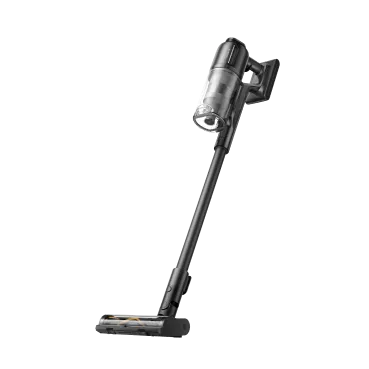
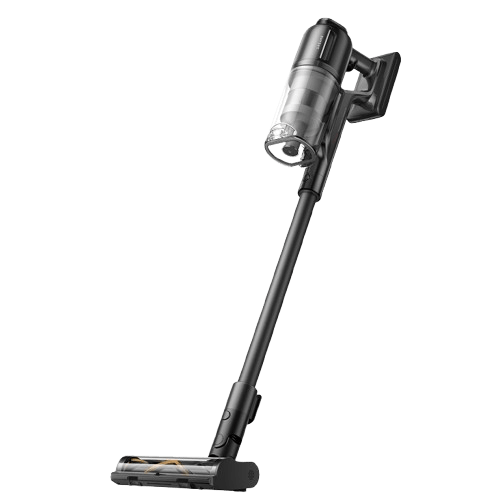
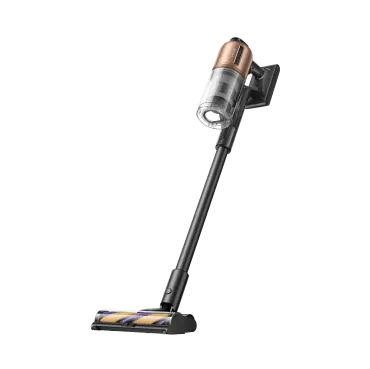
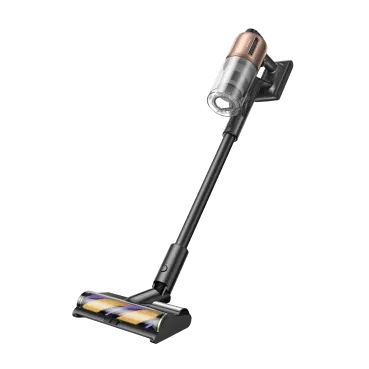
Spring cleaning season is here, and with it brings the familiar dilemma of choosing the right cleaning tools. Whether you’re tackling a small apartment or a spacious home, efficiency and ease of use matter—so how does one find a vacuum cleaner that truly simplifies our cleaning routine without breaking the bank? We’ve done the research, and one cordless vacuum stands out this spring: the Dreame R10 Pure. Priced attractively at just $199.99, this lightweight, powerful vacuum cleaner has quickly gained popularity to become a top choice among savvy home cleaning enthusiasts. Why is the R10 Pure highly recommended this season? Powerful Suction for Deep Cleaning With ultra-strong 120AW suction power, Dreame R10 Pure ensures thorough cleaning of carpets, hardwood floors, tiles, and more. Pet hair, dirt, dust, and stubborn debris vanish effortlessly, leaving your home fresh and spotless—exactly what you need after a long winter indoors. Extended Battery Life for Maximum Runtime No one likes stopping repeatedly to recharge mid-cleaning. With up to 60 minutes of runtime, R10 Pure's advanced battery technology enables cleaning your entire home in one go, making spring home cleaning swift and hassle-free. Designed for Style and Efficiency Gone are the days of bulky, unattractive cleaning appliances. Developed by Dreame’s own Aesthetics Center, the R10 Pure features sleek lines, elegant finishes, and an ergonomic, lightweight build (just 3.6 lbs!), perfect for effortless cleans—even in tight corners or hard-to-reach areas beneath furniture. Plus, its built-in LED lights brighten dark spaces, ensuring no dirt is left behind. Why R10 Pure? This spring, Dreame is celebrating by offering an exclusive 25-30% off limited-time promotion from now to April 20th. Don’t miss the opportunity to transform your cleaning routine at a remarkably affordable price. Ready to Upgrade Your Cleaning Game? Take advantage of the exclusive deal now and get the R10 Pure delivered directly to your door: Shop on Amazon Buy from Dreame Official Store Act fast—spring cleaning never looked this good!  
Continue reading