

5 Innovative Home Robots That Will Transform Your Daily Routine

5 Innovative Home Robots That Will Transform Your Daily Routine

Editorial TeamDreame |
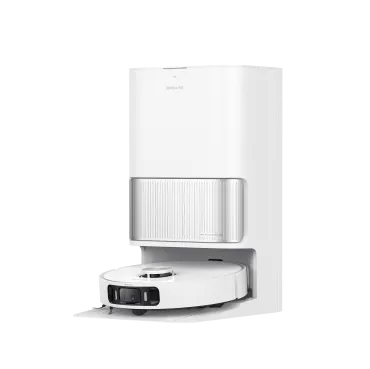
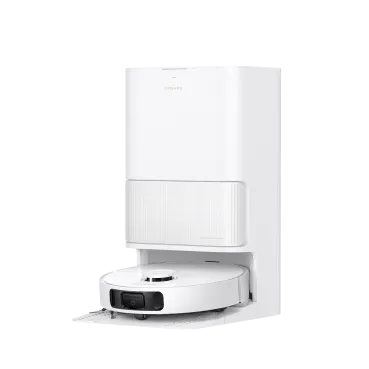
A typical evening routine of working people might be like this: You unlock the door, and there is no expression from a full day's work. And when you drop the bag, just immediately see: floors need vacuuming, the lawn looks shaggy, and you wonder if you remembered to lock the back door. But what if someone, or something, has already taken care of everything before you arrive home? Welcome to the world of home robots. They are practical, affordable, and designed to help out busy families like yours. And a lot of people already have smart gadgets running in their homes. The Rise of Home Robots Home robots have come a long way from simple beginnings. The idea started during the Industrial Revolution in the 1700s-1800s, but the first real home robots appeared in the 1980s - simple machines that could play music, respond to commands, and help with basic tasks. The big breakthrough came in 1997 when the first robot vacuum cleaner was invented that could clean floors all by itself without any human help. By 2009, these robots got much smarter - they were given special laser sensors that work like "eyes," allowing them to create maps of your home and move around furniture without getting stuck. Today, home robots do much more than just vacuuming. They can mow lawns, clean pools and windows, help in the kitchen, and even keep you company. With millions of these helpful robots now in homes worldwide, they've transformed from simple gadgets into smart assistants that make everyday life easier and more convenient. Remember when phones used to be confusing? Now your grandma video chats with ease. And Home robots are at the same sweet spot: high-end technology simplified to be used by anyone. And now devices can work together, learn your habits, and free up your time for what actually matters. The global market is growing 9.55% yearly because families are discovering that these devices genuinely work and make life better. 5 Innovative Home Robots to Know in 2025 #1 Robotic Vacuum Cleaner You're rushing out the door for work, coffee in hand, when you notice the living room carpet is covered in last night's popcorn. In the old days, you'd either be late for work or come home to the same mess. But with a robotic vacuum cleaner, you simply say, "Hey Google, clean the living room" as you grab your keys. When you return eight hours later, the room is spotless. Here's what makes this magic possible: Smart mapping: The robot learns your home layout once, then remembers it forever. Obstacle detection: It can identify and avoid over 100 objects, from your kid's toys to your pet's food bowl. Surface switching: Automatically adjusts from hardwood to carpet without missing a beat. Self-maintenance: Many models empty their own dustbin and even wash their mop pads. #2 Robotic Lawn Mower It's Saturday morning, your neighbors are outside pushing mowers in the heat, and you're inside enjoying coffee because your lawn is already perfectly trimmed. Every week. Without you lifting a finger. What makes robotic lawn mowers different: No setup hassle: Takes 15 minutes to set up, and no buried wires or complex installation. Weather smart: Adjusts cutting schedule based on how fast your grass grows. Quiet operation: Your neighbors might not even notice it's working. Security features: GPS tracking means no one's walking off with your investment. #3 AI Assistant for Home You're at work and get a package notification. You worry about porch pirates or wonder if your elderly parents remembered to take their medication. An AI assistant robot can handle both. What these smart companions do: Mobile security: Patrols your home and sends real-time alerts to your phone. Video communication: Lets you "visit" any room in your house remotely. Package protection: Safely stores deliveries until you return. Elder care: Provides gentle reminders and companionship for aging family members. #4 Robotic Window Cleaner Cleaning windows used to be dangerous and tiring (especially when you live on a higher floor). But with robotic window cleaners, you can clean windows inside and out, without the need for a ladder. These robots stick to the glass and use special cleaning pads to remove dirt and grime. Why You'll Love It: Cleans both inside and outside windows. No ladders are required, making them safer. Removes smudges and dirt without streaking. Easy remote control operation. #5 Smart Refrigerator Assistant A smart fridge assistant, which is often integrated into refrigerators, helps manage your kitchen inventory with technologies like AI and voice assistants. So forget about guessing what's in the back of the fridge or when things will expire. These assistants track your food, help create shopping lists, and even suggest recipes based on what you have. Plus, some even connect to grocery delivery services to order what you're running low on. Why You'll Love It: Tracks food and expiration dates automatically. Suggests recipes based on what you have. Makes grocery shopping a breeze. Syncs with other smart devices in your home. How Do Home Robots Work (And Why You Don't Need a PhD to Use Them) Let me simplify this: Think of robots as very smart pets. They use cameras as eyes, sensors as ears, and Wi-Fi as their way to "talk" to your phone. The AI brain processes what it senses and decides what to do next, just like you would, but faster and more consistently. The beautiful part: You don't need to understand how they work to use them. Just like you don't need to understand cellular towers to make a phone call. Smart home integration made simple: These robots talk to your Alexa, Google Assistant, or Apple devices. So you can say "Good morning" and trigger your vacuum to start, your security robot to switch to day mode, and your lawn mower to adjust its schedule, all with one voice command. Benefits of Household Robots in Daily Cleaning Now that you understand what's available, let's talk about what this means for your actual life. Time—Your Most Precious Resource: The average family spends 5 hours a week on cleaning tasks. Robots can handle 80% of this automatically. That's 4 hours back in your week. Every week. What would you do with an extra 200 hours a year? Consistency You Can Count On: Robots don't get tired on Friday night or sleep in on Saturday morning. Your home maintenance happens reliably, creating a foundation of cleanliness that makes everything else easier. Health Benefits You'll Actually Notice: Regular automated cleaning reduces allergens, dust, and pet dander. Families report fewer allergy symptoms and better sleep quality, especially important if anyone in your home has asthma or sensitivities. Are Home Robots Worth It? Let's talk numbers that matter to your family budget: The global smart home market is booming, growing at 23.1% yearly and projected to reach $633.20 billion by 2032. Why? Because families are discovering the math works: these devices deliver real savings through energy efficiency, convenience, and security that actually pay for themselves over time. The real cost calculation: Your time value: If you value your time at $20/hour, and robots save you 4 hours weekly, that's $4,160 worth of time back each year. Floor protection: Regular automated cleaning can extend the life of many flooring types like carpets, hardwood, tile, and laminate by 2-3 years, saving thousands in replacement costs. Energy efficiency: Modern robots use less electricity than traditional appliances while doing more work. Decreasing prices: As technology improves, prices continue to drop while capabilities increase. But here's the real question: Can you put a price on coming home to a consistently clean, secure, well-maintained home while having more time for your family? Where to Buy Advanced Home Robots Start with research: Read reviews from real families, not just tech experts. Look for stories that sound like your life, similar home size, family situation, and needs. Best buying options: Manufacturer websites: Get the latest models with full warranty protection on manufacturer websites like Dreame's. Major electronics retailers: Go to retailers like Best Buy, Target, and Walmart, and see and test robots in person before buying. Online marketplaces: Search on Amazon, eBay, Walmart.com, and Target.com, which are great for comparing prices and reading hundreds of real user reviews. A growing trend: More families are buying robots online because the reviews and return policies give them confidence. The online market is expanding rapidly as people become more comfortable with digital purchases for major home appliances. Before You Buy: Smart Considerations Match the robot to your life, not the other way around. Access your home: Layout: Consider your home's complexity: do you have multiple levels, tight spaces between furniture, or rooms with many obstacles? Choose robots with appropriate navigation technology for your specific layout challenges. Floor types: Identify all your flooring materials (hardwood, carpet, tile, rugs) and their pile heights. Some robots perform better on certain surfaces, so match the robot's capabilities to your dominant floor types. Wi-Fi coverage: Test your internet signal strength in all areas where the robot will work. Weak signals can affect mapping and app control functionality. Consider your family: Children and pets: How noisy is too noisy for your household? Do you have heavy-shedding pets that need extra suction power? Privacy preferences: Are you comfortable with cameras mapping your home, or do you prefer laser-only navigation? Maintenance reality: Will you remember to empty bins weekly and replace filters monthly? Conclusion: Which Robot Suits Your Lifestyle? We've covered a lot of ground together, and now you're probably wondering: "Where do I start?" Here's my advice based on real families I've seen transform their daily routines: If you're constantly behind on cleaning: Start with a robotic vacuum. The daily time savings and consistent results will show you immediately how robots can change your life. If you have a large yard: A robotic lawn mower gives you back entire weekends while keeping your outdoor space looking perfect. If security concerns keep you awake: An AI assistant or security robot provides peace of mind that's hard to put a price on. If you're caring for aging parents: AI assistants can provide companionship and monitoring that helps everyone feel more secure. The technology is ready. The prices are reasonable. The benefits are real. The only question left is: are you ready to transform your daily routine?
Continue reading
5 Ways to Improve Indoor Air Quality in Winter

5 Ways to Improve Indoor Air Quality in Winter

Editorial TeamDreame |
A recent global air quality survey shows that 50% of the world’s population suffers from household air pollution effects. The importance of boosting indoor air quality can’t, therefore, be overemphasized. To understand how to improve indoor air quality in Winter, you must first know what causes poor indoor air quality during Winter in the first place. Effects of poor indoor air quality are dire. The solutions range from taking simple measures like ventilating your home to finding the best vacuum for air quality. However, let’s first discuss indoor air quality management in Winter and related issues. What Are the Issues Behind Poor Air Quality in Winter? Indoor air quality reduces in Winter since homeowners become more conscious of air leaks around windows, doors, rim joists, piping, etc., and result in insulation, among other efforts to boost comfort and lower heating bills. People tend to keep doors and windows locked tightly during Winter to maintain indoor warmth; however, these have negative effects. Poor circulation of air indoors allows a buildup of bacteria, viruses, dust mites, mold spores, and other pathogens responsible for many health problems ranging from headaches, fatigue, and dizziness to more severe effects like respiratory diseases, cancer, and heart disease, according to the EPA. Volatile organic compounds (from paint, cleaning agents, etc.), pets, smoke, etc., are also to blame for poor air quality indoors. 5 Ways to Improve Indoor Air Quality Given the effects of poor indoor air quality in seasons like Winter, it’s important to take certain measures. Here’s how to improve indoor air quality in five simple ways. Grow Plants You can grow some indoor plants to boost your indoor air quality. Numerous studies, including one done by NASA, have linked indoor plants to improved air quality. Houseplants can absorb harmful pathogens in the air. They work perfectly in tight spaces and rooms with little to no airflow. While plants may be slower than air purifiers in regard to their indoor air purifying capabilities, they have other notable benefits. For instance, plants are more therapeutic and cost-effective than air purifiers. However, you need a specific number of plants to realize indoor air quality benefits i.e., 2-3 plants for every 100-square feet of indoor space. Some plants are also better than others at purifying the air. Areca palm, snake plant, money plant, and Chinese evergreens are examples of good indoor plants to consider for better indoor air quality. Monitor Indoor Air Quality To improve air quality indoors, you must first know your indoor air quality status. Indoor air quality monitors (IAQ monitors) offer accurate data on air quality, allowing you to take effective improvement measures. The best IAQ monitors today can detect almost all pollutants indoors, including radon - the chemical linked to 13.4% of all lung cancer-related deaths in the U.S. IAQ monitors can detect volatile organic compounds (VOCs) responsible for many respiratory health problems like sinuses. The benefits of monitoring indoor air quality include identifying the specific pollutant in your home to be able to find effective ways of getting rid of that pollutant. You can be able to know exactly when to ventilate during Winter when the levels of a certain pollutant surpass a certain level. A good air quality monitor will monitor many other metrics, including indoor temperature, air pressure, and humidity, that are linked to how we feel and perform. In fact, imbalances in temperature, air pressure, and humidity are common causes of headaches, migraines, joint pain, and blood pressure variations. There’s even evidence linking indoor air quality to impaired thinking. Open Your Windows It’s understandable why people don’t like opening their windows during Winter. The effort associated with keeping your indoor environment warm and comfortable usually outweighs the need for fresh air. However, you must open your windows periodically to keep your indoor air quality level safe. If you have an indoor air quality monitor, you can know the exact time to ventilate. Clean and Vacuum More Often Keeping your floor and floor covering as carpets and mats can also boost your indoor air quality immensely. There is a clear link between carpets and poor indoor air quality. Carpets are linked to an increased allergen, dust, and pathogen levels in homes. The link between carpets and health problems like asthma, anxious symptoms, and mild cognitive effects is also clear. Carpets, mats, and dirty floors harbor dust, dust mites, mold, and many pathogens linked to indoor air quality problems. All these problems can be solved by vacuuming and moping your floor more often, especially during Winter when air circulation is poor. However, most vacuum cleaners won’t get the job done. In fact, some vacuum cleaners worsen indoor air quality by releasing dust, bacteria, and allergens back into the air. Mops also need to be clean, otherwise, they’ll also reintroduce pathogens. To solve this problem, consider the best vacuum for air quality out there today with a HEPA filter, such as the Dreame D9 robot vacuum. The Dreame D9 is a vacuum cleaner, mop, and robot all in one offering unparalleled stress-free cleaning experiences. It uses a laser system and smart algorithm to map a cleaning route in your home and clean efficiently and thoroughly while avoiding obstacles with ease. Change Furnace Filters Regularly Since indoor heating needs increase drastically, furnace filters are bound to gather particulate matter faster. Furnace filters won’t work as efficiently as they do during winter if you don’t replace them regularly. Removing dirty and clogged filters more than once during Winter will ensure the trapped particulate matter doesn’t recirculate back. After taking the measures above, you won’t have indoor air quality management problems. You should start by monitoring the quality of your air indoors before purposing to open windows and doors more often, adding indoor plants, opening your windows more often, and replacing your furnace filters. Most importantly, you should invest in a good vacuum cleaner and mop like the Dreame D9 proven to clean your carpet, rugs, and floors automatically.
Continue reading
Home Deep Cleaning vs Regular Cleaning: What's the Differences?

Home Deep Cleaning vs Regular Cleaning: What's the Differences?

Editorial TeamDreame |
Most people who clean their homes do regular cleaning. Professional cleaning companies do regular and deep cleaning. While you’ll have to pay extra for deep cleaning, there’s unmatched value for money. To understand why you should overlook DIY (Do-It-Yourself) home cleaning over professional cleaning, it’s important to define the two terms. What’s the Difference Between Deep Cleaning and Regular Cleaning Your Home Regular Cleaning As the name suggests, regular home cleaning involves typical home cleaning tasks done to maintain typical cleanliness. While it’s possible to hire a cleaning company to do regular cleaning, it costs less than deep cleaning. You can even clean your room in one hour. Regular cleaning usually involves cleaning tasks such as sweeping floors, cleaning and mopping floors, vacuuming carpets, wiping the dust from surfaces, appliances, and fixtures, cleaning and disinfecting the bathroom, cleaning kitchen appliances, cooking pots and floors as well as cleaning doors, window frames, dusting vents, emptying the trash can, and removing cobwebs. Deep Cleaning Deep cleaning goes further than regular cleaning. The main difference is in the level of detail. Deep cleaning is more extensive. It includes all regular cleaning tasks as well as cleaning neglected and/or hard-to-reach areas of your home. Anything that can be cleaned is attended to. It also focuses on improving the living quality and overall sanitation of your home. Other notable differences include price. Deep cleaning is obviously more costly. It also takes longer. If you are thinking about doing it yourself, we have created a complete cleaning supplies checklist to help you. How Often Do You Need to Deep Clean Your Home As mentioned above, deep cleaning involves cleaning every cleanable place or thing in your home. While it’s not possible to clean everything, there are things you must deep clean often than others. You should deep clean your microwave, shower, toilet, bathmats, bathtubs, and carpets every week. Your refrigerator can be deep cleaned monthly, while your pillows and skirting boards should be cleaned every three months. Windows and drapes should be cleaned thoroughly after 3-6 months. Your mattress, blankets, and duvets can be deep cleaned at least twice a year. Showerheads can wait for a year, while your oven should be deep cleaned when it starts emitting an unpleasant odor. This can even be weekly depending on the frequency, spills, etc. Deep Cleaning House Checklist: How to Deep Clean a House If you are looking for specifics i.e., the different places to clean in your kitchen, bedroom, etc., how to clean those places, the number of times you should clean, among other important information, here’s what you should know. Kitchen Deep Cleaning When deep cleaning your kitchen, you should focus on the microwave, refrigerator, and oven, as these are the appliances that aren’t cleaned properly during regular cleaning. As mentioned above, deep clean your microwave weekly to get rid of food splatters that act as breeding grounds for germs. Your refrigerator should be deep cleaned monthly to eliminate food spills and other sources of germs like rotting vegetables, which can also cause serious bacterial contamination. The process of deep cleaning a refrigerator includes but isn’t limited to removing everything and wiping down all compartments using an antibacterial wash. The oven should be deep cleaned as often as possible, more so when you start to smell previously cooked food. When cleaning your oven regularly, use a damp cloth and soapy water to get rid of good spills and splashes. Other areas and appliances that should be deep cleaned in the kitchen include dishwashers, stovetops, and sinks. Living Room Deep Cleaning Your living room should be deep cleaned weekly to half-yearly, depending on what is being cleaned. Carpets cleaning should be done weekly and deep cleaned once or twice a year. However, deep cleaning can be done often if you have pets or young children that play a lot but still need a carpet that is clean throughout. Deep cleaning is also dictated by factors such as stains and dust levels in your area. Deep cleaning carpets can be a daunting task when handled traditionally. Currently, there are deep cleaning vacuums in the market today, such as the Dreame cordless vacuum sticks for deep cleaning your sofa, carpet, and floors. Windows and drapes can be deep cleaned once every 3-6 months. While you can wipe the woodwork, you’ll need a professional to help you deep clean other elements/parts i.e., to remove grime from your drapes and windows. Skirting boards should be deep cleaned quarterly. Vacuuming and wiping over skirting will remove the layer of dust and pathogens (dust mites/allergens) that accumulate over time on skirting boards. Bathroom Deep Cleaning Bathtubs and showers should be deep cleaned weekly. Deep cleaning is crucial since bathtubs and showers are perfect breeding grounds for fungus and bacteria known to cause skin infections. Cleaning should be as thorough as possible by using antibacterial agents. Toilets should be cleaned regularly on a daily basis, and deep cleaned every week. Like bathtubs and showers, cleaning should be done using antibacterial agents. It’s also crucial to use bleach to keep your toilet free of ugly stains. A toilet cleaner will come in handy when removing mineral deposits. Bathmats should also be cleaned weekly since they are also breeding grounds for fungus and bacteria. Use sanitizing wash or other similar detergents to get rid of harmful bugs that thrive in bathmats. After washing, dry the mat outdoors in direct sunlight to dry. Bathroom shower heads should be deep cleaned once every year to remove minerals that build up over time and restore normal function. Deep cleaning also gets rid of dust and dirt that accumulates over time. Bedroom Deep Cleaning Bedroom pillows should be deep cleaned quarterly, while mattresses, duvets, and blankets should be deep cleaned twice a year. Pillows harbor dead skin, sweat, oil, dust mites, and other allergens. Mattresses also harbor everything found in pillows and more i.e., bed bugs. Mattresses are also prone to become smelly. Duvets and blankets also accumulate dust and allergens. All the bedroom items should be deep cleaned by professional cleaners. You can do regular cleaning; however, deep cleaning should be left to professionals for obvious reasons. While it looks costly, it’s important to consider the health implications of disregarding deep cleaning requirements. It’s also important to choose reputable professional deep cleaners. It may be possible to deep clean some elements/places in your home with the help of state-of-the-art appliances.  Discover More in Our Cleaning Series: How to Keep Your House Clean Before, During & After Vacation How to Clean Your House Like a Pro 10 Tips For Cleaning Your Home This Fall
Continue reading
Easy Household Chores That Teenagers Can Do

Easy Household Chores That Teenagers Can Do

Editorial TeamDreame |
The best thing a parent can do is to start early on household chores for teenagers. Doing so will teach your children about self-reliance, responsibility, and respect. The problem is, you might have no chore ideas for teens. It’s hard to come up with them – and, sometimes, even harder to get a teenage kid to do them! Fortunately, we have the perfect teenage chore list for you to try. These tasks aren’t hard to do and, in due time, your children will add them to their daily routine with no hassle. Chores That Teens Can Do Take out the trash Taking out the trash is a movie cliché at this point – but there’s a reason for that. Making your teenage children do this will make them understand how important it is to pick up after themselves. Not only that, but this chore will teach them that there are things in life that must be done on time. If they fail to take out the trash before the pick-up truck comes through, they failed their task. So, they will have to do a chore – and pay attention to the daily schedule. It’s the perfect character-building task for beginners! Sweep and vacuum Like taking out the trash, sweeping and vacuuming are some of the most important chores your teenage child can do. This chore is all about taking care of the house. If your teenage kid invites friends over or leaves a mess after eating, it’s only right that they clean up. The best part is, they don’t have to grab a broom because it’s not the 1800s anymore. They can use a Dreame vacuum, like Dreame T10 to make the chore more fun and interesting – but they must make sure everything is nice and clean in the end. Do the laundry This final option is by far the most advanced and complicated of them all. It might not seem like much to an adult – but a teenage kid has little to no idea about doing the laundry. While it is recommended that you tell your children to do the laundry eventually, you need to understand that it will take some time for them to understand how to properly do this chore. So, if you’re interested in trying this option, keep in mind you’ll have to teach your children how to do that. Take care of the pets A pet could be your teenage child’s best friend – but it’s also a huge responsibility. Taking care of a pet teaches important lessons. It also teaches how important it is to be responsible when someone else depends on you. If, for example, you have a dog in the house, your son or daughter should walk the dog, feed the dog, groom the dog, and play with the dog. These are all essential parts in taking care of a pet – and an important household chore for your teenage kid to do. The great part about this is that doing something like this doesn’t feel like a chore – because hanging out with the pet is always fun! How Can You Motivate Teenagers to Do Their Chores? Set consequences if they do not do their chores These days, teenagers have too many things going on for them. Social media alone takes hours away from their daily routine. While that’s not a good thing, you can use it to your advantage. For example, if your children fail to do their part in the teenager chore list, you can restrict their internet access, reduce their video game time, or simply add more chores in the future for them to do. The idea here is not to threaten your children with punishment – but to make them understand that, in real life, not doing what you’re supposed to do has consequences. Do chores along with them Even though you’re trying to delegate household tasks and teach your kids about responsibility, sometimes it’s better to do a team effort to show that you care. This article is about chores for teens, but that’s not enough reason for adults not to give a helping hand! When you do chores side by side with your children, you’re teaching them the right way to do things – and why they should do it. And, sure, this isn’t the most entertaining thing an adult can do with his or her time, but it’ll teach the young ones in the family a valuable lesson. Reward them for doing chores Teenagers should face consequences for their actions, both good and bad. Sure, you should take away your teenage child’s cellphone if they don’t take out the trash – but you should also reward him if he does his household chores. You already know what to do if your child fails to do his part. You should also promise to do something good in return if they do all the chores. A weekly allowance is a great reward for a job well done. If an allowance isn’t possible or necessary, you could come up with something else, like buying a new video game or cellphone in a couple of months, if every chore is done before that time. Conclusion At the end of the day, implementing the right chores list for teenagers could be the difference between raising healthy, educated adults and people who don’t know how to pick up after themselves. Taking out the trash or vacuuming might not seem like much, but they are character-building tasks that will teach your children valuable lessons. And, while your kids learn, you’re learning as well! Trying to make your teenage children do chores isn’t easy – but it’s worth the effort. If you’re coming up short and your teenage kids aren’t listening, try to implement the reward system we talked about. That’ll definitely help!
Continue reading
Advantages of Robot Vacuum for Small Apartment

Advantages of Robot Vacuum for Small Apartment

Editorial TeamDreame |
Vacuuming can require a lot of energy and time to complete. However, there is a way to ensure that it becomes a more straightforward process that requires less effort. That is by the use of robot vacuum cleaners. Most people are investing in this appliance as it helps them to finish their vacuuming tasks quickly. Initially, people did not seem to realize the importance of having a robot vacuum in their homes. However, many people realize why they should invest in a robot vacuum cleaner for a small apartment. The increasing need for smart gadgets in homes has impacted the growing popularity of robot vacuums. One thing that has impacted the popularity of these machines is that they are getting advanced from time to time. That means they are now performing better in performing their cleaning purposes. This article explains more about why robot vacuums are growing in popularity. Are Robot Vacuums Good for Apartments? Before investing in a robot vacuum, most people ask whether it is necessary to invest in one. The best answer to this question is yes! There are several clear reasons why robot vacuums are suitable for apartments, and here are some: 1. High efficiency Robot vacuums are among the most efficient gadgets that every apartment owner should have. One thing that everyone who’s used them before agrees on is that they are very efficient. A robot cleaner does the job without any intervention, unlike a traditional vacuum cleaner. 2. Easy to use The other reason to have it in an apartment is that it is relatively easier to use than most gadgets. The only task that requires a human being is placing the robot at the right starting point. The rest of the cleaning process goes on without any assistance. 3. Programmable Having a robot vacuum for a small apartment is an excellent idea because it is programmable in different ways. A busy schedule does not mean an apartment should remain dirty. A robot vacuum can get programmed to clean the floor at a specific time every day. It will do that even when the apartment owner is away on vacation or at work. 4. Wi-Fi connectivity Cleaning an apartment no longer requires human presence thanks to dynamic technology. An apartment owner can now connect to a robot vacuum and operate it from the office or any other location. They can do this using an application that gives them access to the robot vacuum controls. 5. It works well in tight spaces Most apartments are small, and using a traditional vacuum cleaner can be challenging, mainly because of hard-to-reach spots. However, it is easy to clean with a robot vacuum cleaner as it requires a small space, which means extensive cleaning is possible. The robot vacuum's heights also make it easy for it to go through short spaces. Timing Tips for Vacuuming an Apartment Is it ever too early to start vacuuming? Most people do not know what the right time for vacuuming should be. That is because several apartments do not have vacuuming rules. That makes it challenging to decide on an appropriate time to start vacuuming. 1. Appropriate time So, what is the right time to vacuum? Vacuuming largely depends on the time that the apartment owner feels ready to do it. However, they also need to do it at an excellent time so as not to affect their neighbors. The fact that there may be no vacuuming rules does not mean disturbing anyone’s peace. Therefore, it makes sense to be considerate of neighbors as vacuum cleaners usually produce noise that can wake neighbors up if used at night. The best thing to do after moving into a new apartment is to check whether there are any rules on vacuuming times. If there isn’t, it is necessary to understand the schedules of the closest neighbors before deciding on an appropriate time. Mostly, anytime between 7 AM and 11 PM should be fine. However, some neighbors could be sleeping during the day and working at night, making it necessary to consult. 2. Mode switch Robot vacuums take more time to clean an apartment than traditional vacuum cleaners do. That makes it necessary to understand the right time to use a robot vacuum. Since this type of vacuum produces noise like the traditional vacuum, it will be more irritating to neighbors if it is prolonged. That makes it necessary to identify the right time to vacuum an apartment to avoid noise complaints. As mentioned earlier, day times better for vacuuming. That is because most people get occupied with other tasks and won’t hear the noise even if they are home. There are also various cleaning modes on vacuum cleaners, and switching from one mode to another depends on the intensity of cleaning. More intense cleaning modes may make the robot produce too much noise, which can be irritating. It is better to switch to modes that produce noise that neighbors can bear. How to Vacuum an Apartment? Vacuuming is necessary in every place that is carpeted and has human traffic. Most people do not take vacuuming the right way to be a skill. That makes them vacuum their apartments the wrong way every time they do it. However, doing it the right way is a skill, and here are some expert steps to follow: Keeping a vacuuming routine Vacuuming is applicable where there is loose dirt and dust. However, many people wait for too long until their floors no longer need to get vacuumed but deep cleaned. Keeping a vacuuming routine makes it easy to maintain proper floor hygiene and avoid the costs involved in deep cleaning. Taking enough time Most robot vacuum cleaners can be configured to work in specific ways. That allows configuring the machine to work at a certain speed. That ensures it takes time to get rid of any dirt from the floor, as brushing through leaves a lot of dirt in the fabric. Focus on high traffic areas It helps to put more effort into cleaning high-traffic areas. That is because there is a higher chance of these areas harboring more dirt than other parts of an apartment. Setting the vacuum cleaner to pass through these points repeatedly helps to ensure they are clean. Maintain the vacuum cleaner properly It is necessary to ensure that the robot vacuum cleaner is clean after every session. That means emptying the canister before it fills, as that can make it less efficient. Therefore, it is necessary to clean everything regularly to allow enough airflow and make it more effective. Using the right machine There are as many types of robot vacuum cleaners as floors in apartments. That makes it necessary to buy a vacuum cleaner that can work well for the type of floor in an apartment. Otherwise, getting the desired results with the wrong cleaner can be impossible. Best Robot Vacuum Cleaner Recommendation for Small Apartment There are various choices to make when going to the market for a robot vacuum cleaner from brands like Dreame. Most people experience trouble when deciding what the best robot vacuum for an apartment is. Here are some things to consider when choosing a robot vacuum cleaner: 1. Remotely Manage Cleaning on APP There are several benefits of purchasing a robot vacuum cleaner with a companion app. As mentioned earlier, virtually controlling a Wi-Fi-enabled robot vacuum cleaner is straightforward. The app can also be beneficial in other ways, such as mapping already cleaned areas and scheduling the robot vacuum. 2. Low noise Another necessary thing is considering the noise output of a robot vacuum before buying it. Being mindful of neighbors is vital, and vacuuming at the right time can be significant. However, finding a low-noise vacuum cleaner can help anyone living in an apartment. 3. Budget The budget is another factor to consider when buying a robot vacuum. There are expensive options that have all the convenience features people look for in these devices. Also, there are cheaper options that may not come with sophisticated features like Wi-Fi connectivity and many more. Dreame F9 Robot vacuum makes cleaning of homes easier than using traditional vacuum cleaners. That has made this device more popular compared to the hand-held devices that require human presence to work. As mentioned earlier, people are looking for smart solutions in their homes, and this device gives them the help they desire. This article has focused on how robot vacuums can be beneficial to any apartment owner. The advancement of technology has increased their need as they can work even with the owner is miles away. Generally, cleaning has become more comfortable and less time-consuming with the advancement of vacuum cleaners.
Continue reading
How to Clean Your Home If You Have an Allergy: Vacuums, HEPA Filters, and Beyond

How to Clean Your Home If You Have an Allergy: Vacuums, HEPA Filters, an...

Editorial TeamDreame |
Still sneezing even after you vacuum? This guide is for you. You don't need to work harder- just smarter, with the right tools. Here's how to clean your home for better air and fewer allergy symptoms. What Are the Most Common Allergens at Home? You may not see them, but allergens are always around. Tiny things in your home can cause a lot of trouble. Some come from outside, while others are generated inside your house. Dust mites: Small bugs that live in beds, pillows, and carpets—they love warm, damp environments. Pet dander: Tiny skin flakes from your dogs or cats that float in the air and stick to furniture and clothes. Pollen: Even if you don't have plants inside, pollen comes in through doors, windows, or on your clothes. Mold spores: Mold grows in wet areas like bathrooms, basements, and kitchens. Spores travel through the air and can affect your breathing. Cockroach droppings: Break into tiny parts and float in the air. They often show up in older buildings or city homes. How Allergens Affect Your Body? When you breathe in allergens, your immune system reacts. Allergens can cause: Sneezing Runny or stuffy nose Itchy eyes Coughing Tiredness or poor sleep For people with asthma, allergens can also cause serious breathing problems. That's why it's important to keep your home as clean as possible. Can a Vacuum Help With Allergies? Not all vacuums are the same. Some trap allergens, while others may actually make things worse. The Right Vacuum Traps Allergens A good vacuum pulls allergens out of carpets, sofas, and floors. But more than that, it keeps those tiny particles inside the machine. This helps stop allergens from going back into the air. A strong vacuum with a sealed system and good filters can: Remove dust mites from rugs Catch pet hair before it spreads Pull mold spores from corners Stop dander from floating around The Wrong Vacuum Blows Allergens Back Out Many cheap vacuums push out dirty air through weak filters. Some even leak dust from cracks or the dustbin. That means you might clean the floor, but still breathe in the stuff you're trying to get rid of. Bagged vs. Bagless Bagged vacuums: Keep the dust sealed until you throw the bag away They are better for people with strong allergies It costs more over time because you need to buy new bags Bagless vacuums: Use a dust cup that you empty and wash They are cheaper to maintain May let dust escape when you dump the bin If you choose bagless, look for models with one-press dirt release and sealed dust cups, like the Dreame Z30 or Z20. Sealed System vs. Open Airflow A sealed system keeps all the air inside the vacuum. Dust and allergens go in, pass through the filters, and clean air comes out. No leaks. This is very helpful for people with allergies or asthma. An open airflow system leaks air before it gets filtered, reducing suction and letting allergens escape. If you have allergies, a sealed system is essential. Here is a simple comparison: Feature Sealed System Open Airflow System Air Path Fully enclosed Air can leak from gaps or weak seals Filtration Efficiency High Lower Allergy Protection Strong Weak Indoor Air Quality Improves Can get worse Ideal For Allergy and asthma sufferers General cleaning with no allergy concerns Common in High-quality vacuums (e.g., HEPA-certified models) Budget or older models For better air and better health, a sealed vacuum system is a smart choice. Things to Look for in a Good Vacuum for Allergies Not every vacuum can fight allergens. Some are strong but still miss tiny particles. Others may clean carpets well but spread dust back into the air. If you want real allergy relief, here are the key features to check before buying. High Suction Power Look for models with at least 5,500 Pa (120AW) pressure that can pull allergens from deep inside carpets, fabric, and mattress seams. The Dreame Z30 Cordless Stick Vacuum delivers 14,000 Pa (310AW) of suction power, one of the strongest in its class. Sealed System Always choose a vacuum with a sealed system. This keeps dirty air inside and pushes only filtered air out. It helps stop allergens from leaking back into your home. Cheap vacuums often skip this step, even if they have strong suction. HEPA or Advanced Filters Look for filtration that captures at least 99.9% of particles as small as 0.3 microns (μm). The Z30 uses whole-machine HEPA filtration with 99.99% efficiency, helping remove dust, bacteria, and airborne triggers from your space. Anti-Tangle Brush Design Pet hair and long human hair can clog brushes quickly. Choose vacuums with anti-tangle technology, especially if you have pets. This reduces the risk of allergens getting stuck and being released later. Multi-Surface Brushes with Light A good allergy vacuum works on all floors, like tile, carpet, hardwood, and uses light to show hidden dust. The CelesTect™ Light Technology in the Z30 reveals dust along walls, under beds, and in corners. Easy-to-Clean Dust Cup and Tools If you touch dust during cleaning, you're breathing it in too. Look for: One-press dirt release Removable dust cup Washable filters and brushes The Z30 has all of these features to simplify cleanup without spreading allergens. Runtime and Battery For cordless stick vacuums, runtime matters. To clean a space of 3,230 ft² (300m² ), the Z30 offers up to 90 minutes of use in eco mode, powered by an 8-cell, 3,200mAh battery. Do HEPA Filters Actually Work? Yes, a true HEPA filter can trap 99.97% of particles as small as 0.3 microns (μm), including pollen, pet dander, and dust mites. Without this level of filtration, tiny allergens can pass through the vacuum and return to the air. Some vacuums, like the Dreame Z30, go even further. It uses whole-machine HEPA filtration with 99.99% efficiency at 0.1μm, offering extra protection for sensitive users. If you're serious about clean air, a real HEPA filter is one of the most important features to look for. Our Top Picks of Allergy Vacuum Cleaners in 2025 Many vacuums claim to fight allergens, but only a few really do the job well. Below are four top choices for different needs. Each one offers strong performance and features designed to reduce allergy triggers in your home. Recommended for Pet Allergies: Dreame Z30 Cordless Stick Vacuum Price: $399.99 The Dreame Z30 Cordless Stick Vacuum combines 14,000 Pa (310AW) robust suction and whole-machine HEPA filtration (99.99% at 0.1μm) to remove pet dander and hair from floors and furniture. The CelesTect™ Technology reveals hidden dust, while the pet deshedding tool removes floating fur at the source. Its anti-tangle design keeps hair from clogging the brush. The Z30 runs up to 90 minutes and uses a removable 0.16-gallon dust cup. Recommended Cordless with HEPA: Dreame Z20 Cordless Stick Vacuum Price: $299.99 The Dreame Z20 Cordless Stick Vacuum offers 12,000 Pa (250AW) suction power and whole-machine HEPA filtration at 99.99% efficiency for particles ≥0.3μm. It features CelesTect™ Light Technology, a clean-to-edge roller brush, and a sealed system that helps reduce dust leaks. With a maximum runtime of 90 minutes and 8 x 2,850mAh battery, the Z20 supports long sessions on both hard floors and carpets. Budget Option: Dreame R10 Pure Cordless Stick Vacuum Price: $149.99 The Dreame R10 Pure Cordless Stick Vacuum provides 5,500 Pa (120AW) suction power, 60 minutes runtime, and 99.9% filtration efficiency. It is lightweight at 3.64 lbs (1.65 kg) and uses a lighted multi-surface brush to clean dark corners and under furniture. With washable components and quiet operation, it's ideal for smaller homes or first-time buyers.   Recommended for Carpeted Homes: Dreame X50 Ultra Robot Vacuum Price: $1,399.99 The Dreame X50 Ultra Robot Vacuum features 20,000Pa Vormax Suction, a sealed system, and dual rotating brushes with detangling technology. It includes hot water mop cleaning at 176℉ (80°C), auto dust emptying, and smart mapping for precise room coverage. Designed for deep carpet cleaning, the robot lifts mop pads to protect rugs and detects different surfaces automatically. It runs up to 220 minutes on a full charge and supports homes up to 2,208 ft² (205m²). Best for Model Suction Power Filtration Efficiency Key Features Runtime Other Specs Pet Allergies Dreame Z30 Cordless 14,000 Pa (310AW) 99.99% at 0.1μm (HEPA) Anti-tangle brush, CelesTect™ dust detection, pet deshedding tool Up to 90 min Removable 0.16-gallon dust cup Efficient HEPA Filtration Dreame Z20 Cordless 12,000 Pa (250AW) 99.99% for ≥0.3μm (HEPA) Sealed system, CelesTect™ Light, clean-to-edge roller brush Up to 90 min 8 x 2,850mAh battery Budget Option Dreame R10 Pure 5,500 Pa (120AW) 99.9% Lighted multi-surface brush, washable components, quiet operation 60 min 3.64 lbs (1.65 kg) weight Carpeted Homes Dreame X50 Ultra 20,000Pa Sealed system Hot water mop (80°C), auto dust emptying, dual tangle-free brushes, smart mapping Up to 220 min Covers 2,208 ft² (205m²) Vacuuming Techniques for Allergy Relief Having a strong vacuum helps, but using it the right way makes a bigger difference. A few small changes in your cleaning routine can reduce allergens around your home. Vacuum Often. Dust and allergens build up every day, even if your floor looks clean. Try to vacuum high-use areas 2 to 3 times a week. Clean bedrooms, sofas, and rugs regularly, not just during allergy season. Move Slowly for Better Results. Vacuuming too fast leaves behind dust. Slow down, and pass over each area more than once. This helps the vacuum pull out allergens hidden in carpet fibers and fabric. Use the Right Attachments. Use floor brushes for large areas and smaller tools for tight spaces. A soft brush works well for shelves and furniture. Crevice tools help clean along walls and corners where dust collects. Start High, Finish Low. Begin by dusting high places like shelves or ceiling fans. After that, vacuum the floor. This stops falling dust from undoing your work. Empty the Vacuum the Right Way. Always empty the dustbin or bag outside your home. Do not dump dust into indoor trash cans. This helps stop allergens from going back into the air. If your vacuum parts are washable, clean them often with water and let them dry fully before using them again. Bonus: Tips for Allergy-Free Homes Vacuuming is only one part of allergy control. To feel better at home, you need a full plan. These extra steps help reduce triggers in the air and on surfaces. How to Maintain Your Vacuum A clean vacuum works better. If it's dirty, it can spread allergens instead of removing them. Follow these simple steps: Check the filter every month. If it looks gray or dusty, clean or replace it. Empty the dustbin before it gets full. A full bin reduces airflow and cleaning power. Wash brushes and rollers. Hair and dust can block them. Use water and mild soap if the parts are washable. Wipe the vacuum body. Dust can stick to the outside, too. A damp cloth works well. A well-maintained vacuum keeps your air and floors cleaner. How to Create a Cleaner Indoor Environment Dust and allergens hide in many places. These tips help reduce them in your home: Wash bedding weekly in hot water, at least 140°F (60°C) Use pillow and mattress covers to block dust mites Keep humidity between 40% and 50% to slow mold growth Declutter surfaces, for less clutter means less dust Remove shoes at the door to avoid tracking pollen inside Clean curtains and rugs often, or replace them with washable ones Vacuum upholstered furniture, not just floors Air purifiers and humidifiers can also help. Use a purifier with a HEPA filter in bedrooms or living areas. A humidifier can balance dry air, but it must be cleaned often to avoid mold. Clean Smart, Breathe Easy Allergens don't leave on their own. They hide in your floors, fabrics, and even the air. But with smart vacuums with HEPA filtration and sealed systems, plus consistent cleaning habits, you can enjoy premium air quality in your home. Looking for the right vacuum to reduce allergens at home? Explore Dreame's allergy-ready lineup and breathe easier every day.
Continue reading