
How to Get Wax out of Carpet with Vacuum

How to Get Wax out of Carpet with Vacuum

Editorial TeamDreame |
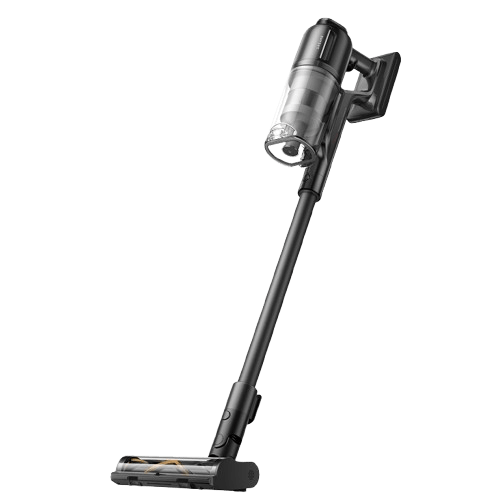
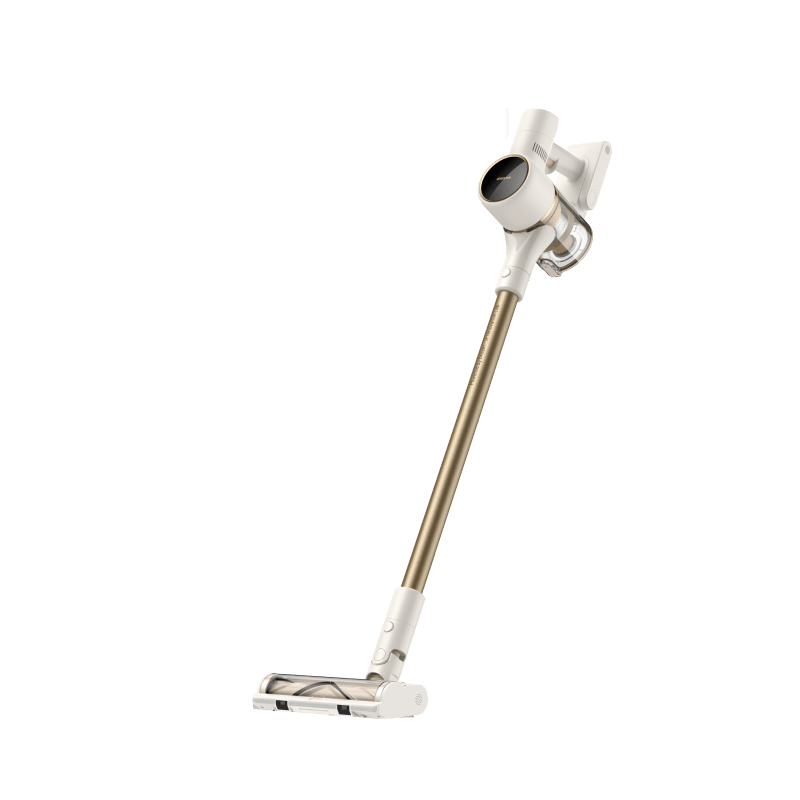
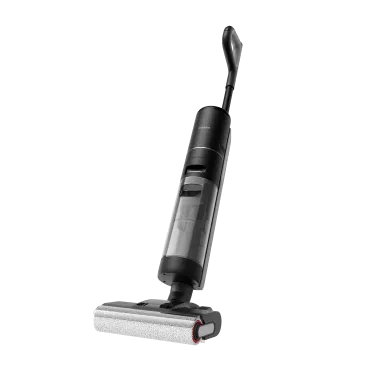
Keeping every nook and corner of your house clean can be a really challenging task. Using candle lights during a dinner party or as decorating options in some areas of the house is a good decoration idea. However, there is always a possibility for the wax to drip on to the carpets. Getting the melted wax out of the carpet may look like a tough thing to do. However, if you follow some simple steps you will know how to get wax out of carpet easily. But before you follow the steps, there are certain things that can help you to remove wax out of carpet. Let us find out what these things are. Things You Will Need For removing candle wax out of carpet you will be needing the following few things: Ice Bag or Ice Pack Iron or Hair dryer Paper Towel Carpet Cleaning Solution or Rubbing Alcohol A Butter Knife Vacuum cleaner Each of these things would be required through the various steps involved in removing wax from the carpet. Let us now find out how to get candle wax out of carpet. Steps to Remove Wax Out of Carpet You can easily remove stubborn wax from your carpets if you follow these simple steps. The first thing or the preliminary requirement of course is to get all the materials ready which we discussed in our previous section. Once all the required things are procured and are ready for use, we can start with the process of removing candle wax out of carpet. Let us now look at the steps involved. Step 1: Freezing the Wax on Carpet The candle wax on your carpets needs to be removed immediately as soon as you see or notice it. If you wait longer, it gets harder to clean the wax from your carpets and the stain they leave afterward. You may see that the wax on the carpet is messy and is spread through the carpet. Some of it may be there on the carpet but may not be visible. To make sure all the wax on the carpet is visible properly, you need to do this step. In this step, a bag of ice or an ice pack is placed on the top of the carpet on the spots where candle wax has fallen. This would freeze the wax on the carpet that would make the wax spots more clearly visible, thereby making it easy to clean. Ensure that the carpet does not get wet while the freezing process as moisture would only make the stains worse. Step 2: Scraping the Wax off the Carpet Once the wax on the surface is completely frozen, you may now start scraping off the wax from the carpet gently. Using a butter knife ensures that the carpet does not get torn or cut in the process. Make sure you are not going too rough while removing the wax from the carpet as you do not want to end up cutting the threads of the carpet and damaging it. This process will help you remove most if not all of the wax from the carpet. Once the wax pieces are all removed, you can either vacuum them or simply remove them off the carpet and proceed to the next step. As pointed out in step 2, freezing and then scraping off the wax will only help you to partially remove the wax from the carpet but the wax stains remain with some leftover wax that cannot be removed merely by scraping. In this step, you will need to use a paper towel and the steam iron or hair dryer. Start by placing the paper towel on the top of the wax stains. Heat up the iron at its lowest setting and gently run the iron over the towel to heat up the wax. Keep running the iron over the paper towel until you see the paper towel absorbing the wax from the carpet. Ensure that the heat level is at the minimum or else the paper towel may burn making the stains more rigid and difficult to remove. If you don’t want to use the steam iron, simply run the hot hair dryer over the carpet and then use the paper towels to absorb the resultant wax on the carpet. Once you are done with the heat and absorb process, it is time for the final cleaning step. Step 4: Cleaning the Carpet This step is the final and the most important step. Though every step is equally important, this step gives the desired cleaned look that you are expecting off your carpet after the entire process. This step has two parts. The first part is cleaning the carpet with a cleaning solution and then vacuuming the carpet using a vacuum cleaner. Always ensure to use the best vacuum cleaner while cleaning carpet and the Dreame T20 does the job just right. So, in this step, you will clean the carpet using a carpet solution and see how to remove candle wax from carpet with Dreame vacuum. Gently pour some carpet cleaning solution over the stained areas of the carpet. If there are colored stains of wax all over the carpet, use some rubbing alcohol, dab a small cloth towel with it, and gently remove the stains on the carpet using the cloth. Once the carpet is dried, run your Dreame T20 vacuum cleaner over the carpet, and in no time your carpet will return to its original spot free form and texture. Conclusion To summarize, though removing wax stains and wax from your carpet is an overwhelming task, you can easily remove all the wax and subsequent stains from your carpet without any difficulty by using simple DIY steps at home. So, what are you waiting for? Use this piece as a guide to removing candle wax from carpet and keep your home carpets ready for the next candlelight dinner party.
Continue reading
How to Vacuum Less and Still Keep Your Carpet Clean?

How to Vacuum Less and Still Keep Your Carpet Clean?

Editorial TeamDreame |
Carpets are a great interior decor item that most homes have invested in, but how often they should be cleaned has always been a matter of debate. Some experts recommend at least once a week, but others advise a biweekly cleaning routine. Whichever advice one chooses to follow, the bottom line remains that you can vacuum your carpet less and still keep it clean. There are many advantages of vacuuming less, including increasing the lifespan of the carpet and maintaining carpet fiber. Below are the main reasons why one should adopt a less frequent carpet cleaning routine. Also, get to learn how to choose the right vacuum. Why Do We Need to Vacuum Less for Carpet? Cleanliness has been said to be second to godliness, but that does not mean homeowners have to go overboard in maintaining a clean home. One should vacuum less for carpet because it helps to: Protect the Fiber of the Carpet It has been argued that dirt is likely to wear out a carpet, but even getting rid of it can do a lot of harm. Vacuum cleaners cause wear and tear to these cherished home decor accessories. A beater brush is mainly designed to be used on synthetic fibers, but some people use it on woolen carpets. Wool carpets are made by spinning wool fibers together to make yarn, and when subjected to the rough treatment of beater brushes, such wool carpet fibers pull away from the yarn. Since the beater brush’s bristles are made from nylon, the rubbing action can be too abrasive on the fibers causing them to be pulled and torn. Since vacuum cleaners usually have different settings, it is most likely to damage the carpet at low settings, while at high settings, the cleaning will not be efficient. Vacuuming less, therefore, protects the carpet fibers in the long run. Increase the Lifespan of the Carpet The general lifespan of a carpet is five to fifteen years, depending on the construction, after which it starts aging and fibers begin to wear out. Although that would be natural wear and tear, frequent vacuuming would speed up the aging process. A carpet that would have lasted for five years before its fibers were torn starts aging in three years or less. Limit Chances of Voiding the Warranty Carpets usually come with a warranty, and a manufacturer is confident in its product that will have a texture retention warranty covering the carpet for as long as 20 years. However, each manufacturer has his own exclusions. As a buyer, one is expected to follow a certain cleaning and maintenance routine for the carpet warranty to be valid. For texture retention, which basically covers texture damage, and wears warranty covering deterioration, the carpet has to meet a certain threshold for manufacturers to compensate for the damage. In most cases, manufacturers demand that carpet loses at least 10% of fiber before it can be replaced. Too much vacuuming will have the carpet deteriorating without even reaching the threshold; thus, one is left with a worn-out irreplaceable carpet. How to Vacuum Less and Still Keep Your Carpet Clean? When you vacuum less for carpet, you help protect your carpet from too much wear and tear. There are different ways to still keep the carpet clean without subjecting it to frequent vacuuming. Here are three tips: Take off Your Shoes Shoes carry loads of germs and dirt that can make the house’s inhabitants sick. While germs are invisible, the dirt shoes leave on the carpet is usually unsightly. Besides leaving the carpet dirty and prompting thorough cleaning, the particles also act sandpaper. Consequently, the “sandpaper” wears out the carpet faster. As people step on the particles, they are broken down and ground into the carpet fibers. This causes the fibers to wear out and dull the carpet’s appearance. Encourage visitors to leave shoes at the entrance to avoid tracking mud and dust into the house and onto the carpet. If taking shoes off is not an option, one can opt for a microbial mat at the home entrance. It may not be as effective as removing shoes, but it will reduce the bacteria and amount of dirt entering the home. Clean Carpet Stains Locally Upon spilling tea or wine on the carpet, there is no need to clean the entire carpet. Instead, clean the stains immediately because once it stains, getting rid of it will be a headache. To locally clean a stain increases the lifespan of the carpet by preventing frequent scrubbing of the carpet fibers, which would wear them out. Moreover, each stain demands a different kind of cleaning procedure. Therefore, even if there are different strains, one can protect the carpet from damage using the right products for each spot. Engage Professionals Some manufacturers will declare a warranty void because one did not engage professionals in the maintenance process. Besides keeping the warranty valid, professional cleaning at least twice a year keeps the carpet clean and maintains it for longer. Choose the Right Vacuum for Your Carpet Getting the right cleaning equipment can be hectic given the many vacuum cleaners available. Most vacuum cleaners are designed for cleaning wide areas, but some, like the Dreame D9 robot vacuum, are ideal for small area cleaning. Since different vacuums cater to different needs, always look for one that suits your home, taking into account pets, children, and stairs. Conclusion The general recommendation for cleaning carpets is once a week, but too much of anything has adverse effects. Keeping the carpet clean does not necessarily have to be from frequent vacuuming. Locally cleaning the carpet, taking shoes off, and engaging professionals are a few tips to vacuum less and maintain cleanliness. Additionally, when purchasing a vacuum, always ensure that it can meet the home’s specific needs.
Continue reading
How to Clean Marble Floors: Essential Tips for a Gleaming Finish

How to Clean Marble Floors: Essential Tips for a Gleaming Finish

Editorial TeamDreame |
Marble floors add timeless elegance and luxury to any space. From upscale bathrooms to high-end kitchens, their glossy finish and natural veining make them a designer favorite. But maintaining that shine takes care and the right techniques. Marble may be durable, but it’s surprisingly sensitive to acidic cleaners, abrasive tools, and everyday grime. Whether you’re dealing with dullness, stains, or just everyday dust, this guide walks you through how to clean marble floors properly. We’ll cover everything from daily maintenance to deep cleaning, plus smart solutions using modern vacuum tech to help you preserve your floors for years to come. Types of Marble Surfaces: Why They Need Special Care Marble is metamorphic limestone, composed primarily of calcium carbonate. This gives it two vulnerable characteristics: Porosity: It absorbs liquids quickly. Acid sensitivity: Even weak acids like lemon juice or vinegar cause permanent etching. Marble Finish Types & Their Needs Marble comes in several finishes, and each one needs slightly different care: Finish Type Appearance Vulnerability Ideal Locations Polished Glossy, mirror-like shine Shows scratches and etches easily from acidic spills Formal living areas, lobbies, and hallways Honed Soft matte finish Hides scratches better but shows stains more easily Kitchens and bathrooms Tumbled Textured, aged look Most stain-resistant Shower floors, outdoor patios, pool decks Understanding the finish and location of your marble helps you choose the safest and most effective cleaning approach. Pro-tip Always test cleaning products on a small, hidden area first to avoid damage. How to Clean Marble Floors Routine maintenance is the best way to preserve the beauty of your marble floors. Let’s break it down into a few smart categories. Daily Maintenance Dust and debris can cause tiny scratches. Sweep or vacuum daily with a soft-bristle brush or a robot vacuum (like the Dreame X50 Ultra) in hard-floor mode to pick up dirt without damage. Wipe spills immediately, especially acidic liquids like wine, coffee, or citrus juices. For kitchens and bathrooms, a wet and dry vacuum is a safe and effective way to handle spills and splashes. Read this wet and dry vacuum buying guide on how to choose the best one. Weekly Cleaning Pre-treat stains (see stain removal section below). Use a pH-neutral cleaner or mild dish soap mixed with warm water. For effortless debris pickup, pair mopping with the Dreame H12 Dual Wet-Dry Vacuum. Its soft roller won’t scratch marble, and the self-cleaning brushroll prevents tangled hair. For a streak-free shine, dry with a microfiber cloth. Monthly Treatment Grout cleaning using a baking soda paste and a soft brush. Inspect the furniture pads and replace any worn felt protectors. Check the sealant by sprinkling water on it; if the stone darkens, then reseal it. Dreame Take The Dreame X50 Ultra Robot Vacuum is a great pick for daily marble floor cleaning. With its intelligent surface detection and mop-only mode, it gently lifts dust without streaking. How to Clean Marble Floors Naturally Prefer a chemical-free approach? Here’s how to naturally clean marble floors without harsh ingredients: Mix a few drops of mild dish soap with warm water. Use baking soda paste for stains. Use a soft microfiber mop dampened (not soaked!) in the solution. Rinse with clean water and dry with a towel to avoid water spots. Important Avoid vinegar, lemon, ammonia, or any acidic cleaners, because they can etch and dull marble surfaces. How to Clean Grout in Marble Floors Grout can trap grime and mildew and affect the overall look of your floor. Here’s how to refresh it: Use a soft toothbrush or grout brush. Apply a paste of baking soda and water, let it sit for 5–10 minutes, and gently scrub. Rinse with a damp mop and dry the area thoroughly. For larger areas, the Dreame H12 Dual Wet and Dry Vacuum has edge-cleaning capabilities perfect for targeting grout lines and corners. It saves time and reduces the need for harsh scrubbing. How to Remove Stains from Marble Floors Stains can set quickly on marble, especially in bathrooms or kitchens. Here’s how to treat them: Type of Stain Solution Water stains Buff gently with a dry microfiber cloth. Use a pH-neutral marble cleaner if needed. Pet stains (like urine) Clean immediately. Use a damp cloth with mild soap. Avoid ammonia-based products. Oil-based stains Sprinkle cornstarch or baking soda, let it sit overnight, and vacuum. Organic stains (like coffee or wine) Use a poultice paste (baking soda + water) and cover with plastic wrap. Leave for 24 hours. Pro-tip Always do a spot test before applying any solution over a large area. How to Clean a Marble Shower Floor Marble shower floors are exposed to constant moisture, so they need extra care. Here’s how to best clean them: Use a non-slip brush or mop with a pH-neutral cleaner. Rinse thoroughly and dry the area to prevent soap scum or mildew. Keep good airflow in the bathroom with fans or dehumidifiers. What’s the Best Cleaner for Marble Floors? The best marble floor cleaners are pH-neutral, non-abrasive, and made specifically for natural stone. Look for labels that mention: “Safe for marble” “pH-neutral” “No acids or ammonia” You can also use robot mops like the Dreame X50 Ultra, which supports water-only mopping or gentle cleaning solution use. It keeps your floors sparkling without leaving streaks or residues. Check out this “Vacuum Cleaning Solution” article on how to choose the right solution for your floor. Another great option is Dreame’s L10s Ultra Robot Vacuum, which allows auto-mopping with precision control to avoid over-wetting. For households with kids or pets, choosing natural or eco-friendly options can be a safer and healthier choice. How to Deep Clean Marble Floors Even with regular maintenance, marble needs deep cleaning every few weeks or after high traffic. Step-by-Step Deep Cleaning: Vacuum thoroughly using a soft roller head or robot vacuum. Damp mop with a diluted pH-neutral marble cleaner. For stubborn grime, use the Dreame H12 Dual Wet and Dry Vacuum. Its intelligent water control adjusts to marble surfaces without oversaturation. Dry thoroughly. Use a wet and dry vacuum or set up airflow with a fan to prevent water marks. Important In kitchens and bathrooms, always keep marble dry to avoid mildew or water stains. Use mats or rugs near sinks and showers. Marble Floor Cleaning Tips Keep your floors gleaming with these smart habits: Use entry mats to reduce tracked-in dirt. Avoid dragging furniture. Use felt pads under furniture to prevent scratches. Enable scheduling on your Dreame robot vacuum for daily dust control to prevent buildup. Dry spills quickly, especially in kitchens or on marble shower floors. Rotate rugs and mats to prevent uneven wear or discoloration. Use slippers indoors to minimize grit from shoes. Polish every few months using a marble-safe polish to restore shine. Seal marble annually to protect against stains. FAQs How often should I clean marble floors? Dry mop or vacuum weekly. Deep clean monthly or as needed. Can I use vinegar to clean marble floors? No. Vinegar is acidic and can damage marble. Always use pH-neutral cleaners. What’s the best way to clean marble shower floors? Use a non-slip brush and a marble-safe cleaner. Rinse well and dry to avoid soap scum. Are steam mops safe for marble? It’s best to avoid them. The high heat can damage the sealant and lead to dull spots. What if my marble floor has etching? Etching needs professional polishing. Avoid acidic products to prevent further damage. How often should I seal marble floors? Every 6–12 months, depending on traffic. Are robot mops safe for marble? Yes, if they use water-only or marble-safe solutions (like Dreame’s L10s Ultra). Final Thoughts Keeping marble floors clean doesn’t have to be complicated. With the right tools and routines, you can protect your investment and enjoy their stunning finish for years to come. For daily dust, let the Dreame X50 Ultra Robot Vacuum handle the work. For deeper cleaning and grout care, the H12 Dual Wet and Dry Vacuum is your go-to. With Dreame, cleaning floors isn’t just made easier; it’s made smarter. Need help? Explore Dreame’s marble-friendly cleaning tech for effortless maintenance. Master the Art of Floor Care How to clean hardwood floors How to clean wood floors How to Clean and Mop Tile Floors How to Clean Laminate Floors How to Clean Grout on Tile Floor How to Clean Linoleum Floors Choosing Floor Cleaning Solution  
Continue reading
How to Clean Floor Tile Grout Like a Pro: 5 Expert Tips

How to Clean Floor Tile Grout Like a Pro: 5 Expert Tips

Editorial TeamDreame |
It can be annoying: The grout between tiles on your floor remains dingy no matter how hard and often you scrub. In fact, the more you polish, the more the shiny tiles seem to highlight the grimy grout. It’s not a sign of poor cleaning. The solution to cleaning tile grout really boils down to a little bit of chemistry, often using just safe household items. But before you get down to more scrubbing you should understand the type of grout you’re dealing with: 1. Types of Grout: Know What You're Cleaning Sanded grout is often used for wide grout lines. The sand provides bulk, making it ideal for ceramic, porcelain and natural stone tiles where a rustic look or larger joint is desired. Unsanded grout is used for thinner joints or highly polished tiles. Epoxy grout fights stains, chemicals and moisture, making it an excellent choice for busy areas, bathrooms and shower floors. Understanding your grout is the first step toward understanding the solution, whether it is bathroom floor tiles or a kitchen floor. For sanded grout, a paste made of baking soda and water helps deep clean. For tougher stains, consider a hydrogen peroxide and baking soda paste. For unsanded grout, diluted white vinegar can clean and sanitize. Steam cleaning is also a great chemical-free option. For epoxy grout, simple warm water with a few drops of dish soap is usually enough for routine cleaning. For any remaining haze or stubborn post-installation residue, a specialized epoxy grout cleaner might be the answer. Of course you need to be armed with the right tools and cleaners. Most are readily available in your home. You can round out the list in a DYI store or online: 2. Must-Have Grout Cleaning Supplies and Tools Item Description Grout cleaner For tough stains and deeply embedded dirt Grout brush Stiff, narrow bristles to scrub grime Bucket For cleaning solutions and rinse water Microfiber cloth or sponge Highly absorbent for wiping and drying Rubber gloves Protect your hands from solutions and dirt Wet dry vacuum Hot water cleaning and extraction Homemade grout cleaner can include vinegar, baking soda or hydrogen peroxide to provide safe, chemical-free cleaning. Pro-tip A big help is a wet dry vacuum that can break apart stubborn stains, then rinse and dry afterward. The Dreame H15 Pro Heat Wet Dry Vacuum gives tiles wash at 185°F (85°C), then sucks up the loosened dirt, debris and stains. Now it’s time to get down to the nitty-gritty. A little more prep and you’re ready to go! 3. How to Clean Grout in Floor Tiles Bathroom and kitchen grout can differ because of their varied requirements. Epoxy grout is often used in the bathroom due to its water resistance, while the kitchen might have sanded grout because of the larger gaps between tiles used to give a certain look.  Depending on the type and size of the room, steam cleaning could be the preferred solution. Hand cleaning techniques use chemical-free household ingredients while an advanced wet-dry vacuum aids in both preparation and finishing the process. Here is a step-by-step guide to how to clean grout between tiles. Prepare the surface: Use a wet dry vacuum to remove loose dirt and debris. Make a baking soda paste: Mix baking soda with a little warm water to create a thick paste.   Apply the baking soda paste: Using your finger or a spoon, apply the baking soda paste directly onto the grout lines. Prepare the vinegar solution: In a spray bottle, mix equal parts white vinegar and warm water. Spray the vinegar: Spray the vinegar solution directly onto the baking soda paste on the grout. You'll notice a fizzing reaction. Let it sit: Allow the mixture to sit on the grout for up to 20 minutes. Scrub the grout: Using a stiff-bristled brush, scrub the grout lines in a circular motion. Some people use an old toothbrush while others buy a purpose-made brush.Once the brush is in hand, apply firm pressure to work the paste into the grout and loosen embedded dirt. For stubborn stains, you might need to apply more elbow grease. Note: Some users have found that the Dreame H15 Pro Heat Wet Dry Vacuum alone was effective at cleaning the grout and removing grout haze without scrubbing. Once the grout is clean you want to keep it that way. A sealant will help prevent grimy buildup. Quick Guide to Cleaning Tile Grout Method Best for Pros Cons Baking soda + vinegar paste Cement-based grout Inexpensive, natural Requires scrubbing Steam cleaning Epoxy or sensitive grout Chemical-free, less manual Need equipment Wet dry vacuum All floor grout Hot water deep clean, dries fast More costly upfront 4. Why You Need to Seal Grout You need to seal grout to protect it from stains, moisture and future discoloration. Without a sealant, grout absorbs water and dirt easily, leading to mold, mildew, and stubborn stains over time. After the hard work of getting those grout lines back shiny as new, it is a good idea to apply some sealant. How often it’s applied and the type of sealant can vary according the room’s use. Main bathrooms, kitchen floors, entryways and high-moisture areas such as showers should be sealed more often. Recommendations range from every six months to one year. Low-traffic areas like guest bathrooms and laundry rooms might only need sealing every one to two years or even longer. Different sealants for different floors The primary sealant types are penetrating sealers and membrane-forming sealers. Penetrating sealers, also known as impregnators, are highly recommended because s they absorb into cement-based grout, forming an invisible, breathable barrier that repels water and stains without changing the grout's appearance. Membrane-forming or topical sealers for high-moisture areas create a surface coating that can give a specific finish. For most common cement-based grouts in wet environments, a penetrating sealer provides the best protection. Now establish a routine that stops daily buildup. 5. Prevent Buildup on Grout To prevent future grout discoloration and haze, robot vacuum and mop combinations such as the Dreame L40 Ultra Robot Vacuum are excellent for maintaining tile floors, keeping them dust- and spill-free with minimal effort. These ingenious devices first vacuum up loose dirt then seamlessly transition to mopping using water and often a cleaning solution. This dual functionality ensures complete cleaning, preventing daily buildup of grime in busy areas like kitchens and bathrooms. Many models feature smart mapping and navigation, allowing them to efficiently cover entire rooms, avoid obstacles, and even return to a self-emptying and self-cleaning base, providing a truly hands-off approach to consistent floor hygiene and pristine lines of grout between tiles in the kitchen and bathroom. A routine of using a wet dry vacuum to keep surfaces clean is also recommended to deter dirt from settling in the grout between tiles. You are certainly not alone if you have trouble cleaning the grout between tiles on your floor. It's a challenge in almost every home. Frequently asked questions include:  F.A.Q What is the best way to clean grout on tile floors? The best way to clean grout on tile floors is to use a stiff brush with the right cleaning solution such as a paste of baking soda or hydrogen peroxide. For an effective and chemical-free deep clean, a wet dry vacuum cleaner is highly recommended because it uses hot water to loosen embedded dirt and grime. How often should I clean my tile grout? You should deep clean your tile grout at least once a year. However, in high-traffic areas, kitchens and bathrooms, more frequent deep cleaning might be necessary, perhaps two or more times a year. How do professionals clean tile grout? Professionals clean tile grout by first applying specialized pre-treatment solutions to loosen embedded dirt and grime. They then use equipment such as high-pressure hot water extractors or rotary scrubbing machines with specialized brushes to thoroughly clean and rinse the grout lines, often following up with a sealant to protect the newly cleaned surface. How much does grout cleaning cost? The cost of professional grout cleaning typically ranges from $0.50 to $3.50 per square foot, though many companies have a minimum charge, often between $100 and $200. Factors influencing the final price include the total area to be cleaned, the condition of the grout, the type of tile, and whether additional services like sealing or repair are included. Maintaining the look your tile floor had when new is not a mission impossible. Empowered with more knowledge, a little kitchen chemistry and high-tech help from modern appliances, your floors can again be gleaming—just like when first installed.
Continue reading
Homemade Floor Cleaner Recipes: Safe DIY Solutions for Every Surface

Homemade Floor Cleaner Recipes: Safe DIY Solutions for Every Surface

Editorial TeamDreame |
Want an easy, natural, and inexpensive way to clean your floors? These homemade recipes work wonders on wood, laminate, and tile. You can also pair them with smart cleaning tools like Dreame wet‑dry vacuums to save time and effort. Why Make Your Own Floor Cleaner? Store-bought floor cleaners are often packed with harsh chemicals, mysterious ingredients, and synthetic odors. Worse, they can be expensive, which is especially frustrating when you have multiple floor types to clean. DIY floor cleaners are a safer, budget-friendly alternative.  With a few simple ingredients, you can mix safe, effective solutions at home. They’re cost-friendly, kid- and pet-safe, and surprisingly powerful. That’s why more people in Canada are turning to homemade floor cleaner recipes.  What Is a Good Floor Cleaning Solution, Really? A true floor cleaning solution is crafted to clean without damaging the surface. Unlike all-purpose sprays, these solutions are designed specifically for floors and vary by material type. Some are made for manual mopping, while others are formulated for floor machines like wet-dry vacuums. Please make sure your vacuum is compatible with liquid-based cleaning solutions and always follow the manufacturer’s guidelines to avoid damage or voiding the warranty. Common DIY ingredients: White vinegar Castile soap Essential oils Rubbing alcohol Baking soda Benefits of Using DIY Cleaners Making your own floor cleaner isn’t just a trendy life hack, it’s a smart, sustainable choice that offers benefits well beyond a sparkling surface. From saving money to protecting your family’s health, here’s why DIY floor cleaning solutions are worth mixing up. Budget-Friendly = Big Savings Many store-bought cleaners cost anywhere from $7 to $20 per bottle. By contrast, DIY cleaners use inexpensive ingredients you probably already have (like vinegar, baking soda, and dish soap). A single $3 bottle of white vinegar can make up to 15 L (4 gal) of cleaning solution. That’s the kind of math your wallet will love. Bonus: You’ll also reduce “cleaning clutter” in your cabinets by consolidating multiple products into just one or two all-purpose solutions. Safe for Kids and Pets Commercial cleaners often contain synthetic fragrances, sulfates, and ammonia. These ingredients can often irritate sensitive skin, eyes, and respiratory systems. This is especially concerning for babies who crawl on floors, toddlers who touch everything, and pets who lick paws. Important: Always double-check essential oil safety if you have pets, since some oils like tea tree or eucalyptus may be harmful to cats and dogs in high concentrations. Customizable to Your Preferences Don’t love the sharp smell of vinegar? Add lavender or orange essential oil for a natural fragrance. Want more shine on your wood floors? Mix in a drop of olive oil. DIY cleaners are infinitely customizable, allowing you to control not only the scent but also the strength, ingredients, and purpose. Using the same base, you can make a stronger formula for high-traffic tile areas and a gentler one for delicate hardwood floors Pro tip: Try seasonal blends like cinnamon-orange for winter or mint-lime for summer. Cleaning doesn’t have to smell sterile. Eco-Friendly: Reduce Waste, Chemicals & Footprint When you make your own cleaning products, you're not just helping your floors, you're helping the planet. Most store-bought cleaners come in single-use plastic bottles and contain non-biodegradable chemicals that wash down the drain. DIY Floor Cleaner Recipes by Surface Type  Wood Floor Cleaner  Ingredients: 1 cup warm water ¼ cup white vinegar 1 tablespoon olive oil 5–10 drops essential oil (lemon or tea tree) Step-by-Step: Mix in a spray bottle. Lightly mist sealed wood floors. Mop with a damp microfiber pad to avoid puddling. Style Tip: The How to Clean Hardwood Floors post offers extra care tips, including how wet‑dry vacuums like Dreame H14 help maintain ideal moisture levels so that they prevent wood damage and deliver a streak-free shine. Natural All‑Purpose Floor Cleaner Ingredients: 2 cups warm water 1 tbsp Castile soap 1 tsp baking soda Step-by-Step: Shake ingredients lightly in a spray bottle. Spray and mop across vinyl, concrete, and sealed stone surfaces. Cleanup works with spray mops or as a homemade mopping solution. Laminate Floor Cleaner  Ingredients: 2 cups water ¼ cup rubbing alcohol 5 drops of lemon or eucalyptus oil Step-by-Step: Lightly mist laminate floors. Mop with a microfiber pad to avoid over-wetting. Dry with a soft cloth to prevent warping. Safety Tip: Learn more in Best Laminate Cleaning: Tools & Tips for ideal cleaning methods. Tile Floor Cleaner  Ingredients: 2 cups warm water 2 tbsp white vinegar 1 tsp liquid dish soap Step-by-Step: Mop with the mixture. Rinse with clean water to avoid residue. Important: Try seasonal blends like cinnamon-orange for winter or mint-lime for summer. Cleaning doesn’t have to smell sterile. For more in-depth guidance, see How to Clean and Mop Tile Floors. Citrus-Infused Floor Cleaner This natural floor cleaner recipe adds a refreshing citrus boost, making it ideal for spring cleaning and odor control. Best for: All sealed floors Ingredients: Peels from 2–3 oranges or lemons 2 cups white vinegar 2 cups water Optional: 10 drops sweet orange essential oil Instructions: Soak citrus peels in vinegar in a jar for 5–7 days. Strain and dilute with water. Pour into a spray bottle, spray the floor, and mop as usual.  🍋 Eco-Friendly Bonus: Reuse citrus peels that would otherwise go to waste! Eco-Friendly Tips for DIY Floor Cleaning Small changes in your cleaning routine can make a big impact on both your health and the environment. These tips are not only sustainable but also smart, cost-effective, and easy to adopt in any household. Reuse Glass Spray Bottles Instead of buying new plastic bottles for every homemade solution, opt for sturdy glass spray bottles. They're reusable, non-toxic, and don’t leach chemicals into your mix over time, as some plastics can. Bonus: they look great on open shelves. Fun Fact: A single reused glass bottle can prevent dozens of plastic bottles from entering landfills each year. Choose Biodegradable Materials Many conventional cleaning supplies, such as disposable mop pads, end up in landfills and take centuries to break down. Instead, go for biodegradable tools made from bamboo, cellulose, or coconut fibers. Look for: Compostable sponge cloths Bamboo mop handles Bioplastic scrubbers Add Citrus Peels for Natural Scent Store-bought cleaners often mask odors with synthetic fragrances that can trigger allergic reactions and skin irritation. Lemon, orange, or grapefruit peels can give your DIY solutions a natural and refreshing boost. They also contain natural oils with antimicrobial properties. How to use them: Soak peels in vinegar for a week to create an all-purpose citrus vinegar cleaner. Drop dried peels in your mop water for instant aroma. Beyond DIY: Are There Better Ways to Clean Floors? Method Best For Effort Level Surface Compatibility Eco Impact DIY Natural Mop Solution Budget-friendly cleaning with natural ingredients High (manual scrubbing, prep, and rinse) Tile, vinyl, laminate, sealed hardwood Low waste; reusable mop and minimal chemicals Wet/Dry Vacuum Powerful daily cleaning with minimal water mess Medium (plug in, empty tank occasionally) Hard floors, tile, laminate, low-pile rugs Moderately efficient; uses electricity and some water Robot Vacuum + Mop Combo Hands-free cleaning and scheduled floor maintenance Low (set it and forget it) Most sealed hard floors; check model guidelines Varies by model; energy-saving options available Expert Insight from Consumer Reports According to Consumer Reports, many conventional cleaning products contain hidden or undisclosed ingredients that may contribute to allergies, asthma, reproductive harm, or poor indoor air quality. Ingredients like ammonia compounds, artificial fragrances, and colorants are flagged as potential irritants or endocrine disruptors. FAQs Q: Will vinegar damage wood floors? A: Only if the wood is unsealed or exposed. Use small amounts on sealed floors. Q: Can I pour DIY solutions into a robot mop? A: Only if recommended by the manufacturer. Dreame robot vacuums like the X50 Ultra typically require plain water or approved solutions. Q: How often should I vacuum and mop? A: Vacuum daily and mop weekly, or more if you have pets or kids. Final Thoughts With simple homemade floor cleaner recipes, you can save money, stay eco-friendly, and keep your home fresh. The best approach? Mist your floors with a safe DIY solution, then let a Dreame smart vacuum do the heavy lifting. It’s the best of both worlds, DIY and tech working together.  
Continue reading
How to Clean Laminate Floors: Best Methods, Cleaners, and Tools (2026)

How to Clean Laminate Floors: Best Methods, Cleaners, and Tools (2026)

Dreame Editorial Team |
Laminate floors can be hard to clean properly if you've never looked into their upkeep. They look like hardwood, so you'd expect to clean them like hardwood. However, the wear layer protecting the printed wood appearance underneath doesn't handle moisture, heat, or acidic cleaners the way real wood or tile does. If you clean laminate floors the wrong way, you might see warped edges, streaks that won't lift, or worse, permanent dull patches. This guide covers the 5-step method that keeps laminate looking new and how to pick the right cleaner. We also cover which mops and vacuums work better on this flooring and the tools that have replaced the old bucket-and-mop routine for most laminate homes. A Quick Overview on How to Clean Laminate Floors Laminate is moisture-sensitive, so you'll need to remember to use less water and apply the right cleaning agents to prevent damage to your flooring. Below is a quick summary of how to clean laminate floors: Vacuum or dry sweep first to remove grit before any wet cleaning Spray pH-neutral cleaner onto a microfiber pad, never directly on the floor Mop in straight lines along the length of the planks Dry immediately with a clean microfiber cloth Skip steam mops, vinegar, oil soaps, and any method that leaves standing water 5 Steps to Clean Laminate Floors The routine below works for cleaning your laminate floors daily and weekly. It takes about 15 to 20 minutes for an average room and protects the wear layer if you stay consistent with it. Step 1: Vacuum or dry sweep first If you skip dry sweeping or vacuuming first, the mop drags grit across the laminate floor surface. Grits such as hair, sand, pet kibble or crumbs act like sandpaper when a wet pad moves over it. Taking a few minutes with a soft-roller vacuum or a microfiber dust mop before any wet cleaning is the single easiest way to protect your floors long-term. You'll want to look for vacuums with a soft brush roll designed for hard floors for this step. Stiff bristle-only brushes can leave faint scratch lines over time, especially in high-traffic spots near doors and the kitchen. Step 2: Spray cleaner on the pad, not the floor This is the step most people get wrong, and it can cause the most damage. Spraying cleaner directly on the laminate surface creates pooled liquid that seeps through the seams, which can lead to permanent warping. Spray onto your microfiber pad instead before applying it to your flooring. This way, you also get to control exactly how much moisture touches the floor. Pro-tip: Pooled liquid is the top cause of laminate edge warping. A warped plank can't be fixed without replacing it. Step 3: Mop in straight lines along the plank grain Cleaning in a back-and-forth motion across the plank pushes dirt into seam gaps. You'll want to go along the lengths instead to lift the dirt out, and you'll get a cleaner finish with fewer streak lines when light hits the floor at certain angles. Step 4: Dry immediately Even a lightly damp pad leaves behind enough moisture to cause streaks or seep into seams if you leave it. Follow each section with a dry microfiber cloth in the same direction you just mopped, and the floor dries clean. Step 5: Spot-check and address stains Once the cleaning is done, crouch down and look across the floor with light behind you. Missed spots and streaks show up clearly at that angle. You can use a slightly damp pad with a pH-neutral solution to remove ink, scuff marks, or sticky residue. Don't use abrasive sponges or magic erasers. While they might look gentle, they can strip the wear layer in patches. How to Choose a Cleaner for Laminate Floors You need a pH-neutral cleaner. The wear layer on laminate is only designed to tolerate products in the 6 to 8 pH range. Most common household cleaners sit well outside that, and the damage they cause is slow enough that you won't notice until the floor already looks dull. What pH-neutral means, and why it matters The pH scale runs from 0 (acidic) to 14 (alkaline), with 7 being neutral. Laminate's wear layer holds up fine between 6 and 8. Outside that range, your cleaner is slowly breaking down the protective coating with every use. Most all-purpose cleaners are nowhere near that range. They are mostly formulated for tile, granite, or countertops, and are not suitable for laminate flooring. Make sure to check the label before you use anything on laminate, even if the cleaning product is marketed specifically for hard floors. Ingredients to avoid These ingredients show up in cleaners that people use all the time, and each causes a specific type of damage: Vinegar is mildly acidic. One or two uses won't ruin your floor, but if you use it regularly, it can dull the wear layer permanently. Oil-based soaps leave a residue that traps dirt and builds into a hazy film. Once it's on laminate, it's hard to get off without damaging the surface. Ammonia strips the protective coating and breaks down the sealant between seams. It's the main ingredient in most glass and all-purpose cleaners. Wax-based products are designed for traditional hardwood, not laminate. They build up unevenly and leave a streaky finish after you clean. Bleach discolors the photo layer underneath the wear coating. Even diluted, it's too harsh for regular use. The DIY cleaner that works for routine cleaning A simple home mix handles most regular cleaning without any of the above issues: 1 gallon of warm (not hot) water A few drops of mild dish soap (the kind labeled gentle or free and clear) Stir gently and use it on your microfiber pad following the 5-step method. Plain warm water on a pad is often enough on its own for light cleaning. If you'd rather use a commercial product, look for one labeled specifically "laminate floor cleaner" with a pH of 6 to 8 on the safety data sheet. The label should also state it leaves no residue. Best Mops for Laminate Floors A microfiber spray mop keeps moisture controlled and lifts dirt off the laminate flooring. If you choose the wrong mop, it dumps water on the floor and leaves it pooling. The four types of mops for laminate Mop Type How It Works Best For Laminate? Microfiber spray mop Built-in cleaner reservoir, fine spray, flat pad Yes, the traditional gold standard Steam mop Heats water into steam, distributes through pad No, heat and moisture warp the laminate surface Wet/dry vacuum mop Dispenses controlled water and immediately suctions it back Yes, the modern alternative Electric spin mop Motorized rotating pads, manual water control Sometimes, depends on water control Table 1: Best Mop Types for Laminate Floors and Which Mops to Avoid Why wet/dry vacuums are the modern solution for laminate floors Traditional wet mops were designed for tile and sealed hardwood floors that tolerate water, but laminate floors are not designed for water tolerance over time. In contrast, a wet/dry vacuum such as the Dreame H15 Pro Heat dispenses controlled water and suctions it back up in the same pass, so moisture never pools on the surface or seeps into the seams. The single-roller design also means you're not dragging dirty water around the way a traditional flat mop does after the first few passes. You get the cleaning benefit of wet mopping with the moisture-protection benefit of dry vacuuming. [product handle="h15-pro-heat-wet-dry-vacuum" rating="4.7"] The Dreame H14 Pro provides the same controlled-water approach, with fewer top-end features, but available at a lower price. This model is a suitable option for laminate-only homes that do not need carpet handling. Dreame Take: Traditional wet mops leave too much water on laminate, which can cause warping over time. Our wet dry vacuums use just the right amount of water and immediately suction it up, so your floors get clean without staying wet. This is the optimal care for laminate floors. Best Vacuums for Laminate Floors Grit causes the most long-term wear on laminate. As such, having a good vacuum to remove the grit before it starts to scratch the laminate floor surface is another way you can preserve your floors longer. You'll want to look for a vacuum with a soft brush roll, strong-enough suction to lift fine dust without scratching, and a design that does not leave scuff marks from rough edges or hard wheels. Best Cordless Stick Vacuums for Laminate Floors Cordless stick vacuums are the most convenient and efficient for a daily-use pick. They handle quick passes between mop sessions without needing a full cleaning routine each time. Some of the best cordless stick vacuums for laminate floors include the following: Dreame Z30 is a premium cordless stick vacuum that delivers 310 AW of suction. It runs for up to 90 minutes on a full charge, and captures fine dust through the HEPA 14 filtration. If you have laminate floors and pets, you'll find that the included pet deshedding tool makes a noticeable difference during shedding seasons. Dreame Z20 is a mid-range option that still gets the job done well. It offers 250 AW of suction and pairs with an optional auto-empty station that handles the bin between cleans. It doesn't include the pet deshedding tool, but can cover laminate-heavy homes well without flagship pricing. Smaller homes that only need routine dust pickups will find the Dreame R10 a handy, entry-level option. It works well with laminate dust pickup, but it may not be the right choice if you have heavy shedders or a large floor area to cover. Best Robot Vacuums for Laminate Floors For homeowners who want to skip the hassle of pulling out a cordless stick vacuum every other day, you can consider using a robot vacuum to handle the daily grit removal automatically. On laminate flooring, that consistency is what protects the wear layer over time. If you're looking for a premium robot vacuum to automatically clean a laminate-heavy home, you can consider the Dreame L60 Pro Ultra. At the time of writing, Vacuum Wars ranked it the second best robot vacuum in 2026, after the Dreame X60 Max Ultra Complete. The L60 Pro Ultra navigates your house with Smart Liftable LiDAR, which means it raises in open areas for precise 360° mapping and lowers automatically to glide under low furniture. This translates to more efficient cleaning paths and fewer missed spots. The Dreame L50 Ultra is a great pick as well for laminate floors. It features a HyperStream™ Detangling DuoBrush, which handles human hair up to 30cm in length without tangling, eliminating the need to cut hair from brushes. This matters greatly on laminate where long hair tends to wrap around standard brush rolls and drag across the wear layer. The Dreame L40 Ultra Gen 2 is a solid mid-range pick for mixed-flooring homes where laminate is the main surface. It pairs 25,000 Pa Vormax suction with a 0.41-inch mop lift for carpet cleaning, so the carpet stays dry while the rest of the floor gets cleaned. The all-in-one PowerDock empties the dustbin and self-cleans the mop between runs. If your home mixes laminate with a few carpeted rooms, this guide on how robot vacuums clean carpets breaks down what to expect and how performance depends on the carpet pile and the vacuum's suction. Best Wet/Dry Vacuums for Laminate The Dreame H15 Pro Heat is also a lead pick here. It replaces both your daily vacuum and your traditional mop in a single tool, which makes it the most efficient setup for homes where laminate is the dominant flooring. The Dreame H14 Pro covers the same ground at a lower price point if the H15 Pro Heat is more than you need. [product handle="h15-pro-heat-wet-dry-vacuum" rating="4.7"] Check out Dreame's wet dry vacuum collection to decide which model is best for your routine cleaning needs. Can You Use a Steam Mop on Laminate Floors? Steam mops are not suitable for laminate floors. They combine the two things laminate handles worst: heat and moisture. Steam penetrates the seams between planks faster than liquid water does, and once it reaches the fiberboard core underneath the wear layer, the planks swell and lift. That damage is permanent and can't be reversed without replacing the affected planks. Important: Most laminate manufacturer warranties are voided by steam mop use. Even if your laminate is labeled water-resistant, steam is a different test entirely. Check your manufacturer's care guide before using any steam-based product on your floor. You might notice that some newer sealed laminates claim steam tolerance, but the risk of damage and the replacement costs are probably not worth it. If the seal weakens or the steam setting is too high, you're looking at the same permanent swelling. You can opt for microfiber spray mops which handle the same dirt without putting your floor at risk. If you want a deeper clean without the warping risk that steam brings, the Dreame H15 Pro Heat dispenses water in controlled volumes and suctions it back immediately, so moisture never sits long enough to reach the seams. It's tough on messes yet gentle enough to protect your laminate floors. How to Clean Very Dirty Laminate Floors The method for a deep clean on laminate is the same 5-step routine, but you'll have to apply the routine more carefully and with slightly more cleaning solution. You'll still need to be careful with the moisture control and pH rules so that you don't damage the floor. Here's how you can work through heavily dirty laminate floors: Vacuum thoroughly first, and don't rush it. Heavy soil usually means heavy grit underneath. If you skip this and go straight to mopping, you'll scratch the floor during the clean. You may need to run the vacuum twice, including along the edges where dirt tends to collect. Use a slightly stronger pH-neutral solution than usual. You'll still want to avoid vinegar, ammonia, and oil soaps. Since you're dealing with more dirt, you'll need to increase the dish soap in your DIY mix to about 1 tablespoon per gallon of warm water and use a fresh microfiber pad. Work in sections and don't let the solution sit. The cleaning agent can leave streaks if it dries before you wipe it. To avoid streaking, you should apply the solution to one section, wipe it down, and move to the next before going back. Rinse with clean water on a fresh pad after the first pass. This step removes the residue that the cleaning solution loosened. Otherwise, your floor will look hazy once it dries, even if it felt clean during mopping. Dry each section immediately. A dry microfiber cloth or your wet/dry vacuum's drying mode finishes the job and prevents moisture from sitting in the seams. Let's say you're working on specific stains on your laminate floors. You may find the tips below helpful without damaging the wear layer: Ink responds well to rubbing alcohol dabbed on a microfiber cloth. Lift the stain rather than scrubbing it, or you'll spread it further. Grease comes up with a pH-neutral degreaser diluted in water, applied to the pad and wiped immediately. However, remember that you can't let the degreaser dwell on the surface. Scuff marks usually rub out with the flatter side of a tennis ball. It sounds odd, but it works without touching the wear layer. Sticky residue like gum or candy hardens with a few minutes of ice on top, then lifts cleanly with a plastic scraper. You should never use a metal scraper on laminate due to the scratching risks. How to Clean Fake Wood / Faux Wood Floors "Fake wood" and "faux wood" usually mean laminate, but they can also describe luxury vinyl plank (LVP) or engineered hardwood. The cleaning method depends on which one you have since each one behaves differently when it gets wet. Here's how you can tell them apart: Laminate has a fiberboard core with a photo image of wood covered by a clear wear layer. It might sound slightly hollow when you tap it. You can also look at the cut edges; you'll see a brown fiberboard core rather than actual wood. Luxury vinyl plank (LVP) is fully synthetic and feels slightly softer underfoot. The edges are usually gray or black rather than brown, and the planks are more flexible than laminate. Engineered hardwood has a real wood veneer over a plywood core. If you look at the edges, you'll see distinct wood grain layers rather than a uniform core material. The 5-step method covered earlier is what you need for laminate floors. If you have LVP, the cleaning approach is similar but your floor tolerates slightly more moisture and is less sensitive to pH swings. Products designed for sealed hardwood apply if you have engineered hardwood; these floors tolerate higher moisture levels and oil-based soaps that would damage the laminate's wear layer. When you're not sure what you have, treat it as laminate. The laminate method is the most conservative of the three and won't cause damage to LVP or engineered hardwood if you apply it to either one by mistake. 7 Mistakes to Avoid When Cleaning Laminate Floors Most laminate damage builds slowly and stays invisible until it's too late to reverse. By the time you notice the wear layer dulling or the edges lifting, the damage has already been happening for months. Below are the common mistakes that homeowners with laminate floors may not initially know. 1. Spraying cleaner directly on the floor If you've been spraying cleaner straight onto your laminate, you're not alone. It's the most natural thing to do. The problem is that pooled liquid seeps into the seams between planks and warps the edges from underneath, and that kind of damage shows up long after the habit started. Instead, you should spray the cleaner onto your microfiber pad to get the same clean result without putting the floor at risk. 2. Using vinegar as a regular cleaner Vinegar is one of those cleaning tips that gets passed around a lot, and it's not completely wrong. A light use here and there won't ruin your floor. However, if you use it regularly over months, the mild acidity slowly dulls the wear layer. You should always use a pH-neutral cleaner for the same streak-free finish without that trade-off. 3. Applying oil-based soaps Oil-based soaps feel like a natural choice for wood-look floors, but they leave behind a residue that traps dirt and builds into a hazy film over time. Once that film settles into laminate, it's hard to remove without damaging the surface underneath. 4. Using a steam mop without checking first If you already own a steam mop, check your laminate manufacturer's care guide before you use it on your floors. Heat and moisture together are the hardest combination for laminate to handle, and most manufacturer warranties are voided by steam use, even on floors labeled water-resistant. 5. Leaving water on the surface for too long Spills happen, and laminate can handle a quick one as long as you wipe it up promptly. If you leave moisture for longer than 10 to 15 minutes, that's enough time for the moisture to seep into the seams. Keeping a dry microfiber cloth nearby makes it easy to deal with spills before they become a problem. 6. Using abrasive scrubbers on tough stains When a stain won't budge, reaching for a magic eraser or a scrubbing pad feels like a logical next step. They do remove the stain, but they also strip the wear layer in patches that show up as permanent dull spots afterward. A slightly damp microfiber pad with your pH-neutral solution, applied with a bit of patience, handles most tough stains without touching the wear layer. 7. Running a beater brush vacuum on bare laminate Your vacuum's beater brush is designed to agitate carpet fibers, but it's not suitable for hard floors. On laminate, it leaves faint scratch lines over time that are most visible in high-traffic areas near doors and the kitchen. You can switch to a soft brush roll setting, or use a vacuum designed for hard floors to keep your surface scratch-free. The Bottom Line on Cleaning Laminate Floors Laminate floors are more forgiving than most people think, as long as you respect the two things it's sensitive to: moisture and pH. Keep water controlled, use the right cleaner, and your floors will hold up well for years. The right vacuum and mop make both of those things easier to manage consistently. Browse the Dreame wet and dry vacuum collection to see which model fits your home, or take a closer look at the Dreame H15 Pro Heat. It dispenses water in controlled amounts and suctions it back in the same pass, so you get a mop-style clean without the standing water that warps laminate. Frequently Asked Questions How often should you clean laminate floors? You should vacuum or dry sweep daily in high-traffic areas, especially if you have pets. A damp mop with pH-neutral cleaner once a week works well for most homes. Spills should be wiped up immediately, regardless of your regular schedule. Can you mop laminate floors with vinegar? Using vinegar occasionally won't cause immediate damage, but regular use can dull the wear layer over time. A pH-neutral cleaner gets you the same streak-free result without the long-term trade-off. What's the best way to clean very dirty laminate floors? Vacuum thoroughly first, then use a slightly stronger pH-neutral solution on a microfiber pad. Work in sections, rinse with clean water on a fresh pad, and dry immediately. Make sure to avoid anything abrasive or acidic regardless of how dirty the floor is. Can you use a Swiffer on laminate floors? The dry pads work fine for quick dust pickup between proper cleans. The wet pads release more liquid than laminate prefers, so if you use them, make sure that you also dry the floor immediately after each pass to prevent moisture sitting in the seams. How to clean laminate floors without streaks? Spray your cleaner onto the microfiber pad rather than the floor and use a pH-neutral solution. You should also dry each section immediately after mopping. Streaks usually come from the wrong cleaner or moisture that sat too long before drying.  
Continue reading