How to Vacuum a Shag Rug Properly: A Step-by-Step Guide to Fluffy Floors

How to Vacuum a Shag Rug Properly: A Step-by-Step Guide to Fluffy Floors

Dreame Editorial Team |
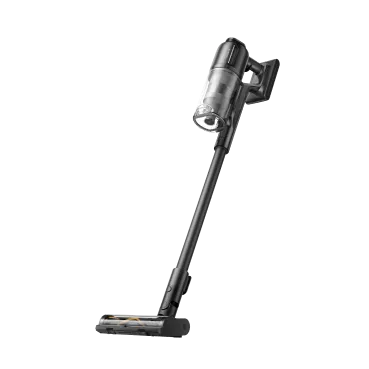
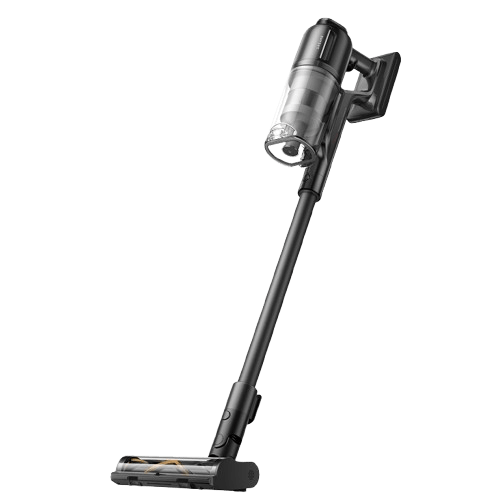
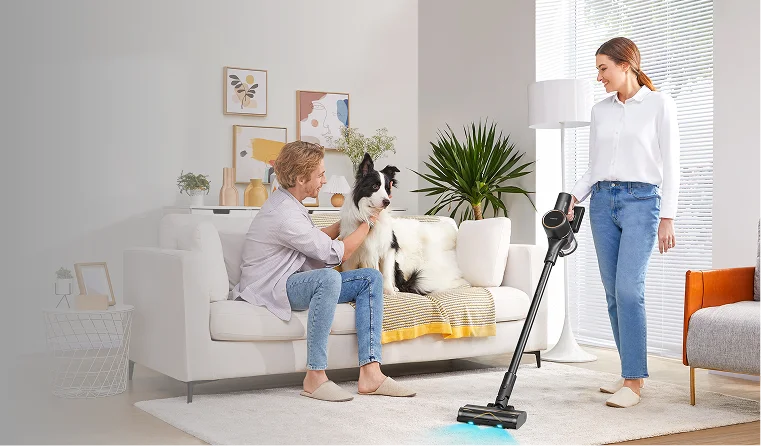
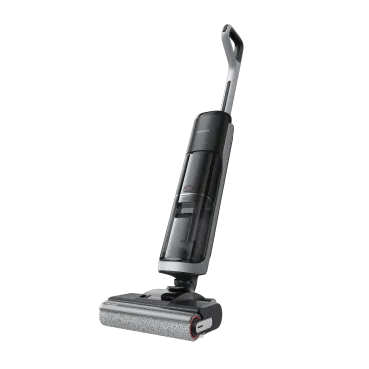
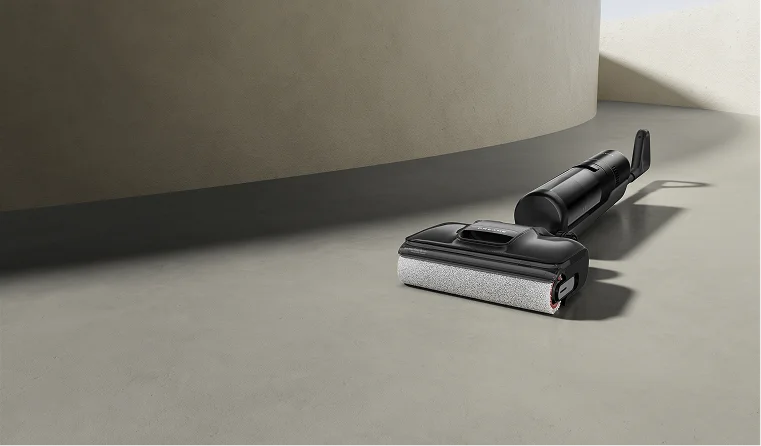
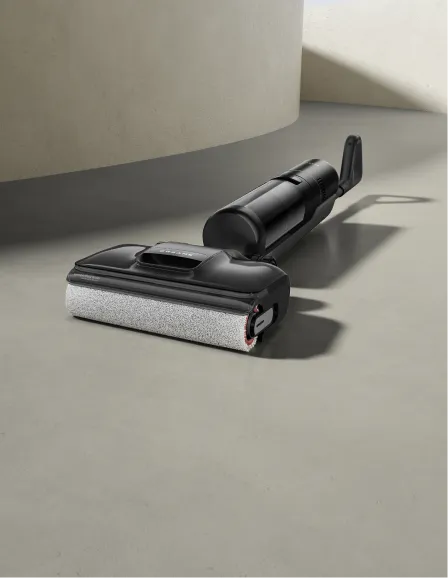
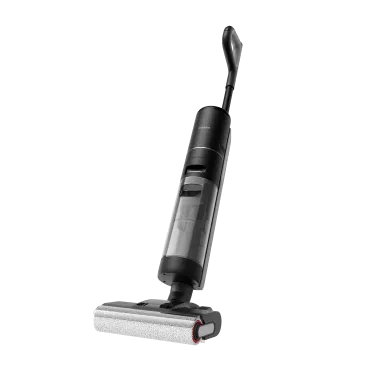
There's a reason shag rugs have never gone out of style. That thick, luxurious pile transforms a bare floor into something you actually want to sink your feet into. But here's the thing: shag rugs are notorious for trapping everything: crumbs, pet hair, dust, pollen, and whatever else your household kicks up on a daily basis. And when you try to vacuum them the same way you'd vacuum any other floor, your vacuum gets stuck and the motor strains. You finish cleaning, but the room smells dustier than before. If that sounds familiar, you're not doing anything wrong. You're just using the wrong technique (and possibly the wrong tool). This guide explains how to vacuum shag rug fibers safely, why standard vacuums fail, and the step-by-step technique that keeps your rug fluffy without damaging it or overworking your vacuum. Why Standard Vacuums Fail on High-Pile Rugs Before we get into the how-to, it helps to understand why this is a problem in the first place. The Airflow Seal Problem: A vacuum works by pulling air and debris through the suction head, which requires some space for airflow. On a high-pile shag rug, long fibers collapse and block that space, creating a seal that cuts airflow almost completely. When this happens, the motor strains to maintain suction, which is why the vacuum sounds like it’s struggling, and in extreme cases, it can even overheat. The Brush Roll Danger: Most vacuums use a spinning brush roll to agitate low-pile carpet. On shag rugs, that same brush grabs the long yarn strands, wraps them around the roller, and can pull fibers loose. The result is frizzing, matting, and permanent texture damage after just a few passes. Material Matters Too: Shag rugs vary by material. Synthetic fibers like polyester or polypropylene build static, making dust cling more stubbornly. Natural fibers such as wool, cotton, or jute are more delicate and can be harmed by strong suction or moisture. Knowing your rug’s material helps you clean it safely. Pre-Cleaning Prep: Don't Skip These Steps Most people skip straight to vacuuming, but a little prep work makes a significant difference in the results you get. Check the Manufacturer's Label Flip your rug over and look for a care label before you do anything else. Rug cleaning codes tell you exactly what's safe to use on your specific rug: W — Safe for water-based cleaning S — Solvent-based cleaners only (no water) SW — Both water and solvent are fine X — Vacuum only; no liquid cleaning agents If your rug is coded X or S, be especially careful about moisture and stick to dry vacuuming methods. The Shake-Out Method This step isn't optional if your rug hasn't been thoroughly cleaned in a while. Vacuuming over built-up debris just pushes it deeper.   Pro-tip For smaller rugs, gravity is your best cleaning tool. Take the rug outside and give it a vigorous shake — hold it at one end and snap it hard a few times. This dislodges deep-set dirt, crumbs, and debris that have settled at the base of the pile where no vacuum can realistically reach. For larger rugs you can't easily carry, draping them over a porch railing and beating them with a broom handle works just as well.   How to Vacuum Shag Rug Safely (The 5-Step Technique) Once your rug is prepped, here's the correct method for how to vacuum a shag carpet without damaging the fibers or burning out your vacuum. Step 1: Configure Your Suction and Height Settings If your vacuum has adjustable height settings, raise the head to the highest setting before you even touch the rug. This prevents the head from sinking into the pile and creating that airflow-killing seal. At the same time, reduce suction power if your vacuum has that option. Counterintuitive as it feels, lower suction on a high-pile rug often produces better results because it doesn't pull the fibers into the intake. If you're not sure whether to use the beater bar, default to turning it off for the first pass on the top of the rug. You can always turn it back on for the underside. Step 2: The "Flip and Vibrate" Technique This is the step most people don't know about, and it makes a bigger difference than anything else in this guide. Flip your rug completely upside down on a hard floor. Now vacuum the back of the rug with the beater bar turned on. You're not trying to clean the backing; you're using the vibration of the beater bar to knock deep-set dust, dirt, and debris out from the base of the pile. That debris falls through the fibers and lands on the hard floor beneath the rug. If you want to understand more about how a beater bar works and when to use it, this breakdown of beater bar mechanics is a helpful read. Step 3: Clean the Floor Beneath After vacuuming the underside, roll the rug up and move it aside. You’ll likely see a layer of dust on the floor; vacuum it before putting the rug back. Otherwise, you’re placing a freshly cleaned rug right onto dirt again. Step 4: Vacuum the Top Side (Gently) Now flip the rug back to its right side and vacuum the pile. For this pass: Use an upholstery attachment if you have one. The softer, wider head is gentler on the fibers and won't grab the pile If you're using a full vacuum head, make sure the beater bar is turned off or set to a gentle mode Move in the direction of the pile, not against it Make slow, deliberate passes rather than fast back-and-forth strokes The goal here is to lift loose surface debris without pulling at the fibers. Deep cleaning happens via the flip method in Step 2, not this pass. For homes dealing with both hard floors and rugs, Dreame's wet and dry vacuum collection offers the kind of versatility that makes switching between surfaces seamless. Step 5: Rake to Restore Fluffiness After vacuuming, the pile may look flat or show lines. Use a carpet rake with gentle strokes to lift the fibers and restore the fluffy look. It’s a small step that makes a big visual difference. How to Vacuum Hair and Dust from a Shag Rug the Right Way Shag rugs and pet hair are a genuinely terrible combination, and standard vacuums make it worse. Here's how to actually deal with the two biggest complaints people have about vacuuming high-pile rugs. Managing Hair Tangles Long pet hair and long rug fibers are physically similar, which means a standard brush roll can't tell the difference between them. It grabs both, wraps them together around the roller, and within a few passes, you've got a solid mass of tangled hair that brings the whole operation to a halt. In worst-case scenarios, this burns out the motor. To vacuum a shag rug properly, you need either: A vacuum with a tangle-resistant brush system, or A brush roll that can be turned off for high-pile cleaning. For homes with pets, the tool matters enormously. The Dreame H15 Pro CarpetFlex addresses this specifically. Its TangleCut™ 2.0 technology uses a resilient scraper to cut hair from the brush roll in real-time as you vacuum, so it never has a chance to accumulate into a jam. On a shag rug where long fibers and pet hair mix together constantly, that kind of active cutting is the difference between a vacuum that works and one that needs to be cleared every three minutes. [product handle="h15-pro-carpetflex-wet-dry-vacuum" rating="5"] Stopping the Dust Cloud This is something people complain about in cleaning forums constantly: you vacuum the rug, and the room ends up looking dustier than when you started. What's happening is that the agitation of vacuuming kicks fine particulate matter up into the air, where it floats and eventually settles back down on every surface in the room. When learning how to vacuum a shag rug properly, airflow and filtration matter just as much as suction power. Look for: Sealed filtration systems HEPA filters (99.97% capture at 0.3 microns) Internal dust suppression or containment systems Advanced vacuums use internal mist or dust-binding technology to trap fine particles inside the machine before they circulate back into the room. The Dreame H15 Pro uses MistLock™ technology, which addresses the problem at its source. Instead of spraying anything onto your delicate rug, the device sprays a fine mist internally as it vacuums, trapping the dust and turning it into wet waste inside the machine before it can float back into the air. Combined with a HEPA filter that captures 99.97% of particles, this ensures you're not just cleaning your rug—you're actively cleaning the air you breathe. For anyone dealing with allergies or asthma, this industrial-grade particle suppression makes a massive difference, keeping your home fresh without risking moisture damage to your shag fibers. FAQs How often should I vacuum a high-pile rug? For low-traffic rooms, vacuum every 1–2 weeks. Homes with pets or allergies may need light cleaning once or twice a week. For a more detailed routine, check out our comprehensive guide on how often you should vacuum. Why does my shag rug smell after vacuuming? A musty smell usually means dust was stirred up rather than removed, or debris remains trapped deep in the pile. Using the flip-and-vibrate method helps remove hidden dirt instead of redistributing it. Can robot vacuums clean shag rugs? Most standard robot vacuums struggle with thick shag because fibers tangle brushes and reduce airflow. Some advanced models handle medium pile, but dense shag typically needs manual cleaning. Should I vacuum a shedding rug? Yes, gently. New wool or natural fiber rugs shed loose strands at first. Light vacuuming helps remove excess fibers and shortens the shedding period. For comprehensive maintenance, explore our detailed tips for cleaning floor rugs. What vacuum works on high-pile carpet? Look for adjustable height, variable suction, anti-tangle brushes, and sealed filtration. To handle both carpets and hard floors seamlessly, explore our collection of wet/dry vacuum models. Conclusion Vacuuming a shag rug isn’t difficult; it just needs the right method. Lower the suction, raise the vacuum head, flip the rug to loosen deep dirt, clean underneath, and use tools that won’t tangle in long fibers. The right technique prevents matting, while a vacuum with adjustable airflow, an anti-tangle design, and dust control makes cleaning far easier. If your current vacuum struggles with thick rugs, consider the Dreame H15 Pro CarpetFlex, designed to handle high-pile surfaces more effectively while keeping your floors fluffy, clean, and fresh for longer.
Continue reading
What Floor Cleaner Is Safe for Cats? A Guide to Pet-Friendly Home Cleaning

What Floor Cleaner Is Safe for Cats? A Guide to Pet-Friendly Home Cleaning

Dreame Editorial Team |
For us, a floor is just something to walk on. But for our pets, it’s a playground, a nap spot, and—all too often—a dining table. Whether it’s a dog eating a treat off the tiles or a cat grooming its paws after a walk, our pets are constantly ingesting whatever we use to clean. So, what makes a floor cleaner truly pet-safe? To be safe for both dogs and cats, a cleaner must be pH-neutral, free from ammonia and phenols, and leave zero residue. While many products claim to be "Pet Friendly," they often rely on ingredients that are tolerable for dogs but toxic to cats, or leave behind a chemical film that irritates sensitive paws. This guide clears the confusion. We will break down the specific ingredients to ban (like bleach and essential oils), explain why "Dog Safe" isn't always "Cat Safe," and how eliminating residue is the key to a healthy home for every four-legged member of your family. 5 Toxic Ingredients to Ban from Your Pet-Friendly Home Let's start with the ingredients you absolutely need to eliminate from your cleaning cabinet. These aren't obscure chemicals only found in industrial settings; they're common in everyday household products, sitting under millions of sinks right now. Ammonia: The Respiratory Irritant Ammonia is common in heavy-duty floor cleaners and glass cleaners. It creates sharp fumes that can irritate your pet’s lungs, eyes, and nasal passages. Your cat or dog experiences the world closer to the ground where fumes concentrate. Even after drying, residue remains on the floor, transferring to paws and getting ingested during grooming. For cats, whose sense of smell is far more sensitive than ours, ammonia vapors can cause coughing or wheezing, eye irritation, paw and skin burns with repeated exposure. Even diluted ammonia can linger in the air and on surfaces long after mopping. Bleach: A Danger to Paws and Noses While bleach is effective at killing bacteria, direct contact can cause chemical burns on sensitive paw pads and noses. Even diluted bleach leaves an irritating residue. Here's the bigger concern: even when completely dry, the lingering scent severely irritates your pet's powerful sense of smell. Dogs have up to 300 million olfactory receptors compared to our 6 million. Cats are also attracted to bleach-like smells, which increases the risk of exposure.  What seems like a faint chlorine smell to us can be overwhelming to them, causing respiratory distress and avoidance behavior. Phenols: The Silent Killer for Cats Phenols are common in pine-scented cleaners like Pine-Sol. What smells pleasantly clean to you could be deadly to your cat. Cats lack a liver enzyme pathway called glucuronidation, essential for breaking down phenolic compounds. While a dog might process these chemicals, a cat's liver cannot. Phenols accumulate in their system, causing liver damage, neurological problems, and potentially death. If you have cats, eliminate all pine-scented cleaners immediately. Phthalates: The Hidden Risk in "Fragrances" You won't see "phthalates" listed on labels. Instead, you'll see "fragrance" or "parfum." Manufacturers aren't required to disclose fragrance ingredients, and that's where phthalates hide. These endocrine disruptors interfere with hormone systems. In pets, exposure is linked to reproductive issues, developmental problems, and increased cancer risk. Formaldehyde: The Long-Term Threat Used as a preservative in cheaper cleaners, formaldehyde is a known carcinogen. Chronic exposure from regular cleaning can lead to respiratory problems, allergic reactions, and long-term health issues, including cancer. The challenge with formaldehyde is that it can also be released from other chemicals as they break down, so even if it's not listed directly, it might still be present.   Important The "Fragrance" Trap: If a cleaning product label simply says "fragrance" or "parfum" without specifying the source, assume it contains problematic chemicals. This is how manufacturers hide phthalates and other harmful compounds.   Choose products labeled "fragrance-free" (not "unscented," which can contain masking fragrances) or those scented with named, pet-safe ingredients. Why "Dog Safe" Isn't Always "Cat Safe" This is where many well-meaning pet owners get tripped up. A cleaner labeled “dog safe” sounds reassuring, so it’s natural to assume it’s fine for cats too, but biologically, that assumption doesn’t hold up. Why Cats Are More Sensitive: The Metabolism Gap Cats and dogs process chemicals differently at a fundamental biological level. Cats lack the glucuronidation pathway in their liver, which is one of the primary ways mammals break down and eliminate foreign compounds. This means chemicals that a dog's liver can process might accumulate in a cat's system, leading to toxicity. It does not mean that cats are delicate creatures. Their bodies literally don't have the tools to handle certain substances that dogs manage fine. The Essential Oils Are not Cat-Friendly The "natural" cleaning movement has led many to use essential oils. For cats, this is often dangerous.Essential oils like tea tree, peppermint, eucalyptus, and citrus are toxic to cats due to the missing liver pathway. Even oils safe for humans and dogs can cause liver damage, neurological issues, and respiratory distress in cats.Some argue that highly diluted oils are fine, but why risk it? When it comes to your cat's health, "probably safe" isn't good enough. Follow The "Lowest Common Denominator" Rule If you have multiple pets, here's your golden rule: if it's not safe for the most sensitive animal in your house, don't use it. Period. This means if you have both dogs and cats, you clean based on what's safe for cats. Yes, this might limit your options, but it eliminates the risk of cross-contamination or accidentally using the wrong product in the wrong room. Vinegar vs. Enzymes: Which Solution Actually Works? Many owners turn to DIY solutions to avoid chemicals, but they aren't always effective. Here is a quick breakdown of how common cleaning methods stack up for pet homes. Feature Vinegar (DIY) Traditional Bleach/Ammonia Enzymatic / pH-Neutral Cleaner Safety for Cats ✅ Safe (Non-Toxic) ❌ Dangerous (Toxic Fumes) ✅ Best (Non-Toxic) Odor Removal ❌ Ineffective (Masks only) ⚠️ Masks with chemical scent ✅ Eliminates (Breaks down urine) Floor Compatibility ⚠️ Risks Stone/Hardwood ⚠️ Harsh on finishes ✅ Safe for all sealed floors Residue Risk Low High (Chemical Burns) Low (Especially with vacuuming) The Truth About Vinegar for Pet Odors Vinegar is non-toxic to pets, making it technically safe. However, safe doesn't mean effective. Vinegar is highly acidic, which damages certain floors over time, particularly natural stone, marble, and some hardwoods. More importantly, vinegar fails to eliminate pet urine odors. Pet urine contains uric acid crystals that bond to surfaces. Vinegar might neutralize ammonia smell temporarily but doesn't break down those crystals. The strong vinegar smell can even encourage pets to re-mark the area. Why Enzymatic Cleaners Are Superior Enzymatic cleaners work at a molecular level. They contain specific enzymes that break down the uric acid crystals, proteins, and bacteria that cause pet odors. The enzymes digest these organic compounds, eliminating them rather than masking them. This is why enzymatic cleaners are the gold standard for pet accidents. Most quality enzymatic cleaners are formulated to be pet-safe since they're designed for homes with animals. Learn how to gain the full benefits of your vacuum cleaning solution. Stop the Lick: How to Eliminate Chemical Residue Completely For pet owners, the real danger doesn’t always come from the cleaning itself; it comes after the floors look dry and “clean.” Why residue puts pets at risk Even the safest cleaning solution poses a risk when left on floors as dried residue. Your pets walk on floors constantly, lie on them for hours, and groom themselves multiple times daily, thereby ingesting whatever chemicals are on their fur and feet. Even "non-toxic" cleaners can be problematic when used regularly, especially with concentrated dried residue. One lick might not hurt, but dozens daily for weeks or months add up. The "Mop vs. Vacuum" Reality Traditional mopping spreads dirty water around and leaves it to dry. When mopping, you are essentially diluting dirt and redistributing it. When water evaporates, dissolved particles—dirt, chemicals, bacteria—are left as a film your pets interact with. Wet/dry vacuums work differently. They lay down a cleaning solution and immediately vacuum it back up with all dissolved dirt and chemicals. Dirty water goes into a sealed tank, not onto your floor as residue. Turn your home into a safe haven for your pets. Check out cleaning tips for a pet-friendly home here. The Dreame Advantage: Smart Suction & Fresh Water Dreame's wet and dry vacuums, like the H15 Pro Heat, use a two-tank system keeping clean and dirty water separate. The machine dispenses fresh cleaning solution, scrubs with rotating brushes, then immediately suctions dirty water into a separate waste tank. The H15 Pro Heat even uses heated water for more effective cleaning. The result is an astounding 90% removal of cleaning solution and dissolved dirt, and dirty water is not left to dry. Floors are clean and safe for paws almost immediately.   Dreame Take We believe the safest chemical is the one that doesn't stay on your floor. Our dirty water recovery technology ensures what goes down comes right back up, keeping paws chemical-free and safe to lick anytime.   For robot vacuum and mop systems, using the right cleaning solution is just as important as the hardware itself. Dreame offers specifically formulated cleaning solutions designed for automated mopping, where incorrect concentration or harsh ingredients can easily cause residue buildup over time. The Matrix10 Ultra and Aqua10 Ultra work with Dreame's pet odor solution, designed for automated systems while remaining pet-safe. [product handle="matrix10-ultra-robot-vacuum" rating="4.8"] 4 Steps to a Perfectly Pet-Safe Mopping Routine  When you clean with pets in mind, each step reduces how much dirt, dander, and chemical residue your cat or dog is ultimately exposed to. For a deeper look at how automation helps manage pet hair and residue, see our guide on robot vacuum systems for pet homes. Step 1: Vacuum First to Remove Dander Always dry vacuum before wet cleaning. Pet fur and dander removed dry prevents muddy clumps and spreading allergens. Use a HEPA filter if possible, especially with allergies in your household. Step 2: Dilute, Dilute, Dilute Over-concentrated solutions leave more residue and increase toxicity risk. Always follow the manufacturer's dilution instructions exactly; don't eyeball it. Dreame's wet/dry vacuums, like the H15 Pro Heat with automatic solution dispensing, ensure consistent, safe dilution every time. Step 3: The "Ventilation" Rule Open windows while the floors are wet and drying. This speeds drying and vents volatile organic compounds (VOCs), protecting sensitive pet noses. Good ventilation prevents humid, chemical smells from lingering. Step 4: Rinse (Or Vacuum Dry) With traditional mops, do a second pass with clean water only to remove remaining solution residue. With wet/dry vacuums, the suction system handles this step automatically. The Perfect Pair: Combine Safe Solutions with Smart Cleaning Most discussions about pet-safe cleaning miss this: it's not just about what chemical you use. It should focus on the entire cleaning system. You can have the safest solution in the world, but leaving it to dry on floors creates risk. Conversely, a traditional cleaner used with a wet/dry vacuum that removes 90% of it significantly reduces exposure. The ideal approach combines both: a truly pet-safe solution paired with a system that removes it effectively. This is why wet/dry vacuum technology matters for pet owners. It creates a genuinely safe environment for pets to thrive in. When you pair Dreame's pet-safe cleaning solutions with their advanced suction technology, you get a system designed for life with pets. You're actually removing dirt, dander, and odors while minimizing pet exposure to cleaning agents. This is the future of pet-friendly cleaning: eliminating the problem entirely through smarter technology rather than just finding the perfect chemical formula. Frequently Asked Questions What floor cleaner can I use around cats? The safest choice is a fragrance-free, pH-neutral, pet-safe cleaner. Avoid phenols, ammonia, bleach, phthalates, and pine scents. Enzymatic cleaners work best for pet messes, and wet/dry vacuums reduce risk further by removing residue instead of leaving it behind. What mopping solution is pet safe? Look for solutions that are: (1) specifically labeled pet-safe, (2) free from harsh chemicals like ammonia and bleach, (3) fragrance-free or scented only with pet-safe ingredients, and (4) pH-neutral to avoid skin irritation. Dreame's multi-surface cleaning solutions are formulated with pet safety in mind. What is a pH-neutral floor cleaner? A pH-neutral cleaner has a pH level around 7, neither acidic nor alkaline. This makes it gentle on floors and safe for pet paws. Neutral pH cleaners won't cause chemical burns or skin irritation, and they're safe for most floor types, including hardwood, tile, and laminate. Can I use just water in my vacuum? For routine maintenance, water works if you're vacuuming frequently without heavy soiling or odors. However, water alone won't break down oils, sticky residues, or eliminate bacteria. For pet homes, use a mild, pet-safe solution diluted properly for better results and odor control. How long should I keep my cat off the floor after mopping? With traditional mopping, keep pets off until completely dry, which is typically 30 minutes to an hour. The floor should feel dry, not damp or tacky. With wet/dry vacuum systems that remove most of the solution, floors are safe within 5-10 minutes as they're nearly dry immediately. Why are regular floor cleaners dangerous for pets? Many regular cleaners contain ammonia, bleach, phenols, and synthetic fragrances that leave toxic residue behind. Pets pick this up on their paws and ingest it while grooming, leading to irritation and long-term health issues. What do vets use to clean their floors? Veterinary clinics use hospital-grade disinfectants that dry completely before animal contact, or products safe once dry. Many veterinarians recommend enzymatic cleaners for home use because they break down organic matter and odors while being pet-safe. Final Thoughts: Your Pet's Health Is Worth the Extra Effort Choosing the right floor cleaner protects the family members who live closest to those surfaces. Your pets spend their entire lives walking, lying, and licking those floors. They deserve products that won't compromise their health. Pet-safe cleaning doesn't have to be complicated. Avoid the toxic ingredients we've covered, choose pH-neutral and enzymatic options when possible, and consider cleaning technology that removes residue rather than redistributing it. Your floors can be genuinely clean AND genuinely safe. You just need to know what to look for and clean smarter. A truly clean home is one where every family member—two-legged and four-legged alike—can live safely and comfortably.
Continue reading
How to Clean Hardwood Floors Naturally: Eco-Friendly Tips and Techniques

How to Clean Hardwood Floors Naturally: Eco-Friendly Tips and Techniques

Editorial TeamDreame |
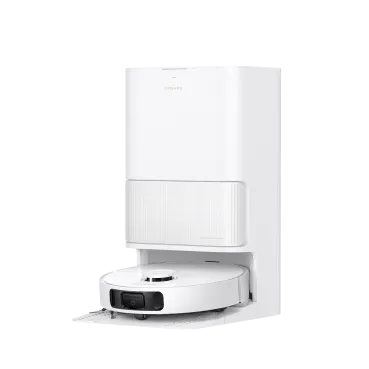
A weeknight sprint to get dinner on the table, a swirl of little feet and paws, and—whoops—tomato sauce on the boards. If you've ever reached for something "strong" and then worried about fumes, this guide is for you. Below, you'll learn how to clean hardwood floors naturally using pantry-safe ingredients. These brilliant routines protect your finish, fit busy lives, and keep costs down, all while using items you likely already have in your kitchen. No need to rush to the store for expensive cleaners-just grab your vinegar, baking soda, and oils, and you're ready to go. Why Choose Natural Cleaning for Hardwood Floors? Natural methods are a sanctuary for your hardwood floors, steering you away from volatile organic compounds (VOCs) commonly found in harsh cleaners. According to the EPA guidance on indoor air quality, indoor VOCs can irritate eyes and skin and may trigger asthma. By choosing natural cleaning, you're not just creating a safer environment for your family but also gaining confidence in the safety of your cleaning methods. They're also wallet-friendly. A gallon (3.8 L) of white vinegar and a small box of baking soda cost only a few dollars and last months. Compared with $10+ specialty cleaners used weekly, simple DIY mixes can save hundreds per year—without sacrificing results when used correctly on sealed hardwood. By choosing natural cleaning, you're not only protecting your floors but also your wallet. Essential Materials and Tools for Natural Cleaning Gathering a few basics up front keeps natural cleaning fast and consistent: Ingredients White vinegar (acetic acid) loosens mineral films and everyday grime when properly diluted. Baking soda provides mild abrasion for spot-treating scuffs. Olive oil (very sparingly) helps revive sheen when buffed thoroughly. Lemon juice adds a fresh scent; use diluted for sticky spots. Essential oils (optional), such as tea tree or lavender, can be used for scent only, as some demonstrate antimicrobial activity, but they're not EPA-registered disinfectants. For disinfection needs, use an EPA-registered product as directed. Tools Microfiber mop (gentle on finishes). Soft, lint-free cloths for drying and buffing. Spray bottle for controlled application. Vacuum with a hardwood attachment to capture grit without scratching. Optional: a robot vacuum to handle daily dust automatically (more on that below). Methods for Cleaning Hardwood Floors Naturally These proven, low-tox methods keep hardwood sparkling and safe—perfect for busy families and pet owners. Preparing Your Floors for Cleaning Preparation prevents scratches and streaks. First, sweep or vacuum grit with a hardwood-safe head. Move light furniture (or use felt pads) to protect contact points. Check for pebbles or sand near entries so you don't grind them into the finish while mopping. Important: Always spot-test solutions in an inconspicuous area—especially on unsealed or waxed floors—to confirm no dulling or discoloration. This step is crucial to prevent any potential damage to your floors. Routine Daily Cleaning For tidy floors with minimal effort: In a bucket, mix warm water with a few drops of mild, eco-friendly dish soap. Damp-mop (not wet) with a microfiber head, following the wood grain. Wring well to avoid standing water. Dry immediately with a soft cloth to prevent spots. Pro-tip: Treat cleaning as a ladder: daily dust, weekly light mop, then periodic deep clean and polish. A robot vacuum can automate the first rung so you stay ahead of dust and grit without lifting a finger. Deep Cleaning with a Vinegar Solution The vinegar method is best for dull traffic lanes, light kitchen grease film, salty footprints, or mineral residue after wet weather. Mix ½ cup (≈120 mL) white vinegar with 1 gallon (3.8 L) water. Prepare the mixture in a large container and transfer it to a spray bottle for control. Lightly mist a small section and mop with a microfiber head. Buff dry immediately with a clean cloth. Important: Vinegar has some antibacterial properties, but due to its high acidity, it is recommended only for use on sealed hardwood floors. Removing Tough Stains Naturally Scuffs: Make a paste of baking soda and water, apply gently with a soft cloth, then wipe clean and dry. Sticky residues (juice, gum): Dab with diluted lemon juice, let sit briefly, then lift and wipe clean. Always test first and avoid abrasive pads—your goal is to preserve, not thin, the finish.   Pro-tip: For heel scuffs, a clean tennis ball buffed in small circles can lift marks without abrasion. Always test first.   Polishing for a Natural Shine Monthly—or when floors look dull—refresh luster: Mix equal parts olive oil and white vinegar (e.g., ¼ cup / 60 mL each). Apply sparingly with a soft cloth along the grain. Buff thoroughly to remove excess and prevent slipperiness. Focus on high-traffic lanes; less is more to avoid buildup. Want more fundamentals? See our detailed companion guide, How to Clean Hardwood Floors, for step-by-step basics and finish-specific tips. How Often to Clean Your Hardwood Floor Naturally? Daily: Sweep or vacuum to remove dust and grit that can scratch over time. Weekly: Do a light damp-mop with warm water and a drop of mild soap. Every 1–2 weeks: Deep clean with the diluted vinegar solution on sealed floors. Every 1–2 months: Polish sparingly to restore sheen (or sooner in high-traffic homes with kids, pets, or frequent entertaining). Seasonality matters: increase dry dusting during pollen season, and in winter, track less moisture inside and run a humidifier to reduce gaps. Always consult your floor manufacturer's care guide and adjust cadence to your finish type (polyurethane, oil, or wax). When in doubt, start gentler and ramp up only as needed. Advanced Tips for Hardwood Floor Cleaning Different homes and finishes call for minor tweaks. Use these variations to stay safe and effective. For different floor types Sealed hardwood tolerates well-diluted solutions and careful damp-mopping. Unfinished or oil-finished planks require drier methods—such as vacuuming and targeted spot-cleans—because liquids can soak in. Engineered wood has a hardwood veneer; treat it like sealed hardwood, but keep moisture extra light at seams. Pet-friendly options For pet owners, you can add a drop or two of pet-safe essential oil (e.g., lavender) for scent only—then dry thoroughly so paws don't slip. However, it's important to note that essential oils, even when diluted, can leave a residue on your floors. A pet parent dealing with fur tumbleweeds can pair daily robot vacuuming with weekly damp-mops to keep odors and debris in check. Seasonal adjustments In winter, use less water and run a humidifier (35–55% RH) to prevent shrinkage. In summer/pollen season, dust more frequently and rinse mop heads often to avoid spreading allergens.   Dreame Take Most scratches come from grit, not mopping. Automating daily pickup keeps grit off the boards, so your weekly damp mop is faster and gentler. With the DreameX50 Ultra handling dust and hair daily—and washing pads with up to 176°F (80°C) hot water—you can reserve natural solutions for quick spot care, not whole-room resets.   Common Mistakes to Avoid When Cleaning Hardwood Floors Naturally Even the greenest routine can backfire if you miss these: Too much water → warping/cupping. Damp-mop only; dry immediately. Abrasive pads → scratches. Stick to microfiber and soft cloths. Undiluted acids → finish etching. Always dilute vinegar; don't use it on unsealed/waxed floors. "Natural" ≠ disinfected. Vinegar and essential oils aren't EPA-registered disinfectants. For proper disinfection after bodily fluids or similar, clean first, then use an EPA-registered product as directed. Conclusion Natural hardwood care is simple, effective, and sustainable: dry debris removal, light damp-mopping, targeted spot care, and occasional buffing. Imagine wrapping a lively family get-together, glancing down at spotless boards, and not smelling a thing but dinner. That's the balance you want—clean floors, calm air, and preserved finishes. Layer in smart assistance—Dreame X50 Ultra for automatic daily dusting and hands-free mop care—and you'll spend less time prepping and more time enjoying the room you cleaned. Try the steps above today, and explore Dreame's lineup for tools that automate your natural routine.
Continue reading