Electric Floor Scrubbers Explained: Types, Uses, and the Best Choice for Homes
Electric Floor Scrubbers Explained: Types, Uses, and the Best Choice for...

Dreame Editorial Team |
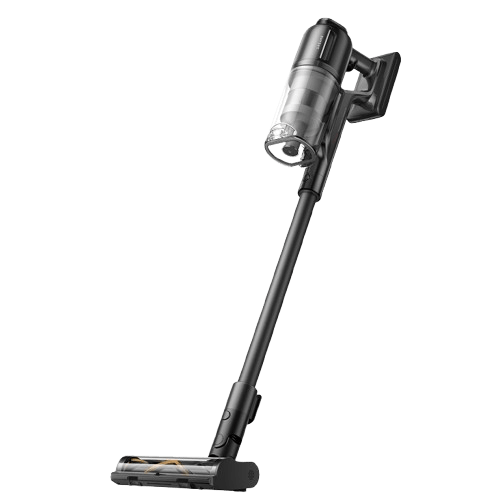
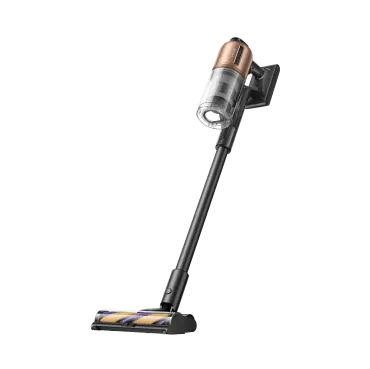
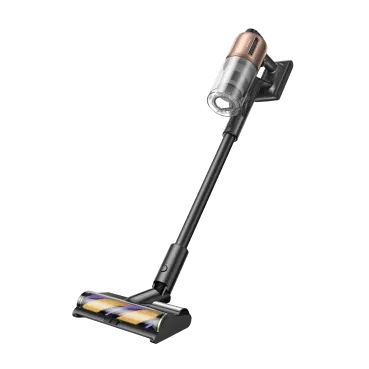
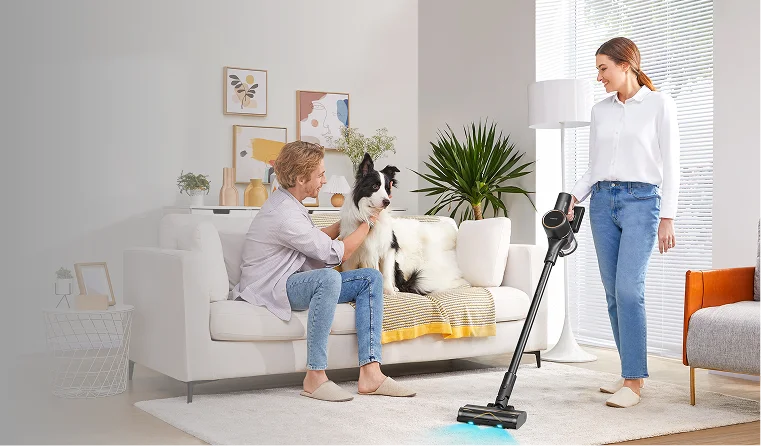
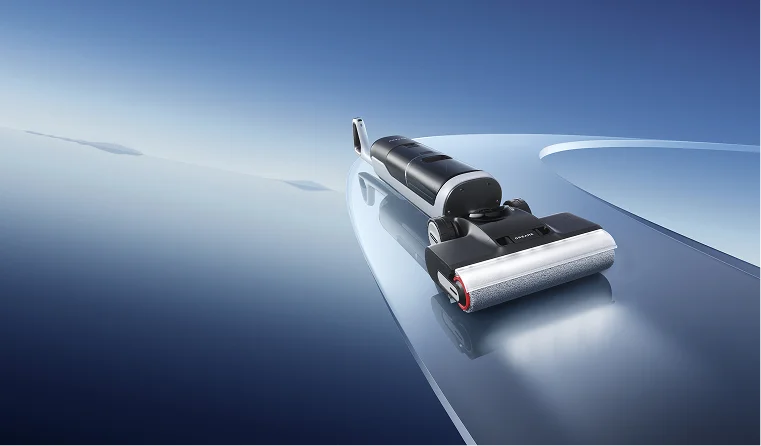
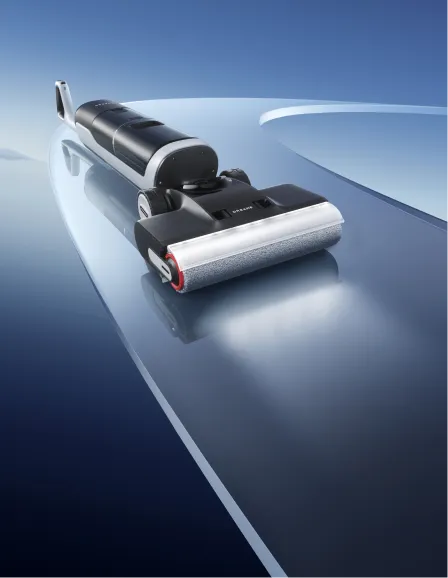
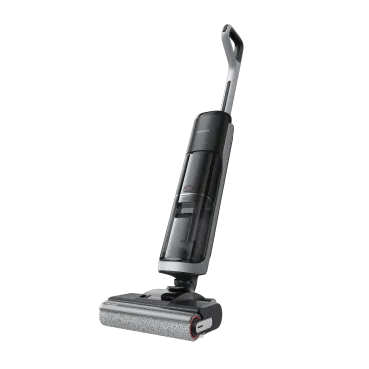
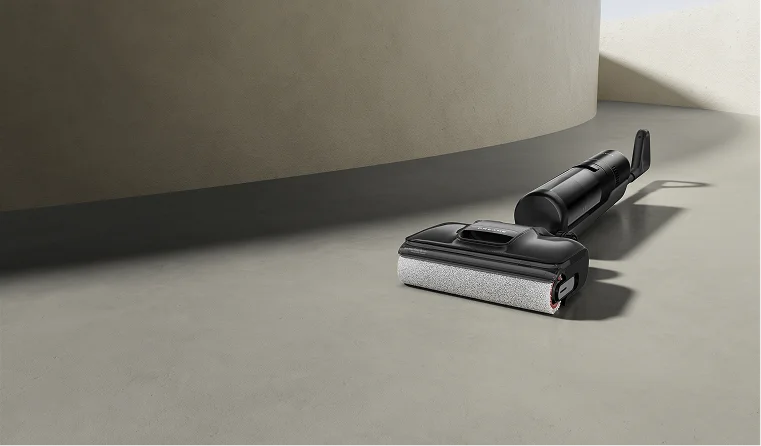
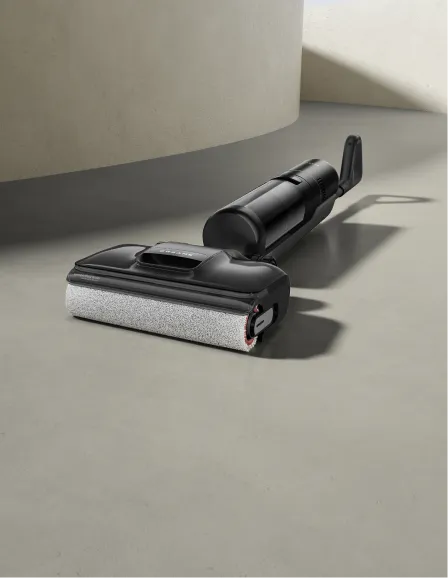
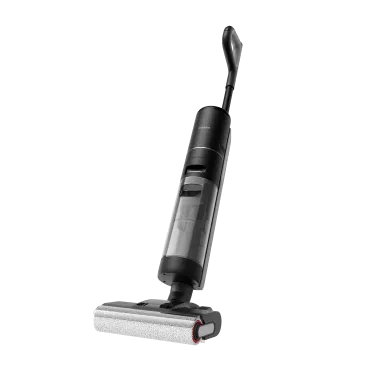
If you search for “electric floor scrubber” online, the results can be confusing. You might see a 58-lb industrial machine, a small handheld spin brush for bathrooms, and a sleek cordless cleaner designed for washing floors.wet They all claim to “scrub,” but they serve completely different purposes. In practice, when most people search for an electric floor scrubber for home use, they are actually looking for a cordless wet/dry floor washer—not an industrial scrubber or a handheld spin brush. To help you make the right investment, we’ve broken down the market into the three main categories that consistently appear in search results. By comparing extraction technology, weight, and surface capability, this guide will help you identify the machine that’s actually designed for residential cleaning. What Counts as an "Electric Floor Scrubber"? (The 3 Main Types) While "electric floor scrubber" is the broad term, the machines differ heavily in how they handle dirt and water. In our previous guide, we explained how a floor scrubber works. Now, let’s take a closer look at the different types you might have seen. Type 1: Industrial Walk-Behind Scrubbers (Commercial Use) These are heavy-duty machines designed for warehouses, gyms, and wide-open spaces. They are built to strip wax and clean thousands of square feet in a single session, often using massive rotating pads and industrial-grade suction. Weight: Heavy (often 50-60+ lbs or 22-28+ kg). Tank Capacity: Massive (starts from 1.5 Gallons or 6 Litres). Extraction: Powerful vacuum suction. Overkill for Homes. While they clean well, they are too wide (18" paths) to fit between furniture and too heavy to carry up stairs. They are built for square footage, not precision. Type 2: Electric Spin Scrubbers (Detail Cleaning) These tools consist of a motorized rotating brush mounted on a telescoping stick. They rely on mechanical friction to scrub surfaces but lack an internal vacuum system. Weight: Ultra-light (~4-5lbs or 1.5-2.5kg). Extraction: None. (This is the critical difference). Water Resistance: protected against temporary water immersion (IPX7 rating). Good for Grout, Bad for Floors. Because they lack suction, they loosen dirt but don't pick it up. You strictly use these for scrubbing shower walls, grout lines, or outdoor furniture. If you use this on a living room floor, you still have to mop up the dirty water manually. Type 3: Wet/Dry Floor Washers (Household Standard) This is the "All-in-One" solution designed specifically for residential flooring. They combine the extraction power of a walk-behind bulky scrubbers with the agility of the spin scrubbers. Unlike the other types, they dispense fresh water, scrub the floor, and vacuum the dirty water into a sealed tank in one continuous pass. You can learn more about the mechanics in our guide on what is a wet dry vacuum. Weight: Lightweight (10-12 lbs or 4.5-5.5kg). Extraction: Active vacuum suction (Active Water Separation). Heating Tech: Often included (unlike Type 1 or 2). The Best All-Rounder. This is what most homeowners actually need. It scrubs the floor and vacuums the dirty water into a sealed tank instantly. Electric Floor Scrubber Comparison Matrix When you compare the specifications side by side, the differences in utility become clear. While industrial machines offer raw power and spin scrubbers offer portability, they both lack the balance required for daily home cleaning. The wet/dry floor washer is positioned in the optimal zone—powerful enough to remove dirty water yet agile enough to maneuver around furniture. Feature Spin Scrubber Industrial Scrubber Wet/Dry Floor Washer Technology Type Rotating Brush Only Heavy Duty Scrubbing Scrubbing + Vacuuming Extraction ❌ None (manual wipe-up required) ✅ High Suction ✅ Smart Suction Avg. Weight ~3 lbs / 1.4 kg (handheld) ~60 lbs / 27 kg (heavy) ~10–12 lbs / 5 kg (agile) Heating Tech No No Yes (on premium models) Best Surface Grout, tile walls, tubs Concrete, large halls Hardwood, tile, laminate Cleanup Manual brush wash Manual tank flush Self-cleaning base 4 Key Features to Look for in an Electric Floor Scrubber for Home Whether you are looking at a heavy-duty industrial rental or a sleek home device, there are four universal specs you must evaluate. These features determine if the machine will actually save you time or just add another step to your chore list. 1. Water Recovery System (Suction) Look for a scrubber that actively vacuums dirty water back up as it cleans. This is the single most important factor for home use because it determines whether floors are left nearly dry and safe after each pass. Active Suction (Industrial & Wet/Dry): These machines vacuum up the dirty water immediately. For home use, look for high Pa (Pascal) ratings to ensure the floor is left dry and safe. Learn more about what is a good suction power for a vacuum cleaner. No Suction (Spin Scrubbers): These machines scrub well but leave a muddy puddle behind. You still need a towel or mop to finish the job. 2. Brush Agitation Speed Look for high-speed brush/roller agitation if you want real stain removal. High Speed: Look for 500+ RPM (Rotations Per Minute). This mimics the action of scrubbing a spot by hand hundreds of times a second. Low Speed: Good for gentle polishing but struggles with dried food. 3. Weight vs. Tank Capacity Look for a balance between usable tank size and maneuverability. Bigger tanks reduce refills, but they also add weight. The Sweet Spot: Look for a Dual-Tank System that separates clean and dirty water while keeping the total weight under 15lbs (7kg) for easy maneuvering. Industrial: Massive tanks (1.5+ gallons/ 5.6+ litres) mean less refilling, but the machine weighs 60lbs. You cannot carry this upstairs. Residential: Smaller tanks (~0.24 gallons / 900 ml) keep the machine light (10–12 lbs / 4.5–5.4 kg). 4. Maintenance (Self-Cleaning) Your best pick should be a self-cleaning base that washes and, ideally, dries the brush. Any tool that cleans dirt will eventually get dirty itself. Self-Cleaning: Premium household scrubbers include a base station that washes and dries the brush for you. Models like the Dreame H15 Pro Heat use 185°F (85°C) hot water to dissolve grease from the brush during self-cleaning, ensuring it doesn't harbor odors. For more tips, see how to clean your vacuum. Manual Clean: Spin scrubbers and industrial pads must be removed and washed by hand. [product handle="h15-pro-heat-wet-dry-vacuum" rating="4.5"] Why Wet/Dry Electric Scrubbers Are the Top Choice for Households After evaluating these features, the wet/dry floor washer emerges as the clear winner for residential use. It is the only category that scores high on all four metrics: it has active suction, high agitation, lightweight design, and automated maintenance. Hygiene: Unlike spin scrubbers, it physically separates sewage into a dirty water tank. Versatility: It handles spilled milk (liquid) and dropped cereal (solid) in the same motion. Floor Safety: Because it extracts water immediately, it is safe for sealed wood and laminate. See our guide on how to clean hardwood floors for safety tips. Corded vs. Cordless: Which Power Source is Better? Regardless of which machine type you choose, you will face the "Power Source" decision. While corded units historically offered more power, modern technology has shifted the advantage to cordless. Feature Corded Electric Scrubbers Cordless Electric Scrubbers Runtime Unlimited Optimized for 35–40 minutes (residential use) Agility Limited by cord length High (no cord to trip over) Safety Safety hazard (high-voltage risk near water) High (low-voltage, water-safe design) Weight 8–12 lbs / 3.6–5.4 kg(feels heavier due to cord drag) 10–14 lbs / 4.5–6.3 kg(feels lighter due to self-propulsion) Best For Commercial / industrial halls & large areas General residential cleaning Safety: Mixing buckets of water with 110V/220V power cords creates a hazard. A corded machine introduces a high-voltage tripping risk into a wet environment. Agility: You cannot unwind a 25ft (7m) cord for a quick milk spill. Cordless means "grab-and-go" convenience. Battery Reality: Modern lithium-ion batteries now offer ample runtime (35-40 minutes) for large homes, removing the need for infinite corded power. For most of homes, Cordless is the only logical choice. For a detailed breakdown, you can read our guide on choose vacuum cordless vs corded. Electric Floor Scrubber vs. Alternatives (When to Use What) While the Wet/Dry Electric Floor Scrubber is the most versatile tool for liquid spills and deep cleaning, it isn't the only option on the market. Many homeowners compare them against Steam Mops and Robot Vacuums. Here is how they stack up against a floor scrubber. 1. Electric Floor Scrubber vs. Steam Mop A steam mop uses superheated steam to sanitize floors, whereas a floor scrubber uses water flow, mechanical agitation, and suction. Read our full comparison on wet dry vacuum vs steam mop. Pros: It offers chemical-free sanitization using high heat, operates silently, and is extremely lightweight to carry. Cons: It lacks suction. It cannot pick up crumbs, hair, or liquid spills, which means if the floor isn't perfectly swept first, you are simply pushing hot mud around. The intense heat also poses a warping risk to sealed wood. Best For: Sanitizing bathroom or kitchen tiles after you have already vacuumed and spot-cleaned. 2. Electric Floor Scrubber vs. Robot Vacuum & Mop A robot automates the cleaning process, while a floor scrubber is a manual power tool you control. If you are debating features, check out our guide on robot vacuum no mop vs combo. Pros: It requires zero effort from you. It cleans daily while you are at work, maintains a consistent baseline of cleanliness, and easily reaches under low-profile furniture like beds. Cons: It cannot handle "disaster" messes. Most robots cannot suction up a glass of spilled milk or a bowl of cereal without smearing it, and they lack the heavy downward pressure needed for dried-on kitchen grease. Best For: Daily maintenance to keep dust and hair under control. The ideal setup is to use a Robot for daily sweeping and an Electric Floor Scrubber for the deep weekly wash or sudden spills. Final Verdict: Is an Electric Floor Washer Worth It? If you are still on the fence, consider the value of your time and hygiene. The "50% Rule": By combining vacuuming and mopping into one pass, an electric floor washer literally cuts your floor cleaning chore in half. The "Clean Water" Guarantee: Unlike mops (which spread dirty water) or spin scrubbers (which lack suction), only a floor washer ensures you are cleaning with fresh water every second. Stop spreading dirt with a mop or a spin brush. Remove it completely with a Cordless, Wet/Dry Electric Scrubber. FAQ on Electric Floor Scrubbers Do electric scrubbers work on tile grout? Spin scrubbers are excellent for deep cleaning grout lines physically. However, Wet/Dry Washers are better for maintaining grout because they suck the dirty water out of the crevices rather than letting it settle back in. For specific grout tips, see how to clean floor tile grout. Are electric floor scrubbers loud? Industrial models can be very loud. However, modern home Wet/Dry washers are designed for residential use. Look for brushless motors and noise reduction specs below 76dB. To understand what this sounds like, check how many decibels is a vacuum cleaner. Do I need to vacuum before using a floor scrubber? If you buy a Spin Scrubber or Electric Mop: Yes, you must sweep first. If you buy a Wet/Dry Washer (like the Dreame H Series): No. These machines vacuum debris and wash the floor simultaneously, saving you an entire step. Read more on the vacuum first mop cleaning rule. Are electric spin scrubbers worth it? Electric spin scrubbers are worth it for specific detail work, such as cleaning bathroom grout or shower tiles. However, for general floor cleaning, they are often insufficient because they lack suction and require you to wipe up the dirty water manually. How long do cordless scrubbers last? You can generally expect the battery in a high-quality cordless scrubber to last 3-4 years before needing replacement. The brushless motor itself typically lasts much longer with proper maintenance. Is an electric scrubber safe on wood? Yes, specifically Wet/Dry Floor Washers. Because they use active suction to extract the water immediately, they leave wood floors nearly dry, preventing the moisture damage risks associated with steam mops. See our guide on how to clean hardwood floors. Can I use a floor scrubber on carpets? Standard hard floor scrubbers should not be used on carpets. However, versatile models like the Dreame H15 Pro CarpetFlex have specific carpet modes and brush attachments designed to refresh rugs without soaking them. Read more in our guide on wet vacuum for carpets. Do electric floor scrubbers break easily? Durability often comes down to maintenance and drying. Machines that don't dry themselves properly can suffer from moisture corrosion or mold buildup. High-end models with Hot Air Drying (like the Dreame H Series) prevent this by ensuring the brush and internal pipes are completely dry after every use. For longevity tips, see our guide on tips to improve robot vacuum cleaner lifespan.
Continue reading
Fur, Floors, and Feelings: A Smarter Cleaning System for Pet Homes

Fur, Floors, and Feelings: A Smarter Cleaning System for Pet Homes

Dreame Editorial Team |
Pets make a home feel alive. But the mess they create can make you feel like you’re always falling behind. At Dreame, we believe you shouldn't have to choose between a happy pet and a clean home. This guide is about building a system that protects your time, your air, and your peace of mind. 1. The Joy and the Mess (Why it keeps coming back) Every pet owner knows the "morning scan." You walk out before coffee and spot it: a tumbleweed of fur drifting across the hardwood, litter grit near the box, or paw-tracked dust you swear wasn’t there last night. You’re not failing. You’re just living in a house where the mess is continuous. Pet ownership is now the norm—roughly 66% of U.S. households have at least one pet [1]. And many aren't just "one pet" homes anymore. Multi-cat and large-dog households are trending upward, which means more shedding, more tracking, and more "why is this everywhere?" moments [2]. Here’s the real mismatch: The Reality: Pets shed, track, and tumble crumbs 24/7. The Habit: Most humans clean in episodes (weekends, guest visits, panic bursts). That’s why frequency beats raw power in a pet home. A system that shows up daily will always outperform a "strong" tool you only have time to use once a week. 2. The Invisible Layer: Why Dander and Odor Feel Stressful A lot of owners treat pet hair like a visual problem—until allergies flare up or anxiety kicks in. Dander is the hidden workload. Pet dander comes from tiny shed skin cells and can trigger allergy symptoms [3]. What makes it stressful is that allergen-carrying particles are small enough (often 2-10 microns [4]) to hang in the air and settle deep into soft surfaces, not just sit on top where you can see them [5]. Then there’s the emotional side: The "Guest Panic" (Do my rugs smell? Is the couch covered in hair?) The low-level worry that your home isn’t "clean enough," even when you’re trying hard. Pet-home cleaning isn’t cosmetic. It’s environment control—for comfort, health, and confidence. 3. A Week in a Pet Home (Time Audit): Why You Can’t "Out-Work" a Shedding Dog If it feels like you’re always cleaning, it’s because pet mess creates repeat chores, not one-time chores. You can't "out-work" a shedding cycle manually. Here is a realistic "Manual Loop" vs. an "Automated System." Task (Weekly) The Manual Loop(Your Time) With a Robot Vacuum System(Your Time) Quick Fur Sweep 10–15 min × 7 days 0 min (automated) Litter / Food Pickup 5–10 min × 7 days 0 min (automated) Full Vacuum Pass 30–45 min × 2 times 0 min (automated) Mopping (Mud / Paws) 15–25 min × 3 times 0 min (automated) Maintenance Cleaning brushes / bins 10–25 min (weekly check) Total Weekly Time ~3–6+ hours ~10–25 minutes Manual tools charge you time for every mess. A robot vacuum system trades hours of labor for minutes of management. In a pet home, that trade is essential because daily cleaning is the only way to stay ahead. 4. Emotions on the Floor: Why Mess Turns into Guilt A messy floor doesn’t just look bad—it can feel like you’ve lost control of your space. Research has linked "stressful" home environments with negative mood patterns [6]. "Pet owner guilt" is a real experience; when we see fur piling up, we often feel like we aren't taking good enough care of our pets or our home [7]. That’s why our goal isn’t perfection. It’s reliability: Walking into a home that feels "reset." Turning off the part of your brain that constantly scans for grit and smell. Feeling comfortable inviting people inside. A pet-home system is a mental load reducer. 5. What Pet Owners Actually Want Most pet owners don’t want "a stronger vacuum." They want five specific outcomes that manual tools struggle to deliver: Consistent hair pickup (without constant "brush surgery"). Edge control (where fur drifts collect). Odor control (removing the smell, not just moving debris). Pet-safe navigation (avoiding bowls, toys, and accidents). Minimal maintenance (less daily cleaning of the cleaner). 6. Inside a Pet-Ready System: Our Solutions This is where "robot vacuum" becomes the right category—because it enables a loop you can actually sustain. At Dreame, we engineer our best robot vacuums for pet hair as complete systems designed to close this gap.[12] Anti-Tangle by Design Reliability beats peak performance if you have to spend 20 minutes cutting hair off a roller. Everyday Maintenance: We use a Detangling DuoBrush on many models, designed to channel hair into the bin to reduce wrapping during daily runs [8]. The "Zero-Scissors" Solution: For households with long hair (human or pet), we offer the TriCut Brush (compatible with select models). It uses a built-in safe blade to automatically trim wrapped hair as it cleans, removing the need for manual maintenance. Odor Control (The Hygiene Loop) We built a full hygiene loop into our stations: Better Chemistry: We offer a specialized Pet Odor Solution intended to neutralize organic smells at the source, rather than just masking them [9]. Self-Cleaning: Our stations wash mops with fresh water and dry them with hot air. This prevents the "wet mop smell" and ensures we aren't cleaning today's floor with yesterday's mess. Sealed Disposal: Our auto-empty stations trap dust and dander in a sealed bag for weeks, keeping allergens contained [10]. Navigation That Respects the Pet Non-camera sensors can avoid walls, but they can't reliably tell the difference between a toy, a tail, and a water bowl. AI Recognition: We use AI-powered RGB cameras to identify pets and common obstacles. Accident Avoidance: Our system is trained to identify and navigate around "pet accidents," saving you from the catastrophic mess that blind robots create. Reach Where Fur Hides Pet hair migrates under beds, along baseboards, and into corners. We emphasize ultra-slim designs to slip under furniture and MopExtend™ technology to physically reach out and clean edges where fur drifts gather. 7. Real Pet Homes (Three Scenes, Three Needs) Scenario A: The Multi-Cat Apartment The problem isn’t just litter—it’s tracking, especially around cat trees, bowls, and tight pathways. A system helps when it can run often, clean edges, and avoid pet items without constant babysitting. (Camera-based recognition helps here.) Scenario B: The Suburban Dog Home This is where frequency becomes everything: daily passes keep hair from building into rugs, while mopping workflows handle paw prints without turning into a second job. Scenario C: The Allergy-Sensitive Home When dander is a trigger, the goal is reducing allergen load in the environment. Allergy authorities commonly recommend steps like frequent vacuuming (often with HEPA-grade approaches) and broader indoor allergen control [11]. A robot vacuum system helps mainly by making consistency realistic. 8. A Smarter Routine for Pet Homes A pet-home routine shouldn’t be complicated. The system should do the repeating work. A Sustainable Loop: Daily: Run the robot once (or every other day) to stay ahead of shedding. Weekly: A quick 5-minute check—wipe sensors and check the brush. Occasionally: Replace the dust bag and refill the water. The point isn’t just cleaner floors. It’s fewer guilt spirals, fewer guest-panic cleanups, and a home that supports the joy your pets bring. References: https://www.iii.org/fact-statistic/facts-statistics-pet-ownership-and-insurance https://www.petworldwide.net/content-1/news/2025/06/24/appa-releases-dog-and-cat-report-2025.html https://www.lung.org/clean-air/indoor-air/indoor-air-pollutants/pet-dander https://pubmed.ncbi.nlm.nih.gov/1744363/ https://pmc.ncbi.nlm.nih.gov/articles/PMC5763515/ https://pubmed.ncbi.nlm.nih.gov/19934011/ https://pmc.ncbi.nlm.nih.gov/articles/PMC9264879/ https://ca.dreametech.com/products/anti-tangle-roller-brush https://ca.dreametech.com/products/dreame-robot-vacuums-pet-odor-solution-1l https://ca.dreametech.com/pages/robot-vacuum-for-pet-hair https://aafa.org/allergies/types-of-allergies/pet-dog-cat-allergies/ https://vacuumwars.com/best-robot-vacuum-for-pet-hair/
Continue reading
Steam Mop vs. Regular Mop: Which One Is Right for Your Floors?

Steam Mop vs. Regular Mop: Which One Is Right for Your Floors?

Dreame Editorial Team |
We have all looked at the cleaning aisle wondering if it is time to upgrade. The traditional cotton mop and bucket have been used for generations, but the idea of steam cleaning—killing germs with nothing but heat—is very appealing. But is a steam mop actually better than a regular mop? Or is it a device that will end up unused in your closet? The answer depends entirely on your flooring type and the kind of mess you deal with most often. A steam mop might be highly effective for bathroom tile, but it can be damaging to luxury vinyl planks. Here is a direct breakdown of steam mops vs. regular mops, and a look at the alternative (the vacuum mop) that might replace them both. At-a-Glance Comparison Table If you are looking for a quick answer, here is how the three main floor-cleaning tools compare. Feature Regular Mop Steam Mop Vacuum Mop (Wet/Dry Vac) Best For Heavy liquid spills & rough floors Sanitizing tile & grout Daily maintenance (dust + stains) Sanitization Low (depends on chemical) High (heat kills bacteria) High (on hot water models) Debris Pickup No (must sweep first) No (must sweep first) Yes (suction + mopping) Floor Safety Safe for all sealed floors Risk (heat damage on wood/vinyl) Safe for sealed hard floors Water Usage High (buckets of water) Low (steam vapor only) Optimized (controlled clean water tank) Cost Low Medium High (investment piece) Regular Mops: Best for Heavy Spills and Tight Budgets The traditional string or spin mop is the standard tool for many homes. It is not high-tech, but when you have a large mess—like a dropped carton of juice—a regular mop absorbs liquid better than any other tool. Pros Low Cost: Very cheap to buy and replace heads. High Absorbency: Excellent for soaking up large puddles. Safe: Compatible with almost any floor type. Cons Physical Effort: Scrubbing and wringing requires manual labor. Dirty Water: You often push grime around rather than removing it. Slow Drying: Floors can stay wet for 15-20 minutes. The regular mop is still the best option for large spills. If your main goal is soaking up big puddles or cleaning a garage, the absorbency of a cotton or microfiber mop head is superior. However, for general hygiene, it has a major flaw: unless you change the water constantly, you are washing your floors with dirty water. Steam Mops: Best for Sanitizing Tile and Grout Steam mops use an internal heater to turn water into hot steam (usually around 200°F/93°C). This steam is released through a microfiber pad to loosen grime and kill bacteria on contact. Pros Chemical-Free: Kills bacteria using only water. Instant Drying: Moisture evaporates almost immediately. Grease Removal: Heat melts stuck-on food easily. Cons No Suction: Pushes hair and crumbs into wet piles. Corded: Must be plugged into a wall outlet. Risk: High heat can warp wood and vinyl. A steam mop is excellent for hygiene, but it is not a vacuum. If you skip the sweeping step, you will simply push wet clumps of dust around the floor. It is the ideal tool for ceramic tile in kitchens and bathrooms where germs are a concern, but it adds an extra step to your routine since it cannot handle loose debris. For more on where to avoid using steam, check our guide on what floors should not be steam mopped. Vacuum Mop vs. Steam Mop: Solving the "Sweep First" Issue If the regular mop leaves dirty water behind, and the steam mop requires you to vacuum beforehand, is there a more efficient option? This is where the vacuum mop (we dry vacuum) fits in. It solves the biggest frustration with floor cleaning: the two-step process. The Core Difference: Workflow & Convenience With a steam mop, you cannot simply start cleaning. You must vacuum or sweep first to remove dust, hair, and crumbs. If you don't, the steam pad pushes wet debris into your grout lines. This doubles the time it takes to clean. A vacuum mop handles dry debris and wet cleaning simultaneously. It sucks up pet hair and crumbs while a spinning roller scrubs the floor with clean water. Unlike a bucket mop, dirty water is immediately sucked into a separate tank, ensuring you are always washing with fresh water. Which One Should You Choose? Stick with a Steam Mop if: You are willing to sweep first and your main priority is chemical-free sanitization on durable tile floors. Choose a Vacuum Mop if: You want to reduce your cleaning time. If you face mixed messes—like dropped cereal with milk, or muddy paw prints mixed with fur—a vacuum mop is the only tool that handles solids and liquids in one pass. For a deeper dive into this comparison, read our guide on Wet Dry Vacuum vs. Steam Mops. Our Top Choice: Dreame H15 Pro Heat If you are hesitant to switch to a vacuum mop because you want the heat of a steam mop, we have the solution. The Dreame H15 Pro Heat is our top recommendation because it combines the benefits of these two technologies. Hot Water Washing (ThermoRinse™): Unlike standard vacuum mops that use cold water, the H15 Pro Heat washes floors with 185°F (85°C) hot water. This gives you the grease-melting capability of a steam mop while actively vacuuming up debris. Sterile Self-Cleaning (ThermoTub™): When you dock the unit, it self-cleans with boiling water (212°F/100°C). This kills bacteria on the brush roller, solving the primary hygiene issue of traditional mops. [product handle="h15-pro-heat-wet-dry-vacuum" rating="4.5"] It offers the sanitizing benefits of heat and the time-saving convenience of a vacuum in one device. Can You Use Steam Mops on Hardwood or Vinyl Floors? This is the most critical question to answer before buying a steam mop. The short answer is: Be very careful. Wood is porous, and vinyl uses adhesives. The high pressure of a steam mop forces moisture deep into the grain of hardwood or the joints of vinyl. Over time, this causes warping and strips the finish. High heat can also melt the adhesive in Luxury Vinyl Plank (LVP), causing the floor to peel. Stick to damp regular mopping or specialized tools.  Since every floor requires a different approach to avoid damage, we have compiled a full library of cleaning guides. Find the specific instructions for your floor type below: Wood & Timber: How to Clean Hardwood Floors | Timber Floor Guide Synthetic Floors: How to Clean Laminate Floors | Linoleum Cleaning Tips Stone & Tile: Marble Floor Care | Tile & Grout Cleaning Guide Specific Rooms: How to Mop Bathroom Floors | Tile Cleaning Final Verdict: Match the Mop to Your Lifestyle There is no single "best" mop, only the best one for your specific needs. Stick to a Regular Mop if: You have a strict budget, deal with large liquid spills often (like in a garage), or have very rough, uneven stone floors. Switch to a Steam Mop if: You have mostly sealed tile floors (kitchens/bathrooms) and your priority is killing germs without chemicals. Upgrade to a Vacuum Mop if: You want to skip the "sweep before you mop" step. If you have a mix of tile and wood, and want to wash floors with constantly clean hot water, a model like the H15 Pro Heat is the most efficient choice. Frequently Asked Questions Is a steam mop better than a regular mop? For hygiene on tile, yes. Steam kills bacteria that regular mops might just spread around. However, regular mops are better for absorbing large spills and are safer for delicate wood floors. Do steam mops clean better than a traditional string mop? They sanitize better, but they do not necessarily remove heavy soil better. A string mop has more texture to scrub away mud, whereas a steam mop relies on heat to dissolve light grime. Why are my floors sticky after steam mopping? This is usually because the steam pad is dirty, or the heat has re-activated old soap residue left behind from previous cleaners. Read more about why your floor is sticky after mopping. Where does the dirt go when you use a steam mop? It must stick to the pad. If you do not sweep first, the pad gets saturated quickly and starts pushing dirt into the grout lines. What are the disadvantages of a steam mop? The main downsides are that they cannot pick up debris (you must sweep first), and they can damage sensitive flooring like hardwood and vinyl. Do steam mops clean or just sanitize? They primarily sanitize (kill germs). For physical cleaning (removing crumbs and dirt), you need to vacuum first or use a vacuum mop that does both.
Continue reading
How to Clean Your Mop Head (And Why It Might Be the Last Time You Do)

How to Clean Your Mop Head (And Why It Might Be the Last Time You Do)

Editorial TeamDreame |
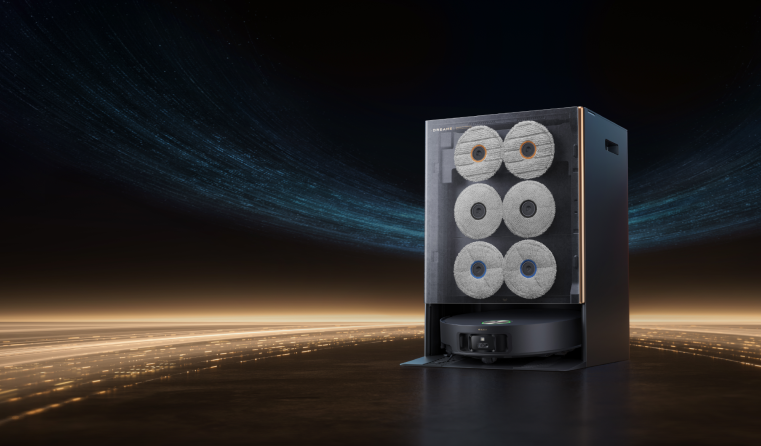
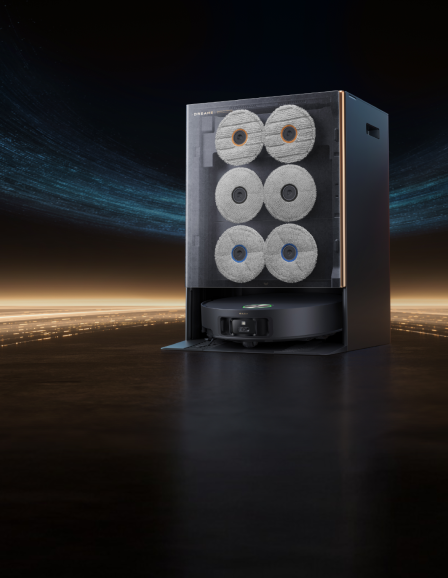
A clean home starts with clean tools, but the task of cleaning your mop is often overlooked. A dirty mop head doesn’t just fail to clean, it actively redistributes soil, bacteria, and grime across your floors. This is a crucial hygienic task that cannot be ignored. Even after a machine wash, trapped lint and debris can remain, negating all your hard work. In this guide, we’ll detail the definitive methods for achieving a hygienic clean. More importantly, we will introduce the modern technology that elevates floor hygiene and solves this recurring chore for good. Best Ways to Clean a Mop Head (and Keep It Germ-Free) Cleaning a mop head is a straightforward process when you follow these essential steps. Step 1: Rinse First After every use, the first step is to rinse the mop head thoroughly under running water until the water runs clear. The goal is to mechanically purge loose dirt and grime. This action prevents the wash water from becoming immediately saturated with soil, which allows your detergent to work more effectively on embedded dirt. Step 2: Pick Your Method: Machine Wash vs. Hand Soak Machine washing is ideal for detachable cotton or microfiber heads. For sponge mops or non-detachable heads, the hand soak method is required. Machine Washing (For Cotton, Microfiber, O-Cedar, Spin Mops) Detergent: Use a small amount of mild liquid detergent for microfiber. Use heavy-duty laundry detergent for cotton; bleach can be added for deep disinfecting. Wash microfiber separately or only with other non-linting synthetics (a mesh bag is recommended). Wash cotton with other durable cleaning items like rags. Use warm or hot water on a gentle cycle for microfiber. Use hot water on a normal or heavy-duty cycle for cotton. Do not use bleach or fabric softener on microfiber (they ruin the fibers). Bleach is safe for cotton if disinfecting is needed. Hand Soak (For All Mop Types, Required for Sponge/Fixed Heads) Fill a bucket with warm water and add a suitable cleaner (a few drops of mild dish soap for sponge mops; a small amount of laundry detergent for fiber mops). Let the mop head soak for at least 10-15 minutes, then agitate it vigorously in the bucket to dislodge grime. Drain the dirty water and rinse the mop head meticulously under clean, running water until no suds remain. Step 3: Properly Dry the Mop Head Proper drying is the most critical step to prevent mildew and odors. Air Drying: This is the safest and most recommended method. Hang the mop in a well-ventilated area with the head up and fibers hanging down to allow for maximum air circulation. Sunlight is an excellent natural sanitizer. Machine Drying: Use with extreme caution. High heat can melt and destroy microfiber. If you must use a dryer for microfiber, use a low-heat or no-heat/air-dry setting ONLY. Never use dryer sheets. Don’t Turn Your Mop Into a Germ Spreader The core issue with manual mops is moisture. A damp mop that has not been properly dried before storage becomes an ideal incubator for bacteria, mold, and mildew. This microbial growth is the direct cause of musty odors and turns your cleaning tool into a contamination tool, spreading a biofilm of germs with every use. When to Replace Your Mop Head (The Mop Head Lifecycle) Even with perfect care, mop heads are consumable tools with a finite lifespan. Knowing when to replace yours is essential for maintaining a clean and hygienic home. While lifespans vary (cotton: 15-50 washes; microfiber: 200-500+ washes; sponge: 2-6 months), the condition is what matters most. Look for these definitive signs that it's time for a replacement: Persistent Odors: A musty smell that remains even after a deep, sanitizing clean. Visible Wear: Fraying strands on a string mop or a crumbling, brittle sponge. Permanent Discoloration: Deep-set stains that won't wash out indicate trapped grime. Poor Performance: The mop head no longer absorbs well, feels slimy, or leaves streaks on the floor. No More Dirty Mop Heads: Meet Robot Vacuums with Self-Cleaning Mops Imagine a system that completely automates the entire mopping process, including the cleaning of the mop itself. This technology exists in today's advanced robotic mops , which use intelligent docking stations to handle the entire cycle of washing, rinsing, and drying their own mop pads. The system uses clean water for washing and extracts the dirty water into a separate tank, ensuring the robot always cleans with a hygienic tool and eliminates cross-contamination for a consistently spotless floor. The most advanced of these systems have refined this process into a science, addressing every single pain point of manual mop care. For instance, the docking station for a device like the Dreame X50 Ultra is engineered to replace the entire manual cleaning protocol. Instead of a simple rinse, it uses Hot Water Auto-Washing at up to 176℉ (80°C), a temperature specifically chosen to dissolve the stubborn oil and grease from its mop pads that a typical washing machine cycle can leave behind. Crucially, it provides a definitive solution to the number one cause of mop odors. After the mops are washed, a Hot Air Mop Drying feature circulates heated air to ensure they are completely dry, hygienic, and ready for the next use. This single function is designed to permanently prevent the growth of mildew and the development of that musty, sour smell. Conclusion: Clean Your Mop Today, Automate it for Tomorrow A dirty mop will only push germs around your home. To ensure a hygienic clean, it's essential to follow a strict protocol: rinse after every use, wash according to the mop's material, and—most importantly—allow it to dry completely before storing it away. This diligence is the key to preventing odors and maintaining an effective cleaning tool. For those ready to eliminate this chore entirely, automated technology offers a complete solution. By investing in a system that cleans and maintains itself, you can ensure your floors are not just visibly clean, but hygienically spotless, day after day.
Continue reading