
How to Mop Without Leaving Streaks: Expert Tips for Flawless Floors

How to Mop Without Leaving Streaks: Expert Tips for Flawless Floors

Dreame Editorial Team |
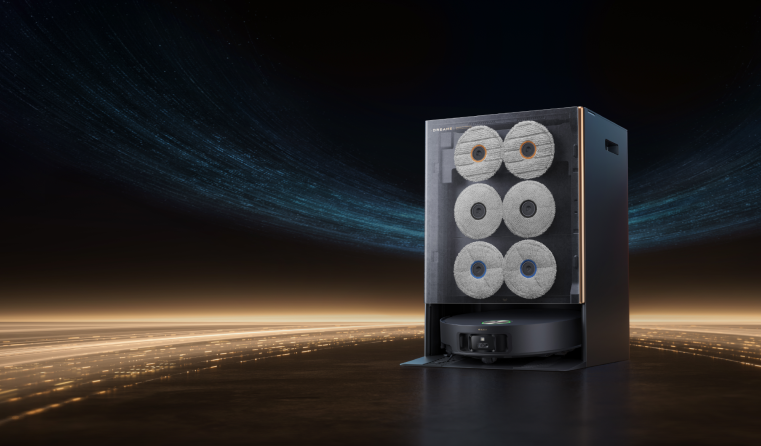
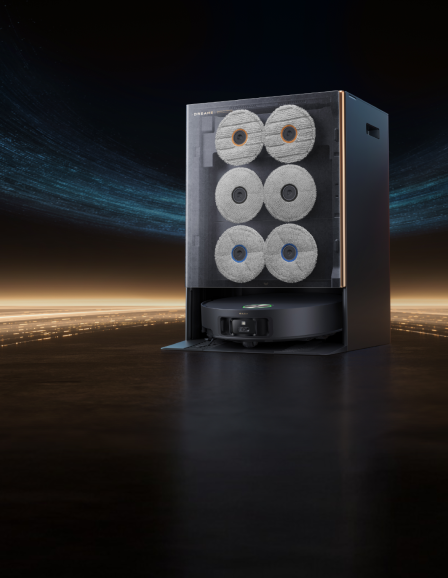
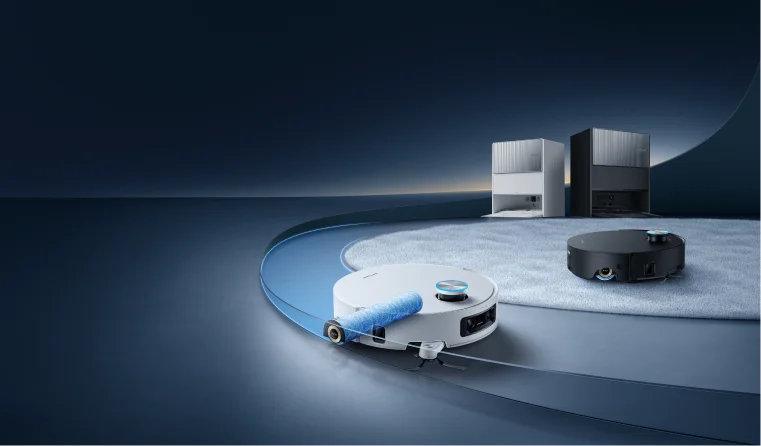
You've just spent twenty minutes mopping your kitchen, and as the floor dries, those telltale streaks appear. The surface looks cloudy, dull, or worse, like you never cleaned it at all. If you’re wondering how to mop without leaving streaks, you’re not alone.  Thankfully, streaky floors are almost never about your flooring itself. The problem usually comes down to technique, tools, or the cleaning solution you're using. With a few simple adjustments, you can learn how to mop floors without leaving streaks and get a clean, clear shine every time. How to Mop for Streak-Free Floors Streak-free floors are less about effort and more about sequence. Follow these steps in order and you’ll eliminate most of the problems people struggle with. Clear the Debris First You cannot mop a dusty floor. When loose dirt, hair, and grit are still on the surface, your mop simply drags them around, creating muddy streaks as the water dries. This is why professionals always follow the vacuum-first rule. Before you mop, vacuum, or dry sweep thoroughly. Pay attention to the corners and edges where dust tends to collect. This single step eliminates a huge percentage of streaking issues. Mix the Right Solution One of the biggest misconceptions about how to mop floors without leaving streaks is that more cleaner equals more shine. In reality, excess soap is the #1 cause of cloudy residue. Key rules: Use less cleaning solution than the label recommends. Warm or hot water evaporates faster, which helps prevent streaks. Avoid mixing multiple cleaners. Too much detergent leaves a film that never fully dries clear. If your floors feel sticky afterward, residue is the culprit. For a deeper breakdown on water temperature and chemistry, see this guide on hot or cold water for mopping floors. Wring It Out Thoroughly There’s a big difference between damp and soaking. Before touching the floor: Wring until the mop is just barely damp No dripping when lifted No visible puddles when applied A mop that’s dripping wet floods the floor, allowing dirty water to pool and dry unevenly. This is especially problematic on tile grout and hardwood seams. Controlled moisture equals controlled drying and fewer streaks. Use the “Figure-8” Motion (For Tile & Vinyl) For most non-wood floors (like tile, vinyl, or stone), pushing the mop straight back and forth is a mistake. Instead, use a gentle figure-8 motion. Why it works: Dirt gets trapped at the leading edge of the mop You’re not pushing grime back onto clean sections Pressure stays even across the surface This technique is especially helpful if you’re learning how to clean a floor without mistakes on smooth surfaces. However, if you have hardwood, skip this step and scroll down to the "Floor Type" section—wood requires a different motion. Don’t Skip the Rinse Pass If you’re using any cleaner at all, a rinse pass matters. Once the main cleaning is done: Empty the bucket Refill with clean water only Lightly go over the floor again with a clean, well-wrung mop This removes leftover chemical residue that causes streaks and dullness after drying. Buff Dry Immediately This is the step most people skip, and the one that makes floors look professionally cleaned. Use a dry microfiber pad or towel to lightly buff the floor while it’s still slightly damp. This process helps to eliminate water spots, balance out the moisture, and restore the floor's natural shine. It’s especially effective on glossy tile and sealed hardwood. Clean Your Tools A clean mop is one of the most overlooked factors in streak-free floors. If your mop smells, looks gray, or leaves residue behind, it’s redistributing old grime. Wash mop heads frequently and replace them when fibers flatten out. Adjust the Mopping Method for Your Floor Type Different floors show streaks differently. Adjusting your approach can make a visible difference. Mop With the Grain (Hardwood) If you’re wondering how to mop wood floors without leaving streaks, direction matters. Wood has a natural texture. If you mop across it (or in circles), dirt and water get trapped in the tiny grooves of the grain, creating streaks. Always mop in the direction of the wood grain. This helps: Hide minor moisture lines Prevent water from seeping between planks Maintain an even finish Use minimal water and dry promptly. Read How to Clean Hardwood Floors for a full hardwood-safe process. Watch the Grout Lines (Tile) Tile itself dries easily, while grout does not. Tile presents a unique challenge because dirty water loves to settle into grout lines. When this water evaporates, it leaves concentrated residue right where your eye naturally focuses, along those grid lines between tiles. When mopping tile: Avoid oversaturating grout Rinse your mop frequently Don’t let dirty water sit in the lines Grout absorbs residue fast, which is why tile floors often look streaky even when the tiles are clean. Master the specifics of how to clean and mop tile floors to keep both the tiles and grout looking pristine. Choose the Better Mop for Streak-Free Floors Not all mops are created equal when it comes to preventing streaks. Understanding the strengths and limitations of different mop types can help you make an informed decision about which tool will give you the best results. Mop Type Cleaning Mechanism Water Management Streak Risk String Mop Absorbs spills, pushes dirt around Poor — reuses dirty bucket water immediately High Microfiber Mop Traps dust & particles electrostatically Fair — requires frequent manual rinsing / pad changes Medium Robot Vacuum & Mop Consistent pressure & scrubbing action Good — auto-mop washing stations keep pads fresh Low Wet/Dry Vacuum Mop Active washing + powerful suction Excellent — continuously cycles fresh water; removes dirty water instantly Lowest Upgrade to Microfiber Microfiber mops are designed for streak-free results. Their ultra-fine fibers attract and trap dust, dirt, and residue rather than pushing them around, giving you a deeper clean with less effort. They also release water in a controlled way, so floors dry faster and more evenly. Compared to traditional string mops, microfiber delivers cleaner floors, fewer streaks, and better moisture control every time. Experience Smart Mop (Vacuum Mops) Smart mop technology takes streak-free cleaning even further. Wet and dry vacuum cleaners actively wash and remove dirt in one step by spraying clean water, scrubbing the surface, and immediately vacuuming up dirty water. Because moisture and grime are lifted off the floor instantly, they never dry into streaks. The result is a cleaner floor, faster drying, and a consistently polished finish without manual rinsing or guesswork. For a comparison of different mopping technologies and their effectiveness, check out this guide on steam mops versus regular mops to understand which option best fits your needs. Smart Cleaning Tools That Help Eliminate Streaks If you want consistently streak-free floors with less effort, upgrading to smart cleaning tools can make a noticeable difference. The Matrix10 Ultra Robot Vacuum uses a Multi-Mop Dock that automatically switches mop pads between rooms, so greasy kitchen residue never gets spread into living areas. The result is a consistently streak-free finish throughout your entire home with zero manual intervention. The X60 Max Ultra Complete Robot Vacuum takes things further with consistent scrubbing pressure, automatic mop washing, and hands-free maintenance, making streak-free cleaning far more reliable. By adjusting water flow based on your floor type, its advanced navigation ensures complete coverage without missed spots or overlapping that can cause uneven drying patterns. For hands-on deep cleaning, the H15 Pro Heat Wet Dry Vacuum uses heated water and powerful suction to wash and remove dirt in a single pass, preventing dirty water from ever drying on your floors. [product handle="h15-pro-heat-wet-dry-vacuum" rating="4.6"] You can explore more options in Dreame robot vacuum and mop and the wet and dry vacuum collections. Troubleshooting: Why Do My Floors Still Have Streaks? If you've followed all the techniques above and still see streaks, you're dealing with one of these common underlying issues. 1. Residue Overload That bottle of floor cleaner probably has much stronger instructions on the label than you realize. Most people use two to three times the recommended amount of product, thinking it will clean better. Using too much floor cleaner creates a thin, sticky film that doesn’t rinse away. As it dries, it looks cloudy and attracts dirt almost immediately, especially on glossy floors. Using less cleaner often delivers better results. If your floors feel tacky after drying, residue is the issue. Learn more about why floors get sticky after mopping and how to break the cycle of residue buildup. 2.The Dirty Water Trap When mopping with a bucket, the water becomes dirty within minutes. Dipping your mop back into that water reintroduces grime to the floor, which dries into streaks. By the time you finish a large room, you're essentially smearing dirty water across your floors, which dries into streaks. To avoid this, change your water frequently. For an average-sized room, you should probably be emptying and refilling your bucket at least once, maybe twice.  It is more work, which is also why cleaning systems that continuously use fresh water are more effective at keeping floors streak-free. The Path to Flawless Floors Streak-free floors come down to three essentials: clean water, proper technique, and the right tools. Small changes like wringing your mop thoroughly, using less cleaner, changing water frequently, and buffing dry, can transform your results. Dreame specializes in intelligent cleaning solutions that eliminate streaky floors. From advanced wet-dry vacuum technology to fully automated robot vacuum and mop systems, our tools work smarter so you don't have to work harder. Discover effortless streak-free floors at Dreame. FAQ About Streak-Free Floors Is Vinegar a Safe Streak-Free Cleaner? Vinegar can work well for sealed tile and some laminate floors. Use one part white vinegar to ten parts water for streak-free results without chemical residue. However, vinegar is acidic and can damage certain finishes. Never use it on natural stone (marble, granite, travertine), as it etches the surface. It can also dull hardwood finishes and damage grout sealing. When in doubt, stick with pH-neutral cleaners formulated for your floor type. Why Do Footprints Show Up Immediately? Visible footprints indicate either residue buildup from too much cleaning product or walking on floors before they're fully dry. If it's residue, mop with plain water only for your next few sessions to strip away the film, then use less cleaner going forward. For immediate results, switch to a wet dry vacuum cleaner that removes moisture completely, leaving floors dry instantly. What Is the Best Streak-Free Floor Cleaner? The best cleaner depends on your floor type. Look for pH-neutral formulas designed for your specific flooring. Avoid products with oils, waxes, or moisturizers that create buildup. For most sealed hard floors, warm water with a few drops of dish soap per gallon works excellently and rinses clean without residue. If you prefer commercial products, choose those labeled "residue-free" or "streak-free" and follow dilution instructions exactly.
Continue reading
Mop with Hot or Cold Water? The Guide to a Better Clean

Mop with Hot or Cold Water? The Guide to a Better Clean

Dreame Editorial Team |
It’s the great household debate: when you grab the mop, should you fill the bucket from the hot tap or the cold one? You've probably heard strong opinions on both sides, leaving you to wonder if you're making a huge mistake every time you clean. That frustration is real. You put in the effort, but your floors still look streaky, feel sticky, or just don't seem truly clean. It’s maddening to wonder if the simple choice of water temperature is to blame. Figuring out whether to mop with hot or cold water isn't as simple as one-size-fits-all. The truth is, both have their place. The right choice depends entirely on your floor type and the mess you’re tackling. We're here to settle the debate so you can clean with confidence. Hot vs. Cold Water: A Quick Guide by Floor Type One of the most common mopping mistakes is using the wrong temperature for your floor. Here’s a simple cheat sheet. Floor Type Best Water Temperature Why? Ceramic & Porcelain Tile Hot Water Durable and can handle heat. Hot water excels at cleaning grout and kitchen grease. Sealed Hardwood Cold or Lukewarm Never use hot water. It can damage the finish, cause warping, and force water between planks. Laminate Cold or Lukewarm Never use hot water. Heat can damage the protective layer, warp the planks, and weaken seams. Vinyl & Linoleum Cold or Lukewarm Hot water can weaken the adhesive, causing planks or tiles to peel up at the edges. Natural Stone (Marble, Granite) Cold or Lukewarm Hot water can damage the sealant and dull the stone's natural finish. When Mopping with Hot (or Warm) Water Is Beneficial Why do so many of us default to hot water? It feels more powerful, and in many cases, it is. Hot water molecules have more energy and move faster, which helps to loosen and dissolve grime more effectively than cold water. Grease and Oil: Hot water is the clear winner for cutting through greasy, oily, and sticky messes. Think kitchen floors after cooking or dining room spills. Sanitizing Power: High heat (typically above 140°F / 60°C) can help kill certain bacteria and germs, making it a tempting choice for bathrooms or homes with pets and kids. Tough, Stuck-on Grime: For caked-on mud or sugary spills that have hardened, hot water acts as a solvent, making scrubbing far easier. Important Hot water is powerful, but it's not for every floor. Using water that's too hot on the wrong surface can cause warping, dull the finish, or even weaken adhesives. Always check your flooring manufacturer's care guidelines first. When Mopping with Cold (or Lukewarm) Water Is Preferable Despite the power of heat, many professional cleaners often default to cold or lukewarm water for routine cleaning. Here’s why. Floor Safety: Cold or lukewarm water is the only safe choice for delicate floors like sealed hardwood, laminate, and vinyl. Heat can cause these materials to warp, swell, peel, or bubble. Prevents Streaks: Hot water evaporates quickly. This can leave behind dissolved dirt and cleaning solution residue, resulting in those ugly, dulling streaks. Cold water evaporates slowly, giving you a clearer, streak-free finish, especially on high-gloss surfaces. Chemical Compatibility: Many modern floor cleaners are formulated to be most effective in cold water. Hot water can sometimes break down the active ingredients, making your cleaning solution less effective. The Real Mopping Mistake: It’s Not Just the Temperature The hot water vs cold water for mopping debate is important, but it misses the biggest problem with traditional mopping: you’re cleaning with dirty water. Think about it. You dunk your mop into clean water, wipe up a section of floor, and then plunge that same dirty mop right back into the bucket. After the first pass, you’re just spreading a thin layer of grime and bacteria all over your home. The most sanitary way to mop isn't just about water temperature. It's about separating the clean water from the dirty. Use Heat Safely for a Truly Sanitary Clean Using lukewarm water is safer for your floors, but nowadays wet-dry vacuums and innovative robot mops have changed the game. These tools feature separate tanks—one for fresh water and another for dirty water—so you can enjoy powerful cleaning without pushing around dirty water.  They also tackle the hot water issue by generating high-temperature heat in their base stations to clean and sterilize their rollers and brushes. This ensures you get the sanitizing benefits of heat while starting with a germ-free clean. It’s a perfect combination of safety and effectiveness for an enjoyable cleaning experience Solution 1: Fresh-Water Mopping with Roller Mop Sterilization This is the ideal solution for those with sensitive floors (wood, laminate) who still want a deep, sanitary clean. The Benefit: A machine like the Dreame Aqua10 Roller robot vacuum and mop solves the dirty water problem with its continious auto self-cleaning system. It mops only with fresh water from its clean water tank, while the dirty water is scraped off the roller and sent to a separate tank. The Hygiene Pivot: The real hygiene boost comes after the cleaning is done. Instead of leaving you with a damp, dirty roller, the base station uses 212°F (100°C) hot water and 149°F (65°C) hot air drying to automatically wash, sterilize, and dry the roller.  You get the sanitizing power of high heat on the cleaning tool itself, not on your floor. This ensures you’re always mopping with a hygienic, clean roller. [product handle="aqua10-roller-robot-vacuum" rating="5"] Solution 2: Active Hot-Water Cleaning for Stubborn Grime This is the ultimate solution for those with durable floors (tile, vinyl) who face serious, greasy messes. The Benefit: What if you do want to use hot water directly on that kitchen grease? A machine engineered for it, like the Dreame H15 Pro Heat Wet Dry Vacuum, can be the answer. It uses 85°C (185°F) hot water to clean the floor, actively dissolving the most stubborn, caked-on grime that cold water can't touch. The Heat Pivot: It doesn't stop there. Its "ThermoTub™" self-cleaning cycle uses 100°C (212°F) water and 90°C (194°F) AI drying to sterilize its own brush, ensuring it’s ready and germ-free for the next job. It’s the ultimate tool for tough jobs, leveraging hot water cleaning on the floor and high-heat sterilization in the base. [product handle="h15-pro-heat-wet-dry-vacuum" rating="4.7"] Hot or Cold? The Final Verdict So, should you mop with hot or cold water? Use Cold/Lukewarm Water: For daily cleaning and for all delicate floors like hardwood, laminate, and vinyl. Use Hot Water: For tough, greasy messes on durable floors like ceramic or porcelain tile. But the real answer? The biggest upgrade to your cleaning isn't just temperature, it's cleanliness. Stop spreading dirty water with a traditional mop and clean the mop head carefully. Whether you need the everyday hygiene of fresh-water mopping or the grease-blasting power of hot-water cleaning, Dreame has a solution. Read our guide: What Should I Look For When Buying A Vacuum Cleaner? Frequently Asked Questions (FAQ) What is the most sanitary way to mop? The most sanitary method is one that never reuses dirty water. This is achieved with a dual-tank system (separating clean and dirty water) or a machine that continuously uses fresh water, like the Dreame Aqua10 Roller, which also self-sterilizes its roller with hot water. What's better for cleaning, hot or cold water? It depends. Does hot water clean floors better? Yes, for grease and oil. But cold water is safer for most floor types (like hardwood and laminate) and is better for preventing streaks. Check out our guide on how to clean laminate floors and clean sticky floors for more details. What is the most common mistake when mopping? Besides using the wrong water temperature for your floor type, the most common mistake is using a dirty mop and bucket, which just spreads germs and grime instead of removing them. Using too much water, especially on wood floors, is another common error. Can I use hot water on my vinyl plank floors? It is not recommended. Hot water can weaken the adhesives used to install vinyl, causing the planks or tiles to warp, bubble, or peel at the edges. Stick to cold or lukewarm water. For tips on other floor types, see our post on how to clean and mop tile floors. Read More in Our House Cleaning Series If you’re looking to master the art of efficient cleaning, check out the rest of our house cleaning series: Learn why you should vacuum before mopping to achieve spotless floors. Discover whether to dust or vacuum first for the most effective cleaning routine. Explore our guide to sweeping vs. vacuuming to find out which method best suits your floors.
Continue reading
How to Clean Floor Without a Mop: 7 Ways to Ditch the Bucket

How to Clean Floor Without a Mop: 7 Ways to Ditch the Bucket

Dreame Editorial Team |
There's a particular kind of frustration that comes with mopping. You fill the bucket, wring out the mop, push gray water across the floor, and somehow end up with a surface that looks streakier than when you started. Then there's the storage problem: a damp mop head sitting in a corner, collecting bacteria between uses. And if you have a bad back, the whole ordeal becomes something you genuinely dread. Thankfully, you don't need a mop to keep your floors clean. Whether you're working around a back injury, living in a small apartment without storage space, or simply looking for a more hygienic routine, there are practical methods that get the job done just as well, or even better. This guide covers seven of them, from simple DIY techniques using things you already own, to smarter tools that take most of the effort out of the equation entirely. Manual Techniques to Clean Floors Without a Mop The methods mentioned below work well for most hard floor surfaces and require little to no special equipment. They're particularly useful for targeted cleaning, quick sessions, or situations where you simply don't have access to a mop. 1. Glide a Damp Towel with a Broom Wrap a damp microfiber towel around the head of a broom and secure it with clips or rubber bands. Lightly mist the towel with a cleaning solution, then sweep across the floor. Benefits Lets you clean while standing upright Covers large areas quickly Uses minimal water, reducing streaks Works well on tile, laminate, and vinyl This method mimics a flat mop but avoids the bucket and heavy wringing. 2. Spray and Wipe for Targeted Cleaning Fill a spray bottle with a floor-safe cleaner. Spray a small area and wipe immediately using a microfiber cloth or reusable pad. Benefits Ideal for sticky spots or spills Prevents excess moisture on sensitive floors Reduces water waste Gives better control over problem areas This approach works especially well for kitchens and entryways where dirt accumulates in patches rather than evenly. 3. Scrub on Hands and Knees for Precision  Sometimes the simplest method is still the most thorough. Using a soft brush or cloth, scrub the floor manually while inspecting problem spots closely. Benefits Deepest level of control over dirt and stains Allows close inspection of grout lines and corners Useful for neglected or heavily soiled floors It’s time-consuming and labor-intensive, but for bathrooms or high-traffic areas, it’s often the most effective manual solution. 4. Use a Squeegee for Fast Drying After spraying the floor lightly, use a floor squeegee to pull moisture toward a towel, drain, or absorbent mat. Benefits Prevents slippery residue Leaves floors streak-free Speeds up drying time Useful for tile and stone surfaces This technique is commonly used in commercial spaces because it keeps floors hygienic without oversaturating them. 5. Use Disposable Wipes for Quick Messes Pre-moistened floor wipes are a convenient solution for small spills or daily touch-ups. Benefits No setup required Hygienic, single-use option Great for pet accidents or food spills Easy to store While not ideal for large spaces, wipes are perfect for maintaining cleanliness between deeper cleans. Use Smart Technology to Clean Floors Without a Mop Manual methods work, but they still demand time and physical effort. For larger homes, mobility concerns, or consistently better hygiene, smart cleaning technology offers a more efficient solution. 6. Wash with a Wet/Dry Vacuum for Fresh Water Hygiene A wet and dry vacuum — sometimes called a wet dry vac or wet dry vacuum cleaner — solves one of the biggest hygiene problems with traditional mopping: dirty water. When you mop, bucket water gets dirtier with every pass, often spreading diluted grime across areas you’ve already cleaned. A wet dry vacuum separates the process. It removes dry debris first, then dispenses clean water from a fresh tank while suctioning dirty water into a separate compartment. The two never mix. This means the water touching your floor is always clean, which is something traditional mopping can’t guarantee. For homes with children or pets, or for anyone who values real cleanliness, that difference matters. These machines also handle dry messes and wet spills in one pass, eliminating the need to switch tools mid-clean. Benefits Uses fresh water continuously Removes liquid spills instantly Cuts cleaning time dramatically Leaves floors nearly dry The Dreame Aero Pro shows what this technology can do. It vacuums and washes simultaneously, keeps clean and dirty water separate, and uses a self-cleaning system to maintain the roller brush, addressing the hygiene limits of conventional mopping at its source. [product handle="aero-pro-wet-dry-vacuum" rating="4.5"] 7. Delegate to a Robot Vacuum for Zero Effort If your goal is minimal physical effort, a robot vacuum is the most complete solution here. Modern robot vacuums now use laser mapping to navigate accurately, detect surfaces, avoid obstacles, and return to their dock to empty dustbins, refill water, and clean mop pads automatically. For people with back pain, mobility limits, or busy schedules, this is a complete practical solution. Daily automated cleaning prevents dust and grit from building up, while controlled water use avoids damaging sensitive floors. Benefits Hands-free daily cleaning Maintains floors before grime builds up Ideal for busy households Reduces need for manual scrubbing Advanced models like the X60 Max Ultra demonstrate how automated cleaning can replace traditional mopping entirely. It includes AI obstacle avoidance, a self-cleaning base station, automatic pad lifting for carpets, and detailed home mapping with zone control through its app, making whole-home maintenance largely hands-off. [product handle="x60-max-ultra-complete-robot-vacuum" rating="4.7"] No-Mop Cleaning Tips for Specific Areas How to Clean Bathroom Floor Without Mop Bathrooms are tricky to clean: tight spaces, textured tiles, and fixtures that block access make mops impractical. In many cases, a mop simply isn’t the right tool. The hand-and-knee method offers the precision needed to scrub around the toilet base, behind doors, and into grout lines where moisture and soap build up. Use a small scrub brush with a suitable cleaner, work in sections, and dry with a towel as you go to avoid residue. The squeegee method works well for maintenance, especially if shower water regularly reaches the floor. A quick pass after bathing removes standing moisture and keeps grime from settling into grout. Benefits Reaches corners and grout more effectively than a mop Prevents moisture buildup and mildew growth Reduces the need for frequent deep scrubbing For a more detailed breakdown of bathroom floor care, the guide on how to clean bathroom floors covers surface-specific techniques in more depth. How to Clean Hardwood and Laminate Without Mop Water is the main risk for hardwood and laminate floors. Traditional mopping often leaves more moisture than these materials can tolerate, leading to swelling, warping, or finish damage over time. The safest manual method is spray-and-wipe. Lightly mist a small section, wipe immediately with a dry or barely damp microfiber cloth, and move on. Never allow liquid to pool. A robot cleaner with controlled moisture output is also well suited to these floors because it uses far less water than a traditional mop. Benefits Protects seams and finish from water damage Prevents warping and surface dullness Maintains appearance with minimal moisture exposure For more guidance on hardwood-specific care, the how to clean hardwood floors guide covers what to use, what to avoid, and how to address common issues like sticky floors. Tips for Maintaining Floors Between Deep Cleans Reducing how often you need to perform an intensive wet clean starts with limiting what reaches the floor in the first place. Stop Dirt at the Door: Place high-quality mats at every entrance and enforce a "no shoes indoors" rule. This simple step helps prevent dirt and debris from being tracked in, extending the life of your flooring finishes. Dry Sweep Daily: Vacuum frequently, especially in high-traffic areas, so abrasive grit doesn’t scratch your finishes or settle into your grout. Regular sweeping drastically reduces how often you need to deep clean and makes routine maintenance faster and easier. Tackle Spills Fast: Wipe up messes immediately. Fresh spills lift easily with a paper towel, while dried, sticky ones require serious scrubbing. Promptly addressing spills helps maintain your flooring's appearance and prevents long-term damage. Conclusion You don’t need a mop or a bucket of murky water to maintain clean, hygienic floors. Simple manual tricks like towel-broom cleaning or spray-and-wipe methods work in a pinch. For long-term convenience and hygiene, modern tools such as a wet and dry vacuum, or a robot vacuum and mop offer a more efficient solution. The best approach depends on your time, physical comfort, and cleaning standards, but every option above proves that ditching the mop is entirely possible. FAQs How to clean a dirty floor without mop? Start by vacuuming debris, then use a spray cleaner and microfiber cloth or a wet-and-dry vacuum to remove grime without spreading dirty water. How to keep floors clean without mopping? Vacuum daily, wipe spills immediately, and use automated cleaning tools to prevent dirt from accumulating. What can you use instead of a mop for floors? Microfiber cloths, towels on a broom, disposable wipes, squeegees, wet-dry vacuums, or robot cleaners all work effectively. How to clean the floor by hand? Use a microfiber cloth, warm cleaning solution, and gentle scrubbing motions. Work in small sections and dry immediately to avoid streaks.
Continue reading
Why Is My Floor Sticky After Mopping? 5 Common Mistakes & How to Fix Them

Why Is My Floor Sticky After Mopping? 5 Common Mistakes & How to Fix...

Editorial TeamDreame |
You just spent your time and energy mopping the floor, expecting a smooth, clean shine. Instead, it feels tacky and grimy under your feet. It’s confusing, especially when you followed every step you thought was right. You question yourself, why is my floor sticky after mopping with vinegar? The truth is, sticky floors aren’t caused by laziness or dirt left behind.  They happen because the cleaning process itself goes wrong in small but crucial ways. In this guide, we’ll pinpoint exactly where things go off track and show you how to clean sticky tile floors for a residue-free, professional-level clean every time. The Real Reason: Cleaner Residue on Your Floors Here’s the surprising part: it’s not the dirt you missed; it’s the invisible film left behind. Most cleaning solutions contain surfactants, ingredients that lift grease and grime. These surfactants cling to the floor if not rinsed off completely, creating a thin, sticky layer that attracts new dirt almost instantly.  Even the best cleaner can cause buildup when it’s overused or poorly rinsed. What feels like a dirty floor is often just leftover soap turning into a magnet for dust and footprints. Once you understand that, the problem becomes easy to solve: you’re not battling grime, you’re fighting residue. Pinpoint the Source of Sticky Floors / Pinpoint Your Mopping Mistake Now let’s figure out where things went wrong. These are the five most common causes of post-mop stickiness. You might recognize one or all of them in your own routine. Mistake #1: Using Too Much Cleaning Solution More soap doesn’t mean it's clean. When the cleaner concentration is too high, there isn’t enough water to rinse it away. What’s left behind dries into a slightly tacky film that grabs every speck of dust that touches it. The fix is simple: always check the dilution ratio on the bottle.  A capful in a gallon of water usually does the job. Think of cleaner as seasoning, too much ruins the recipe. If you can see suds, you’ve already gone too far. The right amount leaves the floor smooth, not slippery or sticky. Mistake #2: Using the Wrong Type of Cleaner Some products are simply wrong for the surface. Oil-based soaps or heavy all-purpose cleaners can coat hardwood and tile with residue that doesn’t rinse off easily. What you need instead is a pH-neutral cleaner designed for your specific floor type. It lifts dirt without leaving a trace once wiped away.  For sealed hardwood or laminate, choose a wood-safe, low-residue formula. For vinyl and tile, light vinegar solutions or neutral floor detergents work best. Picking the right product is half the battle in achieving a clean that actually feels clean. If you’re using a vacuum mop, don’t forget that the cleaning solution is important as well. Check out our Vacuum Cleaning Solution Guide: How to Choose, Use, and Alternatives for more info! Mistake #3: Mopping with Dirty Water Once your mop water turns cloudy, it’s not cleaning anymore; it’s spreading dirt evenly across the floor. Each dip of the mop reintroduces grime that’s already been lifted. The result is a dull, sticky finish that feels worse after every pass. Professionals solve this with a two-bucket system: one for the cleaning solution and one for rinsing out the mop.  This simple change prevents “grime redistribution.” Empty and refill your rinse water often, especially when tackling large areas. Clean water means a clean floor, not a recycled mess. Mistake #4: Skipping the Final Rinse Many people stop mopping as soon as the dirt disappears. That’s where the residue begins. The rinse step isn’t optional; it’s essential. After mopping with cleaner, go over the surface once more with clean water and a fresh mop head.  This removes leftover soap and minerals before they dry. It’s a quick extra round that makes all the difference. You’ll notice your floor feels smoother and looks clearer, without that faint film that usually returns hours later. Mistake #5: Starting with a Dirty Mop A dirty mop spreads old residue the moment it touches the floor. Dried cleaner, grease, or bacteria hiding in the fibers mix with your fresh solution and undo your work. Always start with a clean, dry mop head.  Wash microfiber pads after every use, or replace disposable ones right away. When your cleaning tool is spotless, the results finally match your effort. It’s a simple rule that professionals never skip. How to Mop for a Residue-Free Finish Now that you know the cause, here’s the solution for how to clean sticky wood floors. A clean, non-tacky floor comes down to three key habits: Use the Right Amount of the Right Cleaner: Always follow dilution instructions and choose a pH-neutral, residue-free formula suitable for your floor type. Adopt the Two-Bucket Method: Keep one bucket for your cleaning solution and another for rinsing your mop. Never dip a dirty mop into the clean mix. Finish with Fresh Water: Go over the floor once more using clean water only. It clears every trace of detergent or vinegar. For detailed techniques and floor-specific solutions, see our complete guide on How to Clean Sticky Floors. The Ultimate Fix: A Mop That Can't Make Mistakes Even with the best method, human error creeps in. That’s why new technology is built to eliminate these weak points entirely. Wondering how to clean sticky hardwood floors? Consider smarter devices!  Wet Dry Vacuums Wet-dry vacuums combine suction, scrubbing, and rinsing in one step, so the floor never sits under dirty water. Devices like the Dreame H15 Pro Heat Wet Dry Vacuum keep clean and dirty water separate, apply precise amounts of cleaning solution, and dry the floor instantly. The result is spotless, streak-free, and residue-free in a single pass. You get the cleaning power of heat without the risk of warping or damage, just spotless, smooth floors every time. Robot Vacuums and Mops If you’d rather skip mopping altogether, a robot vacuum-mop handles it on its own. The Dreame Aqua10 Ultra Roller Robot Vacuum measures out just enough solution, uses clean water for every pass, and even washes its mop pads after each run. It doesn’t forget to rinse or reuse dirty water, so the sticky floor problem just disappears. Frequently Asked Questions on Why Floors Stay Sticky Why are my floors still sticky after mopping? Most likely, there’s leftover soap or dirty water on the surface. The cleaner dried before it was fully rinsed off. What's the best way to clean sticky floors? Use warm water and a mild cleaning solution, followed by a thorough rinse to remove residue. For easier upkeep, smart cleaning tools like wet and dry vacuums or robot vacuums with mopping functions do the job automatically. Scrubbing, rinsing, and drying in one pass to leave your floors spotless without the extra effort. Why does my floor feel sticky even after using vinegar? Vinegar can help, but too much of it, or no rinse afterward, can leave a faint residue. One cup per gallon of warm water is enough. What kind of floor cleaner won't leave a sticky residue? Look for “pH-neutral” or “residue-free” on the label. You can test it by spraying a little on a mirror; if it dries clear, it’s safe for your floor.
Continue reading
How Often to Replace a Vacuum: Lifespan, Signs, and Smarter Alternatives

How Often to Replace a Vacuum: Lifespan, Signs, and Smarter Alternatives

Editorial TeamDreame |
You're vacuuming your living room, when suddenly, you notice something strange. You pass over the same line of crumbs three times, but they’re still there. You check the filter, the brush, even the hose. Nothing’s obviously wrong, but the suction’s weak, and now the motor sounds a little off too. Is it just a clog? Do the vacuum batteries need replacing? Or is your vacuum on its last legs? Knowing when to repair or replace a vacuum can be tricky. Some problems creep up quietly, while others are impossible to ignore. The right choice often depends on your home’s size, the kind of messes you deal with, and how often you clean. This guide breaks down the most important signs that it’s time to replace your vacuum and introduces smarter, longer-lasting options that can improve your cleaning routine and your home's air quality. Let’s dive in. When to Replace a Vacuum Cleaner? Most upright and stick vacuums last about 5 to 8 years. Robot vacuums can run even longer with regular care. If your vacuum falls into that age range, start watching for red flags like weak suction or repeated clogs. As a rule of thumb: If the cost of repairs is more than half the price of a new machine, consider upgrading. If performance drops noticeably, even after cleaning filters and brushes, it’s likely time for a replacement. If your lifestyle changes, like adding pets, having children, or moving to a bigger home, you may need new vacuum features sooner than expected. Curious how long most vacuums actually last? Dreame explains it well in How Long Should a Vacuum Cleaner Last. 6 Signs You Should Get a New Vacuum You don’t need to guess. These signs tell you a vacuum has reached the end of its useful life: Loss of Suction If your vacuum takes multiple passes to pick up debris, the motor or belts may be worn out. A working vacuum should clean in one or two passes. Frequent Clogs and Blockages Occasional clogs happen, but frequent ones signal airflow problems. Quick fixes like replacing filters or belts may help, but recurring clogs often point to larger issues. Strange Noises or Odors Grinding, squealing, or burning smells are warning signs. They usually mean internal parts are failing, and continued use could damage floors or even pose a safety risk. Overheating If your vacuum shuts off or feels hot during use, the motor may be overworked. Blocked airflow or worn belts can also cause overheating, leading to permanent damage if ignored. Outdated Technology Machines older than eight years may lack HEPA filters, efficient brushes, or smart navigation. Newer vacuums clean better, save energy, and trap allergens more effectively. Housing/Flooring Changes The vacuum that worked fine in a small apartment may not keep up in a larger home. Changes in flooring or daily messes can make an upgrade worthwhile. Should You Replace Parts or the Whole Vacuum? Sometimes replacing a part adds years of use. Before discarding a vacuum, check whether a simple fix will do. Part Clean/Replace Frequency Tips HEPA Filter Clean monthly; replace every 6–12 months A dirty filter reduces suction and may release allergens back into the air. Consider upgrading to a HEPA filter if allergies are a concern. Brush Roll Remove hair monthly; replace annually Worn bristles can’t agitate carpet fibers effectively, leading to poor pickup. Belt Inspect every 6 months; replace if cracked Loose belts reduce brush speed and suction power. Battery (Robot Vac) Check after 2 years; replace if runtime drops A weak battery reduces cleaning coverage. Proper charging habits extend lifespan. Dust Bin / Bag Empty after each use; replace bag weekly or as needed Overfilled bins stress the motor and cause clogs.   For more on keeping your vacuum running, read 10 Expert Tips to Extend Your Robot Vacuum’s Lifespan. Why Change a Vacuum Cleaner if It Still Works? A vacuum may turn on but still fail at its job. Here’s why replacing it can make sense: Poor Cleaning Performance: If it takes too long or leaves debris behind, it’s time to upgrade. New Dreame vacuums with soft roller brushes clean more efficiently in fewer passes. Frequent Breakdowns or Repairs: Constant fixes get costly. Modern models use stronger parts that hold up better over time. Modern Features That Save Time: Robot vacuums map your home and empty themselves. Wet dry vacuums, like the Dreame H15 Pro Heat, vacuum and mop at once. Health Benefits: New models include sealed HEPA filtration that traps fine dust and allergens, especially helpful for households with pets or allergy concerns. Life Changes: Babies, pets, and bigger homes bring new cleaning challenges. Dreame’s robot vacuums and wet dry models adapt to daily needs and reduce manual work. Upgrade Smarter: New Vacuums That Last Longer Replacing a vacuum isn’t just about fixing an old machine. It's a chance to upgrade to smarter, more powerful tools that fit your evolving needs. Dreame’s lineup includes robot and wet dry vacuums built for long-term performance and low maintenance. Wondering if the upgrade is worth it? Take a look at Are Smart Vacuums Worth the Investment. Robot Vacuums Robot vacuums offer advanced navigation, self-emptying systems, and hands-free cleaning that adapts to any home. Whether you live in a studio or a multi-level house, there’s a match. X50 Ultra: Dreame’s top-tier robot vacuum. It features powerful suction, a soft rubber brush for precision, and a self-emptying dustbin. Ideal for homes with pets and lots of floor traffic. L50 Ultra: Known for its slim dock and multi-floor mapping, the L50 Ultra is perfect for apartments and tight spaces. It transitions easily between surfaces and stores away neatly. L40 Ultra: A versatile option with strong suction, intuitive app control, and quiet operation. It’s great for busy households that want daily, low-fuss cleaning. D20 Plus: Compact but effective, this model is perfect for smaller homes or those new to robot vacuums. It handles daily debris while remaining budget-friendly. Each robot model cuts down on manual vacuuming, mapping your space and cleaning on schedule so your floors stay spotless with minimal effort. Wet Dry Vacuums For sticky messes, spills, and deep cleaning, wet dry vacuums offer a powerful solution that goes beyond dust pickup. H15 ProHeat: A premium option with a heated brush roll that lifts dried-on spills while mopping and vacuuming in one go. It also features automatic self-cleaning and drying, reducing odor and mold risk. H14 Pro: Slightly more compact, the H14 Pro still delivers strong suction, dual water tanks, and smart dirt detection. It’s ideal for high-traffic areas and kitchens. For a broader look at the cleaning lineup, explore Dreame’s complete Vacuum & Floor Care Collection and discover models tailored to every home size and cleaning style. What to Do With Old Vacuums Before tossing your old vacuum in the trash, consider more sustainable options: Donate or Recycle: Many organizations accept working appliances for donation. Dreame’s guide on how to donate a vacuum cleaner explains where to drop off or schedule pick‑ups. Trade‑In Programs: Some retailers offer trade‑in credits when you upgrade to a new model. Check local stores or manufacturer promotions. Repair and Repurpose: If the motor works, your old vacuum could be used in a garage or workshop for sawdust and small debris. Responsible disposal reduces waste and helps others benefit from a machine you no longer need. FAQ How long should a vacuum last? Most vacuums last around 6 to 8 years, though high-quality ones can last longer with proper care. If your machine still performs well and parts are available, it may not need replacing yet. Is it cheaper to repair or replace? If repairs are minor and your vacuum is under 5 years old, fix it. But if the motor fails or repairs cost more than half the price of a new vacuum, replacement makes more sense. Which is better for pets, robot vacuum or wet dry vacuum? Use both: robot vacuums handle daily pet hair pickup effortlessly. Wet dry vacuums are better for muddy paw prints and spills. Should I replace my vacuum if it doesn’t have a HEPA filter? If allergies or pets are an issue, upgrading to HEPA filtration helps trap fine dust and allergens. If your current vacuum allows, you might only need to upgrade the filter—not the whole machine. Conclusion: When Is The Right Time to Replace Your Vacuum? Choosing when to replace a vacuum isn’t just about age. It’s about performance and lifestyle. If your machine is older than eight years, struggles with suction, or emits odd smells, it may be time for an upgrade. Replacing parts can help, but if repairs are frequent or expensive, a new vacuum is a better investment. Ready for a smarter clean? Explore Dreame’s robot and wet dry vacuums, pair with the Dreamhome app, and let your floors take care of themselves—so you don’t have to.
Continue reading
How to Vacuum Your Wool Carpet Without Damaging It

How to Vacuum Your Wool Carpet Without Damaging It

Editorial TeamDreame |
Wool is a comfortable, soft, high-end natural material, and wool carpets can add atmosphere and sophistication to home decor, making them a top choice for many families. But cleaning a wool carpet? It can be quite troublesome or needs extra attention because this natural material may be more easily damaged than some synthetic materials if not properly cared for. But can we just let it be? That might have just left it to gather dust and bacteria. Let's take a look at 4 vacuuming methods for wool carpets. Why Cleaning a Wool Rug is Necessary Your wool rug is just like a natural air filter for your home. Because its long and soft fibers are like experts trapping dust, pollen, and allergens, keeping them out of the air you breathe. The U.S. Environmental Protection Agency (EPA) notes that carpets can hold a large amount of indoor pollutants. In one word, the wool carpet can "absorb" the dirt from the air, and at the same time, become really dirty itself. But my rug looks quite new, should I still clean it? The answer is yes. While it still looks very new outside, deep inside, sharp particles of grit and sand settle into the rug's foundation. Every time you walk on it, this hidden grit grinds against the delicate wool fibers like sandpaper. This may cause your rug to wear out prematurely. So you need a truly deep clean with the right method and right vacuum, that removes the damaging particles, keeping your rug strong and beautiful from the inside out. How to Vacuum Wool Carpets and Rugs You can absolutely vacuum your wool carpets. Vacuuming can remove hidden dirt without damaging your rug, and this helps it last longer. The right method depends on how workers made your rug was made, but once you know your rug type, you can clean it safely. Here's how to care for the most common types. 1. Thick Woven Wool Rugs(Medium Pile) Thick woven rugs include many Persian and Oriental styles, and workers tie wool fibers tightly onto a strong base. This creates a dense, soft surface, but it also creates a hidden problem. This thick pile traps sharp dirt deep inside, and this hidden dirt slowly damages your rug from within. Weak vacuums can't reach this deep dirt, so your rug keeps getting damaged even though it looks clean on top. Safe Steps to Clean: Step 1: Set Up Your Equipment: You need powerful suction without harsh brushes. The Dreame H15 Pro CarpetFlex works perfectly because it switches to carpet mode automatically. Just attach the carpet brush and you're ready. Step 2: Activate Smart Detection: Turn on the machine. The RGB sensor finds hidden dirt for you. It boosts power to 23,000Pa when needed. You don't need to guess where to clean deeper. Step 3: Start Cleaning: Move slowly across your rug. Make overlapping passes. The TangleCut™ 2.0 cuts hair automatically as you clean. This prevents tangles that could damage wool fibers. Step 4: Let Technology Work: The dual-brush adjusts power automatically. It gives consistent results. Your valuable wool stays protected from harsh brushing. This gives you complete confidence that harmful dirt is gone, while protecting your rug's delicate fibers. 2. Thin Woven Rugs (Flat-Weave) Flat-weave rugs like Kilims (traditional Middle Eastern rugs) and Soumaks (decorative flat rugs) have no thick pile, but they have a unique structure. The colored threads you see make up the actual rug structure, and this means every thread is important. The threads that hold the rug together sit on the surface, so spinning brushes can catch and pull these delicate threads. This permanently damages the beautiful pattern, and you can't fix this kind of damage. Safe Steps to Clean Compared to thick woven rugs, these delicate rugs need a much gentler approach, but you can still get excellent results. Follow these steps: Prepare a small handheld tool or a furniture attachment Set your vacuum to low power Move gently across the width of the rug, but don't rush the process Important: Never use spinning brush attachments on thin woven rugs. They will catch and damage the threads and ruin your rug's pattern forever.   3. Tufted Wool Rugs Unlike woven rugs, tufted rugs are made by inserting wool fibers into a backing and using glue to hold them in place. This glue-based construction creates unique challenges. Since glue holds the fibers instead of knots, fibers pull out much more easily. Spinning brushes will yank these fibers out, causing excessive shedding. Over time, this damages the glue backing and makes your rug look thin and worn. Safe Steps to Clean You must avoid the spinning brush, but you can still clean effectively with suction alone. Turn OFF the spinning brush - This step matters most, because the brush will pull out fibers Use suction only - Let air flow lift dust and dirt, while protecting the glued fibers Use simple tools - If you can't turn off the brush, switch to the handheld furniture attachment instead This gentle approach helps your rug keep its thick pile and last much longer, while avoiding costly damage. 4. Shag Wool Rugs Shag rugs have extra-long, loose fibers, and this creates two serious problems that regular vacuums can't handle. Problem 1: Long fibers get caught in spinning brushes and pull out entire clumps, while the brush keeps spinning and causes more damage. Problem 2: Dirt falls so deeply that regular vacuums can't reach it, but the dirt stays there and slowly damages the rug fibers. Safe Steps to Clean You need a different approach, but this method works better than any vacuum alone. Clean Outside: Take your rug outside and beat the back of the rug to shake out deep dirt. This works best to remove heavy dirt, and it's the only way to reach dirt that's deep in the pile. Gentle Surface Clean: Use your vacuum's hose or simple nozzle attachment, and clean carefully between the fiber rows. You don't need a brush because the suction does the work, while keeping your shag rug clean and fluffy without damage. Wool Rug Cleaning at a Glance Rug Type Key Challenge ✅ Recommended Tool ❌ Never Use Woven (Medium Pile) Hides deep, damaging grit Smart Carpet Cleaner (Suction-focused) Weak, surface-level vacuums Woven (Flat-Weave) Delicate, exposed threads Upholstery / Hand Tool Any spinning brush or floor head Tufted Fibers pull out easily Suction-Only Mode or Upholstery Tool An active beater bar Shag Long fibers will tangle Hose / Nozzle Attachment Any spinning brush or floor head Post-Cleaning Care: Don't Forget Your Tool Lifting all that dirt from your wool rug is a great feeling, but the job isn't quite done. A dirty tool can spread old dust, germs, and odors right back into your home. To get a truly fresh clean, you need to make sure your vacuum is clean, too. This usually means: Wiping down the brush head. Cutting away tangled hair. Emptying the dustbin and washing filters. This can be a messy and unpleasant chore. With the Dreame H15 Pro CarpetFlex, you can skip this process entirely. After you finish cleaning, it automatically washes its roller brush with hot water and dries it with hot air. This helps you keep your home and your tools fresh and clean, without any extra work. The Final Word on Wool Rug Care Protecting your wool rug is all about using the right technique for the right rug. Remember that gentle, frequent cleaning with powerful suction is much safer and more effective than harsh, infrequent brushing. By understanding how your rug is made, you can easily choose a cleaning method that keeps it beautiful for years to come. Ready to give your wool carpet the care it deserves? Explore a smarter cleaning solution with Dreame today. FAQs Q1. How often should I vacuum my wool rug? This depends on how much foot traffic it gets. For busy areas, a light vacuuming once or twice a week is a good idea. Try to do a deeper clean every one to two weeks. Q2. Is it normal for a new wool rug to shed? Yes, a little bit of "fluff" coming off a new wool rug is completely normal. However, if it keeps shedding heavily after a few months, it might be a sign that your vacuuming method is too aggressive. Q3. Can I use a vacuum with a spinning brush on my wool rug? It's best to avoid it. Never use a spinning brush on delicate rugs like tufted, shag, or flat-weaves. For a very sturdy woven rug, you might be able to, but only if you can set the brush to a very high setting so it barely touches the fibers. When in doubt, turn it off. Q4. What's the best way to handle pet hair on a wool rug? Regular vacuuming is the best solution. To make it easier, you can use a tool designed to handle hair without clogging. Powerful suction will lift the hair out, while an anti-tangle feature keeps the roller clean.
Continue reading