The best robot vacuum for carpet solves the problem most models run into: skating over the surface of the rug instead of clearing out the dirt packed down in the pile. It uses suction strong enough to reach buried debris with built-in brushes that clear hair so you're not constantly detangling. They also keep the mop off your rugs so the carpet stays dry.
Below are five top picks for 2026, each matched to a specific kind of carpet home, from thick bedroom pile to heavy pet shedding, so you can find the one that fits your floors.
Best Overall Robot Vacuum for Carpet
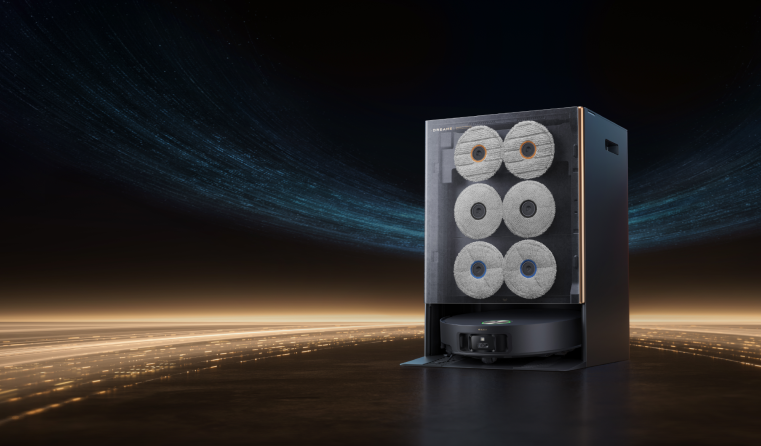
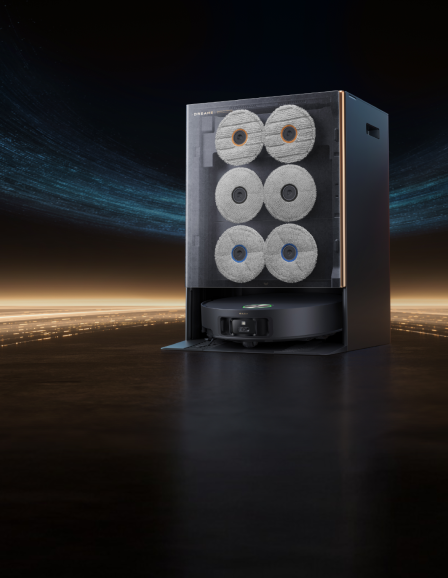
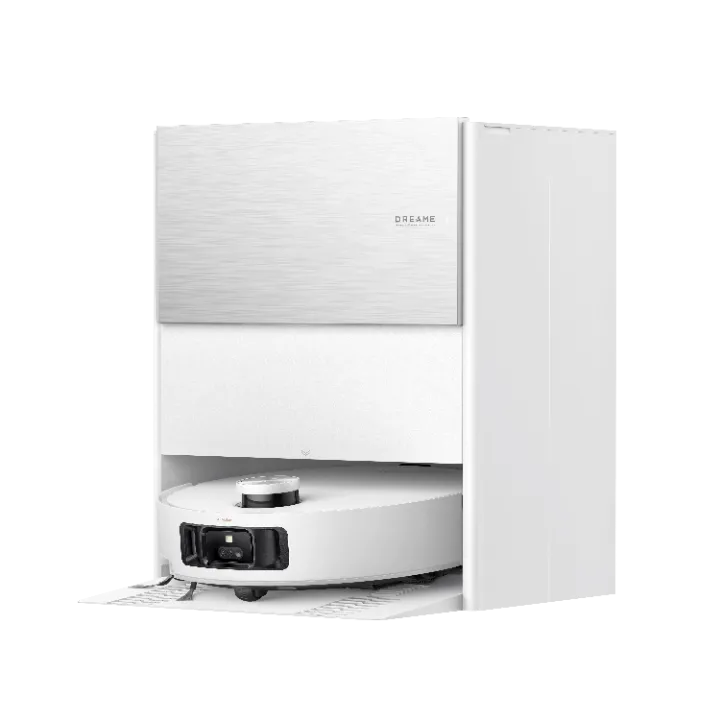
Dreame Pick: The Dreame X60 Max Ultra Complete, priced at $2,399.99 CAD, is the pick when you want the strongest carpet clean in the collection with nothing left to manage by hand. Your carpets get 35,000Pa of Vormax™ suction, the highest in the X Series, so embedded pet hair and ground-in crumbs come up on the first pass instead of the third. Suction is improved even more by a retractable pressure plate that lowers onto the pile and presses down to form a sealed pocket, so all that pull goes straight down into the fibers instead of escaping out the sides.
You also do not have to worry about damp rugs. The moment it moves onto carpet, it lifts its mop up to 10.5mm and rises up off the pile, so the mop never drags across the rug. The pads lift out of the way instead of coming off, so there is nothing to detach or swap between rooms, and your hard floors and carpet get cleaned in one hands-off run.
[product handle="x60-max-ultra-complete-robot-vacuum" slogan="Best Overall"]
Also consider: Roborock and iRobot are the flagship names most people cross-shop here.
Best Robot Vacuum for Thick & High-Pile Carpet
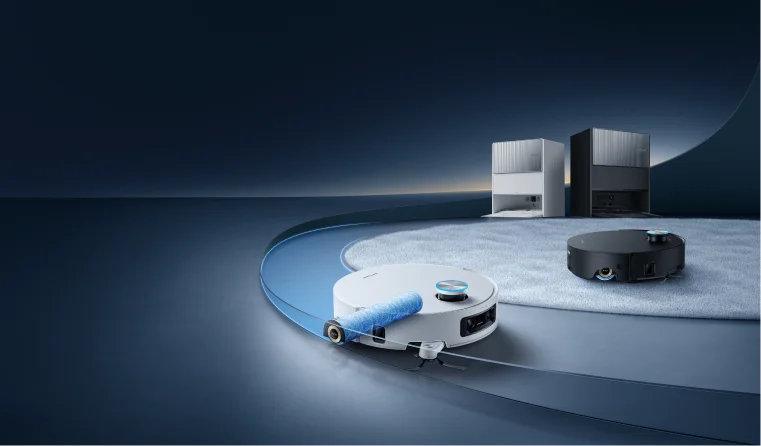
Dreame Pick: The Dreame Aqua10 Roller AE, comes in at $1,399.99 CAD, and is a great choice for deep, plush pile you want cleaned but kept bone-dry. A robot vacuum for thick carpet has a hard job, cleaning the pile without soaking it, and this one manages it with a Carpet-Safe AutoSeal™ Roller Guard that closes over the roller before it reaches the rug and lifts it 14mm clear. It is tested on pile up to 12mm thick, so your deep rugs stay genuinely dry.
While the mop stays off the fibers, 30,000Pa of suction reaches down into the pile and easily pulls up the grit. Long hair is no problem either. A HyperStream™ Detangling DuoBrush feeds strands straight through instead of letting them wind around the roller, and the dock rinses it with 100°C hot water between runs so it starts every clean fresh. For a home built around plush carpet, it is the best robot vacuum for high pile carpet in our collection.
If you want to see how robot vacuums handle deep pile before you buy, our guide on how robot vacuums work on rugs covers which types they actually clean well and how to set them up so they don't wet or snag the pile.
[product handle="aqua10-roller-ae-robot-vacuum" slogan="Best for Thick Carpet"]
Also consider: Roborock is the premium high-pile alternative most cross-shop, and eufy is a familiar name many already know.
Best Robot Vacuum for Pet Hair on Carpet
Dreame Pick: If a shedding cat or dog is making your carpet look like you got another pet, the Dreame L60 Ultra PE is the robot vacuum for pet hair and carpet to check out, and at $1,499.99 CAD it gives you strong pet-hair performance without paying flagship money. Its Anti-Tangle Side and Main Brush feeds long strands straight into the bin rather than letting them wind around the roller, so you're not stopping to pull hair off the brush every few days. It pairs that with 30,000Pa of suction that lifts pet hair and litter out of the pile in one pass.
Your rugs stay dry too, because the mop lifts up to 10.5mm the moment it moves onto carpet. When it mops your hard floors, the dock cleans the pad with 100°C hot water between runs, so it always works with a fresh pad instead of pushing the last mess around.
Our guide to robot vacuums for pet hair walks you through 12 must-have features for any pet owner who's looking for a little more help in keeping their home clean.
[product handle="l60-ultra-pe-robot-vacuum" slogan="Best for Pet Hair"]
Also consider: Roborock and eufy both have pet-focused models people know well.
Best Robot Vacuum for Mixed Carpet & Hard Floors
Dreame Pick: The trickiest part of a home with mixed flooring is the transition between carpet and hard floor, and the Dreame X60 Ultra handles it without you needing to help. At $2,099.99 CAD, it mops your hard floors with warm water to loosen everyday grease, then the moment it rolls onto a rug, the mop lifts up to 10.5mm and increases suction to dig into the pile, so one run covers tile and carpet without dragging moisture across the rug.
Delicate rugs stay protected too, thanks to tassel detection that spots fringed rugs and works around them so nothing snags. It carries the same 35,000Pa Vormax™ suction and HyperStream™ Detangling DuoBrush 2.0 as the flagship, so you get serious cleaning power for mixed floors, just without the deep-pile carpet pressure plate saved for the top-of-range model.
[product handle="x60-ultra-robot-vacuum" slogan="Best for Mixed Floors"]
Also consider: Roborock is the premium mixed-floor alternative, and Ecovacs is a familiar name in this space.
Best Budget Robot Vacuum for Carpet
Dreame Pick: The Dreame D20 Air Plus, is the most affordable model to keep your carpets clean and dry, at $349.99 CAD, as long as you don't mind lifting the mop pad by hand before a carpet run. Your floors get 20,000Pa of Vormax™ suction, enough to pull everyday dust and pet hair out of low and medium piles, and a Dual Anti-Tangle Brush keeps hair from wrapping the roller.
Its Smart Carpet Cleaning Mode gives you four ways to handle carpet, and the Skip & Protect setting steers around any rug you would rather it left alone. The dock runs hands-free for up to 120 days on a 4L bag, and a charge lasts up to 150 minutes, so your floors are looked after for months at a time without needing to stretch your budget.
[product handle="d20-air-plus-robot-vacuum" slogan="Best Budget"]
Also consider: eufy is the popular budget alternative most compare here, and iRobot is the mainstream name most already know.
How to Match a Robot Vacuum for Carpet to Your Home
Deciding the best robot vacuum for carpet for your home is all about the type of carpet and how busy your household is. Here is how they line up:
Strongest clean, flagship features: the X60 Max Ultra Complete sits at the top.
Deep, plush pile: the Aqua10 Roller AE keeps thick rugs dry while its roller works suction into the fibers.
Pet hair: the L60 Ultra PE and its anti-tangle brush are built for shedding homes. If that's your main concern, browse our robot vacuums for pet hair.
Mixed tile and rugs: the X60 Ultra switches surfaces on its own, mopping hard floors and lifting the mop the moment it reaches carpet.
Tight budget: the D20 Air Plus still detects carpet and ramps up suction to keep everyday pile clean.
How to Choose a Robot Vacuum for Carpet
Pile height is the first thing to check when choosing a robot vacuum for carpet, since it decides how much suction and mop control you need. How it handles mixed floor types matters just as much, and it is where the better models pull ahead.
How much suction does your carpet need?
Match the suction to your pile height. Low and mid-pile need less power; strong robot vacuum carpet suction is best on plush and high-pile, where grit sits deep in the fibers.
Pro-tip: If you are weighing up two models, let suction be the tiebreaker. Aim for 30,000Pa or more the moment thick or high-pile rugs are in the mix, which is more than strong enough for thinner carpets.
How does it keep the carpet dry when it mops?
A carpet-safe mopping robot vacuum keeps it dry by moving the mop out of the way before it ever reaches a rug. The flagship and mid picks lift the pad clear at 10.5mm, while the thick-carpet pick seals its roller off entirely. The budget pick simply lets you pop the pad off by hand, so whichever route you take, your rugs stay dry.
Do you need an anti-tangle brush?
If you have shedding pets or long hair at home, an anti-tangle brush is non-negotiable. It clears hair as it spins to keeps strands from wrapping the roller, so you don't need to worry about detangling.
Our complete robot vacuum buying guide covers everything from navigation to dock upkeep across the full range, if you want to go deeper.
How Dreame Tests Robot Vacuums
The standard industry test for a robot vacuum is dust pickup in an empty square room. Your home is not an empty room, so Dreame's testing starts where that test ends.
Hair is the clearest example. Engineers run each robot vacuum against a blended mix of hair lengths from 3cm to 30cm, built to clog and tangle a poorly designed roller brush. After every run, the team collects and weighs the hair from three collection points: the dust box, the roller brush, and the side brush. The result is a hair tangling rate, which shows how much hair the vacuum actually swallowed versus how much wrapped around its brushes. Cleaning efficiency alone hides that difference, and it's the difference that matters in a home with pets or long hair.
Durability gets the same scrutiny. Every model passes compression and drop testing, then vibration runs that simulate real shipping. Environmental simulation chambers expose finished units to extreme heat, humidity, rain, and salt spray.
Read the full methodology in How Dreame Tests Robot Vacuums.
Dreame Take: Most vacuums are graded on what they lift off the surface, but carpet is really about what is trapped in the pile and whether hair releases from the brush. That is what Dreame builds and tests for.
Find the Right Robot Vacuum for Carpet
Whichever carpet you have, there is a pick above that can handle it. Deep, plush pile calls for a model that keeps rugs dry while working suction down into the fibers, while a home full of pet hair leans on a strong anti-tangle brush more than raw power alone. Mixed floors need a vacuum that switches between them on its own.
Browse Dreame's robot vacuums for carpet to see and compare every model in one place.
Or line a few up feature by feature with the robot vacuum comparison tool before you decide.
Frequently Asked Questions
Do robot vacuums work well on carpet?
Yes, for surface debris and pet hair, though how well depends on suction and the brush. Strong suction paired with an anti-tangle brush clears the top of the pile and everyday shedding easily. Deep, embedded grit in thick pile is the hardest test, which is why pile height should guide your pick.
For a fuller picture of what to expect on everyday pile versus thick, high-pile rugs, see our guide on if a robot vacuum can clean carpets.
What robot vacuum works best on thick, high-pile carpet?
The one with the highest suction and a brush that presses down into the pile. The Dreame X60 Max Ultra Complete leads here, with 35,000Pa of Vormax™ suction and a retractable pressure plate that keeps that suction sealed against thick carpet.
Can a robot vacuum clean carpet and mop hard floors in the same run?
Yes, if the mop lifts or detaches over carpet automatically. The Dreame X60 Ultra is built for exactly this, lifting or detaching its mop the moment it moves from hard floor onto a rug, so your hard floors get mopped and your carpet stays dry.
Will a robot vacuum get my carpet wet when it mops?
Not if it lifts or removes the mop before crossing carpet. Every mopping pick here raises the pad off the pile (10.5mm on the flagship models) or lets you take it off, so water stays on hard floors.
What's the best robot vacuum for pet hair on carpet?
One with an anti-tangle brush that clears long strands instead of wrapping them. The Dreame L60 Ultra PE is our pick, pairing an anti-tangle side and main brush with 30,000Pa of Vormax™ suction to lift hair out of the pile.
A fresh coffee spill on the carpet has a short window before it sets. Move fast and most of the coffee will lift cleanly. If you wait, you're working against a stain that's bonded to the fibers. In this guide, learn how to get coffee stains out of carpet, and the common mistakes to avoid that make things worse.
Act Fast: What to Do in the First 2 Minutes
In the first two minutes, blot the spill with a clean white cloth, working from the outer edge inward. This stops the coffee from spreading into clean fibers. Press and lift gently. Don't push down hard or try to scrub with the cloth. After lifting as much liquid as you can, dab the area with a little cold water to dilute what's left. Speed matters more than technique. The goal is to remove liquid before it sinks toward the backing.
Pro-tip: Always use a white or undyed cloth. A colored towel can transfer its own dye into damp carpet and leave you cleaning two stains instead of one.
How to Remove a Fresh Coffee Stain from Carpet
How to get coffee stains out of carpet comes down to five steps you can do in the next ten minutes. Here's the full method for a spill caught within the last hour.
Blot up the liquid. Press a dry white cloth into the spill, lifting away as much coffee as possible before you add anything.
Dilute with cold water. Lightly dampen the spot with cold water and blot again. This thins the remaining coffee so it lifts more easily.
Apply a dish soap solution. Mix one tablespoon of dish soap with two cups of cold water. Dab it onto the stain with a cloth, working inward, and let it sit for two to three minutes.
Rinse with cold water. Blot with a fresh cloth dampened in plain cold water to pull the soap and loosened coffee back out.
Dry the area. Press a dry cloth over the spot, then weigh down a stack of paper towels on top to draw moisture up from the backing.
Important: Never use warm or hot water on a fresh coffee stain. Heat bonds the tannins in coffee to carpet fibers, turning a removable spill into a permanent stain.
When a spot cleaner can help you
A portable spot cleaner pulls coffee out of the pile more effectively than a cloth, and it's worth reaching for if the job becomes bigger than just applying elbow grease. The Dreame N20 Steam is one of these, a portable carpet and upholstery spot cleaner rather than a robot vacuum or a wet and dry vacuum.
Run the steam or hot wash mode over the spot to break up the coffee. In the same pass it pulls the loosened liquid and moisture back out, so you're not left with a damp patch to dry afterward.
It also reaches deeper into the fibers than a cloth can, which is what usually leaves a faint ring behind after hand cleaning.
How to Get Dried Coffee Stains Out of Carpet
A dried coffee stain has to be rehydrated before any cleaner can reach it. Soften it with cold water first. Most advice on how to get old coffee stains out of carpet skips this step. That's why those attempts often fail.
Dampen the stain. Apply cold water to the stain and give it a minute to soften the dried coffee.
Apply a vinegar and dish soap solution. Mix one tablespoon of white vinegar, one tablespoon of dish soap, and two cups of cold water. Skip the baking soda and vinegar mix, it does not lift coffee.
Let it sit for five minutes. This gives the solution time to work into the hardened residue.
Blot from the outer edge inward with a clean white cloth. Work from the outside toward the center to lift the loosened coffee away from the spot.
Rinse and dry. Blot with a fresh cloth dampened in cold water, then press a dry cloth on top to draw out the remaining moisture.
Older stains take more patience. A mark that's sat for weeks may only lift partway, and a few attempts spaced over several days will do more than one hard session.
Important: The biggest mistake with coffee is waiting. A spill caught the same morning lifts in about five minutes. One that's left to sit for a week will take several rounds of cleaning and can still leave a faint shadow, so treat every coffee spill as a same-day job.
Coffee Stain Mistakes to Avoid
Four common reactions turn a fresh coffee spill into a set-in stain.
Rubbing instead of blotting. Scrubbing drives the coffee deeper into the fibers and spreads it outward.
Using hot water. Heat sets the tannins and locks the color into the carpet.
Mixing baking soda and vinegar. The fizz looks like it's doing something, but the reaction leaves a wet paste that just moves the coffee around. This guide explains why baking soda on carpet doesn't actually lift stains.
Soaking the carpet. Using too much water pushes moisture into the backing and padding, where it can lead to mold underneath.
The same blot-first logic applies if you're tackling a different set-in mess, like figuring out how to get wax out of carpet.
Important: Using too much water is easy to do and much harder to undo. Water that reaches the backing and padding can grow mold below the surface, where blotting can't reach it.
Preventing Coffee Stain Damage Long-Term
Treating spills early is the single biggest factor in whether coffee leaves a mark. Most homes have cleaning cloths around, but keep a clean white one within reach of where you usually drink your coffee so you can treat any spot within minutes.
For homes with a mix of hard floors and carpet, a wet and dry vacuum is a practical long-term answer for everyday spills. The Dreame H15 Pro CarpetFlex cleans hard floors in a single wet pass, so a coffee spill on tile or sealed wood doesn't sit long enough to dry. On carpet, it switches to dry vacuuming to lift dust and pet hair, with an anti-tangle scraper that keeps long hair off the brush. It is a maintenance tool, not a stain remover, but the easiest stain to clean is the one that never lands on the carpet.
[product handle="h15-pro-carpetflex-wet-dry-vacuum" rating="4.5"]
Quick spot response paired with a regular carpet care routine keeps fibers from holding the residue that hardens into stains.
Pro-tip: After a stain is fully cleaned and the carpet is completely dry, a carpet protector spray on high-traffic spots makes the next spill easier to blot up before it sinks in.
The Bottom Line on How to Get Coffee Stains Out of Carpet
Coffee is one of the more forgiving carpet stains, as long as you act before it dries. Knowing how to get coffee stains out of carpet comes down to blotting from the outside in and treating with a cold dish soap solution. Skip the hot water and baking soda tricks that set or spread the mark.
A dried stain can still come out with patience, though very old ones may leave a faint trace. For repeat coffee spills on mixed-floor homes, explore the full wet and dry vacuum collection.
Frequently Asked Questions
Does coffee permanently stain carpet?
Not always. Two factors decide it: how fresh the spill is, and what your carpet is made of. Natural fibers like wool and sisal hold onto coffee more stubbornly than synthetics like nylon or polyester. Act within the first few minutes and most coffee lifts cleanly. Wait several days and a faint shadow may stay even after careful cleaning.
What is the best homemade solution to remove coffee stains from carpet?
One tablespoon of dish soap, one tablespoon of white vinegar, and two cups of cold water. Apply by blotting, never pouring. The soap lifts tannins out of the fibers, and the vinegar acidifies the mix to break the bond between coffee and fiber. This is not the same as the popular baking soda and vinegar mix. That one has no cleaning agents and doesn't work on coffee.
Can you get an old coffee stain out of carpet?
Yes, with the rehydration method. Dampen the dried stain with cold water, apply the dish soap and vinegar solution, let it sit, then blot. Stains older than a week or two take more patience. They may not lift entirely, and a faint shadow can remain even after careful treatment. Spreading the work over several days, with multiple light rounds of cleaning, is often more effective.
Does baking soda remove coffee stains from carpet?
No. Baking soda is a deodorizer, not a stain remover. It can't break down the tannins in coffee or pull pigment out of carpet fibers.
Will coffee stains come out of white carpet?
Usually yes, if you act fast and use the right method. White carpet shows coffee staining more dramatically. Use the same dish soap, vinegar, and cold water solution, and always blot with a white cloth. Several light rounds of cleaning outperform one aggressive scrubbing session.
Cleaning slime out of carpet usually means scrubbing at a sticky mess that just spreads further into the fibers. If you've already tried that and made it worse, there's a better order to follow, and it begins before you even touch a wet cloth.
This guide covers how to remove slime from carpet, including the sticky residue that lingers after the visible mess is gone.
Start with the Excess Slime First
Scoop out as much slime as you can before you add anything wet. Use the edge of a spoon or a butter knife and lift the glob straight up, working from the outside of the spot toward the center. Pressing or rubbing only drives it deeper into the pile, so keep your touch light.
If the slime is still soft and stretchy, drop a few ice cubes into a zip-top bag and hold it on the spot for about ten minutes. Firmer slime lifts off cleaner than soft slime.
Pro-tip: A butter knife or an old credit card lifts slime more cleanly than your fingers and keeps you from pushing it into the fibers.
How to Get Fresh Slime Out of Carpet
Fresh slime lifts easily with a mild dish soap solution and steady blotting, no special products needed. Here's how to get slime out of carpet in 4 steps:
Mix the solution. Stir one tablespoon of liquid dish soap into two cups of warm water. Warm water is safe at this stage, since heat only becomes a problem after the slime has dried.
Blot from the outside in. Dip a clean cloth in the solution and blot the spot, always working from the outside edge inward so you don't spread it wider. Press down, lift, and move to a fresh part of the cloth as the slime lifts off.
Rinse with cold water. Follow with a cold-water rinse on a second cloth to lift the soap out of the fibers.
Dry the area. Lay a few paper towels over the spot and weigh them down to pull up the remaining moisture.
For tougher spots, the guide on carpet cleaning solutions covers what works on different stains.
Important: Always blot from the outside in. Starting in the center pushes the slime outward, making the spot larger than necessary.
How to Get Dried or Hardened Slime Out of Carpet
Dried slime needs rehydrating before it will lift, so don't try to pull it out dry. Once the slime hardens, it bonds to the fibers, and forcing it loose tears the pile. Old slime that has been there a while can leave a faint trace even after full treatment.
Here's how to get dried slime out of carpet in 7 steps.
Break up the dry crust. Gently work the hardened slime apart with your fingers or a stiff brush until it crumbles.
Vacuum the loose crumbs. Get them up before any liquid touches the area, or it becomes another mess to clean up.
Dampen with warm water. Soften what's left in the fibers so the cleaning solution can reach it.
Apply a dish soap and vinegar solution. Mix one tablespoon of dish soap and one tablespoon of white vinegar into two cups of warm water.
Let it sit for five minutes. This gives the solution time to loosen the polymer bond.
Blot from the outer edge inward. Work toward the center with a clean cloth to lift the loosened slime away from the spot.
Rinse and dry. Blot with a cloth dampened in cold water, then dry the area thoroughly.
How To Remove the Sticky Residue That Slime Leaves Behind
The visible slime is gone, and that's when most people stop too soon. A thin, sticky polymer film often remains bonded to the carpet fibers after the glob is gone. It's nearly invisible, but it attracts dust and new debris faster than a clean carpet does. The spot starts looking dirty again within days. This is normal, not a sign that anything went wrong.
Clearing it is simple. Sprinkle dry baking soda over the area and let it sit for about fifteen minutes to absorb the tackiness, then vacuum it up with strong suction. Learn more about how baking soda on carpet works as a cleaning aid.
Once the area is dry, run your hand over it. If it feels slightly tacky compared to the surrounding carpet, this means that residue is still present. You should try to vacuum again with full suction before it starts to attract dust.
For repeated spills in a household with kids or pets, having the right tool makes this final step easier. The Dreame H15 Pro CarpetFlex works as a dry vacuum on low-pile carpets, with strong suction that lifts loosened debris from the fibers without using any liquid. It's the tool that finishes what hand cleaning begins.
If you have pets that contribute to the mess, be sure to check out our guide on pet carpet cleaner solutions for additional tips and advice.
What Not to Do (Mistakes That Set the Stain)
Don't rub or scrub in circles, and don't add heat or water too early, and avoid soaking the carpet. These are the five mistakes that can push slime deeper into the fibers and turn a quick cleanup into a permanent stain. Here's why each of these can backfire.
Rubbing instead of blotting. Rubbing spreads slime across more fibers and pushes it deeper into the pile.
Pouring hot water on dried slime. Heat before loosening can set the polymer deeper into the fibers.
Skipping the dry vacuum step on hardened slime. Adding liquid to crumbs works them back in rather than lifting them out.
Soaking the carpet. Too much water reaches the backing, causing mildew, so go light on every liquid pass.
Scrubbing slime in circles. Circular scrubbing twists slime around individual fibers, making it far harder to lift, even with the right cleaning solution.
Most of these mistakes come from reaching for the wrong tool or using the wrong method. If a vacuum isn't an option, see how to clean carpet without a vacuum for effective hand-cleaning techniques.
What Slime Cleanup Comes Down to
Slime can be cleaned up effectively if you act quickly. The key is to start from the outside and work your way in. After you've removed the bulk of the slime, use baking soda to lift any sticky residue that may remain.
In homes where slime spills are frequent, a wet and dry vacuum can greatly simplify the cleanup process. Check out Dreame's selection of wet and dry vacuums to find one that suits your needs.
Frequently Asked Questions
Does slime permanently stain carpet?
Not usually. Slime is polymer-based rather than pigment-based, so it doesn't dye fibers the way coffee or red wine does. Fresh slime removed quickly leaves no mark. Dried slime can leave a faint sticky residue that attracts dirt over time, but that's a texture issue, not a color stain. Act fast and the carpet returns to normal.
Does WD-40 remove slime from carpet?
It can loosen the polymer bond, but use it carefully. WD-40 is oil-based, so it lifts slime while leaving an oil residue that's harder to clear than the slime was. If you reach for it, follow immediately with a dish soap and warm water to cut the oil before it soaks into the backing. It's a last resort for stubborn dried slime, not a first method.
How do you remove slime from carpet without vinegar?
Dish soap and warm water. Here's how to remove slime from carpet without vinegar: mix one tablespoon of liquid dish soap with two cups of warm water, blot from the outside inward, let it sit for two minutes, then blot dry and rinse with cold water. That works well for fresh slime. For dried slime without vinegar, add a little rubbing alcohol to the dish soap solution to break the polymer bond.
Can rubbing slime make it worse?
Yes. Rubbing spreads slime sideways across more fibers and presses it deeper into the pile, both of which make removal harder. The right motion is a straight blot: press down and lift up. Skip circular or scrubbing motions entirely.
What dissolves slime the fastest?
White vinegar works best on fresh slime, since its acetic acid breaks down the PVA glue that most craft slimes are built on. Rubbing alcohol at 70% or higher works faster but is more aggressive and needs a thorough rinse afterward. For dried slime, rehydrating with warm water comes first, no matter which cleaner you use next.
You walk into the living room and smell it before you see it. Or you see it first, that wet patch in the carpet, and you already know what the next hour looks like. We've all been there. Maybe it's the new puppy who hasn't figured out the back door yet. Maybe it's your senior dog who can't hold it like she used to.
The good news is you can get dog pee smell out of carpet if you do it right. However, most people get it wrong, which is why the smell remains.
TL;DR: Get Dog Pee Smell Out of Carpet in 5 Steps
Blot fresh urine with white paper towels. Do not rub.
Apply an enzymatic cleaner (Nature's Miracle or similar) generously.
Wait at least 15 minutes for the enzymes to break down the uric acid.
Blot dry with clean towels and let the area air-dry.
Sprinkle baking soda over the area, leave overnight, and vacuum up in the morning.
How to Get Dog Pee Smell Out of Carpet (Quick Method)
The quick method works because it tackles dog urine in the right order. Skipping a step or doing them out of sequence is the most common reason the smell comes back a week later.
Step 1: Blot, don't rub. Press white paper towels into the wet spot and apply your body weight. Stand on it if you have to. The goal is to pull liquid up and out of the carpet fibers before it soaks into the padding underneath. Rubbing does the opposite. It pushes urine deeper and spreads the stain wider.
Step 2: Apply enzymatic cleaner. This is the single most important step. Enzymatic cleaners contain bacteria that produce enzymes which break down the uric acid crystals in dog urine. Standard cleaners (vinegar, soap, ammonia-based products) mask the smell but leave the crystals intact, which is why the smell returns the next humid day. Pour the cleaner generously. Saturate the same area the urine soaked.
Step 3: Wait 15 minutes. The enzymes need time to work. Some products recommend longer dwell times for severe stains. Read the bottle. Cover the spot with a damp towel during the wait so the area stays moist.
Step 4: Blot dry. Use a fresh stack of clean white towels. Press, don't scrub.
Step 5: Baking soda overnight. Sprinkle a generous layer of baking soda over the cleaned area. Let it sit overnight to absorb residual moisture and lingering odor. Vacuum it up in the morning.
That's the basic playbook. The rest of this guide covers the situations where the basic playbook isn't enough.
Pro-tip: Keep an enzymatic cleaner on hand at all times if you have pets. The 30-minute window after a fresh accident is the difference between a 15-minute fix and a multi-day padding-replacement project. Nature's Miracle is widely available at PetSmart and Amazon. There's no excuse not to have a bottle in the closet.
Why Dog Urine Smell Comes Back Even After Cleaning
Dog urine contains uric acid, which crystallizes as the urine dries. These crystals lock the odor compounds in place and reactivate every time the area gets damp. Humid weather, mopping nearby, even normal foot traffic on a sticky summer day will trigger the smell.
Standard cleaners can dissolve the surface-level urine but cannot break down the crystals themselves. Breaking those crystals down is the entire reason enzymatic cleaners exist. The enzymes eat the crystals, leaving nothing for moisture to reactivate.
Pheromones are the second factor. Dog urine contains them, and PetMD explains they encourage your dog to urinate in the same spot again. Standard cleaners don't break down those compounds, which is why veterinarians recommend enzymatic cleaners specifically for pet accidents.
If you used an ammonia-based cleaner, you made the problem worse. To a dog's nose, ammonia smells almost exactly like another dog's urine. You're not removing the marker. You're refreshing it.
The third reason is depth. If the urine soaked through the carpet into the padding, surface cleaning will not fix the problem. The smell is coming from underneath the visible surface. We'll cover that scenario in detail below.
Vinegar masks the smell. Baking soda absorbs it. Only enzymatic cleaners actually remove the compounds responsible for it. Learning how to get dog urine smell out of carpet means using the right cleaning product, not just more product.
Important: Never use ammonia-based cleaners on dog urine. Dogs smell the ammonia as another dog's territorial mark and will return to re-mark the same spot. This is the single most common reason pet urine smell keeps coming back even after thorough cleaning.
Step-by-Step: How to Remove Fresh Dog Urine from Carpet
For fresh accidents (within the first 30 minutes), speed is the difference between a 15-minute clean and a weekend project. Every minute the urine sits, more soaks down through the carpet fibers and into the padding. This is the full protocol on how to clean dog pee from carpet before it becomes a bigger problem.
Move fast, but don't panic
Drop everything and grab paper towels. Lots of them. White ones only. Colored towels can transfer dye into wet carpet.
Blot with full body weight
Place a thick stack of paper towels over the wet area. Stand on them. Shift your weight from one foot to the other to maximize contact. The goal is to physically pull liquid out of the carpet. A weak blot leaves most of the urine in the fibers. Replace the towels and repeat until they come up nearly dry.
Spot-vacuum heavy soaks (optional)
For a heavy soak, especially if the urine has had a few minutes to spread, a carpet extractor pulls liquid deeper than manual blotting can. These machines, the kind you can rent from a hardware store or buy for home use, spray cleaning solution into the carpet and immediately suction the dirty liquid back out, which keeps the urine from migrating further down while you work.
A wet/dry vacuum is not the tool for this, since the wet pickup is built for hard floors, not carpet. To be clear, an extractor catches the soak. It is not a urine deodorizer. Enzymatic cleaners are what break down the uric acid crystals, so follow up with one either way.
Apply enzymatic cleaner generously
Saturate the same area the urine soaked, not just the visible stain. The actual soak zone is usually about 30% wider than the visible wet patch. Pour generously enough that the cleaner covers the entire urine spot.
Cover with a damp towel for 15 minutes
The enzymes need moisture to stay active. A dry surface kills the reaction halfway through.
Blot dry, then air dry
After the dwell time, blot the area with fresh towels and let it air-dry completely. Don't walk on it until it's bone dry. Walking on damp enzymatic-treated carpet can grind cleaner residue into the fibers.
Avoid heat
Don't use a hair dryer or steam cleaner during the cleanup. Heat can set the proteins in urine and make the smell permanent. This is how you should remove dog urine from carpet without accidentally making it worse.
How to Get Old or Dried Dog Urine Out of Carpet
Fresh urine is one problem. Old, set-in urine is a different problem entirely. If you just moved into a rental and discovered old pet stains, or your dog has been hitting the same spot for months and you only now realized why the corner of the room smells, the standard quick method won't be enough.
Here's what you can do for old stains.
Step 1: Find the actual extent of the damage
Old urine doesn't always show as a visible stain. Get a UV blacklight flashlight. They're inexpensive on Amazon. Turn off the lights at night and shine the blacklight across the carpet. Dried urine fluoresces yellow-green. Most people find more spots than they realized.
Step 2: Re-wet the urine
This sounds counterintuitive but it's necessary. Old uric acid crystals need moisture to reactivate before enzymes can break them down. Pour warm (not hot) water on each spot until the area is damp. Yes, the smell will get worse temporarily. The crystals are reactivating, which means the enzymes can now reach them.
Step 3: Apply enzymatic cleaner with extended dwell time
For old stains, regular 15-minute dwell isn't enough. Saturate the spot, then cover with plastic wrap and a damp towel on top. Let it sit for 30 minutes, sometimes overnight for severe cases. The plastic wrap keeps the enzymes from drying out.
Step 4: Expect multiple treatments
One application of enzymatic cleaner will not remove months-old urine. Plan for at least two or three rounds, with the carpet drying fully between rounds. If round one doesn't get it, round two usually finishes the job.
Step 5: Document everything if you're living in a rental
If you're treating old pet stains in a rental, document everything. Photograph the original stains under blacklight and your treatment progress. At some point, the cost of professional carpet cleaning becomes lower than the risk of losing your security deposit.
Important: Know when to stop DIY and call a pro. This is how you can get rid of the dog pee smell on your carpet when the stain has been sitting for months.
Best Enzymatic Cleaners for Pet Urine
The wrong enzymatic cleaner will under-perform, especially on chronic or set-in stains. Below are the four enzymatic options worth knowing, plus a DIY recipe for when you're in an emergency with no bottle on hand.
Cleaner
Best For
Why It Works
Nature's Miracle Advanced Stain & Odor Eliminator
Fresh accidents, mild-to-moderate older stains, single-pet households
The widely-recommended default across pet-owner forums. Bio-enzymatic formula breaks down uric acid crystals. Wide retail availability (PetSmart, Amazon, Target). The Advanced formula is stronger than the standard one and is the version you want for carpet.
Rocco & Roxie Stain & Odor Eliminator
Stains that came back after enzymatic treatment, multi-pet households, chronic problems
Higher-concentration enzymatic formula. The next step up if Nature's Miracle didn't get the smell out on the first try. Particularly strong on returning smells. The price per ounce is higher, but you use less per application.
Angry Orange Pet Odor Eliminator
The "I cleaned the carpet but the room still smells" phase. Ambient lingering odor after enzymatic treatment
Citrus-based deodorizer, not an enzymatic urine remover. Useful for finishing a room after enzymatic cleaning has done its work on the carpet itself. Do not use it as your primary urine remover. It won't break down uric acid crystals.
Anti-Icky-Poo (AIP)
Padding-saturated urine, rental move-in mystery stains, multi-pet chronic problems
Professional-strength enzymatic cleaner used by carpet cleaning companies and animal shelters. Not the first thing to try, but the thing that often works when nothing else has.
DIY (warm water + Dawn + 3% hydrogen peroxide + baking soda)
Acute emergencies with no enzymatic cleaner on hand
Mix 1 cup warm water + 1 tbsp dish soap + 1/4 cup 3% hydrogen peroxide. Apply, blot, then sprinkle baking soda. Test on a hidden carpet area first (peroxide can lighten some dyes). Works for surface-level fresh urine but does NOT break down uric acid crystals. The smell will likely return. Follow up with a real enzymatic cleaner within 24 hours.
What to avoid
Ammonia-based cleaners (dogs re-mark the same spot), bleach (damages carpet and doesn't touch uric acid), vinegar alone (masks but doesn't dissolve crystals). Vinegar can work as a rinsing aid before enzymatic application, but it's not a urine remover on its own. Knowing how to remove dog urine smell from carpet means picking the right product first, not just applying more of the wrong one.
For a deeper breakdown of products and a longer comparison by stain type, our complete pet carpet cleaner guide goes into the specifics.
What If the Urine Soaked Through to the Carpet Padding?
If your smell returns within hours of a thorough cleaning, you might have padding saturation. At that point, knowing how to get pet urine smell out of carpet means treating the layer underneath, not the carpet fibers themselves.
Signs that the urine has soaked through to the padding:
The smell returns within hours of a thorough cleaning
A blacklight shows fluorescence below the visible carpet level
The wet area is significantly larger than the visible stain
The smell intensifies during humid weather even after multiple treatments
The padding cleaning method:
Pull back the carpet at the nearest seam. Most wall-to-wall carpet is held down with tack strips at the edges of the room. With work gloves and pliers, you can carefully lift a corner section. You don't need to remove it entirely. You just need access to the padding under the affected area.
Flood-treat the padding directly. Pour enzymatic cleaner onto the padding itself, not just the carpet backing. Use significantly more cleaner than you'd use on a surface stain.
Weighted dwell overnight. Place a damp towel over the treated padding and weigh it down with books. Leave it overnight. The enzymes need long contact to penetrate the dense padding foam.
Air-dry completely before reattaching. Damp padding under carpet grows mold. Use fans, open windows, run a dehumidifier. The padding needs to be fully dry before the carpet goes back down.
Know when the padding can't be saved. Sometimes urine has been sitting in padding for months and even professional treatment can't remove the smell. In those cases, replacing the padding (and possibly the carpet) is the only fix. Padding replacement is cheaper than full carpet replacement, and you don't always need to redo the whole floor.
How to Get Cat Urine Out of Carpet
Cat urine is a different challenge from dog urine. The chemistry is more concentrated, the smell is sharper, and cleaning takes longer.
Cats have more efficient kidneys than dogs, which is why their urine is more concentrated. Cat urine has higher uric acid content and stronger odor compounds per drop. The same enzymatic cleaners work, but they need to work harder.
Longer dwell time. For cat urine, plan for 30 minutes minimum, often overnight for set-in stains. Cover with plastic wrap to keep the enzymes active.
Multiple treatment cycles. A single application of enzymatic cleaner rarely finishes cat urine. Expect to treat the same spot two or three times, with full drying between treatments.
Padding replacement is more common. With dog urine, padding can often be saved with aggressive treatment. With cat urine, especially if the cat has been re-marking the same spot for months, the padding sometimes can't be saved. Pulling back the carpet to check the padding underneath is more often the right call with cats.
Pro-tip: If your cat is suddenly urinating outside the litter box, it's almost always either a medical issue (urinary tract infection, kidney problems, or another underlying condition) or a stress response (new pet, moved furniture, change in routine, dirty litter box). Talk to your vet before deciding it's a training problem. A cat that pees on the carpet usually has a reason.
Preventing Future Dog Pee Accidents on Carpets
Once the smell is gone, the goal is to keep it gone. Most pet urine carpet issues are about repeated accidents in the same spot over time. Here's how you can prevent the next accident.
Training and behavior
If you have a puppy or a recently adopted adult dog, consistent housetraining is the foundation. Take your dog out at predictable times, reward outside elimination immediately, and clean any indoor accident thoroughly with enzymatic cleaner so they don't return to the same spot. If a previously housetrained dog suddenly starts having accidents indoors, get them checked by a vet. Behavior changes often signal medical issues.
Carpet protection
Pet-safe carpet protector sprays add a thin invisible barrier that gives you more time to respond to accidents before urine soaks in. They aren't a substitute for cleanup, but they buy you the 30-minute window that matters most.
Daily cleaning frequency
For pet households, the right cleaning schedule prevents baseline odor buildup that masks fresh accidents. A daily robot vacuum run keeps pet hair and dander from accumulating in the carpet. A weekly enzymatic spot-check on known accident-prone areas catches small problems before they escalate. A monthly full-carpet treatment with carpet cleaner keeps the overall odor profile neutral.
Best Vacuums and Cleaners for Pet Households
A pet household needs a different vacuum setup than a non-pet household. You're dealing with more hair, more dander, more frequent accidents, and more variety in what gets cleaned. Here are the picks by use case.
Best wet/dry vacuum for pet accidents
The Dreame H15 Pro Heat is the best pick for fast accident response on hard floors like tile, sealed wood, vinyl, and laminate. It dispenses controlled 185°F hot water and immediately suctions the mess and cleaning solution back, so a fresh accident on a hard surface gets cleaned up in one pass instead of spreading or sitting.
Use it as your quick-response tool the moment you catch an accident on hard flooring, then follow up with an enzymatic cleaner for the smell itself. For accidents on carpet, blotting and an enzymatic cleaner are the right method, since wet pickup on a wet/dry vacuum is built for hard floors only.
Dreame's full range of wet and dry vacuums covers different models and price points for your household needs.
[product handle="h15-pro-heat-wet-dry-vacuum" rating="4.7"]
Best robot vacuum for pet households
The Dreame X60 Max Ultra Complete uses Binocular Vision enhanced by proactive lighting to detect and avoid pet waste among the 280+ object types it recognizes during cleaning runs. This matters because most robot vacuums will roll straight through a fresh accident and smear it across the floor, which turns a small spot into a much bigger one. At the time of writing, the X60 Max Ultra Complete holds the top spot in Vacuum Wars' "Top 20 Best Robot Vacuums in 2026" list.
The Dreame L60 Pro Ultra is the newest L-series model and a strong fit for a pet household. It runs 35,000 Pa Vormax™ suction, the same as the X-series flagship, so it pulls embedded hair and dander out of low-pile carpet instead of skimming the surface. Its DuoBrush system handles up to 11.8in (30cm) of pet hair with zero tangling, and ProLeap robotic legs clear thresholds up to 3.47in (8.8cm), so it moves room to room without getting stuck at carpet-to-tile transitions.
The Dreame L50 Ultra is the more accessible pick if the L60 Pro Ultra is more than you need. Its HyperStream™ Detangling DuoBrush also prevents the daily tangling that turns a robot vacuum into a maintenance job, though at 19,500 Pa it has less pull on deep carpet than the L60 Pro Ultra. The dock's AceClean™ DryBoard system washes the mop pads at 167°F to reduce residual ambient odor on hard floors. Brush type and dustbin maintenance are also the two biggest factors in how long a robot vacuum lasts.
This guide on how robot vacuums clean carpets covers what to consider for pet households. You can also browse the full range of robot vacuums for pet hair and the robot vacuum for carpet collection.
Best cordless vacuum for cleaning pet hair from furniture and vehicles
A robot vacuum and a wet/dry handle the main cleaning, while a cordless stick vacuum handles everything else. The Dreame Z30 delivers 310 AW of suction and up to 90 minutes of runtime in eco mode per charge, with a 150,000 RPM TurboMotor™ and auto-adjusting suction that ramps up when it detects more debris.
HEPA 14 filtration captures 99.99% of particles down to 0.1µm, which matters in pet households where dander and allergens build up faster. The included Pet Deshedding Tool combs out fur from furniture, stairs, and car upholstery, and the CelesTect™ celeste light on the multi-surface brush reveals dust you'd otherwise miss.
The Z20 handles the same tasks for cleaning pet hair with a bit less power. It features 250 AW of suction, a built-in pet brush head, and Blue Light Dust Detection that reveals fur and dander across carpet and hard floors, with up to 90 minutes of runtime covering up to 3,229 sq ft (300 m²) on a charge.
Check out Dreame's full range of cordless stick vacuums to find the right model.
Dreame Take: We're constantly developing pet-friendly solutions for everyday cleaning. The Dreame Robot Vacuums Pet Odor Solution is a plant-based and pet-safe formula that goes into a compatible robot vacuum's mopping tank and breaks down pet-accident odors on hard floors as the robot cleans.
When to Call Professional Carpet Cleaners
Sometimes DIY isn't the answer. Knowing when to call a professional is part of solving the problem.
Severe stain age
If you have discovered urine stains that have been sitting for months, like a rental move-in or a senior dog you didn't notice was having accidents, professional carpet extraction reaches depths that home equipment can't. Truck-mounted extraction units pull urine from padding without removing the carpet.
Multi-room chronic issues
If the smell is in multiple rooms and keeps coming back across all of them, you're probably dealing with an ongoing pet behavioral issue (talk to a vet) plus deep-seated urine buildup that one-room-at-a-time DIY treatment can't keep up with.
Health considerations
Urine ammonia exposure can be a real concern for households with young children, elderly residents, or anyone with respiratory conditions. If the smell is significant enough to be a daily air quality concern, professional remediation is worth the cost.
The Bottom Line on Getting Dog Pee Smell Out of Carpet
Getting dog pee smell out of carpet means breaking down the uric acid crystals, which only works with enzymatic cleaners. Blot fast, saturate the full soak area, give the enzymes time to work, and finish with baking soda. Old stains and padding-deep soaks take the same approach with longer dwell times and repeat treatments. Vinegar only masks the smell and ammonia makes it worse, so skip the shortcuts and reach for the product that actually removes it.
A wet/dry vacuum catches a fresh accident before it soaks into the padding, and a robot vacuum keeps pet hair and dander from building into the baseline odor that makes a pet home smell like one. Neither removes the smell of urine.
Browse Dreame robot vacuums for pet hair to find a model that fits your home to keep everyday pet hair and dander from adding to the problem.
Frequently Asked Questions
Does dog urine smell ever go away on its own?
No. Dog urine contains uric acid that crystallizes as it dries, and the crystals will reactivate with humidity for years if they're not broken down. The smell may seem to fade temporarily in dry weather, but it'll come back the next humid day. Enzymatic treatment is the only way to actually remove it.
What kills the smell of dog urine permanently?
Enzymatic cleaners. The enzymes eat the uric acid crystals in dog urine, which is what locks the smell in place. Standard cleaners mask the surface odor but leave the crystals intact. Look for a product labeled "enzymatic" or "bio-enzymatic" and apply it generously enough to reach the full soak area, not just the visible stain.
Can baking soda remove dog urine smell?
Partially. Baking soda absorbs surface-level odor and moisture, which is why it's a useful finishing step after enzymatic cleaning. By itself, it can't break down uric acid crystals, so it won't fix the underlying problem. Use it as a deodorizing layer on top of enzymatic treatment, not as a replacement.
Will a carpet cleaner remove dog urine smell?
A carpet extraction cleaner (the rental kind from a hardware store, or a wet/dry vacuum like the H15 Pro Heat) pulls surface-level urine and moisture out, which helps. It won't break down uric acid crystals on its own. The full protocol is: extract first, then apply enzymatic cleaner. Extraction alone gets you maybe 60% of the way.
How long does dog urine smell last on the carpet?
Untreated, dog urine smell in carpet can last for years. The uric acid crystals don't break down naturally and continue reactivating with humidity indefinitely. With proper enzymatic treatment within the first 30 minutes of an accident, the smell can be completely gone in a day. Old stains take longer, often multiple treatment cycles.
Can I use vinegar on dog urine?
Vinegar is a partial solution. It can neutralize fresh urine acids and works as a rinsing aid before enzymatic treatment, but it doesn't break down uric acid crystals on its own. Used by itself, vinegar usually means the smell returns. Used as a step before enzymatic application, it can help slightly.
What is the best enzyme cleaner for dog urine?
Nature's Miracle Advanced is the most-recommended starting point and is widely available at PetSmart and Amazon. For chronic returning smells or multi-pet households, Rocco & Roxie is a stronger option. For severe cases like padding saturation or rental move-in stains, Anti-Icky-Poo is the professional-grade option.
Cleaning vomit from carpet is all about acting quickly and following the right steps. The sooner you start and the better your approach, the less likely the stain and odor will set into the fibers.
This guide on how to clean vomit from carpet walks you through a straightforward four-step process that works for fresh messes, dried stains, and pet accidents alike. You'll learn what to avoid and how to get rid of the smell completely, not just the visible stain.
Act Fast: Why the First 10 Minutes Matter
The first 10 minutes are crucial because vomit sets quickly. Stomach acid is highly acidic, typically with a pH between 1.5 and 3.5, and it starts breaking down carpet dye on contact. As the moisture evaporates, proteins bond to the carpet fibers and the odor sinks in.
Acting fast gives you the best chance to remove the mess completely. Once vomit dries, you're dealing with a stain that's already begun to set, which means you'll need more effort and a longer soak to get it out.
What You'll Need to Clean Vomit From Carpet
The best way to clean vomit out of carpet starts with having the right supplies within reach. Gather these before you start so the mess does not dry while you hunt for a cloth.
A scraper or stiff card (a spoon or dustpan edge works)
Cold water in a spray bottle
Clean white cloths or paper towels
Baking soda
A pet-safe enzyme cleaner
A way to lift leftover moisture, such as repeated blotting or a portable carpet cleaner
Skip the hot water, bleach, ammonia, and any cleaner that does not list enzymes. Hot water sets the proteins, and harsh chemicals can fade or damage the carpet. For more on safe products, see our carpet cleaning solutions guide.
The 4-Stage Method to Clean Vomit From Carpet
Here is how to clean vomit from carpet in four stages: remove the solids, blot with cold water, apply an enzyme cleaner, then sanitize and extract.
Each stage builds on the last, so the order matters as much as the products. Work through them one at a time without skipping ahead. These steps handle the mess itself.
Stage 1: Remove the solids
Start by lifting the solid pieces, not wiping them. Use a stiff card or spoon and work from the outside of the mess toward the center so you do not spread it wider. Wiping only pushes the material deeper into the fibers.
Stage 2: Blot with cold water
Blot the area with cold water and a white cloth, never warm or hot. Press down and lift, moving from the outside in, and resist the urge to scrub. Cold water keeps the proteins from bonding to the fibers while you work.
Important: Use cold water only at this stage. Hot water locks protein-based odor into the carpet fibers. The instinct to reach for hot water for extra cleaning power is exactly what costs you the smell removal later.
Stage 3: Apply an enzyme cleaner
Spray a pet-safe enzyme cleaner over the spot and let it sit for 10 to 15 minutes. Enzymes break down the protein residue that causes the smell, which is the part plain soap and water leave behind. This is the step most guides skip, and it is the main reason how to remove vomit smell from carpet trips people up.
Pro-tip: An enzyme cleaner is the difference between the stain being gone and the smell being gone. If your current carpet cleaner does not list enzymes on the label, swap it for one that does.
Stage 4: Sanitize and extract
Finish by lifting the leftover moisture and freshening the spot with heat. Blot until the cloth comes away dry, or pull the moisture from the fibers with a portable carpet cleaner.
The Dreame N20 Steam Portable Carpet Cleaner is built for this step. It has a cold-water mode that extracts moisture and a 212°F steam mode you can use as a final pass once the solids and enzyme stage are done. Save the steam for the end, never on a fresh stain.
For routine carpet care between messes, our guide on how to clean carpet with a vacuum cleaner covers that side.
How to Clean Pet Vomit From Carpet
Cleaning pet vomit from carpet follows the same four stages, with extra care for food chunks and bile. Dog vomit often holds undigested food, so scraping matters more here. How to clean dog vomit from carpet really comes down to removing those solids cleanly before any liquid touches the spot.
Cat vomit tends to include hair, so let it soften with a damp cloth before you lift it. Pets also get sick in the same spots, and repeat messes drive odor deep into the carpet pad.
For shedding-season upkeep, our guide to removing pet hair and smells from carpet covers the maintenance tips.
How to Remove Vomit Stains and Odor After It's Dried
To clean dried vomit from carpet, start by re-wetting the spot with cold water to loosen the residue. Once it softens, follow the same four-step process as you would for fresh stains, but let the enzyme cleaner sit for about 30 minutes to break down any remaining material.
After the area dries, sprinkle baking soda over the spot and let it sit overnight to absorb any lingering odors, then vacuum it up. If the smell persists, the vomit may have soaked into the carpet pad, and professional cleaning is likely your best option.
Why Vomit Smell Comes Back After Cleaning
A vomit spot can look clean and still smell again a few days later. The reason lies underneath. The carpet rests on a pad, and vomit soaks past the visible fibers into that lower layer, where surface cleaning never reaches.
Two common mistakes are usually to blame:
Wiping before scraping, which spreads the mess and creates a larger stain.
Using warm or hot water too soon, which locks the protein odor into the fibers before the source is removed.
Here's the part that often gets overlooked: carpet sits on a pad, and vomit can soak right through the fibers into that lower layer. If you only clean the surface, the real source of the odor stays trapped in the pad. That's why following the full four-stage process and giving the enzyme cleaner time to soak is more important than which brand you use.
Dreame Take: Vomit cleanup is a method problem, not a product problem. Get the order right and almost any decent enzyme cleaner works. Get it wrong, and the priciest tool on the shelf will not save the carpet.
Getting Vomit Out of Carpet for Good
Getting vomit out of carpet for good means working through all four stages in the right order: solids first, a cold-water blot, an enzyme soak, then heat at the very end. The cold-water and enzyme steps do the real work on the odor, so give them the time they need before you reach for steam. Clean only the surface and rush past those steps, and the smell returns once the carpet dries out. Get the sequence right and most messes clear in about 20 minutes start to finish.
For everyday upkeep between messes, a wet and dry vacuum like the Dreame H15 Pro CarpetFlex keeps carpet free of dry debris and pet hair. Its dedicated Carpet Brush works in dry mode for carpet, and TangleCut 2.0 keeps hair from wrapping the roller. It is a maintenance tool for dry carpet cleaning, not a fix for the vomit itself. For the stain, stick with the four stages above.
[product handle="h15-pro-carpetflex-wet-dry-vacuum" rating="5"]
Frequently Asked Questions
What's the fastest way to clean vomit from carpet?
Scrape the solids, blot with cold water, apply an enzyme cleaner for 10 to 15 minutes, then lift the leftover moisture. It takes about 20 minutes if you start within the first 10.
Should I use hot or cold water on vomit?
Use cold water for the first blot. Hot water sets the protein smell into the fibers. Warm water is fine once you reach the enzyme step, and heat or steam should only come at the final pass.
How do I get the smell out for good?
An enzyme cleaner is the only reliable way, because enzymes break down the protein residue left in the carpet. If the smell returns in humid weather, the pad is likely saturated, so re-treat with a longer soak or call a professional.
Can I clean dried vomit out of the carpet?
Yes. Wet the spot again with cold water, then run the four-stage method with the enzyme soak extended to about 30 minutes. Repeat failures usually mean the pad needs professional extraction.
Is it safe to steam-clean vomit out of carpet?
Only after the solids are gone and an enzyme cleaner has been applied. Steaming a fresh stain pushes the proteins deeper. Steam belongs at the end as a freshening pass, not as your first move.
Knowing how to get blood out of carpet matters most in the first few minutes after the spill. Cold water and the right stain removal method separate stains that lift cleanly from stains that set forever. This guide covers both fresh and dried blood, plus special carpets and the cleanup most articles skip.
Stain-Removal Supplies to Have on Hand
Gather these before you touch the stain. These supplies should be somewhere easy to grab before a spill happens. A kitchen cabinet or cleaning cupboard works fine.
Cold water
White cloths or paper towels (colored cloths can transfer dye)
Clear, mild dish soap (no bleach)
Hydrogen peroxide (for white or light carpet only)
Salt or baking soda (used in a paste to lift stains that have already dried)
A clean spray bottle
A vacuum for dried scab particles before any liquid treatment
Important: Always use cold water. Hot water cooks the protein in blood and bonds it permanently into the carpet fibers.
If you want to stay ahead of stains before they happen, our carpet cleaning solutions guide covers the products and methods that work best for regular upkeep.
How to Get Fresh Blood Out of Carpet (Step-by-Step)
The faster you act, the easier the stain lifts. Cold water does most of the work, so start here.
Blot, don't rub: Press a white cloth firmly onto the stain and lift straight up. Rubbing pushes blood deeper into the fibers and spreads the spot wider. Work from the outside edge toward the center.
Apply cold water: Spray cold water lightly onto the stain or dab it with a wet cloth. Blot again with a fresh dry cloth. Repeat until the cloth comes up nearly clean.
Mix a dish soap solution: Combine one teaspoon of clear dish soap with two cups of cold water. Apply a small amount with a sponge or cloth, then keep blotting. The soap breaks down proteins that water alone leaves behind.
Treat stubborn residue: If a faint mark remains, dab hydrogen peroxide on the spot using a cotton ball. Remember that peroxide can lighten dyes so test in a hidden area first, especially on dark or colored carpet.
Final dry: Stack paper towels over the damp area and weigh them down. Let it sit for a few hours so the towels pull moisture up out of the carpet pad. Skipping this step is how mold starts.
How to Get Dried Blood Out of Carpet (Step-by-Step)
Dried blood needs more patience. The protein bond is stronger, and any liquid you add will mix with dried scab if you skip the first step.
Vacuum first: Pass a handheld vacuum over the dried stain to lift any loose surface debris. Skip this and you'll grind scabs into the carpet pile when the water hits.
Rehydrate gently: Spray cold water lightly onto the dried stain. Don't soak it. You want the dried blood to soften, not the pad below to absorb it. Let it sit for five to ten minutes.
Apply a salt or baking soda paste: Mix about two tablespoons of salt or baking soda with enough cold water to form a thick paste. Spread it over the stain. As it dries, it pulls moisture and blood pigment up out of the fibers.
Vacuum the dried paste: Once fully dry, vacuum the residue away. Repeat if any color remains.
Try hydrogen peroxide for white or light carpet: Dab a small amount on any remaining mark. Let it bubble for a minute, then blot with a damp cloth. Tread carefully with dark carpet as peroxide can lighten dye.
Enzyme cleaners as a last line: Pet-stain enzyme cleaners break down protein bonds directly. They work on blood that's dried and bonded into the fibers when other methods stop making progress.
Pro-tip: Vacuum loose scab and flake particles before adding any liquid. Wet scab turns into smeared paste, which is harder to lift than the original stain. A few seconds of dry vacuuming saves you from making the problem worse.
Common Mistakes That Make Blood Stains Permanent
These six mistakes turn a removable stain into a permanent one:
Using hot water: This is the cardinal mistake. Heat sets the protein bond instantly, and once set, the stain becomes far harder to remove. Cold water only, from the first dab.
Scrubbing or rubbing: The natural reaction is to scrub hard. Don't. Scrubbing drives the stain deeper into the fibers and spreads it wider.
Using colored cloths or towels: Dye from the cloth can transfer onto the wet carpet and create a second stain on top of the first. Stick to white cloths or plain paper towels.
Reaching for bleach: Chlorine bleach removes the dye on most carpets along with the blood. You trade a small red mark for a large pale patch.
Oversaturating the area: Pouring water on the stain pushes liquid into the carpet pad below, where it gets trapped. Trapped moisture grows mold and creates a musty smell. Always work damp, never wet.
Mixing aggressive chemicals: Ammonia and hydrogen peroxide together produce toxic fumes. Never combine cleaning products without knowing the interaction. Use one product at a time and rinse the area with water before switching to a different cleaner.
What to Do After the Stain Is Gone
This is the part most guides skip. Lifting the visible stain is only half the cleanup, especially when the spill involves blood. Three things still need attention:
Moisture management
Even after the surface looks dry, the carpet pad underneath can hold moisture for days. Trapped water grows mold and creates a musty smell that's harder to remove than the original stain.
Keep weighted paper towels on the spot and run a fan over the area for several hours. The goal is pulling all moisture out of the pad before mold gets a chance to start.
Surface sanitization
Blood carries bacteria, so a disinfectant wipe of the surrounding surfaces finishes the cleanup properly. This step matters most in homes with kids or pets, where the same floor gets a lot of contact.
Surrounding hard-floor cleanup
Most blood spills don't stay on one carpet patch. There's usually a drip path on tile, vinyl, or hardwood between the injury site and the spot you're treating.
The Dreame Aero Pro covers this part with 25,000 Pa suction, and its 3.88in slim profile and 180° lie-flat reach let it slide under sofas and beds where drip trails often hide. The TangleCut™ 2.0 brush means pet hair from the cleanup doesn't tangle the roller mid-job.
Dreame Take: Wet and dry vacuums clean hard floors brilliantly and dry-vacuum carpets safely, but they aren't designed to extract liquid from carpet fibers. For the carpet itself, cold water and patience do the work. For everything around it, the right vacuum saves you a second cleaning session.
[product handle="aero-pro-wet-dry-vacuum" rating="5"]
When to call a professional?
Large stains, valuable or antique carpets, pad-soaked stains, and wool with dried blood are all worth a professional consultation. A single service call usually costs much less than replacing a damaged carpet.
For carpet upkeep going forward, our carpet care tips cover routine maintenance, and our wet and dry vacuum for carpet guide explains where each tool fits.
To make cleanup even easier, a robot vacuum that runs daily means less of a mess on your floors when accidents happen. If you don't have one yet, our robot vacuums are worth a look.
Special Carpets and Tough Stains
Different carpet types call for different methods. The wrong one creates a new problem on top of the blood stain.
Wool carpet: Wool is delicate, so skip hydrogen peroxide and ammonia entirely. Mild dish soap with cold water is the safest approach. Apply sparingly, blot more than soak, and get a fan on the area quickly.
White and light-colored carpet: Hydrogen peroxide is your friend here. The bleaching action lifts any pigment that cold water leaves behind, and you don't have to worry about dye loss. Test in a hidden corner first if the carpet is a premium grade.
Dark carpet: Skip peroxide since the risk of creating a pale patch is too high. Dish soap with cold water, repeated as needed, is the safer choice. For stubborn residue, an enzyme cleaner avoids the bleaching risk.
Set-in or old stain: Stains older than a few days are the hardest cases. Results vary even with professional treatment because the protein bond strengthens with time and air exposure. Enzyme cleaners give you the best at-home chance, but expect to repeat the process several times.
Pet blood (paw cuts, nail tears, scrapes): Use the same fresh or dried method based on the stain state. Add a sanitization wipe to the surrounding area afterward, and consider an enzyme cleaner if any odor lingers. Pet blood often mixes with other fluids that amplify smell over time.
Lift the Stain, Save the Carpet
Getting blood out of carpet comes down to acting fast and matching the right method to whether the stain is fresh or dried. Cold water is the rule throughout. Most stains lift cleanly with dish soap and enough elbow grease. For the surrounding hard floors and the cleanup that comes after, the right tool saves you a second session.
Check out Dreame's full range of wet and dry vacuums to find one that fits your home.
Frequently Asked Questions
Does Coke or Coca-Cola get blood out of carpet?
No. The carbonation lifts some surface staining, but the dark dye in soda can leave its own mark on light carpet, sometimes worse than the original blood. Cold water and dish soap is safer and more reliable.
How long do I have before a blood stain becomes permanent?
About 24 hours for most carpet types, faster on wool or natural fibers. Stains under an hour old are easiest. Even a professional cleaning service may struggle with a stain that's been sitting for several days, because the protein bond gets stronger the longer it's left.
Can I use hydrogen peroxide on dark carpets?
Cautiously, and only after testing a hidden area first like a closet corner or under a furniture leg. Peroxide can lighten dark dyes and leave a visible pale patch. For dark carpets, dish soap with cold water is usually the safer choice. Reserve peroxide for white or light carpet where the bleaching risk is acceptable.
What gets blood out of carpet without hydrogen peroxide?
Cold water with dish soap works on most fresh stains. Salt or baking soda paste pulls liquid up out of the fibers and works well for dried stains. Enzyme cleaners break down the protein bond directly. Each option is safer than peroxide on dark or sensitive carpet.
Can I use a steam cleaner on a blood stain?
No, especially not on a fresh blood stain. Heat sets the protein bond and makes the stain effectively permanent. A steam cleaner is fine for routine carpet maintenance after the stain is fully gone, but never as a stain-removal step on blood.











 Robot Lawn Mowers

















 Humidifiers


 Smart Door Lock


 Australia
 中国大陆
中国大陆 日本
日本


 Türkiye


 Ireland
 Portugal
 Italia
 Netherlands
 Belgium
 Greece
 Polska
 Norway
 Sweden
 Finland
 Denmark
 Hungary
 Czechia
 Slovenia
 Croatia
 Switzerland
 United
Kingdom
United
Kingdom
 Canada


 Colombia


