



















 Robot Lawn Mower


 Australia
 中国大陆
中国大陆 日本
日本


 Türkiye


 Italia
 Netherlands
 Belgium
 Greece
 Polska
 Norway
 Sweden
 Finland
 Denmark
 Hungary
 Czechia
 Slovenia
 Croatia
 Switzerland
 United
Kingdom
United
Kingdom
 Canada


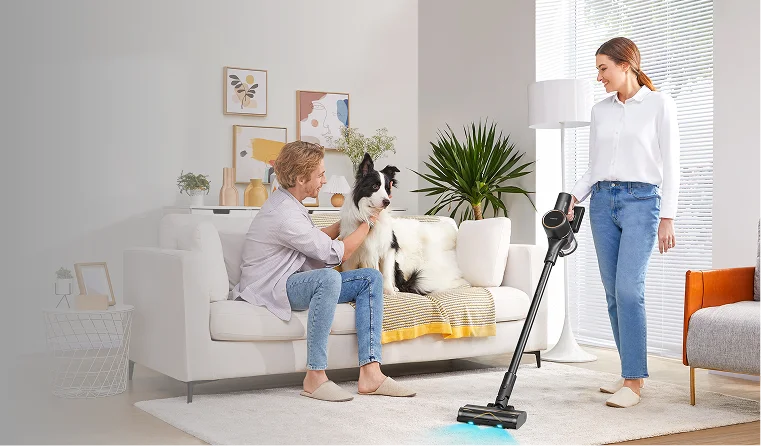
There's a reason shag rugs have never gone out of style. That thick, luxurious pile transforms a bare floor into something you actually want to sink your feet into. But here's the thing: shag rugs are notorious for trapping everything: crumbs, pet hair, dust, pollen, and whatever else your household kicks up on a daily basis.
And when you try to vacuum them the same way you'd vacuum any other floor, your vacuum gets stuck and the motor strains. You finish cleaning, but the room smells dustier than before.
If that sounds familiar, you're not doing anything wrong. You're just using the wrong technique (and possibly the wrong tool).
This guide explains how to vacuum shag rug fibers safely, why standard vacuums fail, and the step-by-step technique that keeps your rug fluffy without damaging it or overworking your vacuum.

Why Standard Vacuums Fail on High-Pile Rugs
Before we get into the how-to, it helps to understand why this is a problem in the first place.
- The Airflow Seal Problem: A vacuum works by pulling air and debris through the suction head, which requires some space for airflow. On a high-pile shag rug, long fibers collapse and block that space, creating a seal that cuts airflow almost completely. When this happens, the motor strains to maintain suction, which is why the vacuum sounds like it’s struggling, and in extreme cases, it can even overheat.
- The Brush Roll Danger: Most vacuums use a spinning brush roll to agitate low-pile carpet. On shag rugs, that same brush grabs the long yarn strands, wraps them around the roller, and can pull fibers loose. The result is frizzing, matting, and permanent texture damage after just a few passes.
- Material Matters Too: Shag rugs vary by material. Synthetic fibers like polyester or polypropylene build static, making dust cling more stubbornly. Natural fibers such as wool, cotton, or jute are more delicate and can be harmed by strong suction or moisture. Knowing your rug’s material helps you clean it safely.
Pre-Cleaning Prep: Don't Skip These Steps
Most people skip straight to vacuuming, but a little prep work makes a significant difference in the results you get.
Check the Manufacturer's Label
Flip your rug over and look for a care label before you do anything else. Rug cleaning codes tell you exactly what's safe to use on your specific rug:
- W — Safe for water-based cleaning
- S — Solvent-based cleaners only (no water)
- SW — Both water and solvent are fine
- X — Vacuum only; no liquid cleaning agents
If your rug is coded X or S, be especially careful about moisture and stick to dry vacuuming methods.

The Shake-Out Method
This step isn't optional if your rug hasn't been thoroughly cleaned in a while. Vacuuming over built-up debris just pushes it deeper.
How to Vacuum Shag Rug Safely (The 5-Step Technique)
Once your rug is prepped, here's the correct method for how to vacuum a shag carpet
without damaging the fibers or burning out your vacuum.
Step 1: Configure Your Suction and Height Settings
If your vacuum has adjustable height settings, raise the head to the highest setting before you even touch the rug. This prevents the head from sinking into the pile and creating that airflow-killing seal. At the same time, reduce suction power if your vacuum has that option. Counterintuitive as it feels, lower suction on a high-pile rug often produces better results because it doesn't pull the fibers into the intake.
If you're not sure whether to use the beater bar, default to turning it off for the first pass on the top of the rug. You can always turn it back on for the underside.
Step 2: The "Flip and Vibrate" Technique
This is the step most people don't know about, and it makes a bigger difference than anything else in this guide.
Flip your rug completely upside down on a hard floor. Now vacuum the back of the rug with the beater bar turned on. You're not trying to clean the backing; you're using the vibration of the beater bar to knock deep-set dust, dirt, and debris out from the base of the pile. That debris falls through the fibers and lands on the hard floor beneath the rug.
If you want to understand more about how a beater bar works and when to use it, this breakdown of beater bar mechanics is a helpful read.
Step 3: Clean the Floor Beneath
After vacuuming the underside, roll the rug up and move it aside. You’ll likely see a layer of dust on the floor; vacuum it before putting the rug back. Otherwise, you’re placing a freshly cleaned rug right onto dirt again.
Step 4: Vacuum the Top Side (Gently)
Now flip the rug back to its right side and vacuum the pile. For this pass:
- Use an upholstery attachment if you have one. The softer, wider head is gentler on the fibers and won't grab the pile
- If you're using a full vacuum head, make sure the beater bar is turned off or set to a gentle mode
- Move in the direction of the pile, not against it
- Make slow, deliberate passes rather than fast back-and-forth strokes
The goal here is to lift loose surface debris without pulling at the fibers. Deep cleaning happens via the flip method in Step 2, not this pass.
For homes dealing with both hard floors and rugs, Dreame's wet and dry vacuum collection offers the kind of versatility that makes switching between surfaces seamless.
Step 5: Rake to Restore Fluffiness
After vacuuming, the pile may look flat or show lines. Use a carpet rake with gentle strokes to lift the fibers and restore the fluffy look. It’s a small step that makes a big visual difference.
How to Vacuum Hair and Dust from a Shag Rug the Right Way
Shag rugs and pet hair are a genuinely terrible combination, and standard vacuums make it worse. Here's how to actually deal with the two biggest complaints people have about vacuuming high-pile rugs.
Managing Hair Tangles
Long pet hair and long rug fibers are physically similar, which means a standard brush roll can't tell the difference between them. It grabs both, wraps them together around the roller, and within a few passes, you've got a solid mass of tangled hair that brings the whole operation to a halt. In worst-case scenarios, this burns out the motor.
To vacuum a shag rug properly, you need either:
- A vacuum with a tangle-resistant brush system, or
- A brush roll that can be turned off for high-pile cleaning.
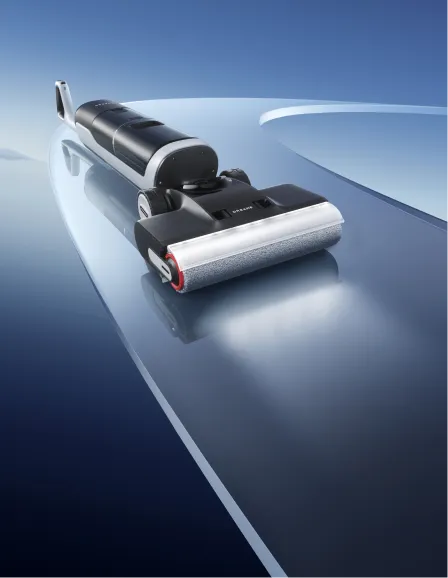
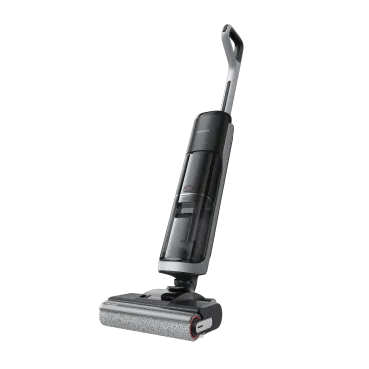
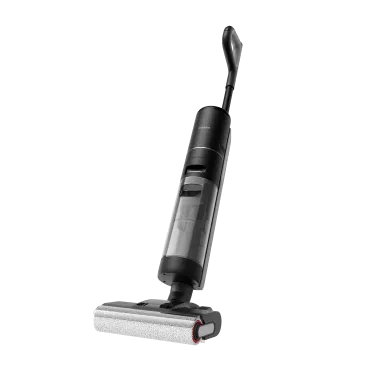
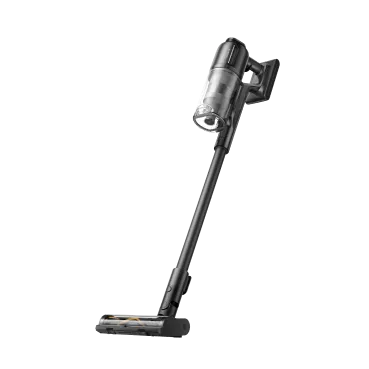
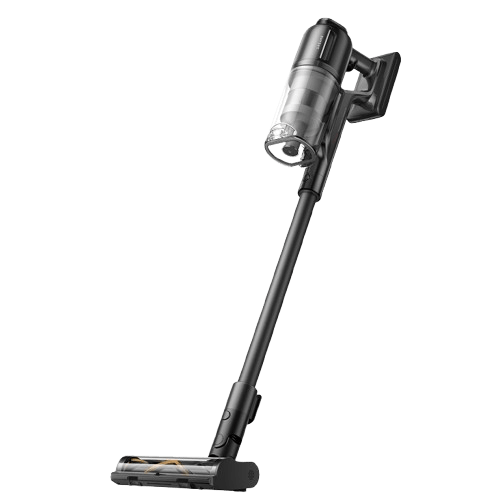
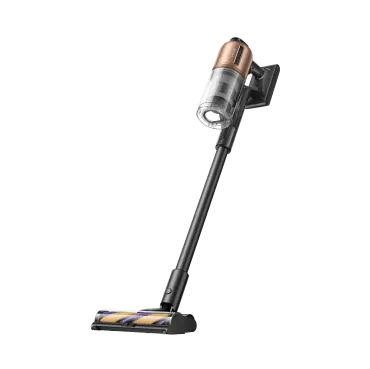
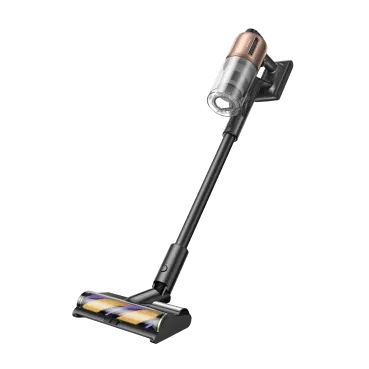
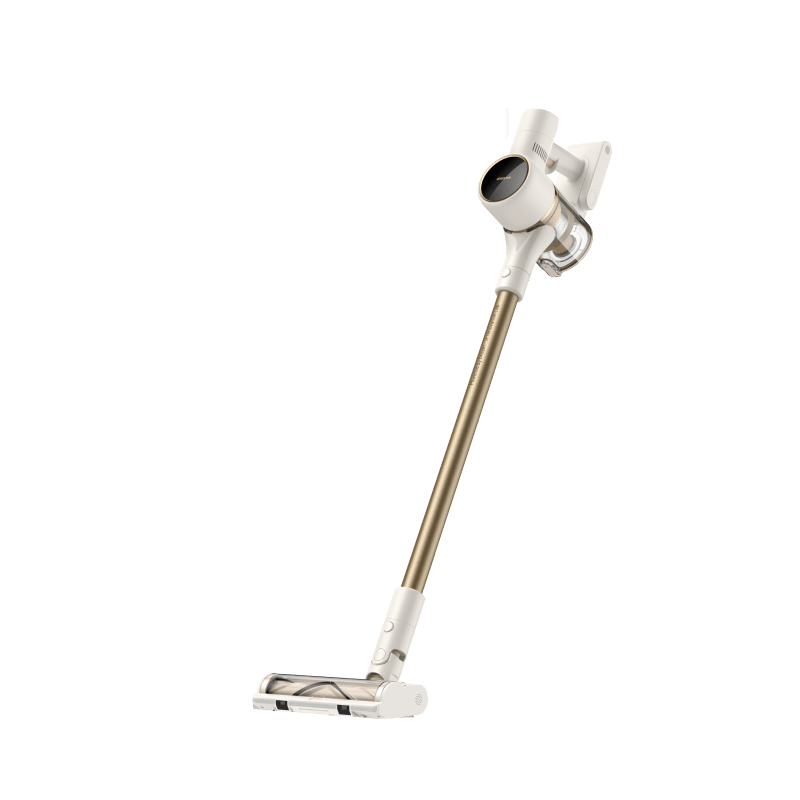
For homes with pets, the tool matters enormously. The Dreame H15 Pro CarpetFlex addresses this specifically. Its TangleCut™ 2.0 technology uses a resilient scraper to cut hair from the brush roll in real-time as you vacuum, so it never has a chance to accumulate into a jam. On a shag rug where long fibers and pet hair mix together constantly, that kind of active cutting is the difference between a vacuum that works and one that needs to be cleared every three minutes.
[product handle="h15-pro-carpetflex-wet-dry-vacuum" rating="5"]
Stopping the Dust Cloud
This is something people complain about in cleaning forums constantly: you vacuum the rug, and the room ends up looking dustier than when you started. What's happening is that the agitation of vacuuming kicks fine particulate matter up into the air, where it floats and eventually settles back down on every surface in the room.

When learning how to vacuum a shag rug properly, airflow and filtration matter just as much as suction power.
Look for:
-
Sealed filtration systems
-
HEPA filters (99.97% capture at 0.3 microns)
- Internal dust suppression or containment systems
Advanced vacuums use internal mist or dust-binding technology to trap fine particles inside the machine before they circulate back into the room. The Dreame H15 Pro uses MistLock™ technology, which addresses the problem at its source. Instead of spraying anything onto your delicate rug, the device sprays a fine mist internally as it vacuums, trapping the dust and turning it into wet waste inside the machine before it can float back into the air.
Combined with a HEPA filter that captures 99.97% of particles, this ensures you're not just cleaning your rug—you're actively cleaning the air you breathe. For anyone dealing with allergies or asthma, this industrial-grade particle suppression makes a massive difference, keeping your home fresh without risking moisture damage to your shag fibers.
FAQs
How often should I vacuum a high-pile rug?
For low-traffic rooms, vacuum every 1–2 weeks. Homes with pets or allergies may need light cleaning once or twice a week. For a more detailed routine, check out our comprehensive guide on how often you should vacuum.
Why does my shag rug smell after vacuuming?
A musty smell usually means dust was stirred up rather than removed, or debris remains trapped deep in the pile. Using the flip-and-vibrate method helps remove hidden dirt instead of redistributing it.
Can robot vacuums clean shag rugs?
Most standard robot vacuums struggle with thick shag because fibers tangle brushes and reduce airflow. Some advanced models handle medium pile, but dense shag typically needs manual cleaning.
Should I vacuum a shedding rug?
Yes, gently. New wool or natural fiber rugs shed loose strands at first. Light vacuuming helps remove excess fibers and shortens the shedding period. For comprehensive maintenance, explore our detailed tips for cleaning floor rugs.
What vacuum works on high-pile carpet?
Look for adjustable height, variable suction, anti-tangle brushes, and sealed filtration. To handle both carpets and hard floors seamlessly, explore our collection of wet/dry vacuum models.
Conclusion
Vacuuming a shag rug isn’t difficult; it just needs the right method. Lower the suction, raise the vacuum head, flip the rug to loosen deep dirt, clean underneath, and use tools that won’t tangle in long fibers.
The right technique prevents matting, while a vacuum with adjustable airflow, an anti-tangle design, and dust control makes cleaning far easier.
If your current vacuum struggles with thick rugs, consider the Dreame H15 Pro CarpetFlex, designed to handle high-pile surfaces more effectively while keeping your floors fluffy, clean, and fresh for longer.
