







 Robot Lawn Mowers















 Australia
 中国大陆
中国大陆 日本
日本


 Türkiye


 Italia
 Netherlands
 Belgium
 Greece
 Polska
 Norway
 Sweden
 Finland
 Denmark
 Hungary
 Czechia
 Slovenia
 Croatia
 Switzerland
 United
Kingdom
United
Kingdom
 Canada

 Colombia


There's a particular kind of frustration that comes with mopping. You fill the bucket, wring out the mop, push gray water across the floor, and somehow end up with a surface that looks streakier than when you started. Then there's the storage problem: a damp mop head sitting in a corner, collecting bacteria between uses. And if you have a bad back, the whole ordeal becomes something you genuinely dread.
Thankfully, you don't need a mop to keep your floors clean. Whether you're working around a back injury, living in a small apartment without storage space, or simply looking for a more hygienic routine, there are practical methods that get the job done just as well, or even better.
This guide covers seven of them, from simple DIY techniques using things you already own, to smarter tools that take most of the effort out of the equation entirely.

Manual Techniques to Clean Floors Without a Mop
The methods mentioned below work well for most hard floor surfaces and require little to no special equipment. They're particularly useful for targeted cleaning, quick sessions, or situations where you simply don't have access to a mop.
1. Glide a Damp Towel with a Broom
Wrap a damp microfiber towel around the head of a broom and secure it with clips or rubber bands. Lightly mist the towel with a cleaning solution, then sweep across the floor.
Benefits
- Lets you clean while standing upright
- Covers large areas quickly
- Uses minimal water, reducing streaks
- Works well on tile, laminate, and vinyl
This method mimics a flat mop but avoids the bucket and heavy wringing.
2. Spray and Wipe for Targeted Cleaning
Fill a spray bottle with a floor-safe cleaner. Spray a small area and wipe immediately using a microfiber cloth or reusable pad.
Benefits
- Ideal for sticky spots or spills
- Prevents excess moisture on sensitive floors
- Reduces water waste
- Gives better control over problem areas
This approach works especially well for kitchens and entryways where dirt accumulates in patches rather than evenly.
3. Scrub on Hands and Knees for Precision
Sometimes the simplest method is still the most thorough. Using a soft brush or cloth, scrub the floor manually while inspecting problem spots closely.
Benefits
- Deepest level of control over dirt and stains
- Allows close inspection of grout lines and corners
- Useful for neglected or heavily soiled floors
It’s time-consuming and labor-intensive, but for bathrooms or high-traffic areas, it’s often the most effective manual solution.
4. Use a Squeegee for Fast Drying

After spraying the floor lightly, use a floor squeegee to pull moisture toward a towel, drain, or absorbent mat.
Benefits
- Prevents slippery residue
- Leaves floors streak-free
- Speeds up drying time
- Useful for tile and stone surfaces
This technique is commonly used in commercial spaces because it keeps floors hygienic without oversaturating them.
5. Use Disposable Wipes for Quick Messes
Pre-moistened floor wipes are a convenient solution for small spills or daily touch-ups.
Benefits
- No setup required
- Hygienic, single-use option
- Great for pet accidents or food spills
- Easy to store
While not ideal for large spaces, wipes are perfect for maintaining cleanliness between deeper cleans.
Use Smart Technology to Clean Floors Without a Mop
Manual methods work, but they still demand time and physical effort. For larger homes, mobility concerns, or consistently better hygiene, smart cleaning technology offers a more efficient solution.
6. Wash with a Wet/Dry Vacuum for Fresh Water Hygiene
A wet and dry vacuum — sometimes called a wet dry vac or wet dry vacuum cleaner — solves one of the biggest hygiene problems with traditional mopping: dirty water.
When you mop, bucket water gets dirtier with every pass, often spreading diluted grime across areas you’ve already cleaned. A wet dry vacuum separates the process. It removes dry debris first, then dispenses clean water from a fresh tank while suctioning dirty water into a separate compartment. The two never mix.
This means the water touching your floor is always clean, which is something traditional mopping can’t guarantee. For homes with children or pets, or for anyone who values real cleanliness, that difference matters. These machines also handle dry messes and wet spills in one pass, eliminating the need to switch tools mid-clean.
Benefits
- Uses fresh water continuously
- Removes liquid spills instantly
- Cuts cleaning time dramatically
- Leaves floors nearly dry
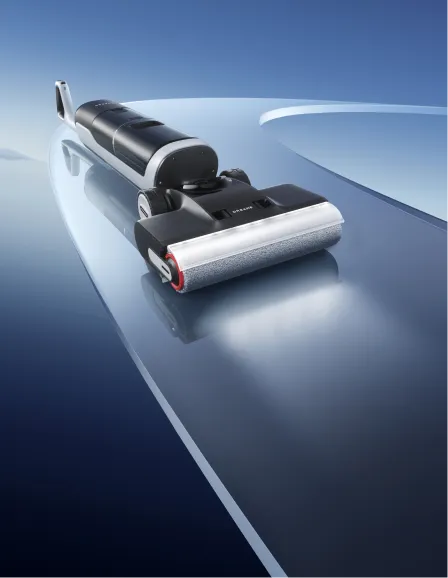
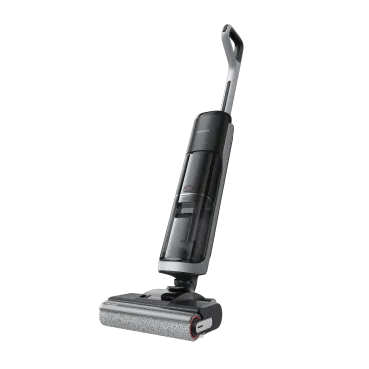
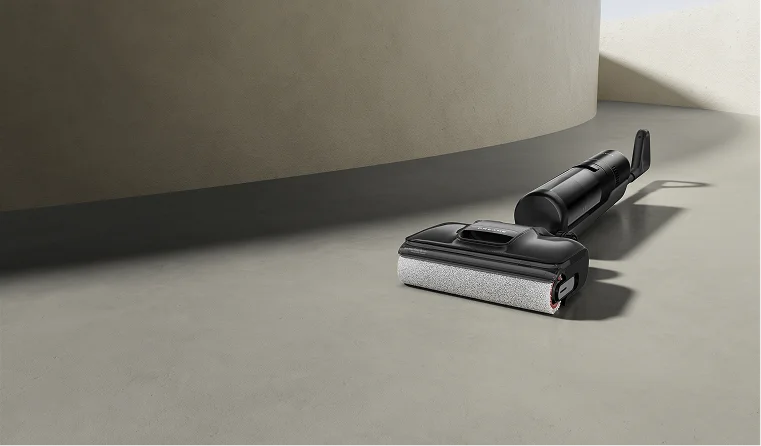
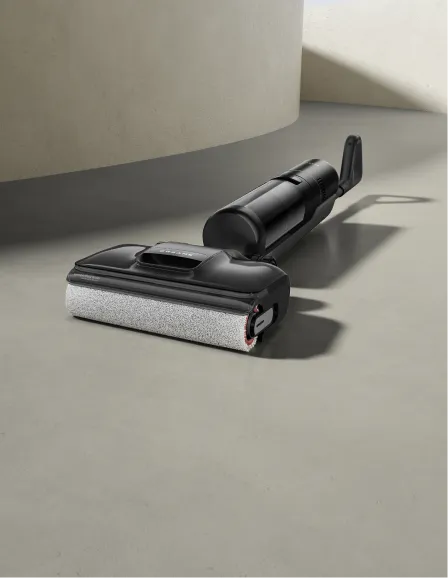
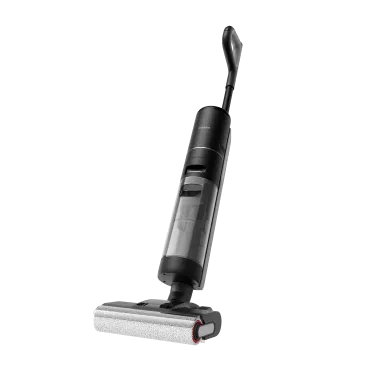
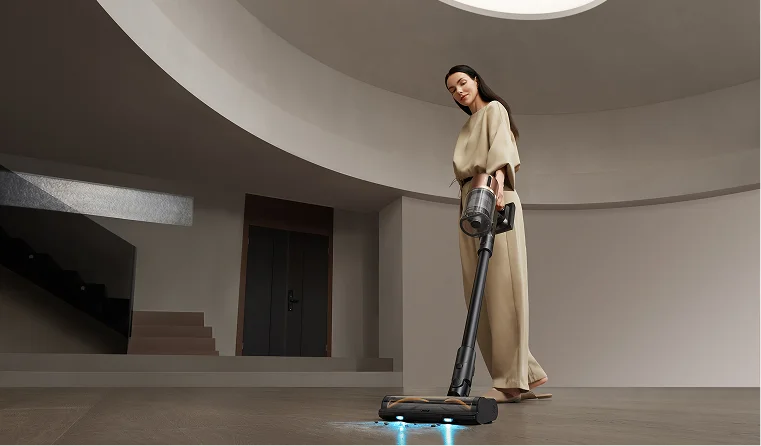
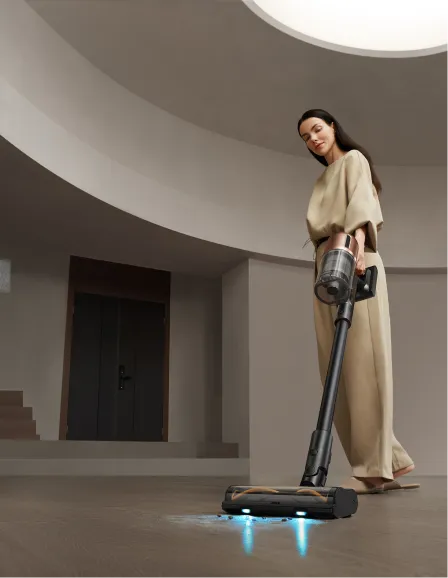
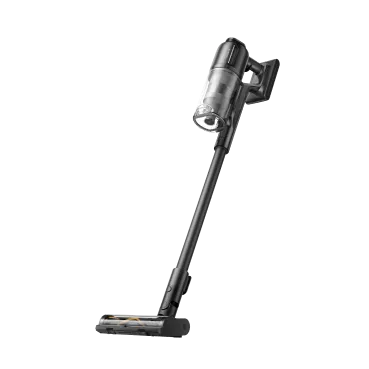
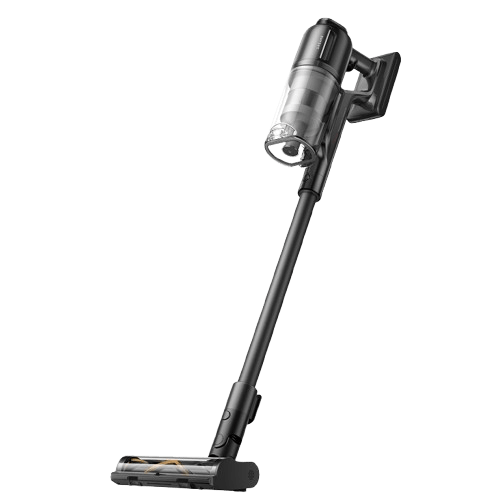
The Dreame Aero Pro shows what this technology can do. It vacuums and washes simultaneously, keeps clean and dirty water separate, and uses a self-cleaning system to maintain the roller brush, addressing the hygiene limits of conventional mopping at its source.
[product handle="aero-pro-wet-dry-vacuum" rating="4.5"]7. Delegate to a Robot Vacuum for Zero Effort
If your goal is minimal physical effort, a robot vacuum is the most complete solution here.
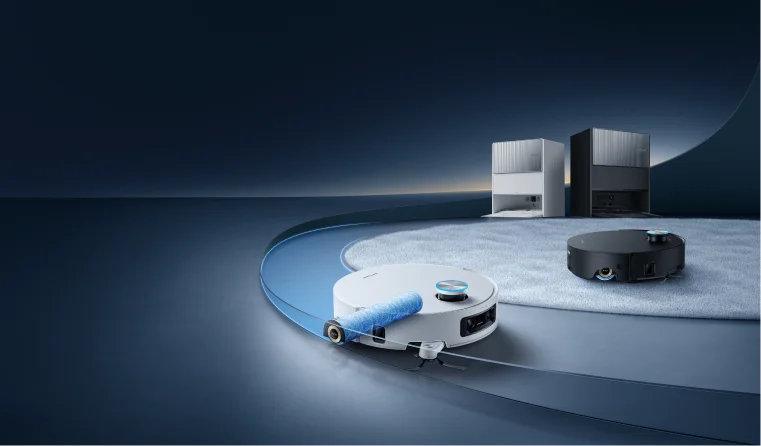
Modern robot vacuums now use laser mapping to navigate accurately, detect surfaces, avoid obstacles, and return to their dock to empty dustbins, refill water, and clean mop pads automatically.
For people with back pain, mobility limits, or busy schedules, this is a complete practical solution. Daily automated cleaning prevents dust and grit from building up, while controlled water use avoids damaging sensitive floors.
Benefits
- Hands-free daily cleaning
- Maintains floors before grime builds up
- Ideal for busy households
- Reduces need for manual scrubbing
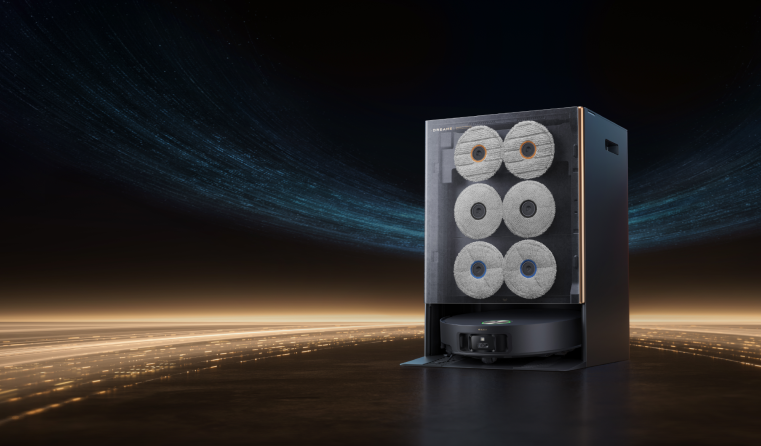
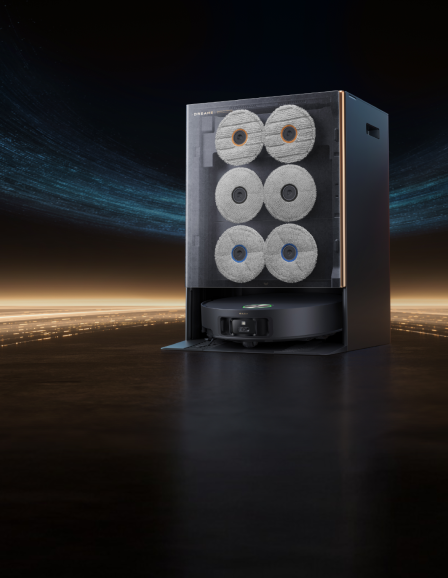
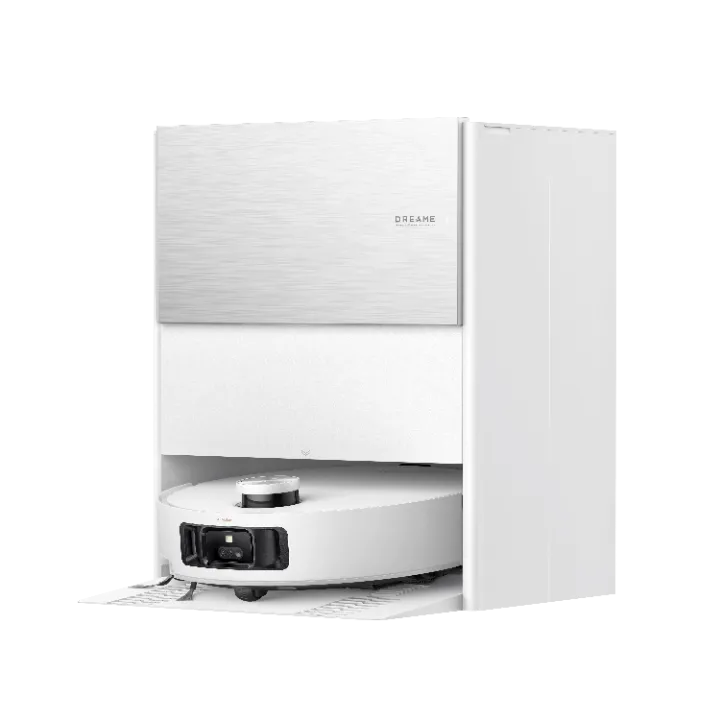
Advanced models like the X60 Max Ultra demonstrate how automated cleaning can replace traditional mopping entirely. It includes AI obstacle avoidance, a self-cleaning base station, automatic pad lifting for carpets, and detailed home mapping with zone control through its app, making whole-home maintenance largely hands-off.
[product handle="x60-max-ultra-complete-robot-vacuum" rating="4.7"]No-Mop Cleaning Tips for Specific Areas
How to Clean Bathroom Floor Without Mop
Bathrooms are tricky to clean: tight spaces, textured tiles, and fixtures that block access make mops impractical. In many cases, a mop simply isn’t the right tool.
The hand-and-knee method offers the precision needed to scrub around the toilet base, behind doors, and into grout lines where moisture and soap build up. Use a small scrub brush with a suitable cleaner, work in sections, and dry with a towel as you go to avoid residue.
The squeegee method works well for maintenance, especially if shower water regularly reaches the floor. A quick pass after bathing removes standing moisture and keeps grime from settling into grout.
Benefits
- Reaches corners and grout more effectively than a mop
- Prevents moisture buildup and mildew growth
- Reduces the need for frequent deep scrubbing
For a more detailed breakdown of bathroom floor care, the guide on how to clean bathroom floors covers surface-specific techniques in more depth.
How to Clean Hardwood and Laminate Without Mop
Water is the main risk for hardwood and laminate floors. Traditional mopping often leaves more moisture than these materials can tolerate, leading to swelling, warping, or finish damage over time.
The safest manual method is spray-and-wipe. Lightly mist a small section, wipe immediately with a dry or barely damp microfiber cloth, and move on. Never allow liquid to pool.
A robot cleaner with controlled moisture output is also well suited to these floors because it uses far less water than a traditional mop.
Benefits
- Protects seams and finish from water damage
- Prevents warping and surface dullness
- Maintains appearance with minimal moisture exposure
For more guidance on hardwood-specific care, the how to clean hardwood floors guide covers what to use, what to avoid, and how to address common issues like sticky floors.
Tips for Maintaining Floors Between Deep Cleans
Reducing how often you need to perform an intensive wet clean starts with limiting what reaches the floor in the first place.
- Stop Dirt at the Door: Place high-quality mats at every entrance and enforce a "no shoes indoors" rule. This simple step helps prevent dirt and debris from being tracked in, extending the life of your flooring finishes.
- Dry Sweep Daily: Vacuum frequently, especially in high-traffic areas, so abrasive grit doesn’t scratch your finishes or settle into your grout. Regular sweeping drastically reduces how often you need to deep clean and makes routine maintenance faster and easier.
- Tackle Spills Fast: Wipe up messes immediately. Fresh spills lift easily with a paper towel, while dried, sticky ones require serious scrubbing. Promptly addressing spills helps maintain your flooring's appearance and prevents long-term damage.

Conclusion
You don’t need a mop or a bucket of murky water to maintain clean, hygienic floors. Simple manual tricks like towel-broom cleaning or spray-and-wipe methods work in a pinch. For long-term convenience and hygiene, modern tools such as a wet and dry vacuum, or a robot vacuum and mop offer a more efficient solution.
The best approach depends on your time, physical comfort, and cleaning standards, but every option above proves that ditching the mop is entirely possible.
FAQs
How to clean a dirty floor without mop?
Start by vacuuming debris, then use a spray cleaner and microfiber cloth or a wet-and-dry vacuum to remove grime without spreading dirty water.
How to keep floors clean without mopping?
Vacuum daily, wipe spills immediately, and use automated cleaning tools to prevent dirt from accumulating.
What can you use instead of a mop for floors?
Microfiber cloths, towels on a broom, disposable wipes, squeegees, wet-dry vacuums, or robot cleaners all work effectively.
How to clean the floor by hand?
Use a microfiber cloth, warm cleaning solution, and gentle scrubbing motions. Work in small sections and dry immediately to avoid streaks.
