










 Robot Lawn Mowers















 Smart Door Lock


 Australia
 中国大陆
中国大陆 日本
日本


 Türkiye


 Italia
 Netherlands
 Belgium
 Greece
 Polska
 Norway
 Sweden
 Finland
 Denmark
 Hungary
 Czechia
 Slovenia
 Croatia
 Switzerland
 United
Kingdom
United
Kingdom
 Canada

 Colombia


In this article
Luxury vinyl plank (LVP) flooring requires different cleaning methods than hardwood or laminate. Using the wrong approach can damage the wear layer or cause the seams between the planks to warp. This guide explains effective cleaning methods and the appropriate tools for maintaining LVP flooring, helping to prevent moisture damage at the seams that could void most manufacturer warranties.

Quick reference: The 5-step LVP cleaning method
- Vacuum or sweep daily with a soft-roller brush.
- Mix a mild pH-neutral cleaner with warm water.
- Mop with a microfiber pad, damp not wet.
- Dry the floor immediately with a clean cloth.
- Avoid steam, wax, ammonia, and pooled water.
What Is LVP / Vinyl Plank Flooring?
LVP, or luxury vinyl plank, is a multi-layer flooring product designed to look like hardwood but has the cleaning characteristics of vinyl. Each plank consists of a printed wood-grain layer on top, a tough wear layer for protection, and a vinyl core underneath. Luxury vinyl tile (LVT) has the same construction but comes in tile shapes, often designed to resemble stone. Sheet vinyl is an older type of flooring that comes in roll form, commonly seen in older kitchens.
All three types (LVP, LVT, and sheet vinyl) clean in similar ways. However, LVP is distinct due to the seams between the planks. If water collects at these seams, it can seep between the planks, causing the core to swell and the surface to lift over time. That's why the cleaning methods outlined below focus on controlling moisture at the seams. If you also have mixed flooring in your home, you can refer to our guide on how to clean laminate floors, which covers a similar plank-based product that has different moisture tolerances.
How to Clean Vinyl Plank Flooring: The 5-Step Method
The right method for cleaning vinyl plank flooring keeps moisture at the surface and away from seam joints. Here's the step-by-step to clean vinyl plank flooring without risking the seams.
Step 1: Sweep or vacuum
To clean, use a soft-roller brush head, a microfiber dust mop, or a cordless stick vacuum with a hard-floor setting. Avoid using beater-bar vacuums on LVP, as they can scrape the surface and push debris into the seams.
Step 2: Mix your cleaner
Use a pH-neutral floor cleaner diluted with warm water, but never with hot water. Warm water helps lift dirt without warping the planks or damaging the adhesive layer underneath.
If you don't have a specific LVP cleaner, adding a few drops of dish soap to a gallon of warm water can work for routine cleaning. Avoid using vinegar, ammonia, bleach, oil soaps, or any polish-and-shine products, as these can damage the wear layer or leave behind a residue that is difficult to remove.
Step 3: Mop with a damp microfiber pad
Spray the cleaner onto the microfiber pad rather than directly onto the floor. This pad-spray technique is crucial for safely mopping vinyl plank flooring. Pooled liquid at the seams is the leading cause of damage for LVP. Microfiber pads retain enough moisture to lift dirt without soaking the surface. String mops and traditional sponge mops hold too much water, which can seep into the seams.
When mopping, always move in the direction of the planks instead of across them. Mopping against the grain can force moisture into the seam joints. Working along the planks keeps moisture at the surface where you can wipe it up.
Step 4: Dry immediately
Drying right after mopping is non-negotiable on LVP. Even with proper moisture control, residual water on the surface seeps into seams over the next few minutes. A clean dry microfiber cloth across the freshly mopped floor takes 30 seconds and prevents the slow swelling damage that shows up months later. The same approach works whether you're cleaning luxury vinyl plank in a kitchen or in a heavy-traffic entryway.
Step 5: Spot-treat sticky areas
For sticky spills or food residue, place a damp microfiber cloth over the affected area for 30 seconds to soften it before wiping. Avoid scrubbing aggressively. Instead, use a light circular motion with a soft cloth to lift most stuck-on grime without damaging the wear layer. This technique is effective for cleaning vinyl plank floors of any thickness, whether you are maintaining luxury vinyl plank flooring in a high-end installation or budget LVP in a rental property.
How to Choose a Cleaner for LVP Flooring
You don't need a fancy LVP-specific product. You need the right kind of product. Five criteria narrow your options when you're looking at an LVP floor cleaner on the shelf.
1. pH-neutral, not alkaline or acidic. The wear layer on LVP is durable but reacts to pH extremes. Acidic cleaners (vinegar-based, citrus-based, or labeled "for grease") slowly etch the protective coating. Strong alkaline cleaners (ammonia-based, "heavy-duty" degreasers) break down the wear layer the same way. Anything labeled pH-neutral is safe.
2. No wax, polish, or shine restorer. LVP comes with a factory wear layer that doesn't need waxing. Wax buildup creates a haze that's nearly impossible to remove without aggressive chemical stripping, which then damages the wear layer. If your LVP looks dull, it needs better cleaning, not polishing.
3. No ammonia or bleach. Both strip the protective layer over time. Even diluted solutions cause cumulative damage that shows up as discoloration and brittleness at high-traffic areas.
4. Vinegar may not be the best cleaning solution. While diluted white vinegar (one cup per gallon of water) is mild enough for occasional use and can effectively remove grease or soap residue, its acidity can etch the wear layer if used regularly, just like other acidic cleaners. It's best to treat vinegar as an occasional spot cleaner rather than a daily mopping solution.
5. Warm water plus a few drops of dish soap. For routine cleaning, mix a gallon of warm water with three or four drops of clear, fragrance-free dish soap. The surfactant in dish soap lifts dirt without leaving residue, and the pH stays neutral. No vinegar needed. Wipe with a damp microfiber pad and dry immediately.
What to skip entirely: Mop and shine products, oil-based wood cleaners, steam-based cleaners, bleach solutions, pine-based cleaners, and carpet cleaners (different chemistry, leaves residue).
Most cleaners marketed as the best cleaner for vinyl plank flooring are pH-neutral surfactant solutions that work no better than diluted dish soap. If you prefer the convenience of a ready-mixed spray, look for the pH-neutral label and skip anything promising added shine.
Best Mops for Vinyl Plank Flooring
The best mops for LVP comes down to how well it controls moisture. It should keep water at the surface where you can wipe it up, not in the seam joints where it causes damage. Here are four common types of mop for vinyl plank flooring.
Microfiber spray mop
The traditional gold standard for LVP. A microfiber pad holds enough water to lift dirt without saturation. The reservoir sprays cleaner onto the pad or floor in controlled bursts, so you decide how much moisture hits the surface.
Best for casual cleaners on a budget. You still have to manually wring or replace the pad as it gets dirty, and the cleaning happens in two motions (wet pickup, then dry pass).
Wet/dry vacuum mop
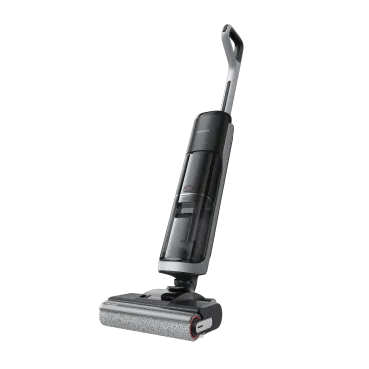
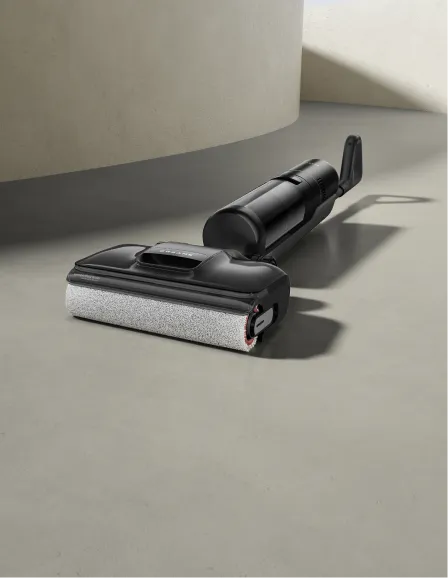
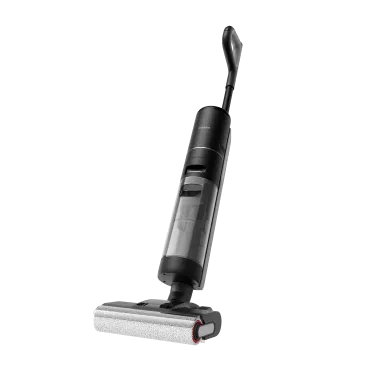
The modern solution for luxury vinyl plank (LVP) flooring is a wet/dry vacuum mop that dispenses controlled amounts of water through a rotating brush head and immediately suctions the dirty water back up. This design prevents water from pooling at the seams, as the suction follows the water in real time. Additionally, the dock automatically washes and dries the brush head between uses, so you won't have to handle dirty water manually.
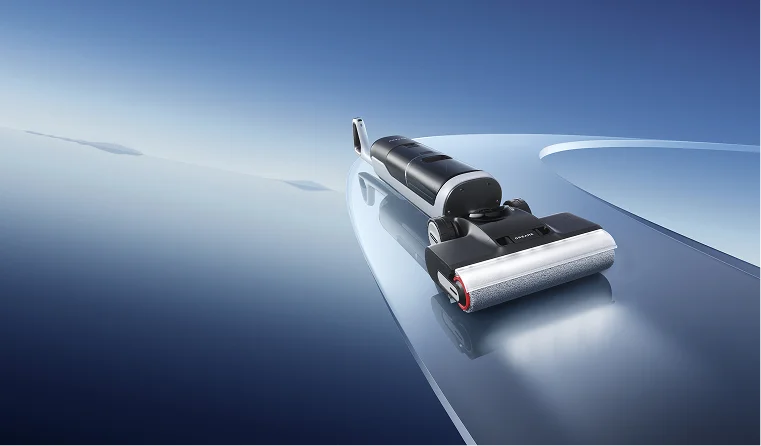
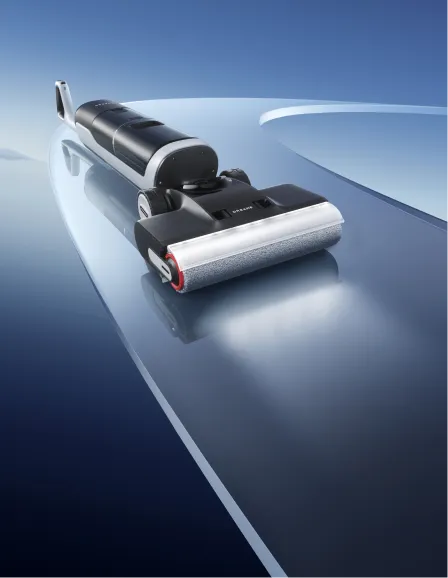
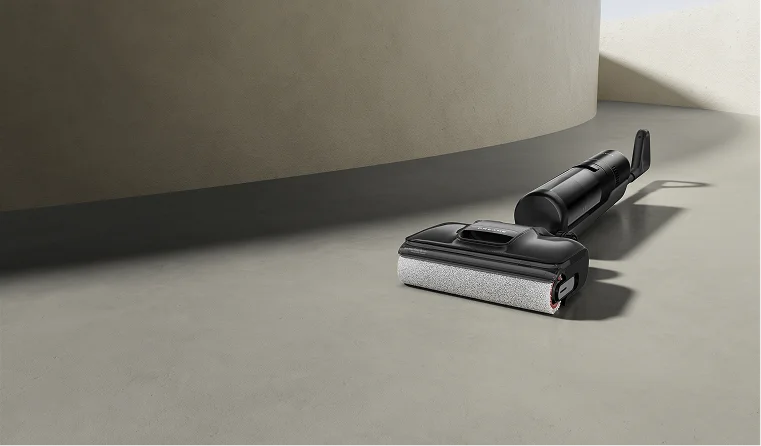
The Dreame H15 Pro Heat is a leader in this category for LVP-specific cleaning. Its controlled water dispensing helps prevent moisture damage that can compromise LVP installations. The unit uses hot water at 185°F (85°C) to dissolve stubborn messes, and its 180° lie-flat design allows it to reach under low furniture without losing suction. This versatile device can also pick up dry debris, eliminating the need to switch between a vacuum and a mop for daily cleaning.
[product handle="h15-pro-heat-wet-dry-vacuum" rating="4.7"]
For a higher-end option, the latest Dreame model, Aero Pro, brings the same controlled-water cleaning approach in a slimmer, lighter body. It delivers 25,000 Pa of suction in a 3.88in (9.9cm) slim profile, and the 180° lie-flat reach gets the head flat under low furniture where bulkier mops can't follow. The controlled water dispensing keeps moisture off LVP seams the same way the H15 Pro Heat does, and TangleCut™ 2.0 keeps hair from wrapping the roller.
Which mops to avoid
Steam mop
Heat plus moisture warps planks, lifts the adhesive layer, and voids most flooring manufacturer warranties. The Steam Mop section below covers why in more detail.
Spin mop or string mop
Both carry too much water for safe use on vinyl plank, and the mop heads push water into the seams. They work fine on sealed hardwood or tile but cause the slow swelling damage that LVP is vulnerable to.
| Mop | Is it safe for LVP? | Moisture control | Effort |
| Microfiber spray mop | Safe with care | Manual control | Medium (wring/replace pad) |
| Wet/dry vacuum mop | Safest option | Automatic suction | Low (self-cleaning dock) |
| Steam mop | Not safe | Excessive moisture | Avoid entirely |
| Spin/string mop | Risky | Poor, over-saturates | Medium |
For more options at different price points, browse Dreame's wet and dry vacuums collection or the wet and dry vacuum for hardwood floors category.
Best Vacuums for Vinyl Plank Flooring
The biggest challenge that a vacuum poses to LVP is the brush roll. Beater-bar brushes designed for carpet can scuff the wear layer on vinyl plank, especially on cheaper LVP with thinner protective coatings. The best vacuum for vinyl plank flooring uses a soft-roller brush head or has a hard-floor mode that lifts the beater bar off the surface.
Best Cordless Stick Vacuums for LVP
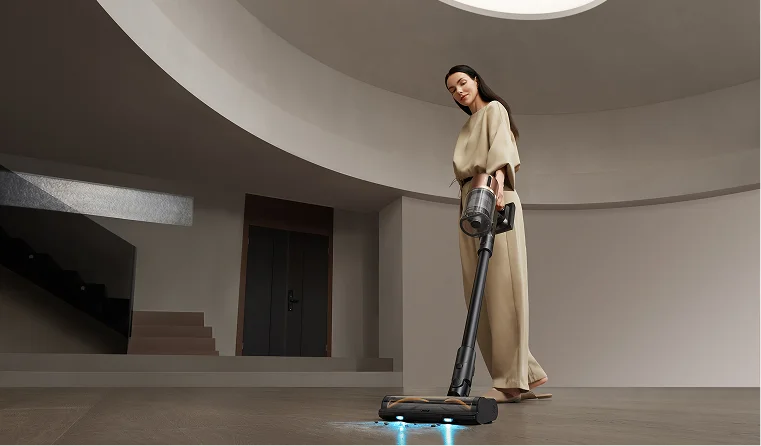
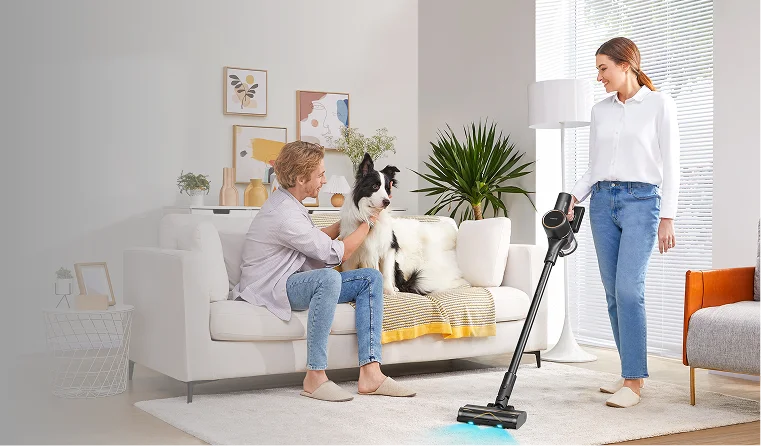
Cordless stick vacuums are the workhorse for daily LVP maintenance. They're light, fast to deploy for quick cleanups, and easy to reach into corners and along baseboards where most LVP installations accumulate dust.
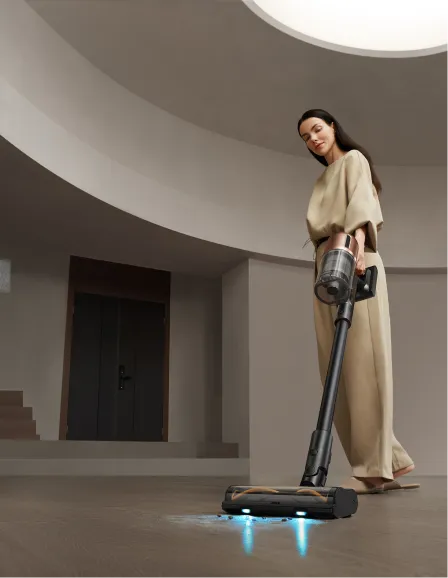
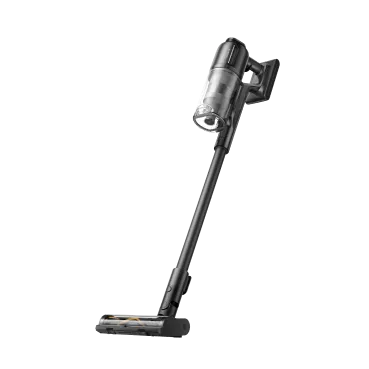
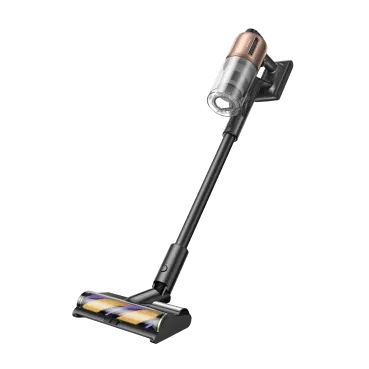
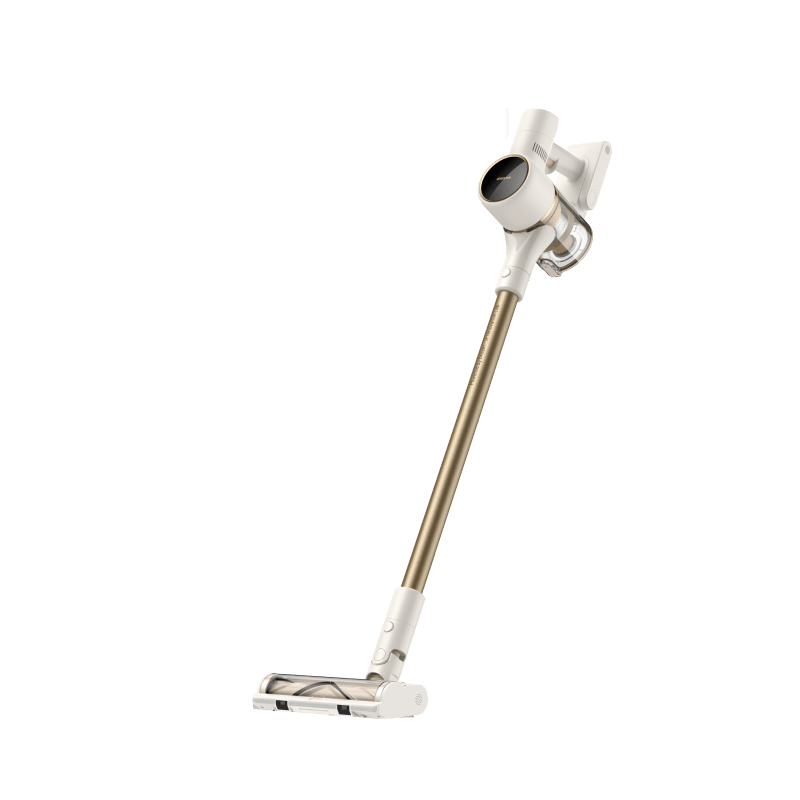
The Dreame Z30 sits at the flagship end of the cordless lineup with 310AW of suction, a 150,000 RPM TurboMotor™, a 90-minute runtime, and HEPA H14 filtration for households with allergies. The CelesTect™ blue light dust detection illuminates fine dust that's invisible under regular lighting, which matters on LVP because grit you can't see is the same grit dulling the wear layer.
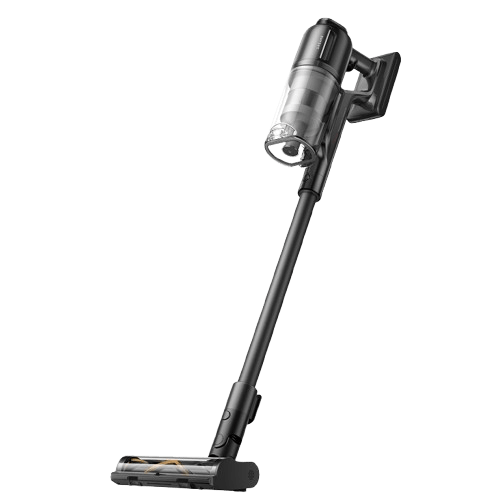
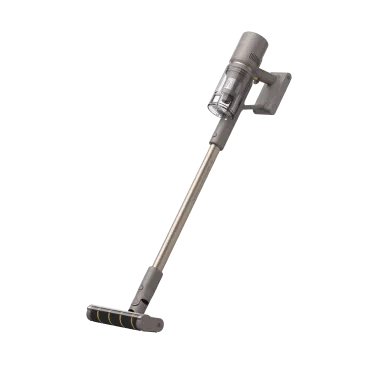
The Dreame Z20 covers the mid-level with 250AW of suction and an auto-empty station option, so you're not hand-emptying a dust cup after every cleaning session. It's a serious cordless without flagship pricing.
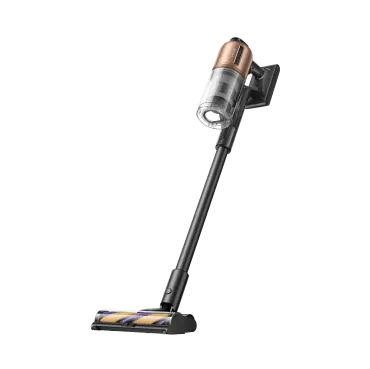
The Dreame R10 is a budget-friendly option with anti-tangle technology that keeps hair from wrapping around the brush roll.
Browse the Dreame collection of cordless stick vacuums to compare features across the range.
Best Wet/Dry Vacuums for LVP
Wet/dry vacuums combine the dry-pickup function of a stick vacuum with controlled-water mopping in a single pass. For LVP specifically, this matters because daily cleaning becomes a one-step process instead of vacuum-then-mop.
The Dreame H15 Pro Heat is the primary recommendation here for the same reason it leads the mop section: controlled water dispensing keeps moisture off the seams. The Aero Pro is the higher-end alternative, combining the same controlled-water cleaning with 25,000 Pa of suction in a sleeker, lie-flat design.
| Vacuum Type | LVP Safety | Wet Cleaning | Best Use |
| Cordless stick (soft-roller) | Safe | Dry only | Daily dust and debris |
| Cordless stick (beater bar) | Risky on cheap LVP | Dry only | Not for LVP |
| Wet/dry vacuum mop | Safest with wet+dry | Yes, controlled | Daily and deeper cleans |
| Upright traditional | Often risky | Dry only | Not for LVP |
If you already own a cordless stick vacuum with a soft-roller mode, you're set for daily dry pickup. If you want one tool for both daily debris and weekly mopping, a wet/dry vacuum like the H15 Pro Heat consolidates two appliances into one.
Best Robot Vacuums for Vinyl Plank Flooring
The best robot vacuum for LVP keeps moisture controlled on the mopping function, uses hard-floor-safe brushes for the vacuuming function, and navigates threshold transitions common in LVP installations without getting stuck.
Premium
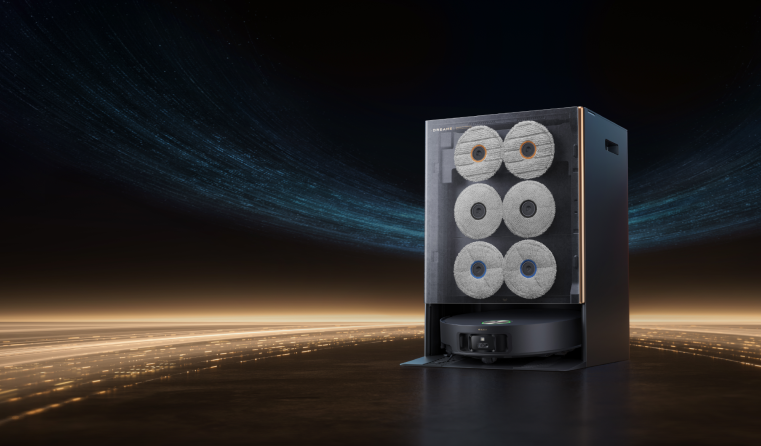
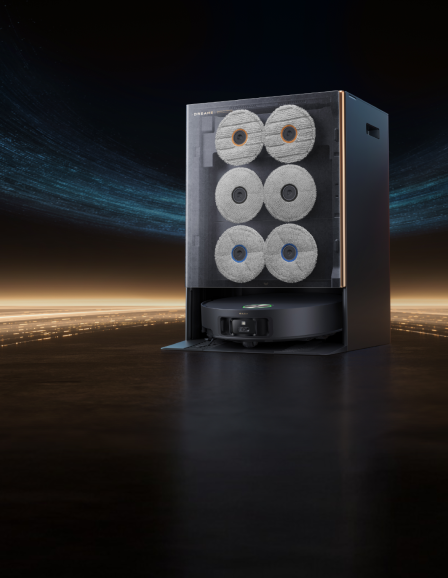
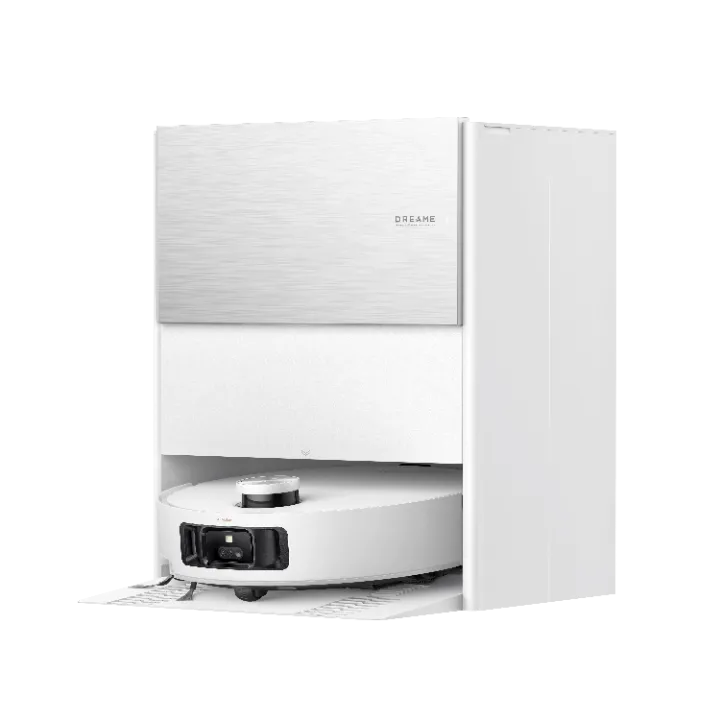
The Dreame X60 Ultra leads the lineup for LVP with 35,000 Pa Vormax™ suction and can climb up to 3.47in (8.8cm) to cross thresholds and obstacles without getting stuck. This matters in LVP installations where transitions between rooms often have raised metal strips or thresholds taller than most robot vacuums can climb.
The OmniSight dual AI cameras system identifies 280+ object types and routes around them in real time. The 212°F (100°C) mop self-cleaning at the dock keeps the pads sanitized between cleans without the seam-soaking risk of running hot water across the floor itself.
[product handle="x60-ultra-robot-vacuum" rating="5"]
Best value
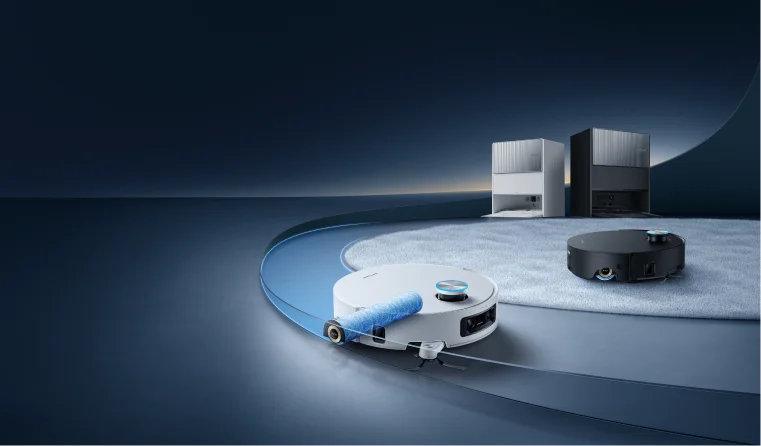
For daily LVP upkeep, the Dreame L40 Ultra Gen 2 handles both vacuuming and mopping with 25,000 Pa of suction. Its 0.41in mop lift keeps the pads off rugs and area carpets that sit on LVP, and the extendable side brush and mop reach into corners and along baseboards where dust collects.
Pet and LVP
If you have shedding pets on LVP, the Dreame L60 Pro Ultra is built for the daily challenge. Its DuoBrush system handles hair up to 11.81in (30cm) with zero tangles, so you're not stopping mid-clean to cut hair out of the brush roll. The 35,000 Pa Vormax™ suction pulls embedded pet dander off LVP and out of low-pile rugs.
ProLeap™ Robotic Legs clear 3.47in (8.8cm) thresholds and the 104°F (40°C) hot-water mopping ensures up to 99% bacteria reduction during daily passes (per SGS-CSTC laboratory testing), useful for pet zones near feeding bowls. The 220-minute runtime covers up to 2,200 ft² (205 m²) on a single charge, enough for most multi-room LVP homes in one session.
Budget
The Dreame D10 Plus Gen 2 covers daily debris pickup and basic mopping with 6,000 Pa of suction and a floating brush that adjusts across hard floors. The suction is lower than flagship models, but for LVP with regular maintenance, daily light vacuuming matters more than peak suction power.
Summary table of best robot vacuums for vinyl plank flooring
| Model | Suitable For | Suction | Standout Feature |
| X60 Ultra | Premium daily LVP | 35,000 Pa | Climbs up to 3.47in (8.8cm) to cross thresholds and obstacles |
| L40 Ultra Gen 2 | Best value | 25,000 Pa | RGB AI + structured-light navigation |
| L60 Pro Ultra | Pet and LVP households | 35,000 Pa | HyperStream™ DuoBrush, 0 tangles up to 30cm |
| D10 Plus Gen 2 | Budget LVP | Entry-level | Daily debris pickup |
Browse the full range of Dreame robot vacuums or the robot vacuum for hardwood floors collection, which covers the same hard-surface category LVP falls into. For mixed-flooring homes with rugs and carpet zones, the guide on how robot vacuums clean carpets covers specifics on the carpet-to-LVP transition.
Can You Use a Steam Mop on Vinyl Plank Flooring?
No. Steam mops damage LVP in two ways. Heat warps the adhesive layer that bonds the wear layer to the vinyl core. The moisture from steam pools at seam joints faster than you can wipe it up. The damage shows up as lifted edges, separated planks, and visible warping at high-traffic spots.
Some waterproof LVP products advertise steam-mop tolerance, but the claim usually hides that it's meant to be used briefly and at low-temperature settings only. Even when the wear layer survives, the adhesive layer underneath softens with repeated heat exposure. By the time the warping becomes visible, the damage is permanent.
If you want sanitization without the steam-mop risk, a wet/dry vacuum mop covers the same goal differently. The Dreame H15 Pro Heat dispenses cleaning solution at a controlled rate and immediately suctions it back, so moisture doesn't pool at seams. It cleans deeply without the heat that breaks down LVP construction.
Can You Mop / Wax / Polish Vinyl Plank Flooring?
Here are the answers to some of the most common care questions about LVP that come up.
Can you mop vinyl plank flooring?
Yes, but only with controlled moisture. The 5-step method earlier in this guide covers the safe approach: damp microfiber pad, never excess water, and immediate drying. Skip string mops, sponge mops, and any technique that leaves water sitting on the floor.
Can you wax vinyl plank flooring?
No. LVP comes with a factory wear layer that handles daily wear without needing wax. Wax products create a haze that's nearly impossible to remove without chemical stripping, and the stripping process damages the wear layer underneath. If your LVP looks dull, it usually needs better cleaning, not polishing.
Can you polish vinyl plank flooring?
No. Same reasoning as wax. Polish builds up on the surface and dulls the printed wood-grain finish over time. The dullness most people see on older LVP is usually residue from cleaning products, not a worn surface. Try a deep clean with the right pH-neutral product before assuming the floor needs restoration.
Can you vacuum vinyl plank flooring?
Yes, but use a soft-roller brush head or hard-floor mode. Beater-bar brushes can scuff the wear layer, especially on cheaper LVP. Daily vacuuming is one of the most important habits for keeping LVP looking new because grit acts like fine sandpaper under shoes.
Vinyl Plank Flooring Maintenance Schedule
A consistent maintenance schedule can extend your LVP lifespan more than any single product or technique.
Daily
- Vacuum or sweep entryways and high-traffic areas using a soft-roller brush
- Wipe up spills immediately, especially water, juice, or anything sugary
- Use doormats at all entrances to catch grit before it reaches the LVP
Weekly
- Damp mop the full floor with a pH-neutral cleaner and microfiber pad
- Spot-clean any sticky areas with the soft-cloth dwell technique from Step 5
- Check baseboards for moisture trails that indicate over-mopping
Monthly
- Run a deeper clean using a wet/dry vacuum or extended microfiber mop session
- Inspect seam joints for any visible swelling, lifting, or moisture damage
- Wipe baseboards and door trim where cleaning solution sometimes splashes
- Move furniture to clean underneath and check for any sun-bleaching patterns
Quarterly
- Spot-check warranty-related care if your LVP installation came with specific manufacturer guidance
- Inspect high-traffic areas for any wear-layer scuffs or visible dulling
- Tighten any furniture feet pads that have come loose
Annually
- Assess the overall condition and identify any individual planks that need replacement
- Review whether high-traffic zones need extra protection (rugs, transition strips)
- Reapply or replace floor pads under heavy furniture
LVP doesn't need refinishing the way hardwood does. A weekly mop with a pH-neutral cleaner does more for longevity than any deep-clean treatment.
How to Deep Clean Vinyl Plank Flooring
Deep cleaning LVP is about giving stuck-on grime more contact time with the right cleaner. The deep-clean approach works on monthly maintenance or after seasonal events that bring more dirt indoors.
Pre-treat sticky or heavily soiled areas
Place a damp microfiber cloth saturated with pH-neutral cleaner over the spot. Let it dwell for 30 to 60 seconds. The dwell time softens stuck-on grime so you don't need to scrub aggressively, which is what damages the wear layer.
Work in sections
Don't try to deep clean the whole floor at once. Work in 4-foot by 4-foot (1.2 m by 1.2 m) sections so you can mop and dry each area before the moisture has time to seep into seams. Larger sections leave moisture sitting too long on the parts you haven't gotten back to yet.
Use a wet/dry vacuum mop for extraction
Wet/dry vacuum mops outperform traditional mopping for deep cleans. The suction pulls dirty water off the floor immediately, so you're not pushing grime around.
Address scuffs carefully
For black heel marks or sticky scuffs, a melamine foam pad (magic eraser) works but you should test this in a hidden area first. Some lower-end LVP can dull under aggressive melamine foam scrubbing. Light circular pressure is enough.
Final clean-water pass
After the deep clean, run a fresh clean-water pass with a clean microfiber pad. This removes any remaining cleaner residue that would otherwise dull the surface.
Mistakes to Avoid When Cleaning LVP Floors
A few cleaning mistakes account for most LVP damage. Here's the essential list of common mistakes to avoid:
1. Never let water pool on the floor
Water that sits for more than a few minutes swells the vinyl core and lifts the surface. This applies to spills and over-saturated mops. Even an overflowing pet bowl can cause damage if not wiped up quickly.
2. Never use wax or polish
LVP doesn't need them and the buildup creates haze that's hard to remove. The protective coating on the wear layer is already built in.
3. Never use abrasive scrubbers or steel wool
The wear layer is durable for foot traffic but can't handle aggressive abrasion. Once you've scratched through it, the printed wood-grain layer underneath is exposed and the damage spreads.
4. Never use ammonia or bleach
Both strip the protective coating over time. Even diluted, repeated use causes discoloration and brittleness in high-traffic areas.
5. Never use beater-bar vacuums on cheap LVP
Higher-end LVP can handle a standard vacuum, but lower-end LVP scuffs easily. A soft-roller brush or hard-floor mode is always safer.
6. Never use steam mops without explicit manufacturer approval
Heat warps the adhesive layer and voids most warranties.
7. Never ignore seam moisture
If you notice planks lifting or warping at the edges, the cause is almost always water seepage at seams from previous cleaning sessions. Once warping starts, individual planks usually need replacement.
8. Never use vinegar as a daily cleaner
Diluted vinegar is fine for occasional use but the acidity etches the wear layer with regular use. Save it for once-in-a-while spot cleaning.
Choosing the Right Cleaning Method for Your LVP
The single most important cleaning habit for LVP is moisture control at the seams. Keep water on the surface, never pooled at the seam joints between planks. Add daily soft-brush vacuuming, a pH-neutral cleaner once a week, and the occasional deep clean each month, and your LVP will hold its finish for years longer compared to an aggressive cleaning routine.
For controlled-water mopping that handles LVP seam safety, browse the Dreame collection of wet and dry vacuums. For daily dry pickup with a soft-roller brush option, the cordless stick vacuums collection covers the full Dreame range. For pet households on LVP, the L60 Pro Ultra's DuoBrush system handles the daily shedding challenge.
And if you're considering a robot vacuum as part of your daily maintenance routine, this complete robot vacuum buying guide helps you match a model to your floor type and household.
Frequently Asked Questions
How often should you clean LVP floors?
Daily light vacuuming, weekly damp mopping, and monthly deep cleans. Light-use areas can stretch to twice-weekly vacuuming and biweekly mopping.
Can you mop LVP with vinegar?
Occasionally, yes. Diluted white vinegar (one cup per gallon of water) is mild enough for monthly spot cleaning. However, pH-neutral cleaners are the safest choice since regular vinegar use will slowly etch the wear layer.
What's the difference between LVP and LVT?
LVP (luxury vinyl plank) and LVT (luxury vinyl tile) are the same product construction in different shapes. LVP is shaped like hardwood planks, usually with a printed wood-grain layer. LVT is shaped like tile, usually styled to look like stone or ceramic. Both can be cleaned using the same products and methods.
How to clean vinyl plank flooring without streaks?
Streaks can come from too much cleaner left on the floor, dirty mop water spread back onto the surface, or hard-water residue from skipping the final dry pass. Use a pH-neutral cleaner at the recommended dilution, replace mop water when it gets cloudy, and always dry the floor with a clean microfiber cloth immediately after mopping.
Are robot vacuums safe for LVP?
Yes. Look for models with hard-floor brush modes or soft-roller heads. Combo models with controlled water mopping are even better for LVP because daily light mopping keeps seams cleaner than weekly heavy mopping.
