











 Robot Lawn Mowers
















 Smart Door Lock


 Australia
 中国大陆
中国大陆 日本
日本


 Türkiye


 Italia
 Netherlands
 Belgium
 Greece
 Polska
 Norway
 Sweden
 Finland
 Denmark
 Hungary
 Czechia
 Slovenia
 Croatia
 Switzerland
 United
Kingdom
United
Kingdom
 Canada

 Colombia


In this article
Carpets get dirty for different reasons: spills, pets, shoes, or just daily life. That’s why no single cleaner works for everything. Some jobs need strong chemicals. Others call for a gentle DIY mix. This guide shows what to use, when to use it, and how to get better results with ease.

Types of Carpet Cleaning Solutions
| Type | What It Contains | Works Best For | Limitations |
|---|---|---|---|
| Store-Bought Solutions | Surfactants, oxidizing agents, pH-balanced formulas | Deep stains, high-traffic areas | May contain harsh chemicals or strong scents |
| Homemade Solutions | Vinegar, baking soda, dish soap, warm water | Light stains, fresh spills, budget cleaning | May not remove deep dirt or oil-based stains |
Always check dilution instructions:
- Too strong? Carpet may fade or feel stiff.
- Too weak? Dirt may stay behind.
Commercial Carpet Cleaning Solutions
Not all messes need the same fix. That’s why store shelves are packed with different carpet cleaning products, each built for a specific kind of dirt, odour, or stain. Some are designed for wide coverage, others for precise spot control. Below are the main types worth knowing.
Heavy-Duty Liquid Cleaner for Extraction Machines
This type is used with hot water extraction or steam machines. It removes stains and smells while leaving a light, fresh scent behind.
- Best for: Large spaces, heavy foot traffic, work areas
- Pros: Covers wide areas, works well with machines
- Cons: Might not be gentle on sensitive carpet types
- Example: Industrial Strength Carpet Extractor by Boardwalk

Deodorizing Carpet Powder with Stain-Lifting Additives
This fast-acting powder goes deep into carpet fibres. It absorbs odours and lifts debris. Some formulas use oxygen-based agents to increase cleaning power.
- Best for: Homes with pets, bedrooms, and living spaces
- Pros: Simple to apply, adds fresh scent, strong odour
- Cons: Needs full vacuum removal after use
- Example: Deodorizing Carpet Cleaning Powder by Arm & Hammer
Quick-Action Carpet Cleaning Spray
Sprays work well for quick touch-ups and small stains. Some are enhanced with oxygen-based ingredients that help dissolve tough messes.
- Best for: Food stains, light dirt, corner spots
- Pros: Easy to use, fast drying, good for spot cleaning
- Cons: Covers small areas only, may need multiple uses
- Example: Triple Oxi Advanced Trigger Carpet Cleaner by Resolve

Precision Spot Cleaner with Built-in Applicator
Spot cleaning products are pre-mixed and ready to use. Some include a small brush or nozzle for better targeting.
- Best for: Coffee spills, oil marks, tracked-in dirt
- Pros: Accurate application, no mixing required
- Cons: Not made for full carpet coverage
- Example: General Purpose Spotter by Diversey
Bio-Based Pet Mess Cleaner
These formulas break down organic stains from animals. They work on carpets, rugs, and sealed floors. Some also help prevent lingering odours.
- Best for: Pet accidents, odour removal, grooming areas
- Pros: Safe for multiple surfaces, gentle on fibres
- Cons: Deep stains may need repeat applications
- Example: Urine Destroyer by Resolve
Store-bought carpet cleaners work well when used correctly. Always follow label directions and check surface compatibility. While effective, some solutions can leave residue or may not suit people with strong scent sensitivities. The next section will explore homemade alternatives and when they’re the better choice.
Homemade Carpet Cleaning Solutions
Some people prefer to make their own carpet cleaner at home. This can save money and avoid strong chemicals. The ingredients are often easy to find in the kitchen or bathroom.
Common homemade ingredients include:
- White vinegar
- Baking soda
- Warm water
- Dishwashing liquid
- Essential oils
- Powdered bleach (for advanced use only)
One popular method uses a mix of white vinegar, warm water, and baking soda. These are added into a clean spray bottle and shaken gently. This spray works well for light stains and fresh spills. A few drops of essential oil can help improve the smell.

Another method uses powdered oxygen bleach mixed with hot water, vinegar, and dishwashing liquid. This solution is more aggressive and should only be used on synthetic carpets, like polypropylene. It is not safe for wool. Safety gloves and good airflow are needed when working with bleach. Always follow worker safety guidelines when handling such chemicals.
When DIY works well:
- You need a quick fix for new stains
- You want a budget-friendly option
- You want to avoid strong fragrances or unknown chemicals
- You are cleaning a small area manually
When NOT to use DIY:
- You are using a machine that forbids homemade formulas
- You have wool carpets
- You are cleaning a large space with heavy dirt
- You need to remove strong odours like pet urine or mould
- You are not sure how your carpet will react
DIY cleaning can work, but results depend on the carpet type and the stain. You can always test in a hidden area first. Wait 24 hours and check for changes in texture or colour. If unsure, switch to a tested commercial product.
Manual Cleaning vs. Using a Carpet Cleaner
There are two main ways to apply carpet cleaning solutions. One is to clean by hand using sprays or cloths. The other is to use a carpet cleaning machine. Both methods have their place, depending on the situation.
Manual cleaning is helpful when dealing with:
- Small spills or isolated stains
- Delicate carpet fibres
- Tight corners where machines cannot reach
- Quick surface refresh between deep cleans
To clean manually, spray the solution on the stain, let it sit for several minutes, then blot with a cloth. Do not scrub too hard, or the carpet may get damaged. Use clean water to rinse if needed, then let the area dry fully.
Carpet cleaning machines are better for:
- Large areas
- Heavy traffic zones
- Homes with kids or pets
- Deep cleaning that reaches carpet padding
Check the machine’s manual before using any solution in the machine. Because some machines need low-foam formulas while others may ban homemade mixtures. For general carpet upkeep, it's also important to know how to clean your carpet with a vacuum cleaner.
Can You Use Carpet Cleaning Solution in a Wet and Dry Vacuum?
Some wet and dry vacuums allow carpet cleaners, but only if the solution is low-foam and listed as compatible in the manual. Homemade mixes or thick liquids can block airflow, leave residue, or damage internal parts. If your vacuum is made only for water pickup, apply the cleaner by hand first, then use the vacuum to remove the dirty liquid. Always test with plain water first, and never add undiluted products unless the manufacturer says it’s safe.

Can You Use Carpet Cleaning Solution in a Robot Vacuum?
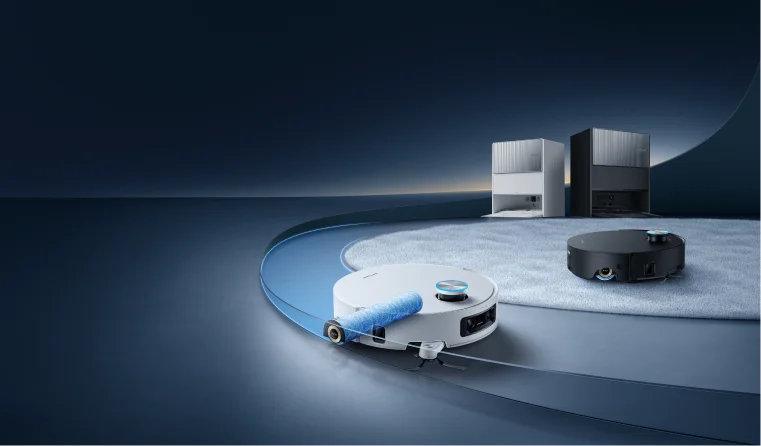
Most robot vacuums are not built to handle carpet cleaning solutions. Their mopping systems are designed for hard floors and usually use water only. Thick or soapy liquids can clog the pump or leave buildup inside. Even advanced robots with mop-lifting features avoid spraying on carpet. For fabric stains, manual spot cleaning is still the best option.

What Carpet Cleaning Solution Is the Best?
The best carpet cleaning solution depends on what problem you are facing:
| Situation | Best Solution Type |
|---|---|
| Homes with pets | Enzyme-based odour remover |
| Homes with kids | Low-scent, mild liquid formula |
| Food stains or grease | Oxygen-based powder or spray |
| General dirt and foot traffic | Heavy-duty extractor solution |
| Natural or delicate carpet fibres | Vinegar and warm water (DIY) |
| Eco-friendly households | Plant-based carpet cleaner (low foam) |
| Quick daily refresh | Deodorizing powder |
For families with children or pets, spot cleaners are useful for daily use. In high-traffic zones, stronger extraction formulas may be needed. Always test a new product on a small patch of carpet before using it everywhere.
Pro Tips for Better Carpet Cleaning Results
A few simple habits can lead to much better results when cleaning carpets:
- Vacuum first to pick up loose dust and hair
- Test a small hidden spot before treating the whole area
- Let the solution rest for 5 to 10 minutes to break down stains
- Rinse with clean water, especially after using a soapy formula
- Allow full air drying before stepping on the carpet again
- Use fans or open windows to improve airflow and reduce drying time
- If the carpet feels sticky or dull, go over it again with plain water
Can you dilute your carpet cleaning solution?
Yes, in many cases, you should. Most commercial cleaners are concentrated. Labels often include a water-to-solution ratio. Following those directions helps protect the carpet and improve performance. Using too much product can cause soap buildup, which traps dirt and leaves the surface feeling stiff.
Right Match, Better Clean
The best carpet cleaning comes from using the right solution for the right job. Tough stains need power. Light refreshes need care. Pay attention to the carpet type, test first, and go step by step. With the right match, even old carpets can look new again.
