



















 Robot Lawn Mower


 Australia
 中国大陆
中国大陆 日本
日本


 Türkiye


 Italia
 Netherlands
 Belgium
 Greece
 Polska
 Norway
 Sweden
 Finland
 Denmark
 Hungary
 Czechia
 Slovenia
 Croatia
 Switzerland
 United
Kingdom
United
Kingdom
 Canada


Want suction power that actually lasts? Every time you turn on a standard bagged vacuum, it fights against itself. As the bag fills with dirt, the internal airflow chokes. The result? You end up pushing the machine harder just to leave behind pet hair and crumbs.
If you're tired of buying expensive replacement bags or dealing with half-cleaned carpets, upgrading to a cyclone vacuum cleaner is the obvious move. This bagless technology flips that flawed design on its head, guaranteeing peak suction from the first sweep of your living room to the final pass in the hallway. Let’s break down exactly how this engineering works and why it dominates the modern floor-care market.

How Cyclone Vacuum Works: The Science of Separation
A cyclone vacuum cleaner uses high-speed centrifugal force to spin dust out of the airflow long before it reaches the filter. Traditional vacuums force air through a porous bag, so you lose power the second the bag starts to fill up. Bagless cyclonic tech bypasses this design flaw completely. It relies on sheer physics to separate dirt from the air. The result? You get peak performance from the first room to the last, all while trapping allergens in a clear, easy-to-empty bin.
What is Cyclonic Separation?
Cyclonic separation is a mechanical process that uses high-speed rotation to extract particulates from an air stream without relying on physical filters. It stops suction loss by whipping up a miniature tornado right inside the canister. This vortex physically throws heavy debris against the outer walls and straight down into the dust bin. Here’s what happens when dirty air enters the machine: the motor forces it into a tight, fast spin. Since dirt weighs more than air, centrifugal force easily flings the particles outward. The clean air—now stripped of the heavy grime—travels up the center of the vortex and out the exhaust. It's a smart structural fix that keeps the primary filters clear so the motor can breathe freely.
Single vs. Multi-Cone Technology
Multi-cone technology captures microscopic dust that older single-cyclone systems leave behind. Why does this matter? It stops fine powder from suffocating your final HEPA filter. Single cyclones do a great job handling large debris like spilled cereal or pet kibble. But ultra-fine dust (think baking flour or drywall powder) easily escapes a single vortex. Multi-cone systems solve this by splitting the main airflow into several smaller, faster cyclones. Smaller cones mean exponentially higher centrifugal force, which aggressively rips microscopic particles right out of the air. It's an engineering shift that adds months to your exhaust filter's lifespan.
What Types of Vacuums Use Cyclone Technology?
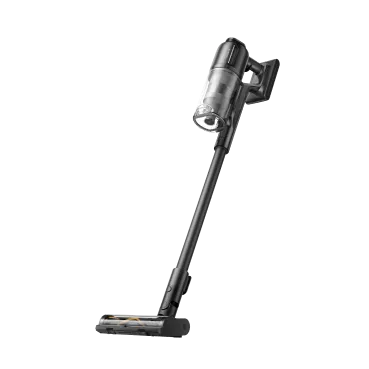
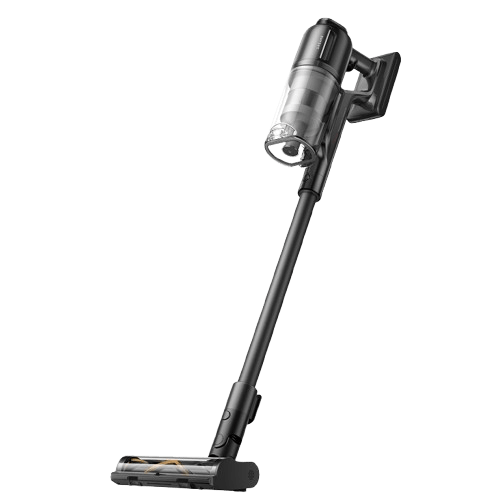
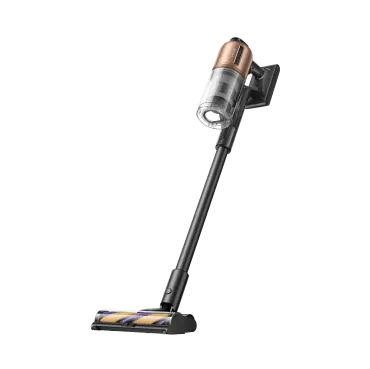
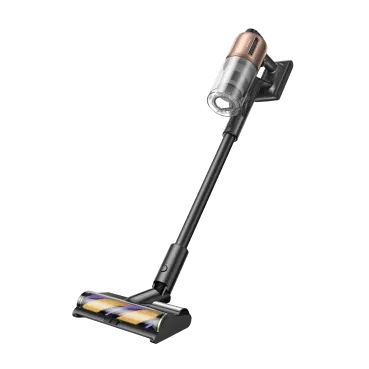
Cyclonic separation is common in cordless stick vacuums and high-performance bagless uprights because it helps maintain strong suction with less upkeep, using washable filters and clear dust bins.
| Vacuum Type | Uses Cyclone Technology? | Why / Why Not |
|---|---|---|
| Cordless Stick Vacuums | ✅ Almost Always | Lightweight bagless design depends on cyclonic airflow. |
| Robot Vacuums | ✅ Some Models | Compact dustbins require efficient airflow separation. |
| Upright Bagless Vacuums | ✅ Yes | Designed specifically around cyclonic dust bins. |
| Canister Bagless Vacuums | ✅ Yes | Multi-cyclone systems common. |
| Traditional Bagged Uprights | ❌ No | Use disposable dust bags for filtration. |
| Central Vacuum Systems | ❌ Usually No | Rely on large bag or filtration chamber. |
Some budget bagless models still depend on filters instead of true multi-cyclone systems, so suction can drop over time—check whether the design is single-cyclone or multi-cyclone before you buy.
Key Components of a Cyclone Vacuum
Every cyclonic model showcases how vacuum cleaners work at a high level. They rely on an interconnected system of parts to separate debris and clean the exhaust air at the exact same time.
The Motor
High-speed brushless motors dictate the actual cleaning power of your vacuum. To build a vortex tight enough to pull microscopic dust, the motor needs extreme speed. The industry's best models spin upward of 120,000 RPM, generating a sustained 120AW (Air Watts) of suction. That rapid rotation is the literal engine driving the centrifugal separation process.
The Filtration System
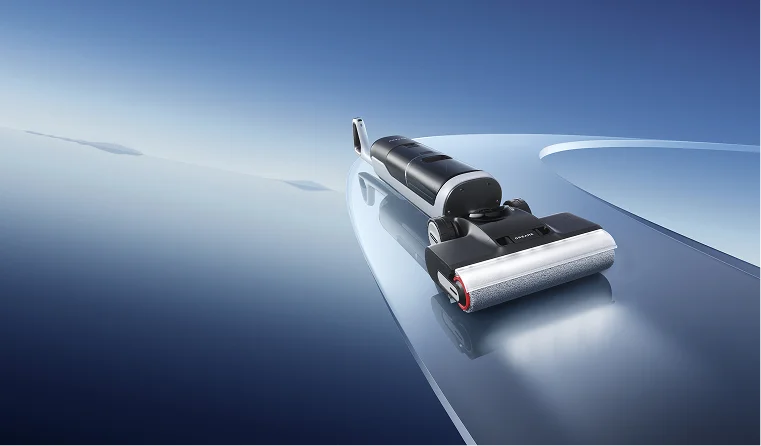
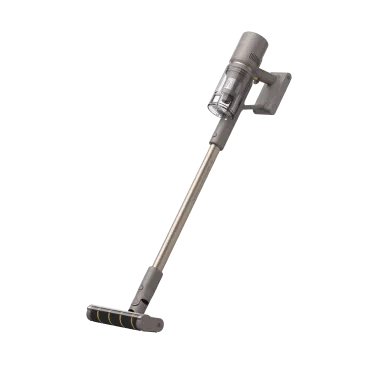
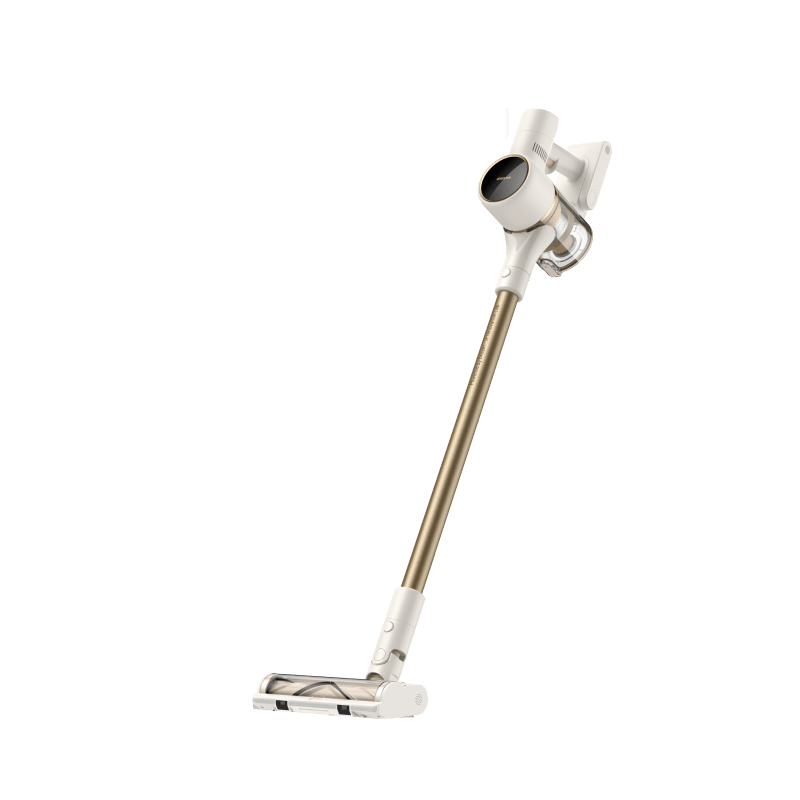
Advanced multi-layer filtration catches microscopic allergens before that exhaust air blows back into your living room. The cyclone handles the heavy lifting, but you still need to choose the right HEPA filter to grab irritants down to 0.3 microns. Take the Dreame R20 Pure cordless stick vacuum as a prime example of industry standards. It uses a comprehensive 5-layer filtration system. The R20 Pure pairs a highly efficient multi-cone dust collector with a final HEPA filter, keeping the filter structurally sound. This tag-team approach hits a 99.9% filtration efficiency rate, stopping secondary indoor air pollution dead in its tracks.

The Dust Bin
Transparent, bagless bins let you see exactly when it's time to empty out the dirt, making disposal fast and hygienic. Most cyclonic vacuums feature a 0.6L (roughly 20 fl oz) canister. Because the system runs on airflow instead of a breathable bag, the bin is solid plastic. That means you get a one-click emptying mechanism. The bottom simply drops open over your trash can, keeping your hands away from the mess.
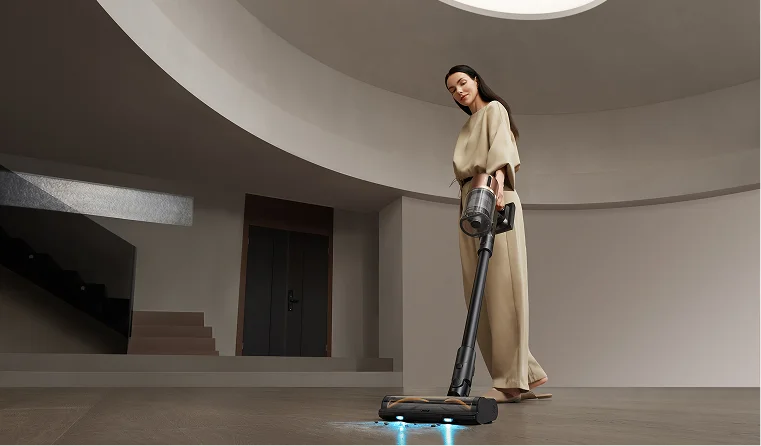
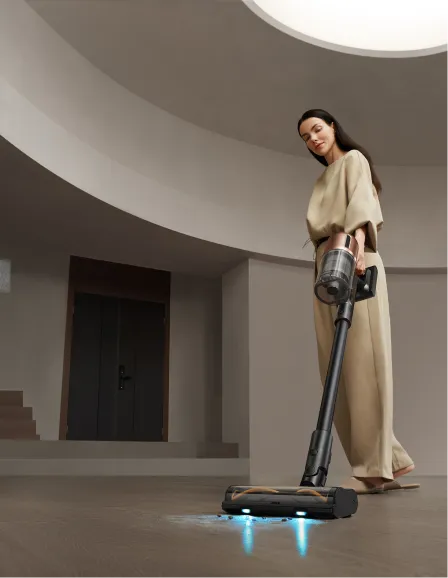
[product handle="dreame-r20-pure-cordless-stick-vacuum" rating="4.2"]
5 Benefits of Using a Cyclone Vacuum Cleaner
1. Consistent Suction Power
- User Requirement: You need a vacuum that hits deep carpets just as hard at the end of your chores as it did at the start.
- Product Benefit: Maintains peak airflow and maximum suction, no matter how much dirt is already in the bin.
- Risk of Skipping: Relying on standard bagged models means leaving dirt and pet hair behind because the machine loses power halfway through the job.
2. No Recurring Costs
- User Requirement: You want to keep household costs down and skip buying brand-specific consumables.
- Product Benefit: Kills the need to buy replacement dust bags by using a reusable, washable canister.
- Risk of Skipping: Sticking with old tech means spending hundreds of dollars over the vacuum's life on nothing but disposable paper bags.
3. Eco-Friendly
- User Requirement: You're looking to cut down your household's environmental footprint and ditch single-use plastics.
- Product Benefit: Keeps disposable bags out of the landfill with a permanent dust bin.
- Risk of Skipping: Traditional vacuums lock you into throwing non-biodegradable waste into local landfills year after year.
4. Better Filtration
- User Requirement: You need to shield your family from airborne allergens, pet dander, and invisible dust.
- Product Benefit: Traps up to 99.9% of microscopic particles using a mix of centrifugal force and high-grade HEPA filters.
- Risk of Skipping: Cheap filtration systems just blow fine dust right back out the exhaust, which is a nightmare for asthma and indoor allergies.
5. Easy Maintenance
- User Requirement: You want an appliance that works, not one that demands a complicated, tedious cleaning ritual.
- Product Benefit: Features completely washable separation parts, right down to the multi-cone assembly and primary filters.
- Risk of Skipping: Vacuums you can't wash often build up severe blockages and foul smells, eventually burning out the motor from restricted airflow.
Bagged vs. Cyclone Vacuum: Which is Right for You?
When looking at a bagged vs. bagless vacuum comparison, go with a bagless cyclone if you want sustained power and zero ongoing costs. Your vacuum has to pull embedded dirt out of rugs, and it needs peak capacity to do that, regardless of how much dust it just picked up. Bagged models fail here. As the physical bag fills up, it chokes the internal airflow. You lose performance right when you need it most.

Bagged vacuums do offer a fully sealed toss-out process, which makes them a niche pick for people with severe, clinical-level dust allergies. But that means signing up for a lifetime subscription to replacement bags. For most homes and pet owners, the consistent power, multi-layer filtration, and cost savings make a modern cyclonic vacuum the clear winner.
Maintenance Tips for Your Cyclone Vacuum
Empty the dust bin before it hits the "MAX" line.
- Result: Gives the internal vortex enough physical room to spin and separate debris.
- Mistake avoided: Stops dirt from backing up into the main cyclone chamber—a mistake that instantly chokes the motor and kills your suction.
Wash the primary filters and multi-cone assembly every two to four weeks.
- Result: Washes away the microscopic powder that sneaks past the centrifugal spin, bringing the machine back to factory-level airflow.
- Mistake avoided: Prevents the motor from running too hot due to air starvation, adding years to the vacuum's life.
Conclusion
A cyclone vacuum cleaner completely changes how you clean your house. It ditches those easily clogged paper bags in favor of the raw physics of centrifugal force. By spinning dirt straight out of the airflow, these vacuums make sure you never experience a drop in suction power. Your floors actually get clean every single time. Add in the washable, bagless components and advanced multi-cone separation, and you completely avoid ongoing maintenance costs and secondary indoor pollution. Ready for unyielding, sustained power? Check out our lineup of advanced vacuum cleaners built to keep your home spotless.
FAQ
Do cyclone vacuum cleaners lose suction over time?
No, if properly maintained. Centrifugal force keeps the air path clear. Suction only drops if you let the dust bin overflow or neglect washing the internal filters for months.
What is the difference between a single-cyclone and a multi-cyclone vacuum?
Filtration precision. Single cyclones handle large debris, while multi-cyclones use smaller, faster cones to extract microscopic dust, offering much better air filtration and motor protection.
Are bagless cyclone vacuums better for pet hair?
Yes. The consistent suction easily pulls stubborn pet hair out of carpets without clogging the machine. Just watch out for large hair clumps tangling around the internal mesh filter.
How often should I clean or replace the filters in a cyclone vacuum?
Wash every 2-4 weeks; replace HEPA every 6-12 months. Washing prevents motor overheating, but you still need to know the appropriate time to replace the HEPA filter to maintain peak air purification.
Is a cyclone vacuum cleaner noisy?
Yes, they produce a high-pitched whir (70-80 decibels). This noise comes directly from the extreme-speed motor generating the cyclone, though it's typically no louder than a standard, bulky traditional vacuum.
Is a cyclone filter the same as a cyclone vacuum?
No. A cyclone filter is simply the internal mechanical component that creates the vortex. A cyclone vacuum is a complete appliance engineered specifically for bagless cyclonic airflow.
