



















 Robot Lawn Mower


 Australia
 中国大陆
中国大陆 日本
日本


 Türkiye


 Italia
 Netherlands
 Belgium
 Greece
 Polska
 Norway
 Sweden
 Finland
 Denmark
 Hungary
 Czechia
 Slovenia
 Croatia
 Switzerland
 United
Kingdom
United
Kingdom
 Canada


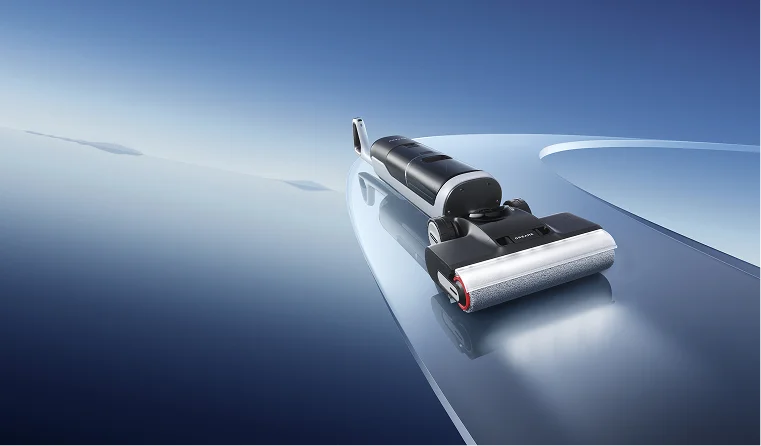
If you own a vacuum cleaner, it is essential to know a few practical ways to troubleshoot common issues.
Although vacuuming is a chore, it makes a home appealing and comfortable. It is a crucial activity to ensure cleanliness and freshness in your home. However, at times, your vacuum may stop working.
Is your vacuum cleaner not working? Read on to find out more about common vacuum cleaner problems and the various ways of solving them.
Common Vacuum Cleaner Problems
Low Suction Force
Low suction is quite a common vacuum cleaner problem. If your vacuum cleaner has low suction pressure, it becomes less effective. You might find yourself spending a lot of time vacuuming a single spot, and still not receiving the level of effectiveness you normally get on normal suction force.
Several factors can cause low suction force in a vacuum cleaner. These are:
- Blocked Filter – Vacuum HEPA filters are quite the masters in catching dust and dirt particles, and pet fur from surfaces and retaining them to prevent re-release into the air. After a while, it is recommended to clean the vacuum HEPA filter to remove these particles or fur. But what happens when you don’t clean the filter for a long time? It affects the suctioning power. You can fix this by cleaning the filters or replacing them if they are worn out.
- Full Vacuum Bag – It is common for you to overlook a full vacuum bag as a cause of low suction power. But it is actually one major cause of this problem. If you experience low suction power, consider checking if the bag is full, and if it is, empty it or replace it if necessary.
- Blocked Floor Head, Neck, or Hose – Another common cause of low suction pressure in a vacuum cleaner is a blockage. Therefore, ensure that you check for any blockages in any of these accessories.
- Clogged Brush – Occasionally, the vacuum cleaner brush becomes clogged with items such as human hair and pet fur. The clogging may affect the suction pressure, and it is up to you to clean the brush to solve the issue. It is vital to clean the brush regularly to prevent low suction force and other problems that may arise from the brush clogging.

Excessive Noise
It is normal for your vacuum cleaner to produce noise. The noise is mostly minimal and just convenient for the cleaner to handle. At times, your vacuum cleaner may begin producing louder and more excessive noises.
So, is your vacuum cleaner making loud noises? There are several reasons that may cause this problem. Some of them include:
- Blockage – Your vacuum cleaner may produce excessive noise as a result of blockages in the floor head, neck, or hose. Any blockage can force the vacuum cleaner to use excessive force in an attempt to produce enough suction power. It can result in the production of excessive noise. To fix the problem, you will have to find the blockage and remove the materials to clear up the area.
- Motor Problems – Another cause of excessive noise in a vacuum cleaner is issues with the motor. Such issues can result in detachments in the belt or hose. Any detachments result to a noisy vacuum cleaner. If left unchecked, the vacuum cleaner may cease its functionality. You can fix this issue by detaching the vacuum cleaner to check for problems in the belt or hose. Reattach them securely to resolve the noise issue.
- Air Leaks – Just like in blockages, air leaks cause the vacuum cleaner to use excessive force to maintain the suction pressure. It may result in the cleaner producing excessive noise. You can fix this by finding the spot with an air leak and replacing it. You can also seal the affected area.
Overheating
It is common for a vacuum cleaner to overheat, especially after long periods of continuous use. However, at times, the cleaner may overheat to an extent that hot air and smoke are emitted. The cause of this issue is a fault in the electrical system, especially in the motor. For overheating cases, it is essential to contact a professional instead of trying DIY fixes. You should have the technician replace the motor system with a new one, and most probably, it will fix the overheating issue.

Burning Smell
The burning smell is another common problem for vacuum cleaner owners. It’s caused by a worn-out motor belt. The burning smell can also result from a rubber belt that has lost elasticity. Overall, the belt is worn out and needs replacement.
To fix the burning smell problem in a vacuum cleaner, you will have to replace the motor belt. You can do this by detaching the vacuum cleaner to get to the motor belt. You should then carefully remove the belt. Then gently clean any burnt rubber parts on the motor before replacing the old belt with a new, tighter one. Chances are, the burning smell issue will be fixed.
Vacuum Can’t Turn On
A vacuum cleaner that can’t turn on is one of the most frustrating issues you can ever deal with during vacuuming. However, it is an easy problem to fix. If your cleaner is not turning on, check its connection to the power source to see if it is functioning properly. For traditional vacuum cleaners, you can check if the connection to the power outlet is done properly. If not, you should connect the cleaner to the power source and test it again.
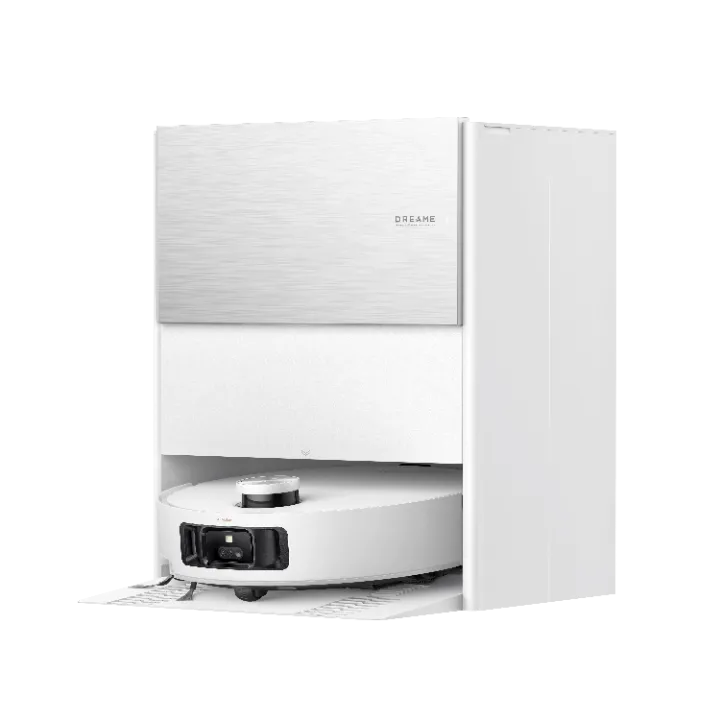
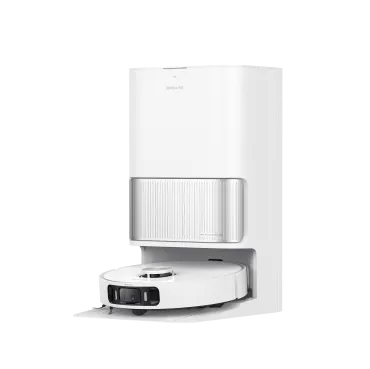
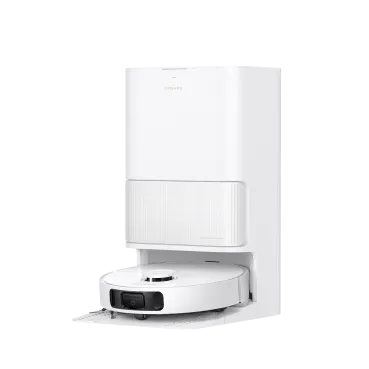
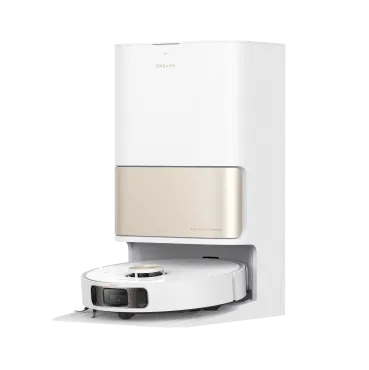
For robot cleaners such as the Dreame robot vacuum, you should check to see if the batteries are charged and properly connected. If it is not, you should charge the device to power it up. If you have checked the power source and confirmed it is connected properly, but the cleaner still does not turn on, the device requires new parts or a full replacement. Refer to the manufacturer's manual for troubleshooting tips. If there is no manual, do not attempt a DIY; contact a dealer or replace the vacuum cleaner.
Conclusion
The most common problems found in vacuum cleaners are low suction, excessive noise, overheating, burning smell, and power failures, which are often caused by blockages, dirty filters, or worn parts. Many problems can be solved with basic maintenance (emptying bins, cleaning filters, clearing clogs), but overheating, electrical smells, smoke, or persistent noise are signs to stop using the vacuum and consult professional service.
