What Is a Good Suction Power for a Vacuum Cleaner?

What Is a Good Suction Power for a Vacuum Cleaner?

Editorial TeamDreame |
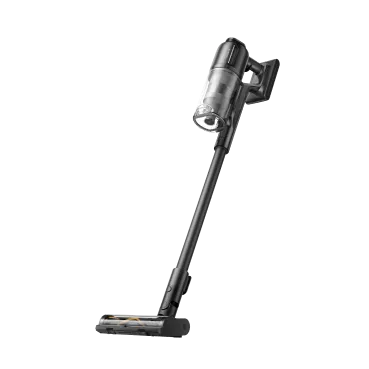
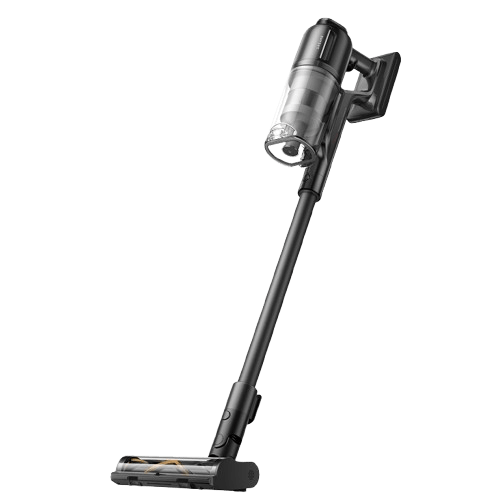
Whether you’re deep-cleaning carpets or trying to remove stubborn pet hair from upholstery, suction power is one of the most important features to consider in a vacuum cleaner. But what exactly is vacuum suction power, and how do you know if a vacuum is powerful enough for your cleaning needs? In this guide, we’ll break down how suction power works, how it’s measured, what’s considered “good” for different vacuum types, and how to choose the right option for your floors and lifestyle. Why Suction Power Matters in a Vacuum Suction power determines how effectively your vacuum picks up debris from surfaces. Higher suction power means more ability to lift dirt, especially from deeper within carpet fibers, cracks in tiles, or textured upholstery. It’s not the only factor (filters, brush rolls, and airflow design matter too), but it’s a key indicator of cleaning performance. Suction Power vs. Airflow—What’s the Difference? These terms are often confused.  Suction power is the force that pulls air into the vacuum.  Airflow, measured in CFM (cubic feet per minute), is how much air moves through the system.  Think of suction as the strength and airflow as the volume. Both are essential for optimal cleaning. Learn more about must-have vacuum features in our guide: “Choose the Right Dust-Busting Vacuum.” How Is Vacuum Suction Power Measured? Vacuum manufacturers use several technical units to quantify suction power. Understanding these can help you compare models more confidently. 1. Watts (W) Watts are often used on corded vacuums to describe motor power. While not a direct measure of suction, it offers a rough idea of performance. Most household vacuums range between 500W and 1,500W. A high-watt motor doesn’t always mean better performance, as efficiency matters more. 2. Air Watts (AW) This is a more accurate measure of suction for cordless vacuums. It tells you how efficiently a vacuum turns electric power into suction, combining airflow and vacuum pressure. Here’s what to look for: 160–180 AW: Powerful for cordless stick vacuums; ideal for quick cleanups. Over 200 AW: Excellent for deep cleaning and heavy-duty carpets. Under 100 AW: Better suited for light cleaning or hard floors. Pro-tip Dreame’s Z30 Cordless Stick Vacuum delivers up to 310 AW, making it ideal for homes with pets or thick carpeting. 3. Pascals (Pa) Pascals measure static pressure. This is commonly used for robot vacuums and wet and dry models, measuring the pressure difference the vacuum can generate. 2,000–3,000 Pa: Standard for basic robot vacuums 4,000–6,000 Pa: Good for pet hair and mixed flooring 7,000+ Pa: Excellent for carpets and deep cleaning Pro-tip For example, the Dreame L50 Ultra Robot Vacuum delivers up to 19,500 Pa, making it one of the most powerful RVs in its class. 4. Water Lift (Inches or mm) Also known as sealed suction, this metric is common for wet and dry vacuums. It measures how high the vacuum can lift water in a tube, indicating how well it handles liquids or dense debris. Higher numbers (e.g., 100+ inches) indicate strong suction for thick carpets. What Is a Good Suction Power for Each Type of Vacuum? Suction needs vary by vacuum type. Here’s a breakdown of what to look for across common categories: Upright Vacuums Typically the most powerful, upright vacuums work well for homes with a lot of carpeting. Good suction: 180–300 AW (approx. 18,000–27,000 Pa) Ideal use: High-pile carpet, area rugs, and pet-heavy homes Considering an upright model? Don’t miss our breakdown: "The Pros and Cons of Upright Vacuum Cleaners."  Canister Vacuums More flexible with higher airflow, canisters are great for multi-surface homes. Good suction: 200–400 AW (approx. 20,000–36,000 Pa) Ideal use: Stairs, hardwood, tile, and mixed floors Cordless Stick Vacuums Lightweight and portable, but suction depends heavily on the motor and battery. Good suction: 150–210 AW (approx. 20,000–30,000 Pa) Ideal use: Everyday messes, light to moderate dirt, hard floors, and light carpets Dreame Take Try the Dreame R10 Pure Cordless Stick Vacuum for 120 AW of suction power. It’s lightweight, easy to maneuver, and perfect for hard floors and small spaces where quick, efficient cleaning matters. Handheld Vacuums Compact and convenient for spot-cleaning. Good suction: 30–50 AW (approx. 3,000–6,000 Pa) Ideal use: Car interiors, upholstery, and quick cleanups Considering an upright model? Don’t miss our breakdown:  "How to Choose a Handheld Vcuum" Robot Vacuums These self-driving helpers have improved drastically. They use Pascal ratings to indicate suction strength. Good suction: 3,000–5,000 Pa High suction: 6,000–8,000 Pa Ideal use: Automated daily cleaning and mixed floor types Dreame Take With an exceptional 20,000 Pa, the Dreame X50 Ultra Robot Vacuum far exceeds typical robot vacuum suction levels, offering true deep-cleaning performance. Wet and Dry Vacuums Best for liquid spills, garage messes, or whole-floor care. Good suction: 100+ AW or 80+ inch water lift (approx. 20,000+ Pa) Ideal use: Kitchen spills, garage messes, and tile cleaning Vacuum Suction Power Chart Below is a quick-reference vacuum suction power chart to help you understand what’s ideal by type and environment. Vacuum Type Suction Power Range Ideal For Upright 180–300 AW / 18,000–27,000 Pa High-pile carpet and pet hair Canister 200–400 AW / 20,000–36,000 Pa Mixed flooring and large homes Cordless Stick 150–310 AW / 20,000–30,000 Pa Daily cleaning and hard floors Handheld 30–50 AW / 3,000–6,000 Pa Car interiors and furniture Robot 3,000–8,000+ Pa Autonomous cleaning, light debris Wet and Dry 100+ AW / 20,000+ Pa or 80+ in WL Liquid spills, tile, garages, deep dirt, and whole-home cleaning Real-World Performance: Vacuum Cleaner Models Compared Specs are one thing, but how do Dreame vacuums perform in real homes? Model Category Suction Power Run Time Standout Feature Best For Z30 Cordless Stick Vacuum 310 AW Up to 90 mins* Intelligent suction adjustment with LED display Deep carpet and pet messes R10 Pure Cordless Stick Vacuum 120 AW Up to 60 mins* Lightweight design for daily spot cleaning Quick cleanups, hardwood floors, compact spaces L50 Ultra Robot Vacuum 19,500 Pa Up to 200 mins* Auto-empty base, smart mopping, and 3D navigation Whole-home hands-free cleaning X50 Ultra Robot Vacuum 20,000 Pa Up to 220 mins* Powerful 20,000 Pa suction and AI obstacle avoidance Deep cleaning for carpets and hard floors H12 Dual Wet & Dry Vacuum 16,000 Pa Up to 35 mins* Self-cleaning brush and edge-to-edge mopping Multi-surface vacuuming and mopping Important Run times vary based on mode and usage environment. Recommended Suction Power by Surface Type Different surfaces need different levels of suction. Here's a helpful breakdown: Surface Type Recommended Suction Power Hardwood Floors 100–150 AW / 3,000–5,000 Pa Low-Pile Carpet 150–200 AW / 5,000–6,000 Pa High-Pile Carpet 200+ AW / 7,000+ Pa Tile Flooring 100–150 AW Upholstery/Furniture 50–100 AW Pet Hair Removal 180–210 AW / 6,000+ Pa Dreame Take If you have pets, kids, and a mix of floor types, we recommend a vacuum with adjustable suction, like the Dreame Z30 or X50 Ultra, for total control and better battery life. FAQs: Common Questions About Suction Power Q: What is a good suction power for a vacuum cleaner in air watts? A: For cordless models: 160–210 AW. For uprights or canisters: 180–300 AW. Q: What is a good suction power for a vacuum cleaner in Pascals? A: 3,000–5,000 Pa is decent; 7,000+ Pa is excellent for deep cleaning. Q: How do I know if my vacuum has strong suction? A: If it lifts debris in one pass, holds strong on upholstery, or lifts a rug slightly during cleaning, it’s got strong suction. Q: Does suction power degrade over time? A: Yes. Clogged filters, worn motors, and full dustbins reduce performance. Clean filters and empty the bin regularly. Q: Is high suction bad for hardwood floors? A: Not necessarily. But too much suction with the wrong brush head can scatter debris or damage finishes. Use adjustable power settings. Q: Is low suction always bad? A: Not at all. Low suction is ideal for delicate surfaces like curtains or lightweight rugs. Still unsure what’s best for your floor type? Check out: “Are Robot Floor Cleaners Worth It in 2025?” Final Thoughts: Choose the Suction Power That Matches Your Lifestyle There’s no one-size-fits-all number for vacuum suction power. The “right” choice depends on your home’s size, floor types, and cleaning habits. Live with pets or capets? Go for 200+ AW or 7,000+ Pa. Mainly hardwood and tile? 150 AW or 4,000–5,000 Pa will do. Want tech-savvy convenience? Check out Dreame’s robot vacuum collection. If you’re ready to power up your cleaning game, browse Dreame’s full range of vacuum cleaners to find the perfect match for your home.m  
Continue reading
Does a Robot Vacuum Cleaner Work for Long Hair? Our Expert Insights

Does a Robot Vacuum Cleaner Work for Long Hair? Our Expert Insights

Editorial TeamDreame |
A few strands of long hair on the floor may not seem like a big deal. But for robot vacuums, long human hair is one of the hardest things to clean. It wraps tightly around the brush and wheels, clogs suction pathways, and clings to corners. Compared to pet hair, which is usually shorter, finer, and breaks apart more easily, human hair is longer, stronger, and heavier. It stretches across carpets, twists into knots, and does not move easily with airflow. This is why some robot vacuums struggle. Especially older models or entry-level ones. But some newer designs have solved the problem. If you pick the right model, long hair cleanup becomes much easier. Can Robot Vacuums Clean Long Hair? Yes, but not all of them. Some robot vacuums are built to handle long hair better than others. You just need to look for the right features, like detangling brushes (or better go for brushless designs?), high suction power, and easy-to-clean brush compartments. Next, let's look at these features in more detail. What Makes a Robot Vacuum Great for Long Hair? Not all robot vacuums are ready to handle long hair. Some just push their hair around or get stuck halfway through. But certain features can help a lot. If you're tired of pulling hair out of brushes, here is what you should look for: Anti-Tangle Brushes or Detangling Tech Long hair often wraps around traditional bristle brushes and forms knots that are hard to remove. A better design uses rubber blades or special air paths to lift and separate strands before they twist. One example is the Dreame X50 Ultra, which features the HyperStream™ Detangling DuoBrush system. It uses two rotating brushes and an airflow channel to lift hair to 30cm without tangling. High Suction Power At least 4,000Pa suction is helpful. Suction strength affects how quickly and how clean hair is picked up, especially from carpet. The stronger the suction, the more likely it is to lift long hair before it wraps around anything. Weak suction lets hair sink deeper into fabric or wrap around moving parts. The Dreame X40 Master offers 12,000Pa suction to lift both loose strands and heavier clumps from various surfaces, including cat litter and dust. Large Dust Bin Hair takes up more space than dust, especially when it clumps. A larger dust bin means you don't have to empty it every day. This is useful for homes with long hair on the floor regularly. The Dreame X50 Ultra comes with a 0.85 gal (3.2L) bag inside the base station. It empties automatically after each cleaning and can hold up to 100 days of debris. Self-Cleaning or Easy-Cleaning Design Hair buildup on mops or rollers can lead to smells, poor cleaning, or performance loss. A vacuum with self-cleaning features can reduce manual work and keep the device fresh between runs. The Dreame X40 Master includes a self-cleaning washboard that scrubs the mop using 158°F(70°C) hot water, followed by hot air drying to prevent odors. HEPA Filtration When vacuums collect hair, they also pick up dander and small dust particles. A HEPA filter can trap these particles instead of blowing them back into the room, which helps with allergies or asthma. Many high-end vacuums, including models in the Dreame line, feature multi-stage filtration with HEPA layers to support better indoor air quality. Smart Mapping to Avoid Cords and Clumps Long hair tends to collect near cables, corners, or furniture edges. A vacuum with precise navigation can avoid these areas or clean them without dragging extra mess around. The Dreame X50 Ultra uses VersaLift DToF Navigation, which maps rooms in 360 degrees and lowers its body to reach under furniture as low as 3.5in (89mm). This helps it avoid common hair traps like wires and tight corners. Dreame Take: If you often deal with long hair on your floors, choosing a vacuum with the right tools really matters. Dreame vacuums go further with special anti-tangle systems that actively separate and remove hair. Does Hair Get Stuck in Robot Vacuums? No matter how advanced a robot vacuum is, long hair can still cause trouble. Some models handle it better, but even the best ones are not perfect. If the vacuum picks up a lot of hair at once, some of it can still get tangled. So, where does the hair usually get stuck? Main Roller Brush: This is where most tangles happen. Hair wraps around the brush and builds up over time. Side Brushes: These small arms sweep hair into the center. Long strands can twist tightly around them. Wheels: Hair can wrap around the wheel axles. This slows the vacuum and puts extra strain on the motor. Suction Inlets: If the vacuum pulls in too much hair at once, it may clog the intake area. Over time, these tangles can lower performance. The vacuum may stop picking up dirt. It may move more slowly or stop in the middle of a job. If the motor gets too hot, it may shut off to protect itself. This is why regular maintenance is important. Removing hair from brushes and wheels once a week keeps the vacuum running smoothly. It also helps avoid bigger problems later. Some Dreame robot vacuums come with self-cleaning systems to help reduce manual upkeep. But even then, a quick check can go a long way. Robot Vacuums Picks for Long Hair in 2025 A long list of features can sound good on paper. But real floors are not always clean, flat, or easy to reach. Hair builds up in busy corners. It hides under beds. It mixes with crumbs and dust in places you pass through every day. That's why it helps to look at how a robot vacuum performs in real-life spaces, not just in a showroom. Below are three home settings where long hair causes daily problems. And two machines built to deal with them. A Multi-Purpose Living Room with Mixed Floors and Light Daily Use Some homes have open-plan living areas that serve as a lounge, dining space, and walkway all in one. The floors may include hardwood, area rugs, and tile. Hair from daily activity doesn't pile up in clumps, but it spreads across the floor and collects near furniture legs. In these spaces, a vacuum needs strong performance and steady consistency—without overcomplicating daily routines. The Dreame L10s Pro Ultra fits well here. It's 7,000Pa Vormax™ Suction easily lifts loose hair and fine dust from both hard floors and low-pile rugs. The Dual Rotary Mops scrub away dirt while the MopExtend™ system reaches close to edges and into tight spaces. When moving over carpets, the mops lift to 0.41 in (10.5 mm) to keep fabrics dry. After cleaning, the station washes the mops with 136°F (58°C) hot water and dries them automatically to reduce odor. The 0.85 gal (3.2L) dust bag supports up to 75 days of hands-free use, making it a reliable choice for low-maintenance homes. If your space is mixed-use and you need a balance of strong cleaning and easy setup, this model is a practical match. A Busy Kitchen and Laundry Area with Pets and People In homes where people and pets move through the same rooms all day, hair builds up fast. The floor might switch between tile, wood, and low rugs. Cords and clutter sometimes get left out. These areas need smart navigation and a brush system that can stay tangle-free. The Dreame X40 Master is designed for spaces like this. Its TriCut Brush system cuts and moves both pet and human hair into the dustbin without jamming. It uses Smart Pathfinder™ Technology to build a 3D map of each room and avoid cords, mats, and obstacles. The side brush lifts when needed, helping prevent hair from wrapping during transitions. With hot water mop cleaning at 158°F (70°C), auto solution refilling, and hot air drying, the X40 Master keeps high-traffic areas fresh and low effort. Its 100-day auto-emptying station handles dust and hair quietly in the background. A Carpeted Bedroom with Long Hair Everywhere For this kind of space, the Dreame X50 Ultra is a strong fit. It delivers 20,000Pa Vormax Suction, which helps pull long hair straight out of thick carpet before it gets tangled. Its HyperStream™ Detangling DuoBrush can lift hair up to 11.8in (30cm) long without wrapping. The mop arms can also slide under low beds or cabinets, cleaning where loose hair often collects. Plus, the 100-day hands-free dust bin means no daily cleanup. The station dries and scrubs the mop with hot water, so nothing gets left behind. If long hair is part of your everyday life, this vacuum keeps the routine simple. Feature Dreame L10s Pro Ultra Dreame X40 Master Dreame X50 Ultra Brush Type Floating Rubber Brush TriCut Brush + Rubber Main Brush HyperStream™ Detangling DuoBrush Hair Management Strong suction with dual rotary mops; Cuts and channels pet/human hair directly into the dust bin; adjustable side brush Lifts hair up to 11.8 in (30 cm) without tangling; mop arms clean under furniture Price $499.99 $1,099.99 $1,299.99 Pros Solid performance at a lower cost; ideal for open-plan homes; 75-day dust management; 136.4°F (58°C) mop cleaning Smart 3D mapping for complex layouts; effective for mixed pet and human hair; hot water mop system Best for long, thick hair and high-pile carpets; 20,000Pa suction; hands-free cleaning for 100 days How to Prevent Hair from Getting Stuck in Robot Vacuums Long hair can quietly cause trouble for robot vacuums. Before it jams the brush or overheats the motor, you may notice small changes in how the vacuum behaves. Here are the early signs: It moves more slowly than usual It stops often, even on flat floors It leaves hair or dust behind You hear clicking or scraping sounds You see an error message about the brush or wheel These usually mean that hair has wrapped around the brush, wheels, or suction area. If left alone, it can lead to more serious problems, like overheating or brush failure. So what can you do to prevent? Clean Brushes Weekly. Pull out any tangled hair from the main brush, side brushes, and wheels. This keeps the vacuum running smoothly and helps avoid breakdowns. Use No-Go Zones in the App. Some spots in the home collect more hair. You can block these areas using the app. For example, the Dreame X40 Master supports smart zoning. You can create no-mop zones or skip tricky corners. Clean Up Visible Hair Before Runs. If you just brushed your hair or cleaned up a pet, pick up what you see before the vacuum starts. This lowers the chance of overload. With just a few small habits, you can stop most hair-related issues before they start. FAQs Q1: Can robot vacuums help with hair in bathrooms? Yes, they can, but only if the vacuum is designed to handle hard flooring and moisture-prone spaces. A robot vacuum with strong edge-cleaning features and a moisture-resistant design will be more effective. The Dreame X50 Ultra, for example, uses SideReach™ & Dual Flex Arm Technology to clean close to walls and reach under fixtures. Q2: Can robot vacuums clean hair clumps, not just loose strands? Some can. Hair clumps usually form near corners, furniture legs, or after brushing. A vacuum with high suction power and strong brush systems can break apart and pick up these clusters. If the vacuum includes smart dirt detection, like the system in the Dreame X40 Master, it can also adjust how it cleans based on the type and amount of hair it detects. Q3: Do robot vacuums work well in bedrooms with carpeted floors and long hair? Yes, but only with the right setup. Bedrooms often combine carpets, hair, and tight spaces. The vacuum needs powerful suction for carpet and a way to lift or detangle hair. It also helps if it can avoid curtains or wires. A vacuum with smart mapping and a carpet-friendly brush system can handle this environment with fewer jams. Q4: What if hair keeps getting stuck in the side brush? First, remove the brush and clean it by hand once a week. If hair builds up often, consider a model with a liftable or detachable side brush, which reduces hair tangles. Replacing the brush every few months also helps maintain its shape and performance.
Continue reading
Brushed vs. Brushless Vacuums: Which One Should You Choose?

Brushed vs. Brushless Vacuums: Which One Should You Choose?

Editorial TeamDreame |
When shopping for a vacuum cleaner, you'll often encounter terms like "brushed motor" and "brushless motor". These two represent two fundamentally different technologies that can significantly impact your vacuum's performance, durability, and energy efficiency. Brushed motors have been the traditional choice for decades, while brushless motors represent newer, more advanced technology. But what exactly makes them different? And more importantly, how do you choose the best one for your needs? If you are considering buying a good vacuum cleaner, let's explore the key differences between brushed and brushless motors, and help you decide which technology is right for your cleaning needs! What Is a Brushed Vacuum? When we refer to a "brushed vacuum," we're talking about vacuum cleaners that use brushed motors for their operation. Brushed motors are the traditional, tried-and-true technology that has powered vacuum cleaners for decades. These motors use physical brushes and commutators to create the electrical connection needed to power the motor. While this technology has been around for decades and is still widely used, it does come with both advantages and limitations. Let's explore how brushed motors work and why they might still be a good choice for certain users. How Brushed Motors Work: The Basics of Brushes and Commutators In a brushed motor, copper brushes make contact with the commutator, which allows electricity to flow through the motor's windings, creating motion. However, this interaction causes friction, which generates heat and leads to wear over time. As the brushes wear down, the motor performs less effectively, and you need to perform regular maintenance to keep things running smoothly. Common Applications: Where You'll Find Brushed Motors You'll commonly find brushed motors in lower-cost vacuums or corded ones. They handle light cleaning tasks well. Advantages of Brushed Motors Lower Cost (under $100-$200): Brushed motors are more affordable to manufacture, making them a budget-friendly option. Simplicity: Their design is straightforward, which makes it easy to repair and maintain. What Is a Brushless Vacuum? When we refer to a "brushless vacuum," we're talking about vacuum cleaners that use brushless motors for their operation. Unlike brushed motors that rely on physical brushes making contact with the rotor, brushless motors use permanent magnets and electronic controllers to operate. This advanced design eliminates the physical contact between parts, resulting in better efficiency, longer life, and quieter operation compared to traditional brushed motors. How Brushless Motors Work: Magnets and Electronics Brushless motors don't have brushes, as they don't need them to clean. The cleaning function in a brushless motor vacuum is powered by strong suction and precise motor control. The motor uses magnetic force and electronic control to generate rotation, which drives the suction power to pick up dirt, dust, and debris from surfaces. The lack of friction, which is common in brushless motors, prevents heat and wear that could shorten your vacuum's lifespan, and at the same time protect your floor. This design lets your motor run smoother, last longer, and work more efficiently. Why This Technology is Ideal for Modern Vacuums Brushless motors are ideal for cordless vacuums because they use less battery power. And because of this, they extend battery life and give you more cleaning time per charge. They're also lighter and more durable, making them ideal for handheld or robotic vacuums that need high efficiency and minimal maintenance. Advantages of Brushless Motors Higher Efficiency: Less energy is wasted as heat, meaning more power goes directly into the suction. Longer Lifespan: With no brushes to wear out, brushless motors last far longer than brushed motors. Minimal Maintenance: The fewer moving parts mean these vacuums require less maintenance and have fewer parts that could break down. Brushless vs. Brushed Vacuums: A Head-to-Head Comparison Now, let's compare the two types of motors across some key features: Feature Brushless Motor Brushed Motor Suction Power High efficiency due to electronic control Medium efficiency, decreases as brushes wear Durability & Lifespan Long lifespan (no brushes to wear out) Short lifespan (brushes require periodic replacement) Battery Life Higher efficiency extends runtime Standard runtime, less efficient power usage Noise Level Quiet operation (no brush friction) Noisy due to brush arcing and mechanical friction Cost Medium cost (added electronics required) Lowest initial cost but higher maintenance Key Technical Differences: Brushless motors use electronic commutation with no physical contact between moving parts, eliminating mechanical wear. Brushed motors rely on carbon brushes that create electrical contact with the commutator, causing gradual wear and requiring maintenance. Brushless technology offers better speed control and acceleration capabilities. Electronic noise is significantly reduced in brushless designs compared to the electrical arcing in brushed motors. Real-World Examples: Which Vacuum Should You Choose? Choosing between a brushed motor and a brushless motor depends on your specific cleaning needs and your budget. Here's a breakdown of when to pick each: For Carpet & Rugs: Brushless Vacuum If you have thick carpets or live in a home with pets, you know how challenging it can be to clean the carpet fibers thoroughly. And that's when you'll need a brushless motor vacuum. Imagine tackling those pesky pet hairs stuck deep in the fibers of your rug or the hair wedged in the tight seams, where a brush just can't reach. Sometimes, even using your hands to clean these spots can feel impossible. But with the powerful suction of a brushless motor, all that dirt, hair, and crumbs, whether it's pet fur, food scraps, or dust, get sucked up effortlessly, leaving your floors spotless. For Budget-Friendly Cleaning: Brushed Motor Imagine you're temporarily renting a small apartment, where the floors aren't delicate and you don't want to spend too much on cleaning. You just need a reliable helper to reduce the effort of cleaning. Whether it's picking up crumbs after a quick snack or tidying up your entryway, this vacuum is simple, easy to use, and doesn't require complicated maintenance. It's perfect for cleaning smaller spaces without the need for high-end features. For Cordless Convenience: Brushless Vacuum For those who need a vacuum that's lightweight, easy to move, and won't get tangled in cords, choose a brushless motor vacuum. Imagine making the task of keeping your kitchen clean daily effortless, moving from one corner to the next without the hassle of plugging and unplugging. The cordless, minimalist design not only complements your home's aesthetic but also makes it safer, without cords to trip over. You can clean with peace of mind. Plus, with no cords to manage, it's simple and efficient, fitting seamlessly into your home and lifestyle. For Automated Daily Cleaning: Brushless Vacuums Imagine waking up to a clean floor every day without lifting a finger. That's the beauty of a brushless motor robot vacuum, especially when integrated into your smart home system. These vacuums silently glide around your home, cleaning up dust and debris while you're at work or relaxing. The brushless motor ensures long-lasting power and quiet operation, making it perfect for automated cleaning, whether it's in your living room or under furniture. With smart features, you can schedule cleaning sessions, monitor progress, or even control the vacuum from your phone, all with minimal effort. Plus, they require minimal maintenance, so you can enjoy a spotless home without constantly having to manage it. Cleaning Scenario Recommended Motor Key Features Why This Choice Carpet & Rugs with Pet Hair Brushless Powerful suction, deep cleaning capability Handles thick carpets and embedded pet hair effectively Budget-Friendly Small Spaces Brushed Simple design, lower cost (under $100-$200) Perfect for light cleaning tasks and temporary living situations Cordless Convenience Brushless Lightweight, extended battery life, no cord management Ideal for quick cleaning sessions without plugging/unplugging Automated Daily Cleaning (Robot Vacuums) Brushless Quiet operation, minimal maintenance, smart integration Essential for unattended operation and long-term reliability Which Vacuum Motor Is Right for You? You now understand what separates brushed and brushless motors, and how each performs in real cleaning situations. We've covered the technical differences, costs, and practical applications. The bottom line: there's no universal "best" motor. Your choice depends on your specific needs. Pet hair and thick carpets call for brushless power. Budget-conscious cleaning works fine with brushed motors. Cordless convenience requires brushless efficiency. Brushless technology continues advancing while costs drop, while brushed motors remain a solid, economical option. The smart approach is to match the motor to your actual cleaning requirements. With this knowledge, you can make an informed decision that fits both your home and budget.
Continue reading
Upright vs. Canister Vacuum: Which One Is Right for You?

Upright vs. Canister Vacuum: Which One Is Right for You?

Editorial TeamDreame |
Choosing a new vacuum isn't just about specs and features; it's about finding the right tool to make keeping your home clean feel less like a chore. For decades, the two main choices have been the powerful upright and the versatile canister. Both get the job done, but they work in very different ways. So, how do you know which one is right for you? Every vacuum works on a simple principle: suction pulls up dirt, and a brush loosens it. But the real difference is how each design applies basic engineering principles—like pressure, airflow, and ergonomics—to solve cleaning challenges. This guide will help you figure it out. The Upright Vacuum: The All-in-One Powerhouse You know an upright vacuum when you see one. It's a single, tall unit where the motor, dustbin, and cleaning head are all combined into one body. You simply push the whole machine in front of you, making it a straightforward choice for cleaning large, open spaces. What makes it an upright: A powerful, motorized brush roll is built right into the base. It has a wide cleaning path so that you can cover more ground with each pass. It stands up on its own, making it simple to use and store. The Engineering Inside: Its design uses the machine's entire weight to create downward pressure, providing the physical agitation needed for deep cleaning carpets. Best for: Homes with a lot of carpet. The Canister Vacuum: The Versatile Specialist A canister vacuum is a two-part system. The motor and dustbin are in a small, wheeled body (the canister) that you pull behind you. A long, flexible hose connects that canister to a lightweight wand, giving you a great mix of power and easy handling. What makes it a canister: It's built for strong, consistent suction from the main unit. The cleaning wand you hold is incredibly light. It's the king of versatility, thanks to a whole suite of attachments. The Engineering Inside: It separates the power source from the cleaning tool. This allows for a larger motor focused on pure suction power (often measured in Air Watts) while keeping the wand you hold light and easy to handle. Best for: Homes with a mix of hard floors and carpets, or anyone who needs to clean more than just the floor. By the Numbers: A Quick Comparison Note: These are typical specifications and vary by model, but they illustrate the core design differences. Metric Upright Vacuum Canister Vacuum In-Hand Weight ~16.5 lbs (~7.5 kg) (Full unit) ~2.6 lbs (~1.2 kg) (Wand only) Suction Power ~180 Air Watts ~250 Air Watts Cleaning Path Width ~13 inches (~33 cm) ~11 inches (~28 cm) Standard Attachments 2-3 tools 5-6 tools Storage Footprint ~1.1 sq ft (~0.1 m²) ~2.2 sq ft (~0.2 m²) Head-to-Head: Which Is Better for Your Home? Okay, with those numbers in mind, let's get practical. Here's how these two styles stack up in the real-world situations you deal with every day. For Deep Carpets… When it comes to thick, plush carpet, the upright usually has the edge. Its design puts weight and power directly over the brush, helping it use both physical force and suction to lift stubborn dirt. Canisters can do a good job with the right motorized attachment, but uprights are practically born for this. For Hard Floors… This is where canisters really shine. A good canister vacuum relies on high-efficiency suction power and a dedicated soft-bristle tool. This setup is great at picking up fine dust and debris without scratching your floors or just scattering the mess around. For Stairs and Under Furniture… Think about hauling a vacuum up a flight of stairs. It's no contest—carrying a lightweight wand is ergonomically easier than maneuvering the entire weight of an upright. That slim wand is also much better at sliding deep under beds and couches where bulky uprights can't fit. For Pet Hair… If you have pets, you know the struggle is real. The best choice here really depends on where the fur lands. For pet hair woven into carpets, an upright's aggressive brush is fantastic. But for cleaning fur off the couch, pet beds, or car seats, the canister is the clear winner, thanks to its hose and specialized tools. Understanding how to choose a pet hair vacuum can help you make the most informed decision based on your specific needs. For Everything Else (Versatility)... Your home has more than just floors. Canisters are the masters of versatility. The long hose and attachments let you easily clean curtains, ceiling corners, bookshelves, and even the inside of your car. These are all jobs that are awkward or impossible for a standard upright. For Storage… Finally, where will you keep it? An upright is simple: it stands up on its own in a closet. A canister takes up a bit more room and can be clumsy to store, since you have to find a place for the body, the hose, and the wand. Pros and Cons: A Quick Summary Still on the fence? Here's a simple breakdown. Upright Vacuum: Pros: Amazing on carpet, covers large areas fast, and easy to store. Cons: Heavy to push, not as good for above-floor cleaning, tough to use on stairs. Canister Vacuum: Pros: Extremely versatile, excellent on hard floors and stairs, the wand is light and easy to handle. Cons: It can be awkward to pull behind you, takes up more storage space. Comparison Table: At a Glance Feature / Cleaning Task Upright Vacuum Canister Vacuum The Winner Is... Deep-Cleaning Carpets ⭐⭐⭐⭐⭐ ⭐⭐⭐ Upright Hardwood & Tile Floors ⭐⭐⭐ ⭐⭐⭐⭐⭐ Canister Cleaning Stairs ⭐⭐ ⭐⭐⭐⭐⭐ Canister Under Furniture Reach ⭐⭐ ⭐⭐⭐⭐ Canister Tackling Pet Hair Excellent on carpets Excellent on upholstery Tie Versatility (Attachments) ⭐⭐ ⭐⭐⭐⭐⭐ Canister Ease of Use (Open Floors) ⭐⭐⭐⭐ ⭐⭐⭐ Upright Storage Footprint ⭐⭐⭐⭐ ⭐⭐ Upright Portability (In-Hand) Heavy (entire unit) Lightweight (wand only) Canister As the chart shows, it all comes down to a trade-off: Upright: Trades operational flexibility for the deep-cleaning force created by its direct downward pressure and mechanical agitation on carpets. Canister: Focuses on high-efficiency suction and an ergonomic, lightweight feel, making it an all-rounder for complex homes. So, Which One Should You Get? The best vacuum isn't the one with the most features, it's the one that fits your home and life. Now that you know the key strengths of each, you can choose with confidence. Go for an Upright Vacuum if... Your home is mostly carpeted. You mostly clean large, open rooms. You want something simple that stands up in a closet. Your biggest problem is dirt and pet hair ground into rugs. Go for a Canister Vacuum if... You have hard floors, low-pile rugs, or a mix of surfaces. You have stairs or lots of furniture to clean around. You want the flexibility to clean drapes, car interiors, and more. You prefer a lightweight wand and don't mind bulkier storage. Beyond the Conventional Choice The truth is, today's best vacuums have started to move beyond these traditional labels. True innovation blends the best of both worlds: the deep-cleaning power of an upright with the lightweight freedom of a canister. When advanced engineering gets rid of these old compromises, cleaning is no longer a chore you just have to put up with. It's worth seeing how modern cleaning technology is making that happen.
Continue reading
Should You Be Vacuuming or Sweeping? Here’s What You Need to Know

Should You Be Vacuuming or Sweeping? Here’s What You Need to Know

Editorial TeamDreame |
Sweeping has been around for centuries. Vacuuming is newer, smarter, and more powerful. But which one should you use to clean your floors, improve air quality, and save time? That answer is no longer so simple. Today's cleaning tools go beyond basic brooms and standard vacuums. There are robot sweepers, stick vacuums, and wet-dry machines that can mop, scrub, and suction. These modern tools blur the line between sweeping and vacuuming. So, how do you know what's best for your home? The Pros and Cons of Each Method Brooms and vacuums are both common tools in the home. They serve the same goal: getting floors clean. But they do it in very different ways. What works well in one situation might not in another. That's why it helps to weigh the strengths and drawbacks of each method. Benefits of Sweeping No electricity needed: You can sweep anywhere, even in cabins, garages, or patios where there's no power. Lightweight and silent: Brooms are easy to carry, simple to store, and don't disturb sleeping babies or pets. Great for quick cleanups: Dropped a glass? Spilled dry cereal? A broom and dustpan will handle it fast. Low cost: A good broom costs very little and lasts a long time. Drawbacks of Sweeping Fine dust stays behind: Sweeping often stirs dust into the air instead of removing it, especially in dry indoor areas. No filtration: Allergens, pet dander, and pollen can linger or float around during sweeping. Physically demanding: Repetitive bending and twisting can cause back or wrist pain. Less effective on soft surfaces: Brooms don't work well on rugs or textured floors. Benefits of Vacuuming Strong suction: Vacuums can pull up deep dirt, fine dust, and pet hair from rugs, tiles, or hardwood. Air improvement: Many vacuums include HEPA filters that trap allergens and tiny particles. Multi-surface tools: With the right attachment, you can clean sofas, stairs, curtains, and even car seats. Less physical effort: No bending or sweeping motions—just glide and go. Drawbacks of Vacuuming Needs power: You can't use a vacuum where there's no electricity or during power cuts. Noisy operation: Most vacuums generate 65–80 decibels of noise, similar to a shower or blender. Higher cost: Stick vacuums, robot models, or wet-dry types are more expensive than a broom. Maintenance needed: Filters, dust bins, and brush rolls all need regular cleaning or replacement. Still, some vacuums are designed to make these problems easier to live with. For example, the Dreame Z20 Cordless Stick Vacuum offers up to 90 minutes of runtime and includes washable components, so you don't have to buy new filters often. It's also lighter than many other vacuums, with smart suction control that adjusts automatically. If you're worried about constant upkeep, it takes care of most of it for you. And if noise or storage space is a concern, the Dreame H14 Wet and Dry Vacuum runs efficiently without sounding overwhelming. It even features auto dirt separation and self-cleaning with hot air drying, so you spend less time dealing with the mess after each clean. What Is the Difference Between a Sweeper and a Vacuum? A sweeper usually uses brushes to push debris into a container. Some models are manual. Others are powered and use rotating brushes. You'll often find electric sweepers in restaurants, stores, or places that need quick, quiet floor cleaning. They're good for light dirt, crumbs, or hair on hard floors. A vacuum, on the other hand, pulls dirt in with suction. It captures dust, pollen, and small particles, not just what's easy to see. You'll find several types of vacuums with different features: Robot Vacuums (RV): Smart, automated, and hands-free. Cordless Vacuums (CV): Lightweight and portable, easy to use. Wet-Dry Vacuums (WD): Tackle both wet spills and dry messes in one go. While sweepers work well for fast cleanups on hard floors, vacuums go deeper. They're better for homes with pets, carpets, or people who have allergies. Robot Sweeper and Vacuum: The Next Generation of Cleaning Is Already Here Let's face it: most people don't enjoy daily cleaning. That's where robot sweepers and vacuums step in. These compact machines do the job while you relax, work, or sleep. Robot sweepers usually use rotating side brushes to pull debris into a dustbin. They're great for basic maintenance between deeper cleans. Most models are quiet and gentle, making them good for small homes with mainly hard floors. Robot vacuums go a step further—with strong suction, smart mapping, and scheduled cleaning. Some even return to their dock to charge and resume where they left off. And with wet-dry models, you can also mop, sometimes even with hot water. Take the Dreame X40 Master Robot Vacuum as an example. It features 12,000Pa Suction Power: Effectively lifts dust, hair, debris, and even pet fur from hard floors and low-pile carpets. Dual Rotary Mops: Provides deep cleaning with customizable mop settings, from dry to wet, ensuring a clean floor every time. MopExtend™ RoboSwing Technology: Expands the mop for better edge and corner cleaning, reaching under furniture and tight spaces. Smart Dirt Detection: Adjusts cleaning power based on detected floor grime for a more thorough clean. Pet-Safe Zone Creation: Let's set no-go zones to protect your pets or avoid specific areas. 3D Mapping: Maps multi-level homes with Smart Pathfinder™ Technology and visualizes the route via the app. If you want daily cleaning with very little effort, a robot vacuum might be a smart upgrade. Choose the Right Tool for Your Floors: Every Surface Has Its Match Whether you have plush carpets or glossy tiles, the right tool makes a big difference in both effort and results. Carpeted Floors Carpets trap dust, crumbs, and pet hair deep in the fibers. Sweeping isn't very helpful here. The bristles stay on the surface and often push debris around instead of removing it. A vacuum is much better for carpets. Choose one with strong suction and a rotating brush roll. Cordless vacuums are good for light messes. For deep cleaning, a wet-dry or high-suction stick vacuum works better. The Dreame Z20 Cordless Stick Vacuum offers 250AW suction, a HEPA filtration system, and up to 90 minutes of runtime, perfect for whole-home vacuuming, even on carpet. Its anti-tangle roller helps lift pet hair without getting clogged. Hard Floors (Wood, Laminate, Vinyl) Sweeping does okay on smooth floors. It picks up dry debris like cereal or dust bunnies. But it often leaves fine dust behind, especially along baseboards. Vacuums give a deeper clean. You'll want one with a soft roller brush to avoid scratching. Models with edge detection or LED lights also help spot hidden messes. The Dreame H14 Wet and Dry Vacuum is a good option here. It has 18,000Pa suction, dual-edge brushes, and a 60°C (140°F) hot water mopping system. It even self-cleans and dries the brush in just 5 minutes. Tile or Stone Floors Grout lines collect dirt and water easily. Sweeping might move debris over the surface, but it won't reach into tiny gaps. A wet-dry vacuum is a better choice. These use rollers, suction, and water to clean deep into grooves. The Dreame H14 includes a resilient scraper and a dual-rotation self-cleaning brush that spins at 520RPM, helping remove stuck-on grime from tile and stone. Expert Tips: Sweeping and Vacuuming Effectively Good tools are helpful. But knowing how to use them well makes cleaning faster, easier, and more complete. Whether you sweep or vacuum, the right habits can boost your results. 1. Sweep with a Plan Start in one corner and move in small, even strokes. Push dust and debris toward the center, not the edges. Use a dustpan with a rubber edge to catch fine particles. Try sweeping daily in high-traffic areas like kitchens or entryways. On wood floors, use a soft-bristle broom to avoid scratches. 2. Vacuum in Rows, Not Circles Move slowly to let the suction pull up dirt. Overlap each pass by a few inches to avoid missed spots. Begin with low-power mode on rugs, then increase suction if needed. For corners and edges, use a crevice tool or side-brush attachment. Don't forget to vacuum under furniture if your model can reach. 3. Use Smart Modes Models like the Dreame H14 Wet and Dry Vacuum adjust suction power based on what's on the floor. It even shows color-coded lights: red for heavy dirt, orange for medium, and green for light. 4. Maintain Your Equipment Empty the dustbins after each use. Don't let them get overfilled. Wash filters and dust cups weekly if they're reusable. Replace HEPA filters every 3–6 months, depending on use. Clean hair from rollers, especially if you have pets. 5. Don't Rely on One Tool Alone Even the best vacuum might miss large debris, and even a good broom won't catch fine dust. Use both tools where they work best: Sweep first in garages or outdoor areas, then vacuum corners or mats. Vacuum weekly in bedrooms or living rooms with carpets. Use robot models for daily dust control while you focus on deeper tasks once a week. 7 FAQs about Floor Cleaning Q1. Should I sweep or vacuum first? A: If your floor has large debris, like broken glass, dry leaves, or cereal, sweep first. After that, vacuum to remove fine dust and dirt. For normal cleaning, vacuuming alone is usually enough. Q2. Can I vacuum without sweeping? A: Yes. Most modern vacuums can handle both small and large messes. But for heavy debris like sand, it's safer to sweep first to protect the vacuum's motor and filter. Q3. Sweeping or vacuuming: Which is better for pet hair A: Vacuuming is better. Pet hair sticks to rugs, furniture, and cracks. Vacuums with anti-tangle brushes or dedicated pet tools remove fur more easily. Q4. Can sweeping remove allergens? A: Not very good. Sweeping stirs them up. Vacuums with HEPA filters trap allergens like pollen and dander, which helps reduce allergy symptoms indoors. Q5. Is it okay to vacuum wet floors? A: Only use a wet-dry vacuum on wet messes. Standard vacuums can get damaged if they pull in water. The Dreame H14 is made for both wet and dry cleaning and even separates liquids from solids for easier disposal. Q6. Can I use a vacuum on hardwood floors? A: Yes, but choose one with a soft roller or adjustable suction. Wet-dry vacuums with mopping functions are ideal for deep cleaning without scratches. Q7. How often should I clean my floors? A: For busy homes or households with pets, aim to vacuum 2–3 times a week. Sweep or spot-clean daily in kitchens or entryways. Use a robot vacuum for daily dust pickup if you prefer hands-off cleaning.  
Continue reading
5 Innovative Home Robots That Will Transform Your Daily Routine

5 Innovative Home Robots That Will Transform Your Daily Routine

Editorial TeamDreame |
A typical evening routine of working people might be like this: You unlock the door, and there is no expression from a full day's work. And when you drop the bag, just immediately see: floors need vacuuming, the lawn looks shaggy, and you wonder if you remembered to lock the back door. But what if someone, or something, has already taken care of everything before you arrive home? Welcome to the world of home robots. They are practical, affordable, and designed to help out busy families like yours. And a lot of people already have smart gadgets running in their homes. The Rise of Home Robots Home robots have come a long way from simple beginnings. The idea started during the Industrial Revolution in the 1700s-1800s, but the first real home robots appeared in the 1980s - simple machines that could play music, respond to commands, and help with basic tasks. The big breakthrough came in 1997 when the first robot vacuum cleaner was invented that could clean floors all by itself without any human help. By 2009, these robots got much smarter - they were given special laser sensors that work like "eyes," allowing them to create maps of your home and move around furniture without getting stuck. Today, home robots do much more than just vacuuming. They can mow lawns, clean pools and windows, help in the kitchen, and even keep you company. With millions of these helpful robots now in homes worldwide, they've transformed from simple gadgets into smart assistants that make everyday life easier and more convenient. Remember when phones used to be confusing? Now your grandma video chats with ease. And Home robots are at the same sweet spot: high-end technology simplified to be used by anyone. And now devices can work together, learn your habits, and free up your time for what actually matters. The global market is growing 9.55% yearly because families are discovering that these devices genuinely work and make life better. 5 Innovative Home Robots to Know in 2025 #1 Robotic Vacuum Cleaner You're rushing out the door for work, coffee in hand, when you notice the living room carpet is covered in last night's popcorn. In the old days, you'd either be late for work or come home to the same mess. But with a robotic vacuum cleaner, you simply say, "Hey Google, clean the living room" as you grab your keys. When you return eight hours later, the room is spotless. Here's what makes this magic possible: Smart mapping: The robot learns your home layout once, then remembers it forever. Obstacle detection: It can identify and avoid over 100 objects, from your kid's toys to your pet's food bowl. Surface switching: Automatically adjusts from hardwood to carpet without missing a beat. Self-maintenance: Many models empty their own dustbin and even wash their mop pads. #2 Robotic Lawn Mower It's Saturday morning, your neighbors are outside pushing mowers in the heat, and you're inside enjoying coffee because your lawn is already perfectly trimmed. Every week. Without you lifting a finger. What makes robotic lawn mowers different: No setup hassle: Takes 15 minutes to set up, and no buried wires or complex installation. Weather smart: Adjusts cutting schedule based on how fast your grass grows. Quiet operation: Your neighbors might not even notice it's working. Security features: GPS tracking means no one's walking off with your investment. #3 AI Assistant for Home You're at work and get a package notification. You worry about porch pirates or wonder if your elderly parents remembered to take their medication. An AI assistant robot can handle both. What these smart companions do: Mobile security: Patrols your home and sends real-time alerts to your phone. Video communication: Lets you "visit" any room in your house remotely. Package protection: Safely stores deliveries until you return. Elder care: Provides gentle reminders and companionship for aging family members. #4 Robotic Window Cleaner Cleaning windows used to be dangerous and tiring (especially when you live on a higher floor). But with robotic window cleaners, you can clean windows inside and out, without the need for a ladder. These robots stick to the glass and use special cleaning pads to remove dirt and grime. Why You'll Love It: Cleans both inside and outside windows. No ladders are required, making them safer. Removes smudges and dirt without streaking. Easy remote control operation. #5 Smart Refrigerator Assistant A smart fridge assistant, which is often integrated into refrigerators, helps manage your kitchen inventory with technologies like AI and voice assistants. So forget about guessing what's in the back of the fridge or when things will expire. These assistants track your food, help create shopping lists, and even suggest recipes based on what you have. Plus, some even connect to grocery delivery services to order what you're running low on. Why You'll Love It: Tracks food and expiration dates automatically. Suggests recipes based on what you have. Makes grocery shopping a breeze. Syncs with other smart devices in your home. How Do Home Robots Work (And Why You Don't Need a PhD to Use Them) Let me simplify this: Think of robots as very smart pets. They use cameras as eyes, sensors as ears, and Wi-Fi as their way to "talk" to your phone. The AI brain processes what it senses and decides what to do next, just like you would, but faster and more consistently. The beautiful part: You don't need to understand how they work to use them. Just like you don't need to understand cellular towers to make a phone call. Smart home integration made simple: These robots talk to your Alexa, Google Assistant, or Apple devices. So you can say "Good morning" and trigger your vacuum to start, your security robot to switch to day mode, and your lawn mower to adjust its schedule, all with one voice command. Benefits of Household Robots in Daily Cleaning Now that you understand what's available, let's talk about what this means for your actual life. Time—Your Most Precious Resource: The average family spends 5 hours a week on cleaning tasks. Robots can handle 80% of this automatically. That's 4 hours back in your week. Every week. What would you do with an extra 200 hours a year? Consistency You Can Count On: Robots don't get tired on Friday night or sleep in on Saturday morning. Your home maintenance happens reliably, creating a foundation of cleanliness that makes everything else easier. Health Benefits You'll Actually Notice: Regular automated cleaning reduces allergens, dust, and pet dander. Families report fewer allergy symptoms and better sleep quality, especially important if anyone in your home has asthma or sensitivities. Are Home Robots Worth It? Let's talk numbers that matter to your family budget: The global smart home market is booming, growing at 23.1% yearly and projected to reach $633.20 billion by 2032. Why? Because families are discovering the math works: these devices deliver real savings through energy efficiency, convenience, and security that actually pay for themselves over time. The real cost calculation: Your time value: If you value your time at $20/hour, and robots save you 4 hours weekly, that's $4,160 worth of time back each year. Floor protection: Regular automated cleaning can extend the life of many flooring types like carpets, hardwood, tile, and laminate by 2-3 years, saving thousands in replacement costs. Energy efficiency: Modern robots use less electricity than traditional appliances while doing more work. Decreasing prices: As technology improves, prices continue to drop while capabilities increase. But here's the real question: Can you put a price on coming home to a consistently clean, secure, well-maintained home while having more time for your family? Where to Buy Advanced Home Robots Start with research: Read reviews from real families, not just tech experts. Look for stories that sound like your life, similar home size, family situation, and needs. Best buying options: Manufacturer websites: Get the latest models with full warranty protection on manufacturer websites like Dreame's. Major electronics retailers: Go to retailers like Best Buy, Target, and Walmart, and see and test robots in person before buying. Online marketplaces: Search on Amazon, eBay, Walmart.com, and Target.com, which are great for comparing prices and reading hundreds of real user reviews. A growing trend: More families are buying robots online because the reviews and return policies give them confidence. The online market is expanding rapidly as people become more comfortable with digital purchases for major home appliances. Before You Buy: Smart Considerations Match the robot to your life, not the other way around. Access your home: Layout: Consider your home's complexity: do you have multiple levels, tight spaces between furniture, or rooms with many obstacles? Choose robots with appropriate navigation technology for your specific layout challenges. Floor types: Identify all your flooring materials (hardwood, carpet, tile, rugs) and their pile heights. Some robots perform better on certain surfaces, so match the robot's capabilities to your dominant floor types. Wi-Fi coverage: Test your internet signal strength in all areas where the robot will work. Weak signals can affect mapping and app control functionality. Consider your family: Children and pets: How noisy is too noisy for your household? Do you have heavy-shedding pets that need extra suction power? Privacy preferences: Are you comfortable with cameras mapping your home, or do you prefer laser-only navigation? Maintenance reality: Will you remember to empty bins weekly and replace filters monthly? Conclusion: Which Robot Suits Your Lifestyle? We've covered a lot of ground together, and now you're probably wondering: "Where do I start?" Here's my advice based on real families I've seen transform their daily routines: If you're constantly behind on cleaning: Start with a robotic vacuum. The daily time savings and consistent results will show you immediately how robots can change your life. If you have a large yard: A robotic lawn mower gives you back entire weekends while keeping your outdoor space looking perfect. If security concerns keep you awake: An AI assistant or security robot provides peace of mind that's hard to put a price on. If you're caring for aging parents: AI assistants can provide companionship and monitoring that helps everyone feel more secure. The technology is ready. The prices are reasonable. The benefits are real. The only question left is: are you ready to transform your daily routine?
Continue reading