


The Ultimate Spring Cleaning Checklist (Printable + PDF)

The Ultimate Spring Cleaning Checklist (Printable + PDF)

Dreame Editorial Team |
Spring is the perfect time to refresh your home. A thorough cleaning can make your space feel new again. And a structured spring cleaning checklist makes the process faster, easier, and far less overwhelming. After months of closed windows and indoor living, dust, allergens, and clutter quietly build up. Our ultimate spring cleaning list will guide you through every step. It's designed to make the process efficient and stress-free. You'll find tips for every room, from the kitchen to the bedrooms. Plus, we've included a printable PDF version for easy access. And if you’re upgrading your cleaning setup this season, our Spring Sale is a great time to explore smarter tools designed for deep spring cleaning. Ready to get started? How to Use This Spring Cleaning Checklist The biggest mistake people make when figuring out how to do spring cleaning? Trying to do everything at once. Follow the list to stay organized and efficient. Tackle tasks by room to avoid overwhelming yourself. Here's how: Start with one room and complete all tasks before moving on Use a schedule to balance cleaning with daily responsibilities Adapt the list to fit your unique needs Break tasks into manageable sessions (60-90 minutes works well). Use the printable checklist to track progress. Download Your Printable Spring Cleaning Checklist (PDF) We’ve created a printable spring cleaning checklist PDF so you can easily track tasks and stay organized throughout your cleaning routine. Download it below and start your seasonal reset today. Read on to get more details on the materials you need and specific explanations. Get Your Room Cleaning Checklist Pro-tip Clean from top to bottom in every room. Dust falls downward, so ceiling fans first, floors last. If you want to accelerate floor care, a robot vacuum can maintain daily debris while you focus on detailed tasks. Essential Tools & Supplies for Spring Cleaning The right equipment makes deep spring cleaning significantly more efficient. Your spring cleaning toolkit should include: Microfiber cloths (trap dust better than cotton cloths) Vacuum with multi-surface attachments Mop or wet/dry vacuum for hard floors All-purpose cleaning solution Disinfectant spray Glass cleaner Sponges & scrub brushes Trash bags & donation boxes Having everything you need on hand before you begin cleaning minimizes interruptions and keeps the workflow smooth. It also ensures thorough and satisfying results. Spring Cleaning Checklist Room-by-Room A comprehensive approach is key to spring cleaning success. Tackle each room with specific tasks to ensure nothing is overlooked. Entryway & Hallways Your entryway sets the home's first impression. Clear it of clutter to create a welcoming atmosphere. Focus on these tasks: Vacuum and mop floors Wash door mats Clean mirrors and light fixtures Wipe baseboards Organize shoes and coats Thoroughly declutter these spaces to make them functional. Aim for simplicity and ease of access. Living Room The living room is a high-traffic area in the home, which means dust and debris build up quickly. Refresh it for a cleaner, brighter space.The essential tasks: Dust shelves, furniture, and electronics Vacuum upholstery and cushions Clean blinds and window sills Spot clean walls Move furniture to vacuum underneath Vacuum carpets If you have pets, focus on corners and under seating areas where hair tends to accumulate. You may also find helpful strategies in How to Keep Your House Clean With Pets Around. Kitchen The kitchen requires meticulous cleaning. It’s where hygiene is critical. Focus on: Scrubbing countertops and sinks Wiping down cabinets and backsplashes Degreasing stovetop and hood Deep cleaning oven Cleaning refrigerator Wiping cabinets inside and out Mopping floors thoroughly Important Pull out appliances if possible. Grease buildup behind stoves is common and often overlooked. Bedrooms Bedrooms should be a relaxation haven. Organize and refresh for tranquility. While it's possible to clean your room quickly, spring cleaning tasks include: Dust furniture and light fixtures Rotate mattress Vacuum under the bed Wash bedding and pillow covers Declutter closets Spring is also a great time to donate unused clothing and refresh storage systems. Bathrooms Make your bathrooms sparkle with focused, targeted deep cleaning. Key tasks are: Scrub sinks, tubs, and toilets Remove limescale from faucets Clean grout lines Wash shower curtains Replace old sponges and brushes Let cleaner sit 5-10 minutes before scrubbing, it reduces effort significantly. More in our Bathroom Cleaning Guide. Home Office A tidy office boosts productivity. Keep it neat and organized. Consider these tasks: Dust shelves and electronics (unplug first) Organize desk supplies Wipe keyboard and mouse Sanitize desk surface Shred unnecessary documents Consider scheduling regular weekly resets to maintain organization long after spring cleaning ends. Laundry Room The laundry room is often overlooked, but it benefits from seasonal maintenance. Focus on: Cleaning lint traps and vents Wiping the washer drum Running an empty hot wash cycle Organizing detergents and supplies Vacuuming or mopping floors Outdoor Spaces Seasonal cleaning doesn’t stop at the front door; it extends outdoors, too. Outdoor tasks include: Sweep patio and decks Wash outdoor furniture Clean grill Trim plants Rinse exterior windows Decluttering Tips for a Fresh Start Decluttering should always come before deep cleaning. A simple approach is the 3-pile method: Keep Donate Discard Label storage bins clearly. Store seasonal items separately. Decluttering reduces cleaning time long-term, and makes maintenance easier throughout the year. Why Spring Cleaning Matters Spring cleaning isn’t just a tradition, it serves a practical purpose. According to the American Cleaning Institute, 80% of U.S. households participate in spring cleaning annually. The reason is simple: a deep seasonal clean improves indoor air quality, reduces stress triggers, and resets your environment. Benefits of following a structured spring cleaning checklist: Reduces dust, allergens, and pet dander Improves indoor air quality after winter Declutters high-stress spaces Increases productivity and focus Extends the lifespan of floors, fabrics, and appliances Dreame Take A cleaner home isn’t about perfection. It’s about creating an environment that supports your routines, whether that’s working from home, raising pets, or simply relaxing. When done properly, seasonal cleaning becomes preventative maintenance, not just a cosmetic reset. Maintain Your Clean Home All Year Spring cleaning works best when paired with consistent upkeep. Maintenance schedule: Weekly: vacuum floors & wipe high-touch areas Monthly: declutter one category (closets, pantry, drawers) Quarterly: deep clean kitchens & bathrooms A proactive approach prevents next year’s spring cleaning from becoming overwhelming. For hands-free maintenance, many homeowners schedule robot vacuums daily, reducing visible buildup before it accumulates. Whether you live in a small apartment or a large family home, having the right tools turns spring cleaning from exhausting to efficient. Clean smarter this season, and make your home feel brand new again. FAQ on Spring Cleaning What does spring cleaning consist of? Spring cleaning typically includes deep cleaning kitchens, bathrooms, floors, windows, and decluttering storage areas. How long does spring cleaning take? Most homes take 1-3 days, depending on size and how detailed the cleaning is. When should I start spring cleaning? Late March through April is common, but any time during seasonal transitions is a good opportunity to deep clean your home. What’s the difference between regular cleaning and deep spring cleaning? Regular cleaning focuses on visible surfaces, while deep spring cleaning targets hidden buildup behind appliances, under furniture, and inside grout lines.
Continue reading
Transform Your Space: How to Deep Clean Your House—and Actually Enjoy the Results

Transform Your Space: How to Deep Clean Your House—and Actually Enjoy th...

Editorial TeamDreame |
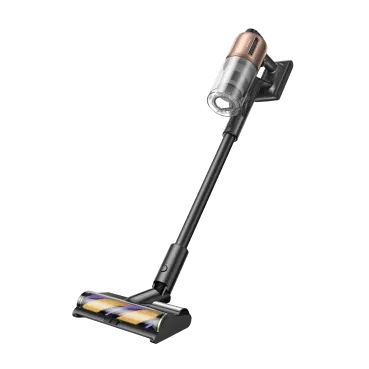
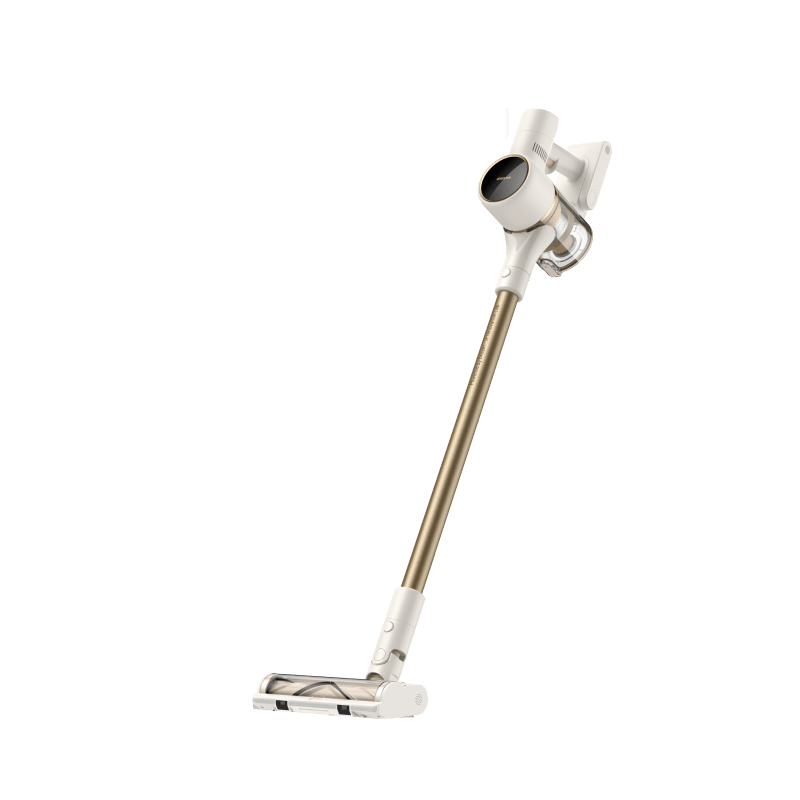
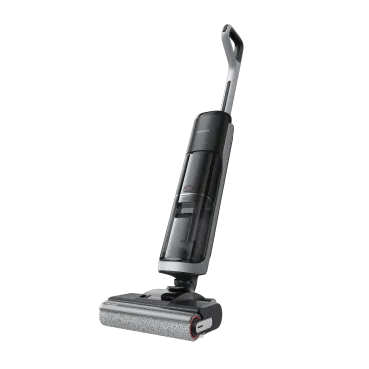
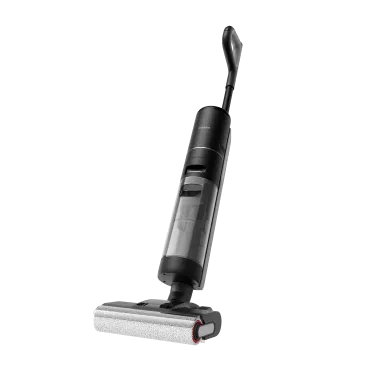
Deep cleaning your home is more than just a seasonal task—it's a methodical process that gets into places your regular routine might miss. If you're wondering how to deep clean your house effectively, don’t worry—it’s simpler than it sounds. While the term may seem daunting, deep house cleaning is really just a series of manageable steps. It's not only about creating sparkling surfaces, but also about building a peaceful and healthy home environment that genuinely boosts your mood and well-being. While the schedule for optimal deep cleaning varies according to each household and room, there are some general guidelines for tackling the task. How Often Do You Need to Deep Clean Your House? How often you really need to deep clean your house depends on a few things. Here's a quick list to help you figure it out: Generally, aim for every 3–6 months, a good timeframe to keep things really fresh by tackling those hidden grime spots. Got pets or little ones? You might want to increase that to every 2–3 months. More activity usually means more messes. Dealing with allergies? If someone in your home has allergies or respiratory issues, more frequent deep cleans can really help reduce dust, pet dander, and other triggers. Think about high-traffic areas. Of course, your kitchen and bathrooms need a deeper scrub more often. Some people do a mini-deep clean in those zones monthly. Seasonal spruce-ups are great. A good spring and fall deep clean that gets you ready for changing weather is like giving your house a fresh start. Ultimately, it's about what’s right for your home and lifestyle. And a little planning makes bigger cleaning tasks seem easier if you gather the right tools and organize the mission. Prepare Essential Deep Cleaning Tools First Before you begin scrubbing, you've got to get your arsenal together. Gather some microfiber cloths, a good set of scrub brushes for different surfaces, and some spray cleaning solutions you trust. And don't forget a dustpan, brush, and bucket. Getting these basics on hand will save you countless trips back and forth. Once you've got your general tools, it's time to think about more specialized items that will tackle those really tough spots. The Dreame H15 Pro Heat Wet Dry Vacuum is a game-changer for sanitizing and breaking down grime without harsh chemicals. The Dreame Z30 Cordless Stick Vacuum has the power, handiness, and attachments to deep clean all those nooks and crannies that like to harbor dirt. Other go-to helpers include a good squeegee for streak-free windows and mirrors and a long-handled duster for those high, forgotten spots. Preparation is important, and so is the approach. Taken in smaller steps, a clear process makes the effort less daunting. Here’s a general sequence of actions: The Process Is the Solution Preparation is important, and so is the approach. Taken in smaller steps, a clear process makes the effort less daunting. Here’s a general sequence of actions: Remove clutter: To begin deep cleaning your home, first declutter each area by removing any misplaced items, trash, or unneeded possessions. This initial purge creates clear surfaces and open spaces essential for effective cleaning. Clean surfaces: After decluttering, use appropriate cleaners, whether all-purpose or specialized for wood, stone, or other materials. Wipe down shelves, furniture, and light fixtures thoroughly, removing all dust, grime, and sticky residues. Finish by polishing or drying surfaces to prevent streaks and ensure a sparkling finish. Vacuum or mop floors: Floors should be the last area cleaned as you get rid of both existing dirt and the messes left from cleaning above. The Dreame range of wet and dry and cordless stick vacuums are invaluable in dealing with the floors, no matter the surface material. Pro-tip For the best cleaning results, work from the top down, allow cleaning products to sit and penetrate surfaces before scrubbing, and use appropriate attachments to effectively reach and clean corners. Of course different rooms serve different purposes, so each has its own cleaning needs. Here are a few guidelines for those high-traffic areas: Room-by-Room Deep Cleaning Guide In the Kitchen When you're deep cleaning your kitchen, you'll want to pay special attention to the microwave, refrigerator, and oven. These tend to gather grime faster than you'd think. Microwave: Aim to deep clean weekly. Those food splatters are germ havens if not addressed. Refrigerator: Give your fridge a good deep clean monthly. Take everything out and wipe down the shelves and drawers with an antibacterial cleaner. Oven: You should deep clean your oven when you start smelling old food or grease when it heats up. Don't forget other spots like the dishwasher, stovetop, and sink—they need some deep cleaning too. Sprucing Up the Living Room How often you deep clean your living room depends on various factors. The frequency can range from weekly to every six months. Carpets: Deep clean your carpets once or twice a year. If you've got pets or little ones running around, you probably need to do it more often. Deep cleaning carpets can be a big job, but there are awesome deep-cleaning vacuums out there now, like the Dreame T20 Cordless Stick Vacuum, that make deep cleaning your sofa, carpets, and floors a breeze. Windows and drapes: Deep clean every three to six months. Window glass and frames are straightforward tasks with some readily available cleaning spray, but a professional might be the way to go for removing and cleaning drapes. Skirting boards: Give your skirting boards a deep clean quarterly. A quick vacuum and wipe will help get rid of all that dust and those pesky dust mites that love to gather there. Deep Cleaning the Bathroom Your bathroom is a hot spot for germs, so deep cleaning it is important. You can also check how to clean bathroom in 30 mins if you have limited time. Bathtubs and showers: Deep clean weekly because they're sites where fungus and bacteria grow, which can lead to skin infections. Be sure to use antibacterial cleaners and really get into every nook and cranny. Toilets: Clean your toilet daily and give it a good deep clean every week. Just like tubs and showers, use antibacterial agents. Bleach is effective for overall cleansing and stains. A good toilet cleaner also helps with mineral deposits. Bathmats: Clean weekly because they're another favorite spot for fungus and bacteria. After a sanitizing wash, let them dry outside in direct sunlight. Showerheads: Deep clean your showerhead once a year to remove mineral buildup and keep your shower running smoothly. Refreshing the Bedroom Your bedroom needs occasional deep cleaning too. After all, it's where you sleep. Pillows: Deep clean your pillows quarterly. They can collect a lot of dead skin, sweat, oil, dust mites and other allergens.   Mattresses, duvets, and blankets: These should be deep cleaned twice a year. Mattresses can harbor everything pillows do, or even bedbugs. Duvets and blankets also collect dust and allergens. Common Mistakes to Avoid A big mistake people often make is trying to do everything at once, leading to burnout and a less thorough job. Instead, break it down into smaller, manageable chunks. Focus on one room or even one area within a room at a time. Another thing to watch out for is neglecting to clean your cleaning tools. Using dirty sponges, mops, or rags just spreads grime around and defeats the purpose of deep cleaning. Taking your time and being methodical will make a huge difference! Deep Cleaning Tools to Invest In For large spaces or homes with pets, a high-suction wet and dry vacuum like the Dreame H15 Pro Heat saves time, effort, and stress. And to make the job even less demanding, routine cleaning beforehand with the L50 Ultra Robot Vacuum lightens the load. The Dreame Z20 and Z30 cordless stick vacuums are unmatched in getting into hard-to-reach places to eradicate hidden dust and pet hair with the help of specialized attachments.  👉 Extra info: Check out our guides to house cleaning: Your Essential Cleaning Supplies Checklist for a Spotless Home Home Deep Cleaning vs Regular Cleaning: What's the Differences? How to Keep Your House Clean Before, During & After Vacation: Essential Tips     It’s Worth It The effort is worth it—that deep clean brings renewal to your living space and state of mind. And the Dreame range of appliances is there to help you maintain that shine and serenity. Make your first move: Print our Ultimate Cleaning Guide!
Continue reading
Home Deep Cleaning vs Regular Cleaning: What's the Differences?

Home Deep Cleaning vs Regular Cleaning: What's the Differences?

Editorial TeamDreame |
Most people who clean their homes do regular cleaning. Professional cleaning companies do regular and deep cleaning. While you’ll have to pay extra for deep cleaning, there’s unmatched value for money. To understand why you should overlook DIY (Do-It-Yourself) home cleaning over professional cleaning, it’s important to define the two terms. What’s the Difference Between Deep Cleaning and Regular Cleaning Your Home Regular Cleaning As the name suggests, regular home cleaning involves typical home cleaning tasks done to maintain typical cleanliness. While it’s possible to hire a cleaning company to do regular cleaning, it costs less than deep cleaning. You can even clean your room in one hour. Regular cleaning usually involves cleaning tasks such as sweeping floors, cleaning and mopping floors, vacuuming carpets, wiping the dust from surfaces, appliances, and fixtures, cleaning and disinfecting the bathroom, cleaning kitchen appliances, cooking pots and floors as well as cleaning doors, window frames, dusting vents, emptying the trash can, and removing cobwebs. Deep Cleaning Deep cleaning goes further than regular cleaning. The main difference is in the level of detail. Deep cleaning is more extensive. It includes all regular cleaning tasks as well as cleaning neglected and/or hard-to-reach areas of your home. Anything that can be cleaned is attended to. It also focuses on improving the living quality and overall sanitation of your home. Other notable differences include price. Deep cleaning is obviously more costly. It also takes longer. If you are thinking about doing it yourself, we have created a complete cleaning supplies checklist to help you. How Often Do You Need to Deep Clean Your Home As mentioned above, deep cleaning involves cleaning every cleanable place or thing in your home. While it’s not possible to clean everything, there are things you must deep clean often than others. You should deep clean your microwave, shower, toilet, bathmats, bathtubs, and carpets every week. Your refrigerator can be deep cleaned monthly, while your pillows and skirting boards should be cleaned every three months. Windows and drapes should be cleaned thoroughly after 3-6 months. Your mattress, blankets, and duvets can be deep cleaned at least twice a year. Showerheads can wait for a year, while your oven should be deep cleaned when it starts emitting an unpleasant odor. This can even be weekly depending on the frequency, spills, etc. Deep Cleaning House Checklist: How to Deep Clean a House If you are looking for specifics i.e., the different places to clean in your kitchen, bedroom, etc., how to clean those places, the number of times you should clean, among other important information, here’s what you should know. Kitchen Deep Cleaning When deep cleaning your kitchen, you should focus on the microwave, refrigerator, and oven, as these are the appliances that aren’t cleaned properly during regular cleaning. As mentioned above, deep clean your microwave weekly to get rid of food splatters that act as breeding grounds for germs. Your refrigerator should be deep cleaned monthly to eliminate food spills and other sources of germs like rotting vegetables, which can also cause serious bacterial contamination. The process of deep cleaning a refrigerator includes but isn’t limited to removing everything and wiping down all compartments using an antibacterial wash. The oven should be deep cleaned as often as possible, more so when you start to smell previously cooked food. When cleaning your oven regularly, use a damp cloth and soapy water to get rid of good spills and splashes. Other areas and appliances that should be deep cleaned in the kitchen include dishwashers, stovetops, and sinks. Living Room Deep Cleaning Your living room should be deep cleaned weekly to half-yearly, depending on what is being cleaned. Carpets cleaning should be done weekly and deep cleaned once or twice a year. However, deep cleaning can be done often if you have pets or young children that play a lot but still need a carpet that is clean throughout. Deep cleaning is also dictated by factors such as stains and dust levels in your area. Deep cleaning carpets can be a daunting task when handled traditionally. Currently, there are deep cleaning vacuums in the market today, such as the Dreame cordless vacuum sticks for deep cleaning your sofa, carpet, and floors. Windows and drapes can be deep cleaned once every 3-6 months. While you can wipe the woodwork, you’ll need a professional to help you deep clean other elements/parts i.e., to remove grime from your drapes and windows. Skirting boards should be deep cleaned quarterly. Vacuuming and wiping over skirting will remove the layer of dust and pathogens (dust mites/allergens) that accumulate over time on skirting boards. Bathroom Deep Cleaning Bathtubs and showers should be deep cleaned weekly. Deep cleaning is crucial since bathtubs and showers are perfect breeding grounds for fungus and bacteria known to cause skin infections. Cleaning should be as thorough as possible by using antibacterial agents. Toilets should be cleaned regularly on a daily basis, and deep cleaned every week. Like bathtubs and showers, cleaning should be done using antibacterial agents. It’s also crucial to use bleach to keep your toilet free of ugly stains. A toilet cleaner will come in handy when removing mineral deposits. Bathmats should also be cleaned weekly since they are also breeding grounds for fungus and bacteria. Use sanitizing wash or other similar detergents to get rid of harmful bugs that thrive in bathmats. After washing, dry the mat outdoors in direct sunlight to dry. Bathroom shower heads should be deep cleaned once every year to remove minerals that build up over time and restore normal function. Deep cleaning also gets rid of dust and dirt that accumulates over time. Bedroom Deep Cleaning Bedroom pillows should be deep cleaned quarterly, while mattresses, duvets, and blankets should be deep cleaned twice a year. Pillows harbor dead skin, sweat, oil, dust mites, and other allergens. Mattresses also harbor everything found in pillows and more i.e., bed bugs. Mattresses are also prone to become smelly. Duvets and blankets also accumulate dust and allergens. All the bedroom items should be deep cleaned by professional cleaners. You can do regular cleaning; however, deep cleaning should be left to professionals for obvious reasons. While it looks costly, it’s important to consider the health implications of disregarding deep cleaning requirements. It’s also important to choose reputable professional deep cleaners. It may be possible to deep clean some elements/places in your home with the help of state-of-the-art appliances.  Discover More in Our Cleaning Series: How to Keep Your House Clean Before, During & After Vacation How to Clean Your House Like a Pro 10 Tips For Cleaning Your Home This Fall

Continue reading