





















 Robot Lawn Mower


 Australia
 中国大陆
中国大陆 日本
日本


 Türkiye


 Italia
 Netherlands
 Belgium
 Greece
 Polska
 Norway
 Sweden
 Finland
 Denmark
 Hungary
 Czechia
 Slovenia
 Croatia
 Switzerland
 United
Kingdom
United
Kingdom
 Canada


Thousands of microscopic bacteria and allergens may still be present on visibly clean surfaces. To parents and pet owners, proper cleaning—specifically knowing how to sanitize floors—requires more than a bucket and soap. It is necessary to know the correct method to use without ruining the finish of your home.
Let's cut through the noise. This guide will provide you with straight facts on how to defy floor cleaning myths and which tools really work.

Prepare for Floor Sanitization
Attempting to sanitize a dirty floor is a waste of time. Without removing the physical mess first, you are literally just mixing dust with liquid to create a muddy layer of grime that protects bacteria.
Clear the Area
Move rugs, toys, and furniture out of the room before you commence. You have to make sure that your sanitizing agent reaches all corners, baseboards, and grout lines where bacteria multiply. In addition, clearing the floor ensures that your belongings are not damaged accidentally by cleaning chemicals.
Remove Loose Debris The Right Way
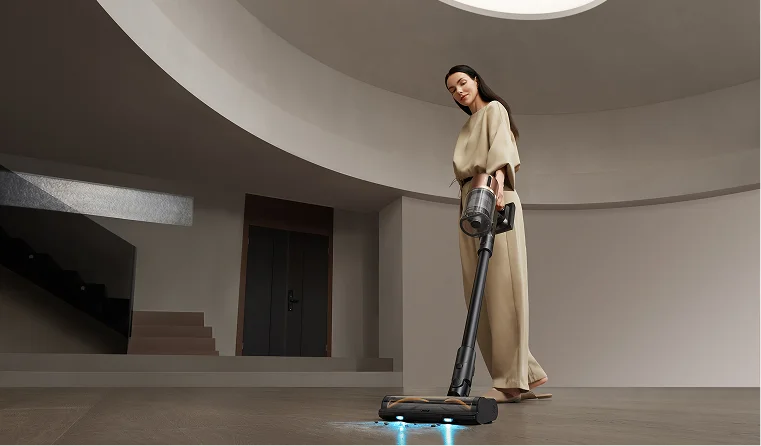
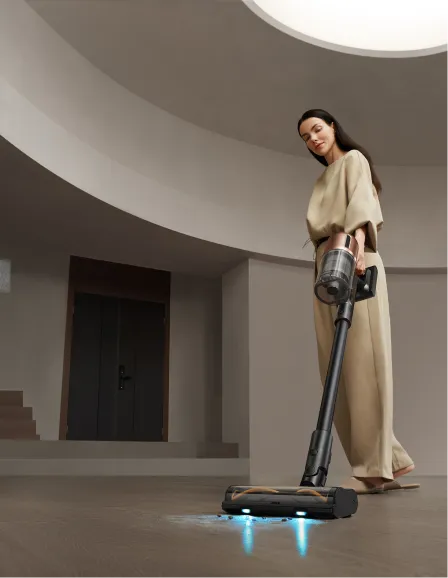
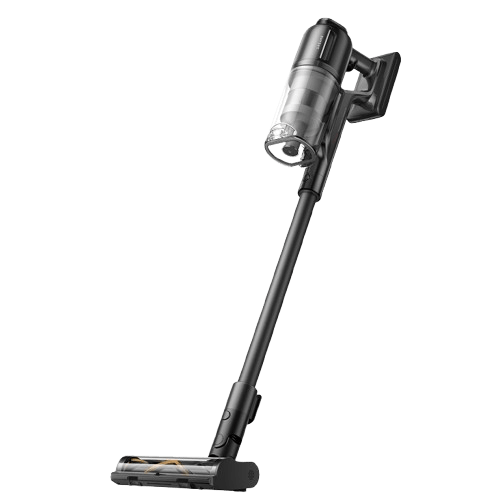
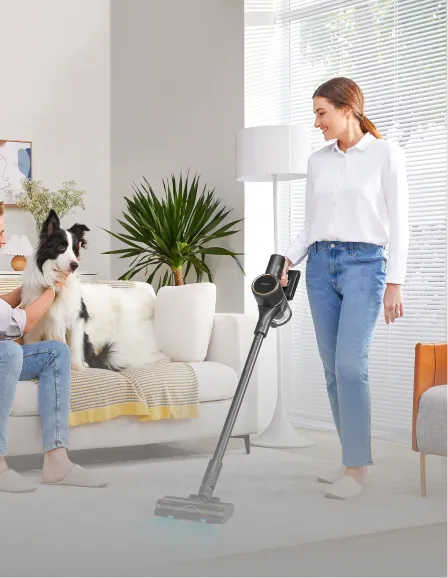
Vacuum thoroughly to remove hair, dust, and crumbs. This is the crucial "make or break" step.

3 Simple Steps on How to Sanitize Floors
Follow this proven three-step process to ensure maximum hygiene.
Step 1: Select the Appropriate Disinfectant Solution
It is always a good idea to check the instructions from your floor manufacturer. Applying the incorrect pH balance may strip the finishes and void warranties faster than you can say "oops."
- For Wood: Use pH-neutral cleaners specifically made for hardwood.
- For Tile: Oxygenated bleach solutions or alkaline cleaners are the best.
- Natural Alternative: Diluted white vinegar will kill some bacteria, but take care—it is acidic and can etch natural stone or damage unsealed wood.
Step 2: Mop and Disinfect
Apply your solution and let it sit. The "dwell time" (typically 3 to 5 minutes) is non-negotiable. As emphasized by the CDC, if
you wipe it off immediately, you leave bacteria alive. Disinfectants require these few minutes to break down cell walls.
Step 3: Rinse and Dry
If your disinfectant label says to rinse, do it. This eliminates chemical residue, which may cause irritation to a pet's paws or a baby's skin. Dry the floor immediately using a clean towel to prevent slips and water damage.
Special Sanitizing Tips for Different Floor Types
Different materials have specific vulnerabilities. Here is a quick cheat sheet to keep your floors safe.
| Floor Type | Best Cleaner | What to Avoid | Pro-Tip |
|---|---|---|---|
| Hardwood | pH-Neutral Wood Cleaner | Bleach, Ammonia, Excess Water | Dry immediately to prevent warping. |
| Vinyl / Laminate | Mild Detergent | Abrasive Scrubbers, Steam Mops | Watch out for scratches where dirt can hide. |
| Tile & Grout | Oxygenated Bleach / Alkaline | Acidic Cleaners (on Stone) | Use a nylon brush to agitate grout lines. |
| Natural Stone | pH-Neutral Stone Soap | Vinegar, Lemon, Bleach | Seal stone regularly to prevent bacteria absorption. |
Hardwood Floors
Wipe with a mop that is barely damp. Wood is porous. Excess water leads to warping, while bleach and other harsh chemicals strip away the protective finish and discolor the grain.
Vinyl and Laminate Floors
Protect the wear layer. Vinyl is durable, but it can be easily scratched by stiff brushes, creating tiny grooves where dirt gets trapped. Do not use a steam mop on laminate; the high heat and moisture may cause the planks to peel.
Tile and Grout
Focus on the grout lines. Tile is non-porous, whereas grout acts like a sponge for bacteria. This is the sole area where you can be a little bit rougher with scrubbing.
How Often Should You Sanitize Floors?
Sanitize high-traffic spots once a week and living areas every two weeks. More isn't always better. Protective coatings may be worn away by over-sanitizing with harsh chemicals.
- Kitchens & Bathrooms: Once per week (or immediately after raw meat spills).
- Bedrooms and Living Rooms: Every 2-4 weeks.
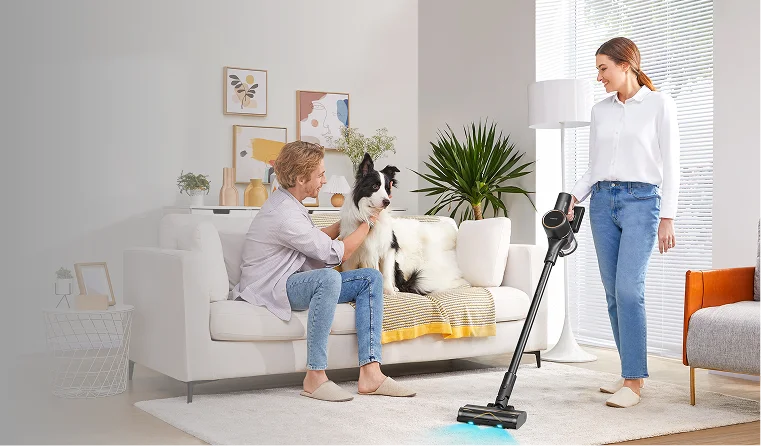
- Pet Owners: Sanitize entryways daily and main living areas 2-3 times a week to stop paws from tracking in outdoor germs.
Make Floor Sanitization Part of Your Routine
The best way to clean floors with pets and hectic schedules is to automate your cleaning habit.
Daily Maintenance with Robot Vacuums
Keep bacterial loads low in between deep cleans using a robot vacuum.

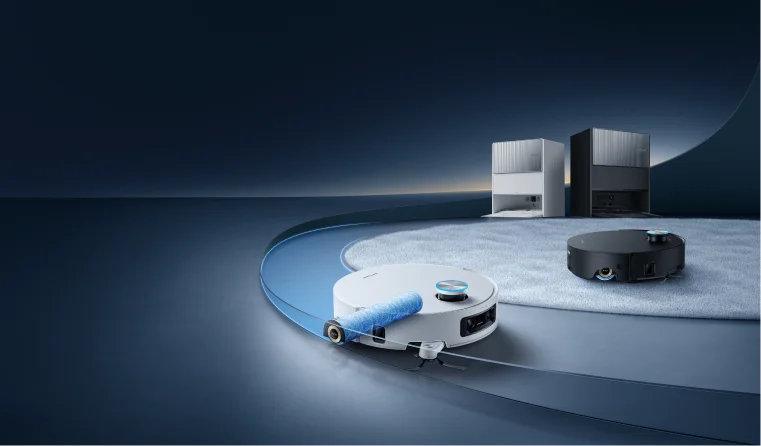
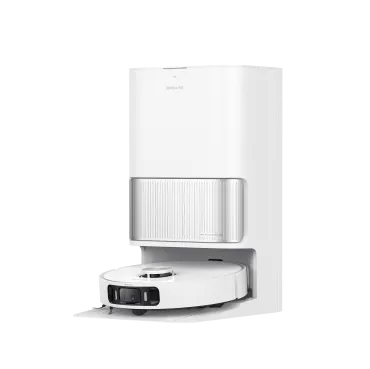
Use roller mop for active scrubbing. It is not just wiping that is required, but friction. The Aqua10 Ultra features an active scrubbing design which scrubs floors using fresh water instead of only dragging a damp cloth. This lifts germs away rather than dispersing them.
[product handle="aqua10-ultra-roller-robot-vacuum" rating="4"]
Protect your machine by avoiding harsh chemicals. Most tanks are designed for water only. Harsh chemicals destroy pipes on the inside, resulting in leaks. Unless specified by the manufacturer, stick to water. For a complete guideline on safe products and practices, see our article on how to perform antibacterial cleaning with robot vacuums.
Weekly Deep Cleaning
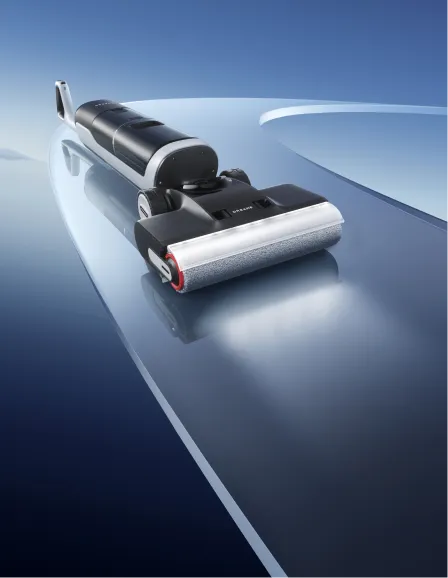
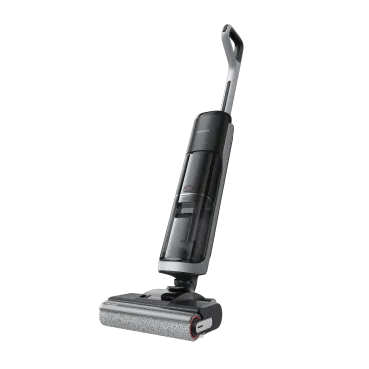
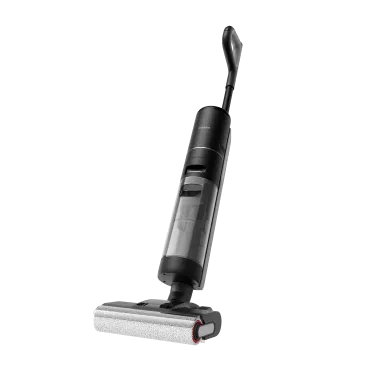
Arrange a regular deep clean or a heavy-duty cycle with your wet/dry vacuum to tackle corners and edges that day-to-day cleaning may not reach.
Tips for Keeping Your Floors Clean and Hygienic
Once your floors are sanitized, adopting a few smart habits will ensure they stay hygienic for longer.
Prevent Cross-Contamination
You wouldn't clean your toilet with the same sponge you use on your kitchen counter, yet many use one mop pad for the entire house. This common oversight propagates bacteria from the bathroom to the kitchen.
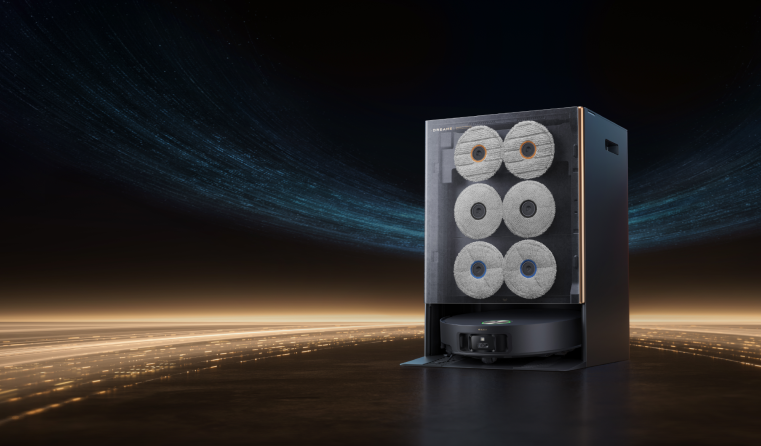
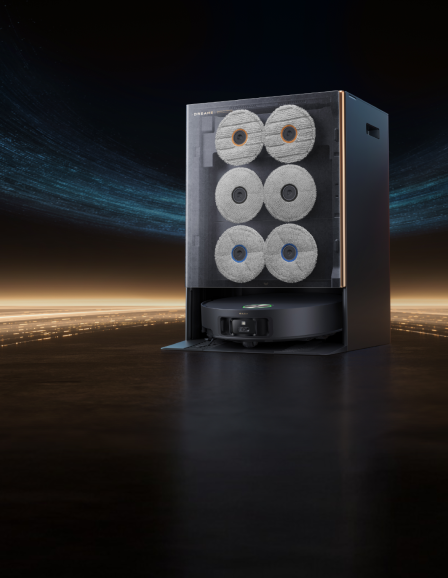
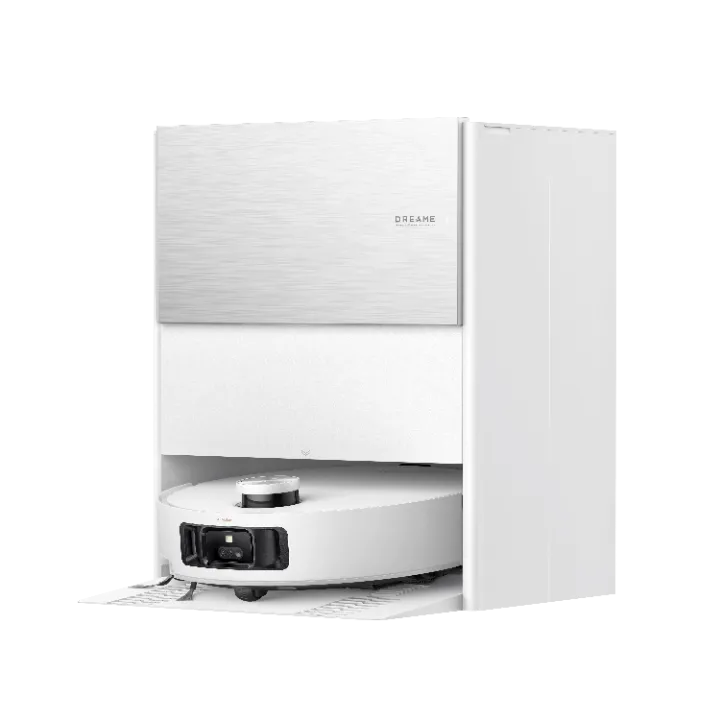
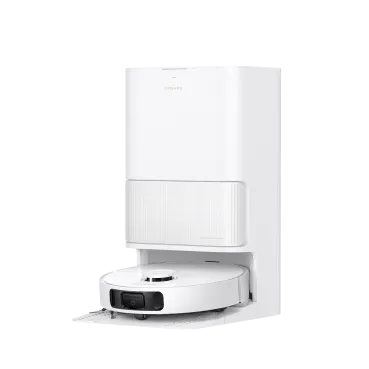
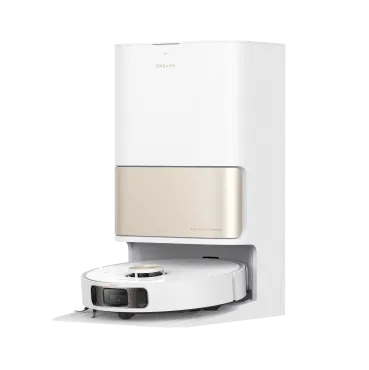
The Dreame Matrix10 Ultra solves this with its multi-mop switching dock. It automatically switches specialized pads—such as sponge pads for bathrooms and scrubbing pads to ensure germs are never moved between different zones.
For instance, it utilizes Thermal Mop Pads with phase-change materials that maintain a temperature above 40°C (104°F). This consistent heat enhances cleaning effectiveness and, when used with a deodorizing agent, helps inhibit bacterial growth. It also switches to scrubbing pads for grease in kitchens and water-locking sponge pads for bathrooms, providing a tailored, hygienic clean for every room.
Adopt a "No Shoes" Policy
Leave shoes at the door. Shoes are carriers of E. coli, fecal matter, and pesticides. Removing them is the single most effective preventative action you can take.
Frequently Asked Questions
What is the difference between sanitizing and disinfecting?
Sanitizing reduces bacteria to safe levels (99.9%), while disinfecting eliminates 100% of organisms. Daily cleaning is often just sanitizing, but disinfection is usually required for high-risk messes (such as raw meat spills) or when a person is ill.
What is the best natural disinfectant for floors?
Diluted white vinegar is a typical choice, although hot water is safer. Vinegar destroys certain bacteria; however, its acid damages stone and wood. Hot water washing (via a wet/dry vacuum) kills bacteria thermally without leaving chemical residues.
Can I use bleach on wooden floors?
No, never. Bleach dissolves wood fibers, permanently discolors the stain, and destroys the polyurethane finish. Always select a product that is designed specifically for wood.
Can I put disinfectant into the water tank of my robot vacuum?
No, harsh chemicals will ruin the internal pump. In the absence of a specific cleaning solution sold by the manufacturer, use water in the tank and apply sanitizers directly to the floor.
Conclusion
Learning how to sanitize floors is not complex but requires consistency. It starts with effective dust removal using a sealed vacuum, choosing floor-safe solutions, and preventing cross-contamination.
Whether you choose the power of a hot-water wet/dry vacuum or the ease of an intelligent robot, upgrading your tools can make your household a healthier place.
Ready to improve your cleaning routine? Explore Dreame’s range of smart cleaning solutions today.
