
Can You Vacuum Glass? The Safe Way to Clean Up a Shattered Mess

Can You Vacuum Glass? The Safe Way to Clean Up a Shattered Mess

Dreame Editorial Team |
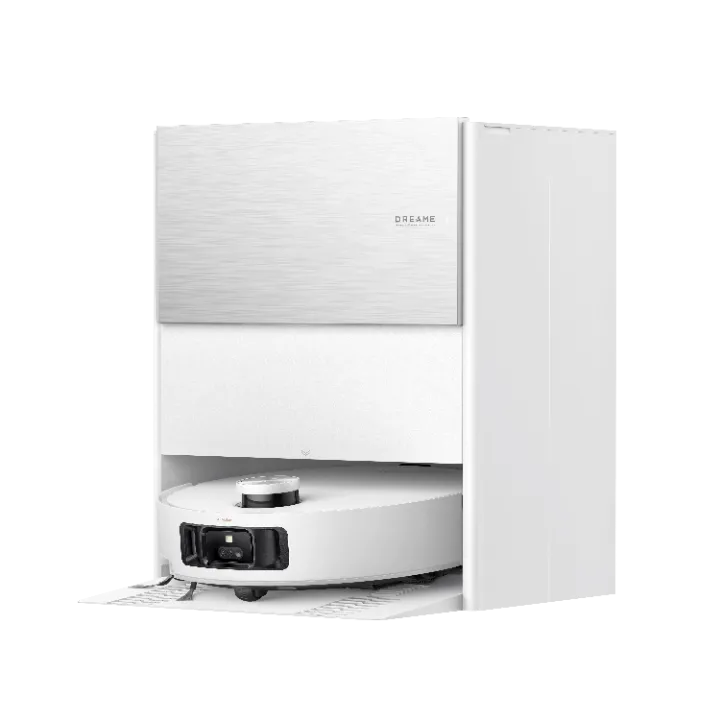
The sound of shattering glass is immediate and stressful. Whether it is a dropped wine glass in the kitchen or a broken picture frame in the hallway, your first instinct is usually panic, followed quickly by the urge to grab your cleaning tools to make sure you get every sharp piece. But wait—can you vacuum glass safely? The answer depends entirely on the type of vacuum you own. If you have a heavy-duty industrial shop vacuum, the answer is yes. These machines are designed to inhale large debris without damage. However, for the standard vacuum cleaners found in most homes, the rule is strict: You can vacuum the invisible dust, but never the shards. Here is the complete safety guide on how to clean up glass without destroying your home appliances. Which Vacuums Can Handle Glass? Before you power on your device, you need to know if your specific machine is built for the job. Industrial Shop Vacs: Yes. These canister-style vacuums feature wide, rigid hoses and bypass motors that deposit debris directly into a durable drum. They are the only machines safe for vacuuming actual glass shards. Cordless Stick Vacuums: Dust Only. Standard household stick vacuums are powerful but delicate. They are perfect for the final cleanup of microscopic "glitter" dust, but they cannot handle jagged shards, which can slice their internal silicone seals or filters. Robot Vacuums: Strict No. You should never send a robot vacuum to clean up glass. Even tiny shards can get embedded in the rubber wheels. As the robot moves, those embedded shards turn the wheels into sandpaper, scratching your hardwood floors. Wet/Dry Floor Washers: Avoid. Do not confuse these with industrial shop vacs. Household wet dry vacuums have complex internal water pumps and narrow piping. Sharp glass can slice these internal tubes or clog the dirty water pump, causing leaks and permanent failure. What Happens When You Vacuum Glass? Understanding the mechanics of why glass is dangerous helps you avoid making one of the common vacuum cleaner mistakes. 1. The Hose Hazard Most household vacuums rely on flexible, corrugated hoses to create suction. A sharp shard of glass traveling at high speed can slice through this material instantly. A cut hose results in a permanent loss of suction power. 2. The Brush Roll Trap If you run a floor head directly over glass, the spinning brush roll (beater bar) often catches shards in its bristles. This creates two problems: it flings glass across the room instead of sucking it up, and the glass stays stuck in the brush, scratching your floors later. 3. The Filter & Airway Risk Glass dust is incredibly fine and hazardous to inhale. If your vacuum has poor filtration, it might simply blow that glass powder back out into the air. This is why using a vacuum with HEPA-standard filtration is critical—it captures particles as small as 0.3ÎŒm, ensuring the glass dust stays trapped inside. How to Clean Broken Glass Safely To clean up safely, you need a strict plan. Follow these steps in the exact order below to protect your feet and prevent damage to your vacuum cleaner. Step 1: Secure the Zone Immediately put on shoes, do not walk in the area with bare feet or socks. Remove pets and children from the room to prevent them from tracking glass elsewhere. Pro-tip If you have a robot vacuum like the Dreame X50 Ultra on a daily schedule, check your app immediately. Pause the schedule or set a temporary "No-Go Zone" right away to prevent the vacuum from accidentally driving through the mess before you have a chance to sweep it up. Step 2: Sweep Up Large Debris First Use a standard broom and dustpan to collect the bulk of the debris. Sweep in short, deliberate strokes to avoid flicking shards into corners or under appliances.  Step 3: Lift Remaining Shards with Tape or Bread Even after sweeping, medium-sized splinters often remain. Use these household tricks to pick them up safely: Duct Tape: Wrap tape around your gloved hand (sticky side out) and pat the floor to lift shards. Bread: A slice of soft bread pressed onto the floor is excellent for embedding and lifting glass splinters that a broom misses. Step 4: Vacuum the "Invisible" Dust Once the floor looks clean, it is time to use your cordless stick vacuum for the microscopic "glitter" dust that remains. Detach the Main Brush: Remove the motorized floor head. You must never use the spinning brush roll, as it can flick shards across the room or grind them into the floor. Attach the Crevice Tool: Connect the rigid plastic crevice tool or hose. This concentrates the suction and provides a direct path to the dust cup, preventing debris from getting stuck in internal bends. Illuminate the Area: Turn off overhead lights and use a flashlight to sweep across the floor at a low angle. This will reveal the sparkling reflections of tiny glass particles you might have missed. Dreame Take This is where the Dreame Z20 Station excels. Its Enhanced Blue Light technology detects microscopic particles better than standard white LEDs, ensuring you don't leave any hazardous material behind for bare feet to find later. For more on manual cleaning techniques, read our sweeping vs vacuuming floor cleaning guide. How to Dispose of Broken Glass Safely Once you have swept up the shards, do not simply throw them into your kitchen trash bag. Sharp glass can slice through plastic liners, creating a serious hazard for you when you take the trash out. The "Box and Tape" Method: Find a Container: Grab an empty cereal box or a sturdy cardboard delivery box. Fill and Seal: Carefully dump the dustpan contents into the box. Seal the top securely with heavy-duty tape. Label It: Use a marker to write "BROKEN GLASS" in large letters on the box. Proper disposal isn't just about safety; being mindful of your waste is a key part of our Make your home green tips. Post-Cleanup: Take Care of Your Vacuum After vacuuming glass dust, you must clean the machine to ensure it is safe for future use. Empty Immediately: Do not let the glass dust sit in the bin. Take the dust cup outside to empty it to prevent inhaling the dust. Wash Filters: If your vacuum has washable filters, take them out and rinse them under warm water. Let them dry completely before putting them back. Wipe the Dustbin and the Vacuum Exterior: Use a damp paper towel to wipe the inside of the dust cup. This ensures no micro-shards scratch the plastic next time the air cycles through. Check the Wheels: Inspect the vacuum's wheels to ensure no glass is embedded in the treads. For a deeper dive on maintenance, read our guide on How to clean your vacuum. Conclusion: Safety First, Vacuum Last Accidents happen, and the panic of a shattered glass on the kitchen floor is a feeling we all know too well. While it is tempting to grab the vacuum immediately to make the problem disappear, taking a few minutes to follow the "Sweep First, Vacuum Last" rule will save you from a broken vacuum cleaner and expensive repairs. Remember: Brooms are for the shards you can see; your cordless stick vacuum is for the dangerous dust you can't. By using the right tools and techniques, you can ensure your floors are truly safe for every pair of feet and paws in your home. FAQ on Vacuuming Glass What is the best way to clean up broken glass? The most effective method is a multi-step process that prioritizes safety. You should always sweep up the large pieces with a broom and dustpan first, then use a damp paper towel or duct tape to pick up medium-sized splinters. You should only use a vacuum cleaner as the very final step to remove the microscopic dust that manual tools cannot catch. Is it better to sweep or vacuum glass? It is always better to sweep first. Sweeping removes about 95% of the dangerous glass mass without putting your vacuum cleaner at risk. Vacuuming should strictly be reserved for the finishing stage to ensure the floor is safe for bare feet, but vacuuming large shards can destroy the machine's motor or hoses. What about glass on carpet? Glass on carpet is challenging because shards sink deep into the fibers, so vacuuming is necessary. To do this safely, you must first pick up all visible pieces by hand while wearing thick gloves. Then, use a vacuum with a hose attachment rather than the main floor head. Using the main head with the beater bar is dangerous because it can crush the glass further into the carpet backing rather than sucking it up. Can I use a robot vacuum if I watch it? No, you should not use a robot vacuum even if you are supervising it. A robot cannot differentiate between a harmless crumb and a sharp shard of glass. If it runs over glass, the shards can permanently damage its internal sensors or get stuck in the wheels, which will scratch your floors during future cleaning sessions.
Continue reading
How to Clean Up After a House Party (Even When You’re Exhausted)

How to Clean Up After a House Party (Even When You’re Exhausted)

Dreame Editorial Team |
Waking up after a house party usually comes with two things: a tired body and a messy home. The air feels heavy, the floors are sticky, and you’re not even sure where to start. If this sounds familiar, this guide will show you exactly how to clean up after a house party without wasting energy. The secret is following the right order so you don’t clean the same area twice. This step-by-step system is simple, effective, and perfect for mornings when you’d rather nap than scrub. Quick View: Your Morning-After Checklist Too tired to read the details? Just follow this order to get the maximum results with minimum brain power. Open windows (immediate fresh air). Bag all trash and recycling (clear the floor). Stack dishes near the sink (clear the tables). Wipe surfaces (knock crumbs to the floor). Treat carpet stains (give solution time to work). Run the robot or wet dry vacuum (the final step). Step 1: Clear Clutter and Gather Trash Safety First: Handle Broken Glass Did a wine glass shatter last night? Before you unleash any vacuums, you need to handle this manually. Never run a robot vacuum or wet/dry vacuum over glass shards. The sharp edges can puncture the internal hoses and ruin the motor. The Cleanup Hack: Big Pieces: Pick up carefully with gloved hands. Tiny Shards: Don't just sweep (which leaves invisible splinters). Press a slice of soft bread or a halved raw potato over the area. The glass will stick to it safely. Tape It: Use duct tape to lift the final dust from the floor. All Clear? Only once the glass is 100% gone should you proceed to the next step. Clear the Obstacles  Before you spray or scrub anything, you need to clear the path. Do not try to clean "around" the mess. Open the Windows: Let the stale air out and fresh air in. It immediately makes the room feel 50% cleaner. Bag the Garbage: Grab a large heavy-duty trash bag. Walk through every room and throw away paper plates, napkins, and food scraps. Sort the Recycling: Grab a separate bag/bin for cans and bottles. Don't worry about taking the bags out to the curb yet—just get the trash off your floors and tables. If you have a massive amount of glass or plastic and aren't sure what goes where, consult a recycling guide to ensure you sort everything correctly before disposal. Step 2: Gather and Soak the Dishes Dishes are the next source of chaos. Once the trash is out, switch your focus to the kitchen and follow this workflow: Round Up Glassware: Walk through the house and collect every plate, cup, and glass from the living room, hallway, patio, and bathroom counter. Bring everything to the kitchen. Soak the Stuck-on Food: Don't wash them yet. Stack any dishes with dried-on food in the sink and fill it with hot, soapy water. Letting them soak for 20 minutes saves you scrubbing effort later. Run the Dishwasher: Load the dishwasher with glassware first and start the first cycle immediately. Starting the machine creates momentum and signals that the hardest part is already underway. Step 3: Wipe Down Sticky Surfaces Now that the clutter and dishes are handled, shift your attention to surfaces. The Golden Rule: Always clean from high to low. Sanitize coffee tables and dining tables with a microfiber cloth first. Check the sofa for crumbs or spills and brush everything onto the floor. Why? Because you are going to clean the floors last anyway, so let gravity do the work for you. If you find stubborn rings on your counters or tables, check our guide on keeping your kitchen clean daily to remove stains without damaging the finish. Step 4: Vacuum and Wash the Floors Floors always show the worst of last night’s party. Between sticky drink spills and crushed chips, this step might look intimidating, but the right tools make it simple. Vacuum Dry Debris  If you have a robot vacuum, now is the time to use it. Release it from its dock and let it handle crumbs under the sofa, snack spills, or dust trails. Clean Sticky Messes You might think this calls for a mop, but traditional mops often push dirty water around, especially when dealing with sticky alcohol residue. This is where technology can help you. Dreame Take Don't scrub if you don't have to. A wet and dry vacuum (like the Dreame H15 Pro Heat) handles liquids and solids simultaneously. It uses hot water up to 185°F (85°C) to melt away sugary drink spills instantly. Using a wet dry vacuum means you aren't dipping a mop back into a bucket of gray water. You get continuously clean water on the floor, extracting moisture immediately. This is crucial for hardwood floors, which can warp if left soaking wet. For more tips on handling difficult messes, read our specific guide on how to clean sticky floors. Step 5: Refresh the Guest Bathroom The guest bathroom is a small space, but it likely saw a lot of traffic. You don't need a deep clean right now—just a reset. Throw the used hand towel into the laundry. Wipe the sink and faucet handles to remove water spots. Empty the overflowing trash can. If you notice the bathroom needs a deeper scrub later in the week, bookmark our complete bathroom surface cleaning guide for when you have more energy. Relax, You Did It The morning-after mess is gone. Your air is fresh, surfaces are clean, and the floors are restored. Cleaning up after a house party is always easier when you follow the right sequence instead of randomly tackling tasks. Next time, simplify your prep by following our guide on how to clean your home before a party. And if you want to retire the mop and bucket forever, consider wet and dry vacuums that handle the dirty work for you. Frequently Asked Questions How to clean up a house after a party quickly?  Work in this order: trash first, dishes second, surfaces third, floors last. This prevents repeat cleaning (like wiping crumbs onto a floor you just mopped) and saves energy. What is the 3-minute rule in cleaning?  Any task that takes under three minutes (like taking out the trash or wiping a mirror) should be done immediately. This prevents small tasks from piling up into a mountain of work. How do I get sticky alcohol off the floor?  Do not rely on cold water alone. Use a floor cleaning solution or a wet dry vacuum with hot water capabilities to dissolve the sugar. More Cleaning Tips Want to master the art of deep cleaning? Learn how to clean your house like a pro. Heading out of town soon? Check our essential house cleaning tips before, during, and after your vacation.
Continue reading
What Is a Floor Scrubber? (And Why Your Home Needs One)

What Is a Floor Scrubber? (And Why Your Home Needs One)

Dreame Editorial Team |
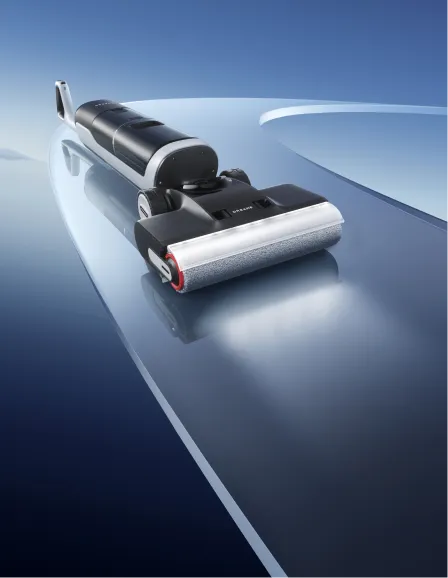
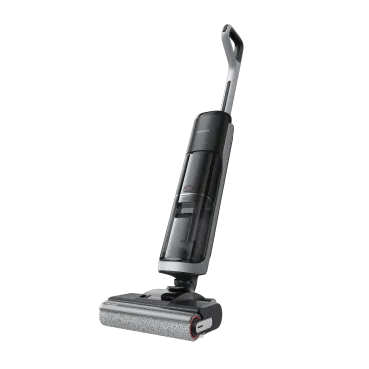
For decades, floor scrubbers were something most people only saw in shopping centres, hospitals, or office buildings. At home, cleaning floors usually meant a vacuum followed by a mop and bucket. That approach still works, but it comes with compromises around hygiene, time, and effort. Modern cleaning technology has changed that expectation. If you have ever wondered what a floor scrubber is and why so many homeowners are switching to them, the answer comes down to one idea. A floor scrubber replaces manual effort with a powered system that cleans with fresh water, active scrubbing, and immediate suction. Instead of pushing dirt around, it removes it completely. What Does a Floor Scrubber Do? At its core, a floor scrubber is a multi-functional electric hard-floor cleaner that functions as the broom, the vacuum, and the mop simultaneously. Think of it as a wet dry vacuum that helps you wash floors actively rather than just wiping the surface. Here is exactly what it handles in a home: Vacuuming and mopping in one pass: It picks up dry debris (dust, pet hair, crumbs) and washes the floor in a single pass. You no longer need to vacuum before you mop. Active stain removal: Unlike a passive mop that glides over the floor, a floor scrubber uses high-speed rollers to scrub away stuck-on grime, dried sauce, and muddy footprints. Liquid recovery: It is designed to suck up liquid spills. Whether it is a dropped bowl of cereal, spilled milk, or a bathroom puddle, the machine extracts the liquid into a sealed tank. Instant drying: Because it vacuums up the water used for cleaning, it leaves floors nearly dry immediately, preventing the slipping hazards common with traditional mopping. Important Home floor scrubbers are for sealed hard floors; avoid unsealed wood/porous stone. If you have mixed flooring in your home, be sure to check our guide on how to choose a floor scrubber by floor type to avoid damage. Wondering what makes a wet/dry vacuum unique? See our explainer What Is a Wet Dry Vacuum? How Do Floor Scrubbers Work? (The 3-Stage Process) While designs vary, nearly every floor scrubber uses the same three-stage technology. Dispense: The clean water tank releases water and cleaning solution directly onto the roller or brush. This ensures the floor is always cleaned with fresh liquid rather than reused water. Agitate: The brush roll spins at high speed, often 500 RPM or more, to loosen dirt, grease, and dried residue from the floor surface. This mechanical action is what separates a floor scrubber from a mop. Recover: A built-in suction motor pulls the dirty water off the floor and into a sealed dirty water tank. This step leaves floors nearly dry and prevents contaminated water from spreading. Together, these stages explain why a floor scrubber delivers more consistent results than traditional tools. To understand the science behind the suction, check out our how vacuum cleaners work guide. 3 Main Types of Floor Scrubbers Not all floor scrubbers are built for the same environment. It is important to choose the right tool for the job to avoid damaging your home or buying a machine that is too bulky to store. Ride-on and Walk-Behind: These are industrial machines designed for large commercial spaces like malls or hospitals. They use massive tanks, heavy pressure, and wide cleaning paths. Commercial Uprights: These sit in the middle. They are usually corded tools found in cafes, gyms, and small businesses that need frequent deep cleaning. Home Floor Scrubber: The most relevant category for householdsis the wet and dry vacuum. These cordless, lightweight machines bring professional-style cleaning into kitchens, hallways, and living rooms. Dreame’s H Series wet and dry vacuum cleaners demonstrate how this technology has been adaptedfor everyday home use. To understand the specific differences between spin scrubbers and wet/dry washers, read our guide on electric floor scrubbers for home use. Floor Scrubber vs. Traditional Mop: Which Is Better? For hygiene, the answer is clear. Floor scrubbers are objectively better because they break the dirty water loop. As soon as a mop head is dipped back into the bucket, it carries bacteria and grime with it. That same water is then spread across the floor, which is a common reason why floors can stay sticky after mopping. A floor scrubber avoids this problem by constantly applying clean water and immediately removing the dirty solution. Comparison: Which Tool Wins? To understand why a floor scrubber is the superior choice for hygiene, let’s compare the specs side-by-side with traditional methods and robot cleaners. Feature Traditional Mop Floor Scrubber (Wet/Dry) Robot Vacuum/Mop (Auto) Action Passive wiping (pushes dirt around) Active scrubbing + powerful suction Light surface maintenance & gentle mopping Water Hygiene Low (reuses dirty water) High (constant fresh water flow) Medium (small onboard tanks) Best For Cheap, occasional spot cleaning Deep cleaning & liquid spills Daily dust control & light maintenance Effort Level High (manual scrubbing) Low (self-propelled / assisted) Zero (fully automated) Drying Time 10–20 minutes Instant (suction removes most water) 5–10 minutes Cost Range Low ($20–$50) Medium ($250–$600) High ($500–$1,200+) Think of a robot vacuum as your daily housekeeper who sweeps while you work. Think of a floor scrubber as your power tool for when you need to actually wash the floor after dinner or a big spill. Most homes benefit from having both. Real-World Scenario: Cleaning Sticky Messes and Spills To truly understand the value of a floor scrubber, imagine a common kitchen disaster: a bowl of cereal dropped on the floor. The Old Way: You would need to grab a broom for the dry cereal (which often smears the milk), then a paper towel for the bulk liquid, and finally a mop to clean the sticky residue. You end up using three different tools and touching the mess multiple times. The Floor Scrubber Way: You grab your machine and make one single pass. It vacuums the solid flakes and sucks up the milk simultaneously, while the brush roll scrubs away the sticky sugar residue. The Aftermath: Instead of rinsing a dirty mop in the sink, you place the scrubber on its dock and press "Self-Clean." The machine washes its own brush, leaving your hands entirely clean. Dreame Take Our floor scrubber design philosophy is simple: fresh water in, dirty water out, no recirculation, plus controlled heat to break down residue fast. For tough messes like dried milk or sticky syrup, heat makes all the difference. Are Floor Scrubbers Worth It? Top Benefits for Homeowners For many households, the value becomes obvious after the first use. Time Savings: A floor scrubber can significantly reduce cleaning time because it vacuums debris and washes the floor at the same time. End of Mop Maintenance: Modern machines like those in the Dreame H Series include self-cleaning systems that rinse the brush internally. This brings industrial-level convenience into the home and removes the need to wash dirty rollers by hand. Water Efficiency: Floor scrubbers use significantly less water than a bucket to clean the same area because the system is controlled and precise—a key part of our eco-friendly home tips. Versatility: A floor scrubber can handle sticky spills like ketchup or raw egg that would clog or damage a standard vacuum. [product handle="h15-pro-heat-wet-dry-vacuum" rating="4.6"] But do you actually need one? While the technology is impressive, it fits some lifestyles better than others. Find your situation below to make the right choice. "I have kids, pets, or frequent kitchen messes." What to buy: Wet/Dry Floor Scrubber.  Best for: "wet" messes, such as spilled milk, muddy paw prints, or spaghetti sauce.  Why: A vacuum can't handle the liquid, and a mop takes too long. You need the "grab-and-go" speed of a Dreame H-Series machine to handle solids and liquids instantly. For a complete checklist, see our guide on how to choose the best floor scrubber for home use. "I mostly fight dust bunnies and hair, but my floors rarely get sticky."  What to buy: Consider a Robot Vacuum.  Best for: Daily or every-other-day vacuuming and mopping Why: Automation beats manual deep cleaning for routine dust. A robot vacuum (like the Dreame X50) will keep your floors dust-free while you sleep. "I’m cleaning up post-renovation dust and drywall debris."  Rent an Industrial Machine.  Best for: Ultra-fine construction dust Why: Heavy construction dust can clog the filters of residential machines. For one-time disasters, renting a commercial unit is the smarter financial move. Ready for a Smarter Floor Scrubbing? The era of the mop bucket is coming to an end. As technology has moved forward, so has the way we clean our homes. Understanding what is a floor scrubber helps explain why so many homeowners are upgrading their routines. Cleaning with truly clean water, active scrubbing, and instant suction delivers better hygiene with less effort. Once experienced, it is difficult to go back. If you’re ready to spend less time scrubbing and more time enjoying clean floors, explore Dreame wet dry floor scrubbers and find the right fit for your home. FAQ on Floor Scrubbers Do floor scrubbers pick up dry dirt?  Yes. Residential models function as vacuums and can collect dry debris while washing. Can you use a floor scrubber on hardwood floors? Yes, as long as the machine controls water flow and avoids oversaturation. Many are designed to be safe for sealed hardwood when used correctly, as explained in our guide on how to clean hardwood floors Do I need a special detergent? Yes. Low foam detergents are recommended to protect the motor and suction system. Is scrubbing the floor better than mopping?  Yes, for hygiene, drying speed, and overall effectiveness.
Continue reading